
I picked up a couple of new books this past week. One is the new book by Gideon Schwartz, “Revolution, The History of Turntable Design”. It’s the partner to his previous book, Hifi, which I also have. It’s very nicely presented. High quality photographs and decent amounts of text so it isn’t just a picture book. Nice quality binding too. 272 pages, so plenty to get into.
“The design, history, and cultural impact of turntables and vinyl technology: the twin powerhouses of the ‘vinyl revival’ phenomenon
Interest in turntables and records is enjoying a renaissance as analog natives and new converts find their enduring style and extraordinary sound inimitable. Revolution, a follow-up to Phaidon’s beloved Hi-Fi: The History of High-End Audio Design, explores the design and cultural impact of the turntable, the component at the center of the ‘vinyl revival’. An essential book for audiophiles, collectors, and design fans, Revolution showcases the fascinating history of turntables and vinyl technology from the 1950s to today’s cutting-edge designs.
Written by Schwartz, author of Hi-Fi: The History of High-End Audio Design, who is an audio design expert and passionate about analog music, this book includes 300 illustrations from the world of turntables, from affordable to high-end, and everything in between. An essential addition to the bookshelf for analog natives and those new to the vinyl revival as well as music and design lovers.”
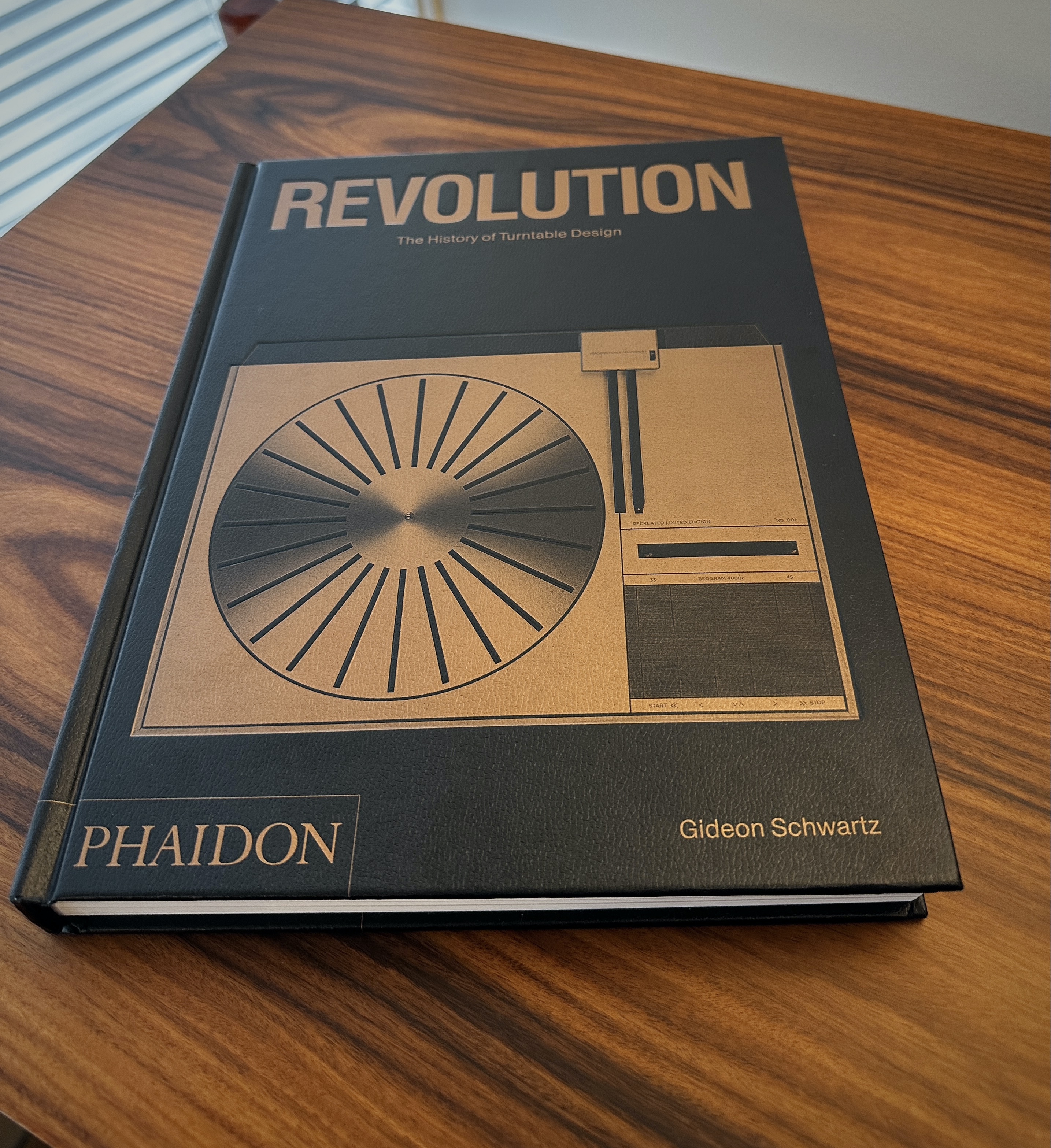
Definitely recommended if you are interested in turntable history. I did find one error though, ironically on the page for the Shindo 301, where he mentions that Shindo uses a variant of an EMT 12″ arm, they don’t it’s a Shindo designed/modded version of an Ortofon, but whatever, its still a really nice book worth having in the collection.

Theres a nice selection of turntables and some nice pictures of cartridges and tonearms as well.

I’d love to see him do a book on the history of Japanese audio, with the likes of Kondo, Airtight, Leben, Accuphase and of course Shindo.
The other book I tried unsuccessfully to order from Amazon a fair while back as it never materialised. I finally managed to get hold of a copy of Garrett Hongo’s audio memoir, The Perfect Sound.
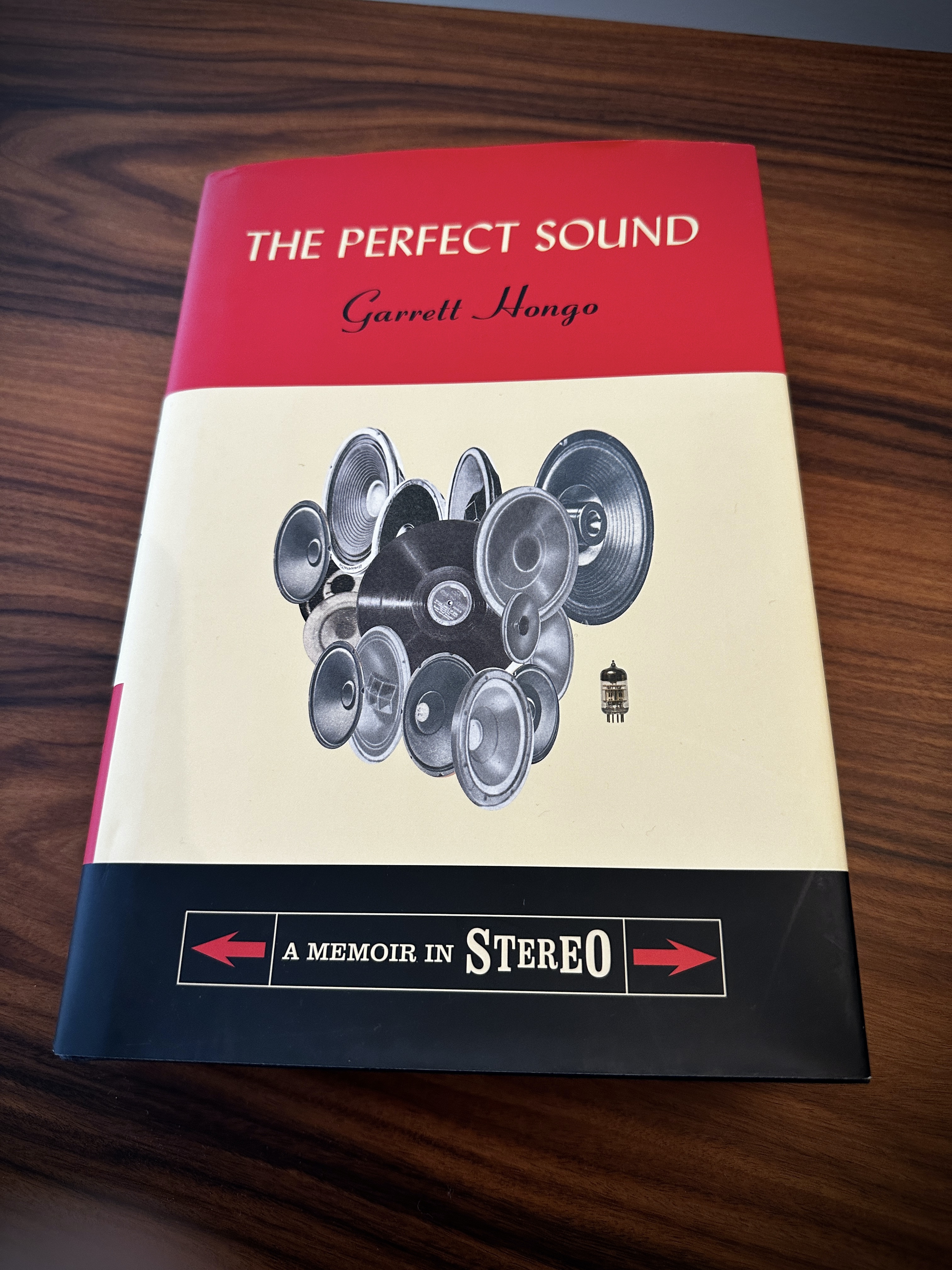
The blurb: “A poet’s audio obsession, from collecting his earliest vinyl to his quest for the ideal vacuum tubes. A captivating book that “ingeniously mixes personal memoir with cultural history and offers us an indispensable guide for the search of acoustic truth” (Yunte Huang, author of Charlie Chan).
Garrett Hongo’s passion for audio dates back to the Empire 398 turntable his father paired with a Dynakit tube amplifier in their modest tract home in Los Angeles in the early 1960s. But his adult quest begins in the CD-changer era, as he seeks out speakers and amps both powerful and refined enough to honor the top notes of the greatest opera sopranos. In recounting this search, he describes a journey of identity where meaning, fulfillment, and even liberation were often most available to him through music and its astonishingly varied delivery systems.
Hongo writes about the sound of surf being his first music as a kid in Hawai’i, about doo-wop and soul reaching out to him while growing up among Black and Asian classmates in L.A., about Rilke and Joni Mitchell as the twin poets of his adolescence, and about feeling the pulse of John Coltrane’s jazz and the rhythmic chords of Billy Joel’s piano from his car radio while driving the freeways as a young man trying to become a poet.
Journeying further, he visits devoted collectors of decades-old audio gear as well as designers of the latest tube equipment, listens to sublime arias performed at La Scala, hears a ghostly lute at the grave of English Romantic poet John Keats in Rome, drinks in wisdom from blues musicians and a diversity of poetic elders while turning his ear toward the memory-rich strains of the music that has shaped him: Hawaiian steel guitar and canefield songs; Bach and the Band; Mingus, Puccini, and Duke Ellington. And in the decades-long process of perfecting his stereo setup, Hongo also discovers his own now-celebrated poetic voice.”
I’m sure it will be an engaging read, and a bit different.


 Audio Satori
You must be logged in to post a comment.