
Mola Mola Lupe
The Mola Mola Lupe is an exceptionally flexible MM/MC phono stage, developed from the phono circuit originally designed for the Makua preamplifier. It provides four inputs, three single-ended RCA and one balanced XLR, along with both balanced and single-ended outputs. Moving-magnet and moving-coil cartridges have separate, independently optimised input stages, rather than simply adding extra gain to a common circuit.

Much of the Lupe’s appeal for me is the sheer amount of adjustment it provides. Gain can be selected across a wide range, while resistive loading and capacitance can be tailored to suit individual cartridges. It also provides selectable replay EQ curves in addition to standard RIAA and a switchable subsonic filter. Settings can be controlled through the Mola Mola app and saved as individual cartridge profiles, so moving between cartridges doesn’t mean having to remember or manually reset all the relevant parameters.
I use the Lupe in several different ways. Moving-coil cartridges can be connected directly and matched using the its own gain and loading options, while I can also use external step-up transformers into its MM stage. These include my Kondo CFz and Auditorium 23 T2, with the T2 primarily used with my EMT cartridges. This combination of multiple inputs, extensive adjustment and stored settings makes the it particularly useful in a system like mine where cartridges and step-up transformers are changed regularly. The only thing I wish it had was an input for optical cartridges as well.
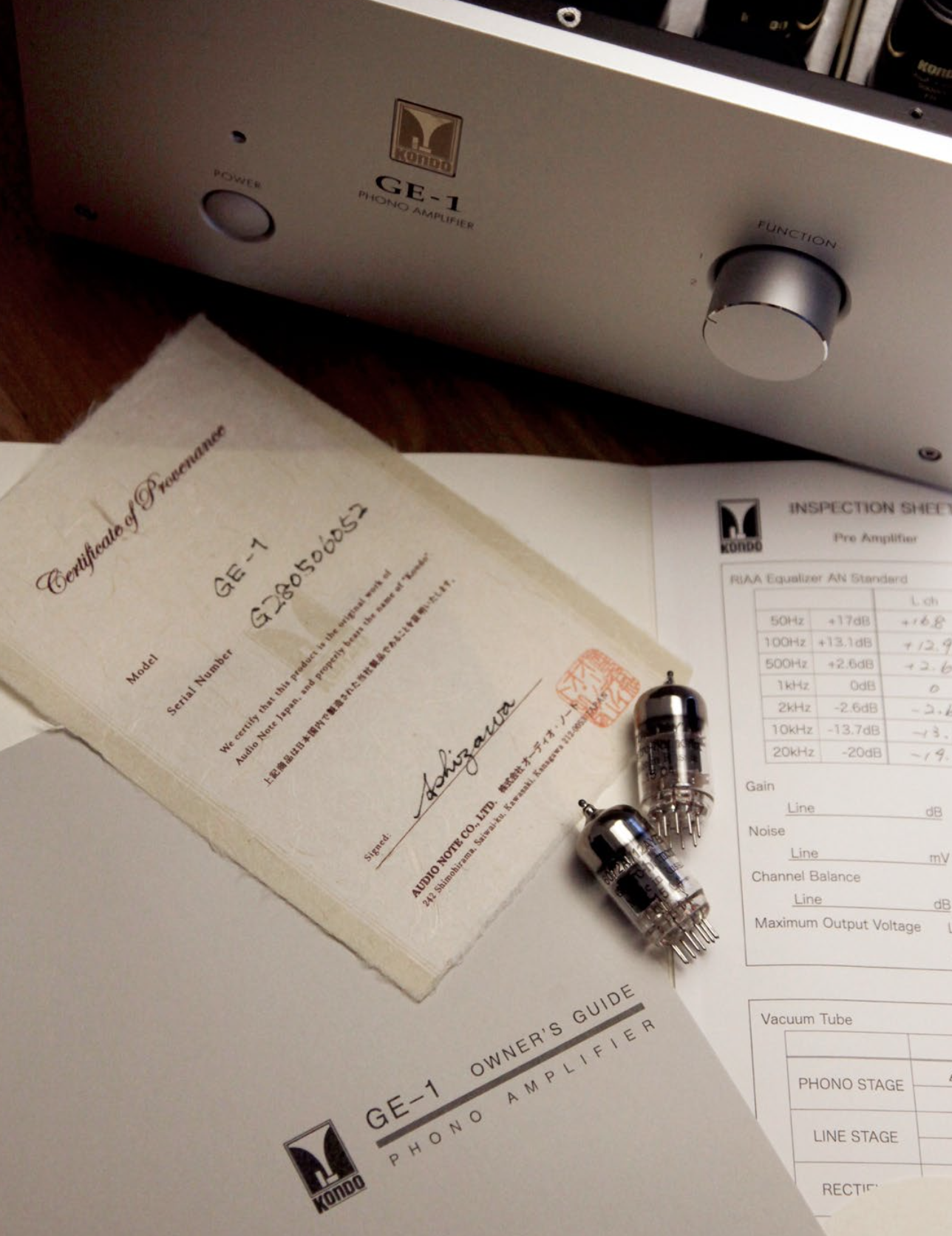
Kondo GE-1
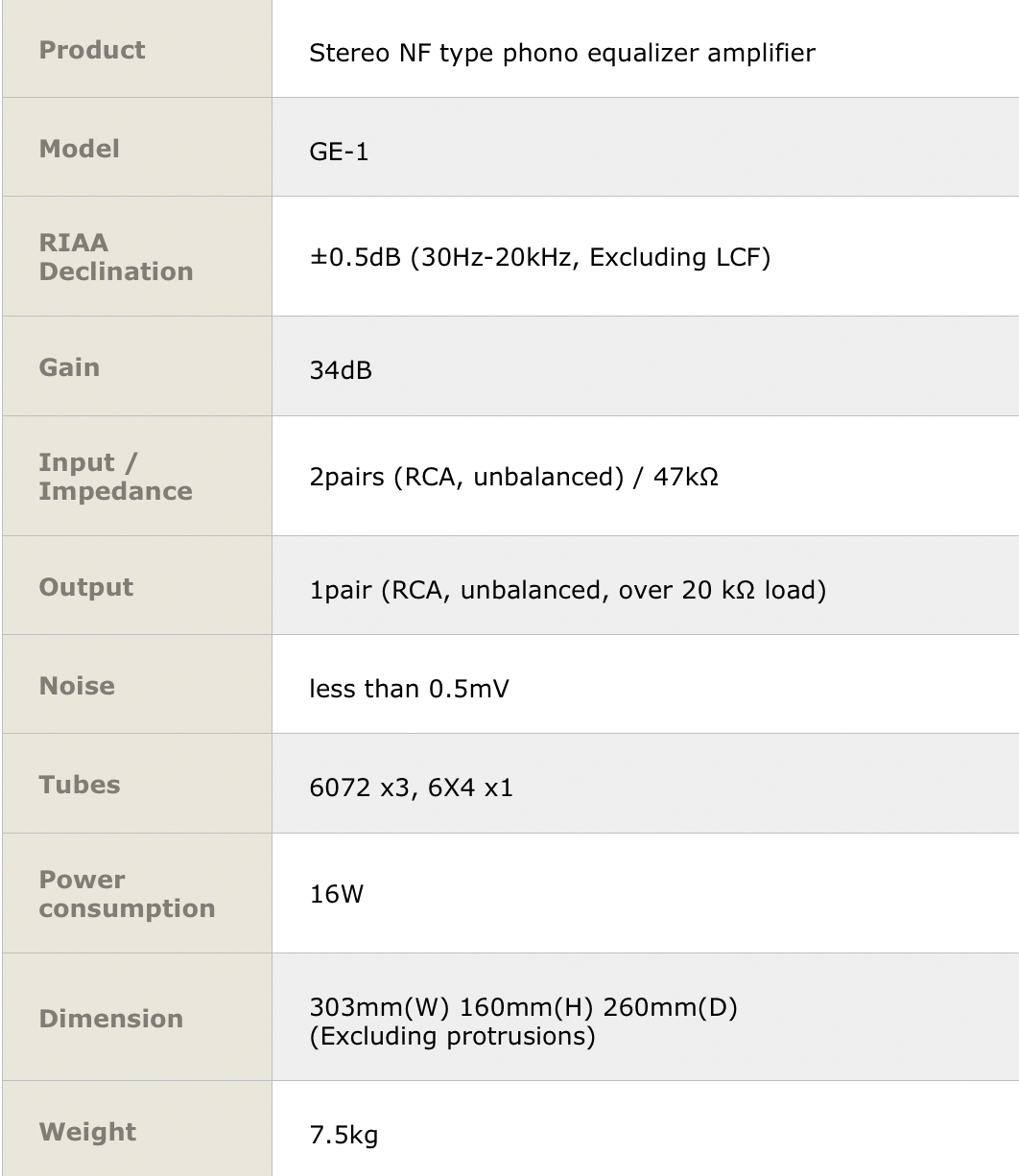
I bought this secondhand and re-tubed it with new Electro Harmonix 6072A tubes and a Philips/JAN 6X4 rectifier, which are what it is specified with from the factory. According to Kondo: “Designed to be the companion Phono amplifier of Integrated amplifier Overture and Pre-amplifier G-70, GE-1 gives the best out of analog playback with high definition and rich musical characters.
The newly developed phono amplifier circuitry is fuelled by a gigantic power supply section. This special design draws the charms out of all recordings no matter matching with vacuum tube or solid state amplifier.
With intimate and crystal clear sound, GE-1 will definitely fill your audio enjoyment with ultimate pleasures.”
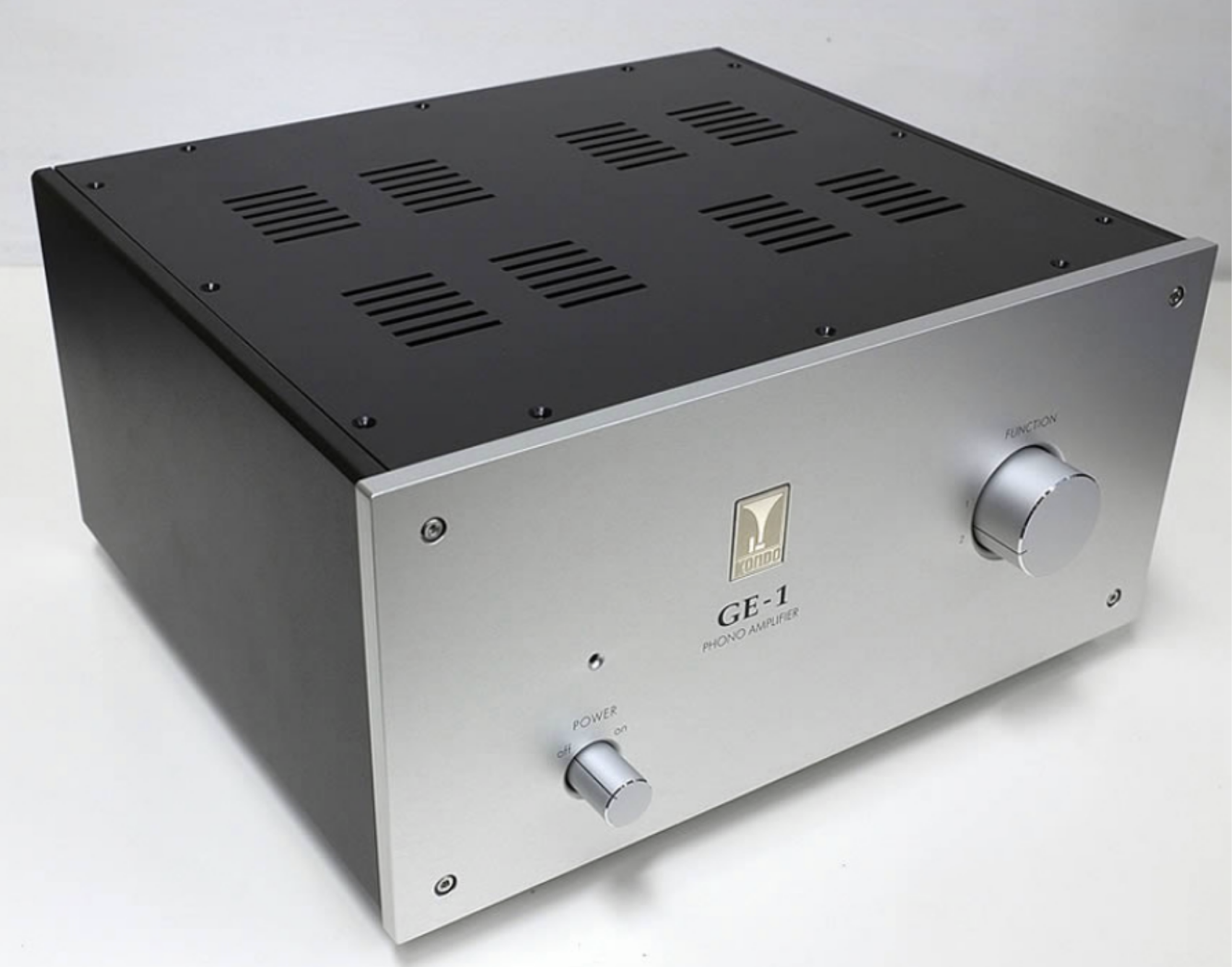
It’s a moving magnet phono stage only, and necessitates the use of a step up transformer to work with low output moving coil cartridges. It does have switchable load resistance set via a switch on the back, apparently it “works as a low-cut filter together with the output stage coupling capacitor. This design gives natural and gentle characteristics to the filter. No loss of sound quality while reducing rumble ingredients.” It is impeccably built as you would expect from these Japanese artisans.
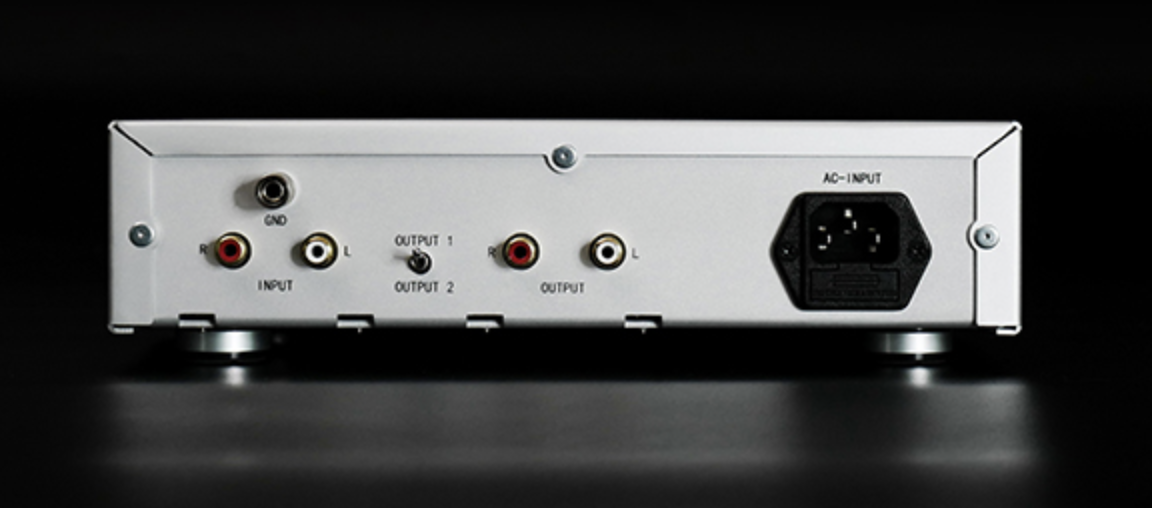
The DS Audio E3 equaliser is now a permanent part of my system, partnered with the E3 optical cartridge. Because optical cartridges don’t generate a conventional signal and need external power for the LEDs, this box is essential, it provides both the power supply and the correct equalisation curve. It also offers two output settings that slightly adjust the bass roll-off, which is handy for tuning the balance with different rooms or speakers.
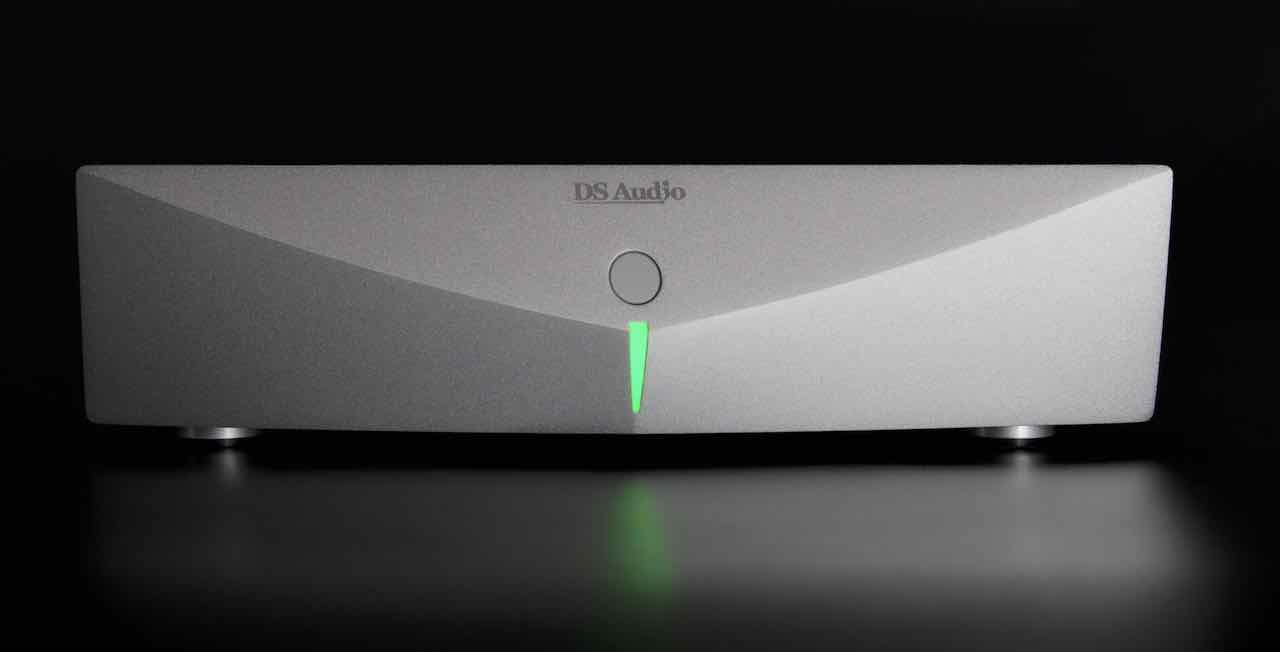
The E3 is the entry point into a whole family of DS Audio equalisers. Above it sit the DS-002, ES-001, and flagship models that use upgraded power supplies, more elaborate discrete circuits, and improved separation between channels. The clever bit is that the upgrade path is modular: any of the higher-level equalisers can be used with the E3 cartridge. So I can step up the electronics in the future and extract more performance without changing the cartridge straight away.
For now, the E3 EQ feels like a properly engineered gateway into optical replay, clean, quiet, and already showing off what this technology can do.


You must be logged in to post a comment.