
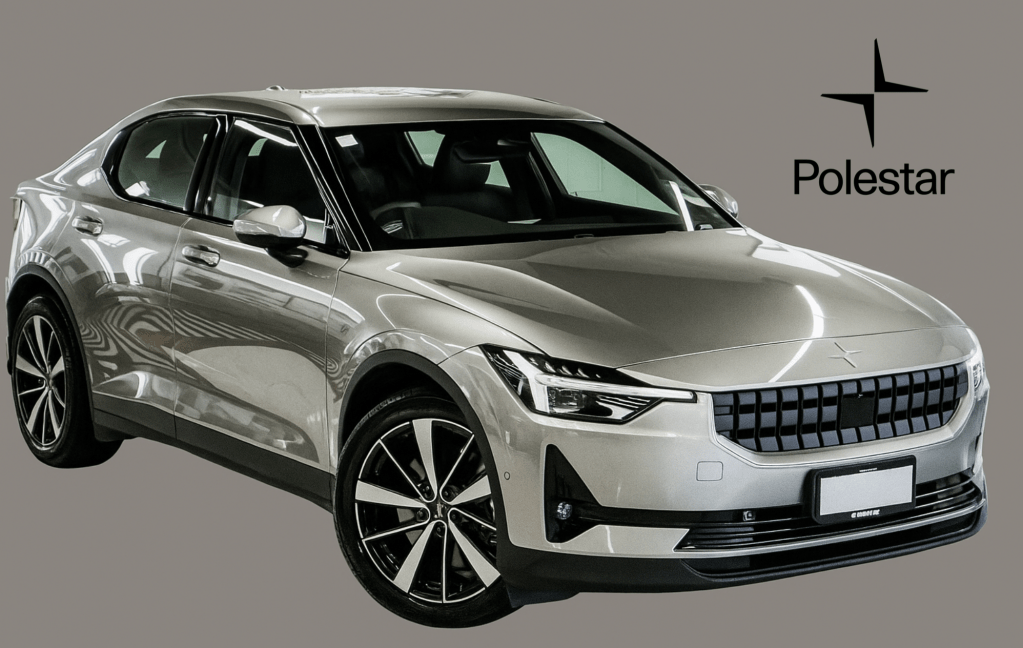
From a Peugeot 208 GT to a Polestar 2
I’ve always been passionate about technology and innovation, and recently, it’s not just audio where I’ve experienced significant changes, but in cars too. The transition from one car to another isn’t just about upgrading, it’s about redefining my experience behind the wheel. Swapping my Peugeot 208 GT for the all-electric Polestar 2 has been more than just a leap in technology; it’s been a shift in mindset, reflecting a commitment to sustainability and innovation, not to mention much lower operational cost. I had actually considered a hybrid for a while and had semi-decided on a Toyota CHR-GR, but this car came on to my radar and easily won out. Teslas were off the menu, mainly because Musk is a complete tool, and they are also so common. I wasn’t impressed with the build quality I have seen from them either.
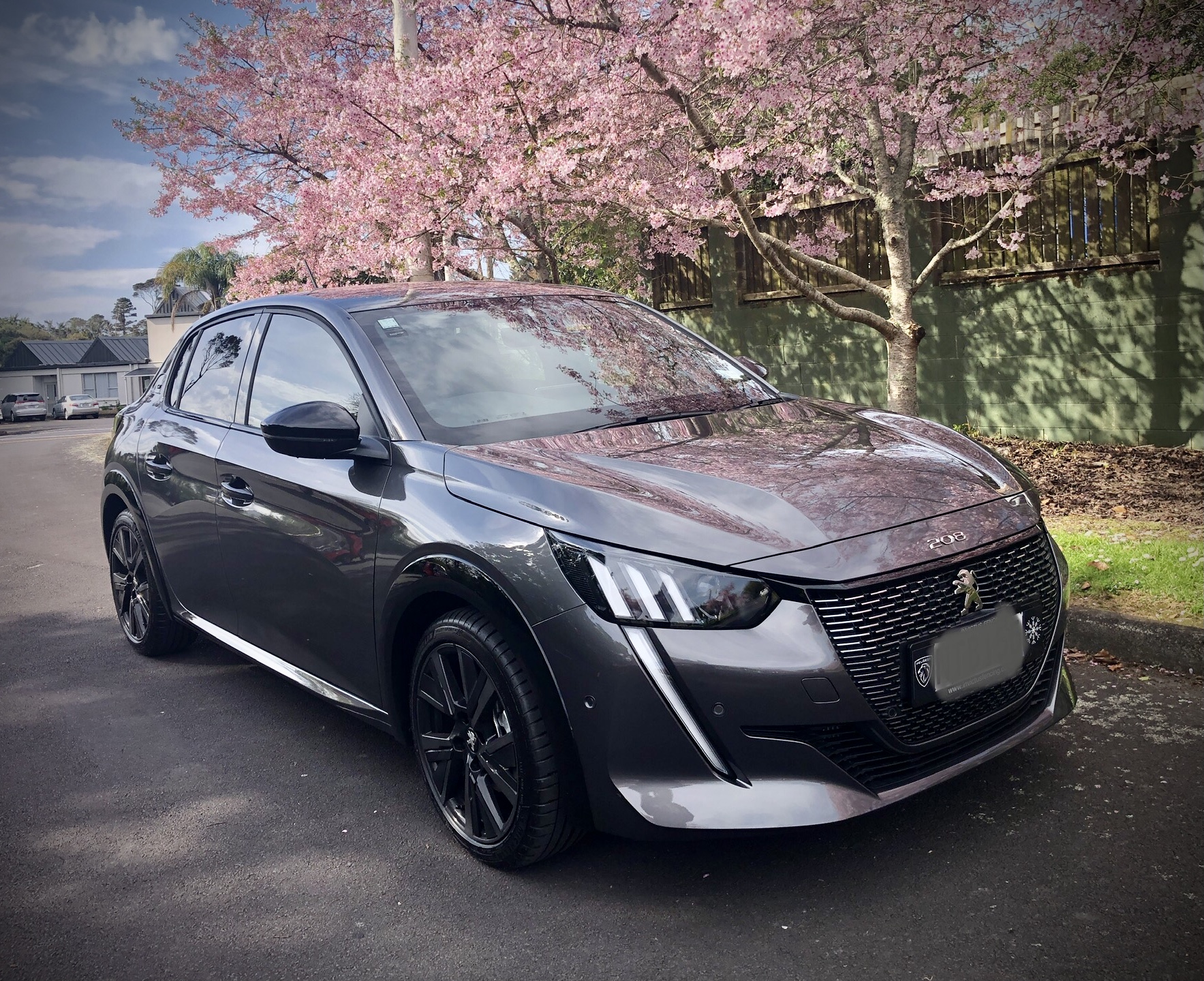
The Peugeot 208 GT
The Peugeot 208 GT was my companion for the past few years, a car I truly enjoyed driving. Its punchy turbocharged engine, sharp handling, and sporty design made it a joy on city streets and winding country roads alike. The compact driver-focused cabin was well-designed, and it always felt like the car was built to make driving fun. It was a really nimble cool car.
However, for all the things I loved about it, the 208 GT was still a product of the combustion engine era. While it offered decent fuel efficiency, I was increasingly aware of the running costs, emissions, and reliance on fossil fuels. I wanted something that aligned better with my values, and that’s where the Polestar 2 came in.
The Polestar 2: Redefining My Driving Experience
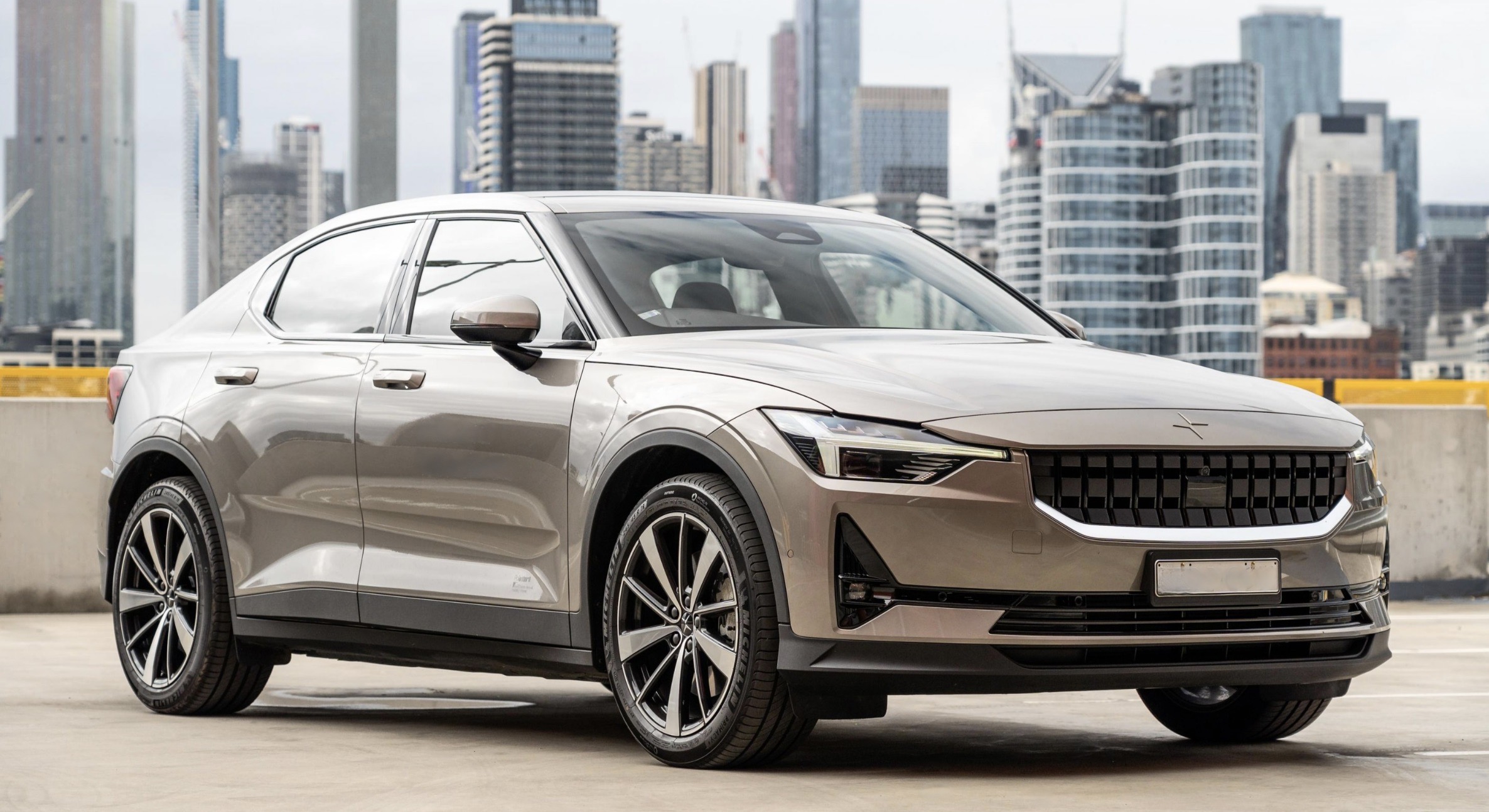
The Polestar 2 has completely redefined what I thought driving could be. Designed by Volvo’s electric-focused offshoot, it blends Scandinavian minimalism with cutting-edge technology in a way that feels effortless yet futuristic.
Coming from the 208 GT, the Polestar’s instantaneous torque was a revelation. The smooth yet exhilarating acceleration is something that takes bit to get used to. Definitely different to the Peugeot, and a world away from the Subaru WRX STi I had before that. Instant torque is cool. The single-motor configuration in my model provides a smooth and efficient drive, which has proven to be both practical and enjoyable in a variety of driving conditions.
Practicality I Didn’t Know I Needed
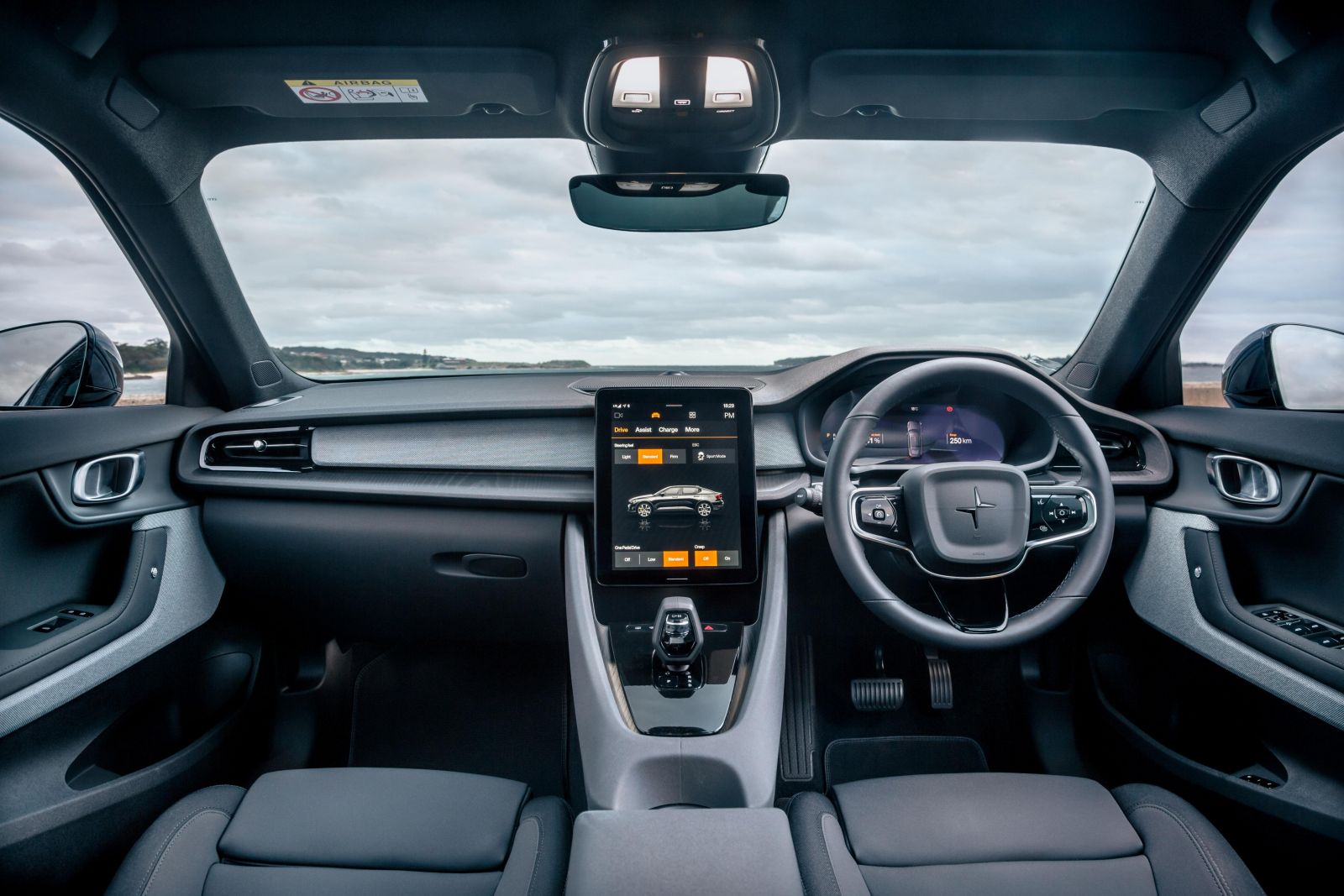
While the Peugeot 208 GT was wonderfully nimble and compact, the Polestar 2 takes practicality to a whole new level. The larger size, spacious interior, and hatchback design mean I now have far more versatility, which is extremely useful for all the sporting equipment I carry around a lot of the time. The digital-first approach in the Polestar 2 has also been a game-changer for me, the Google-powered infotainment system and over-the-air updates ensure that the car always feels fresh and up-to-date. I tend to use Waze for in car navigation and with Carplay it is very easy.
I’ll admit, I was initially concerned about charging infrastructure, but with a range of up to 470 km in my single-motor long range version and the growing availability of fast chargers, I’ve found it surprisingly easy to adjust. The charging process is really straightforward, and I am getting a nice charger installed at home as well.
A Change in Philosophy
Switching from the Peugeot 208 GT to the Polestar 2 has been more than just a change in cars, it’s been a change in philosophy. Driving the Polestar 2 isn’t just about getting from A to B; it’s about embracing a more sustainable, high-tech future. I’ll admit, I missed the engine noise and gear shifts of the 208’s turbocharged drivetrain at first, but the silent operation of the Polestar’s electric drivetrain has won me over with its refinement and torque delivery. Even with road user charges the running cost of the Polestar is about half of what it cost me to run even the small Peugeot petrol car. With petrol prices only really trending up it is nice to move away from that market. I’m grateful I no longer have my extremely thirsty (yet awesome) Subaru now. My power provider even has an EV discount rate, so charging at home during off peak hours is significantly cheaper. Also, the much lower servicing costs will be nice as well, with I think tyres being the major cost. Due to an EV being heavier you apparently chew through them a bit faster.

Final Thoughts
Transitioning from the Peugeot 208 GT to the Polestar 2 has been an interesting experience. It’s about trading the raw, analog appeal of a hot hatch for the refined, forward-thinking approach of an EV. I’m not a young idiot anymore, (more like an old idiot), so my days of turbo charged boy racer-ness are long gone. Of course if I could afford it I would buy an Aston Martin Vantage as well… but alas.
While I’m sure I will miss some aspects of loud petrol cars, the Polestar 2 has shown me what the future of driving can look like, efficient, exciting, and undeniably electric.


 Audio Satori
You must be logged in to post a comment.