
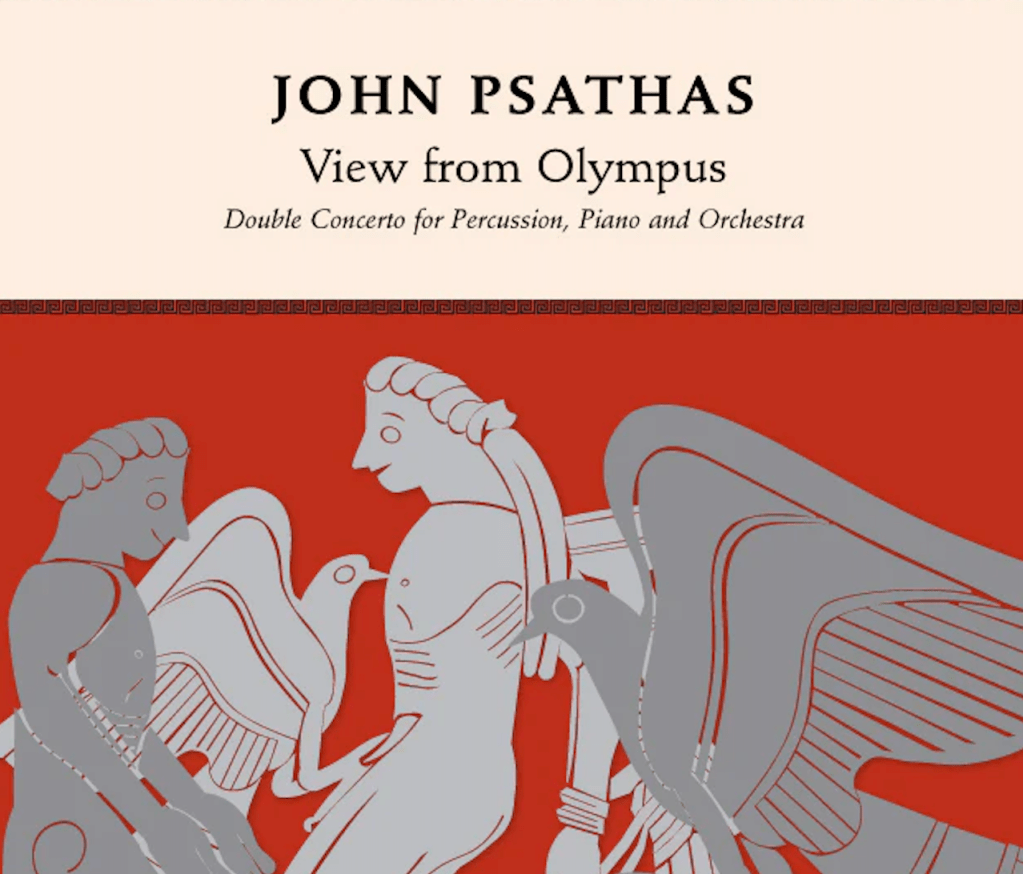
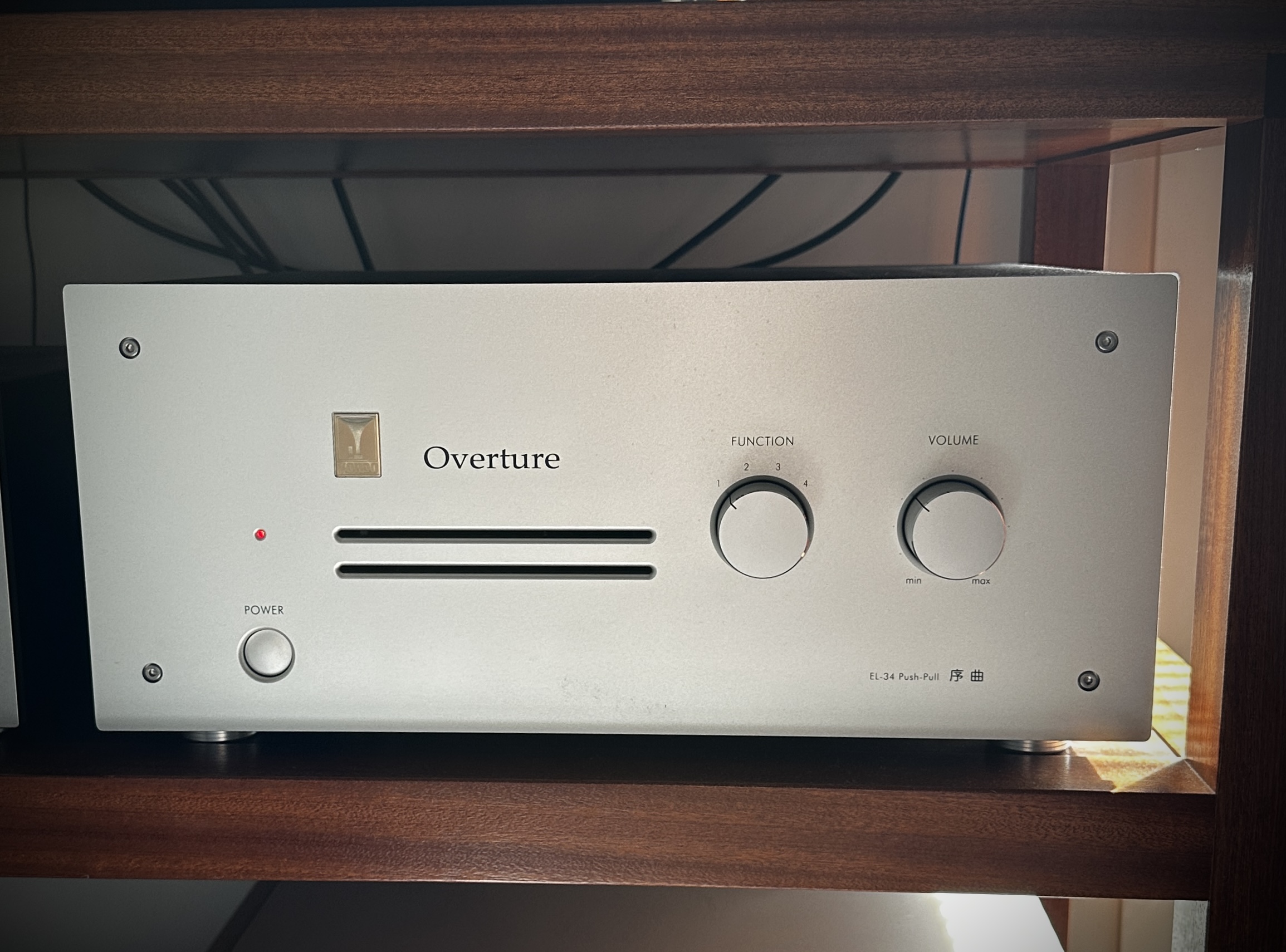
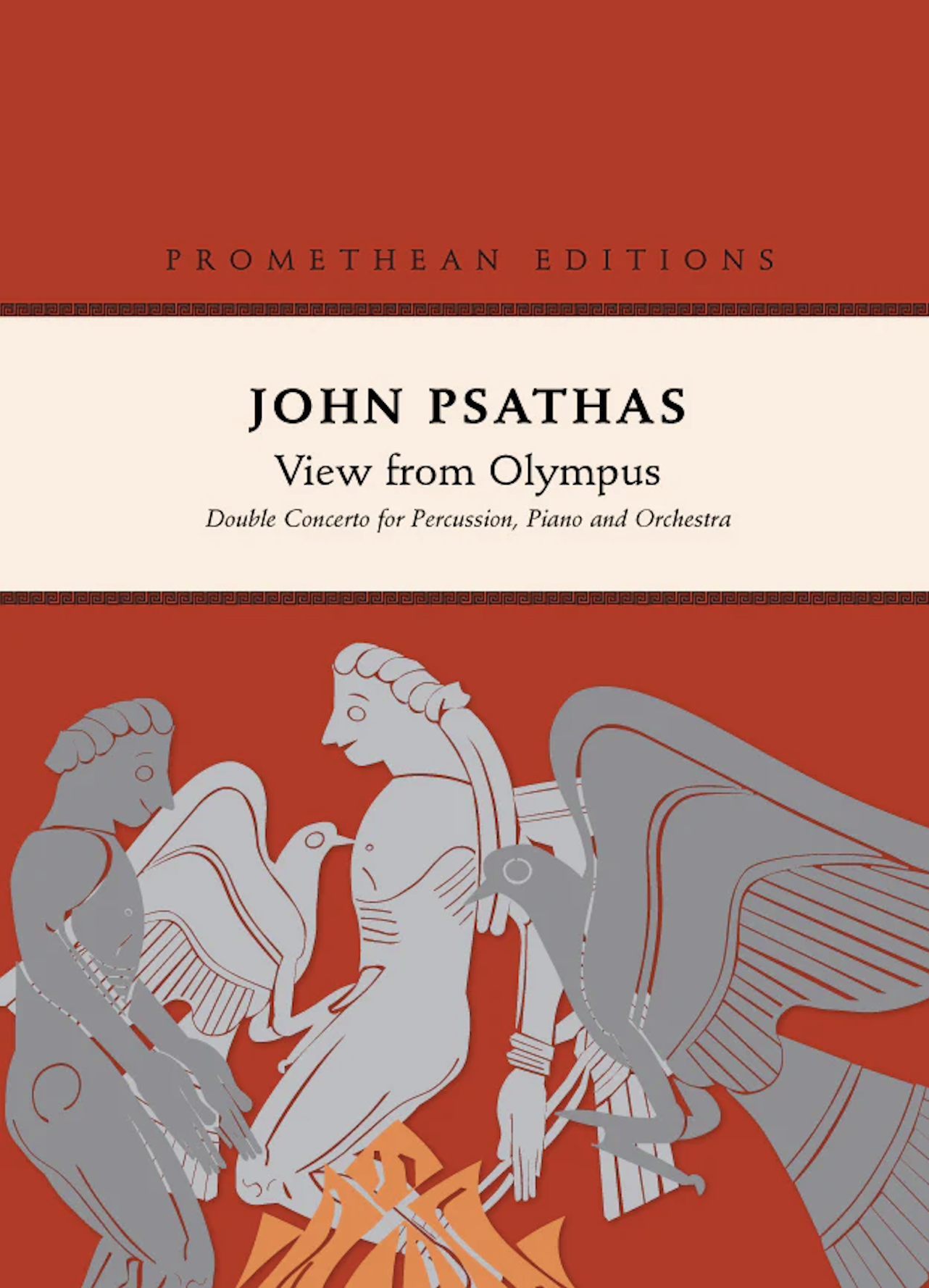
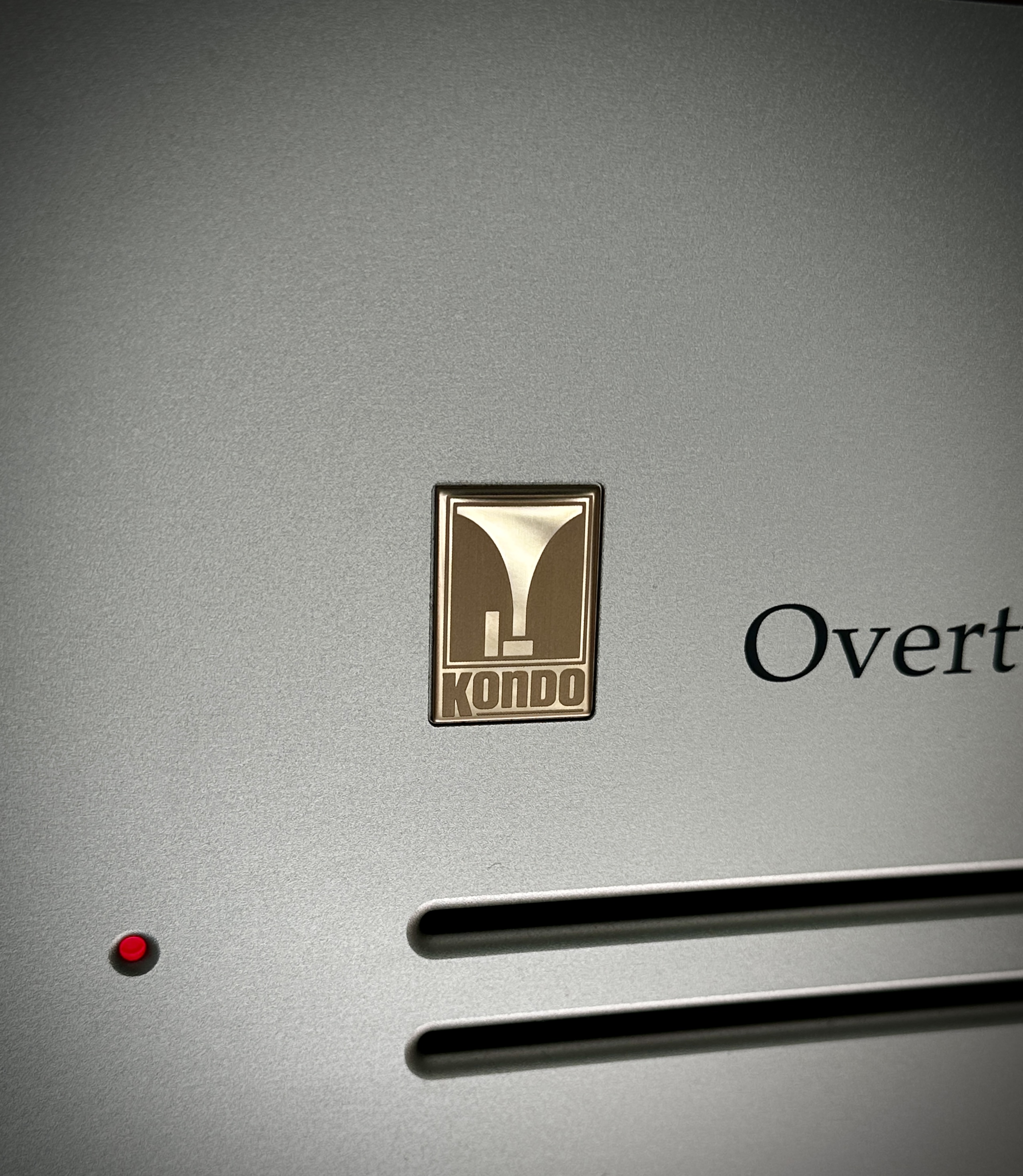
Today I finally had some time to sit down with my system and revisit an old favourite. I wasn’t expecting to be quite so taken aback. Fed by the Esoteric CD player and amplified by the Kondo Overture, then carried with articulate naturalism by the DeVore Fidelity O/Bronzes, John Psathas’ View From Olympus revealed itself as a sonic journey of rare depth. It really was an eye opener as to how capable this stereo system is.
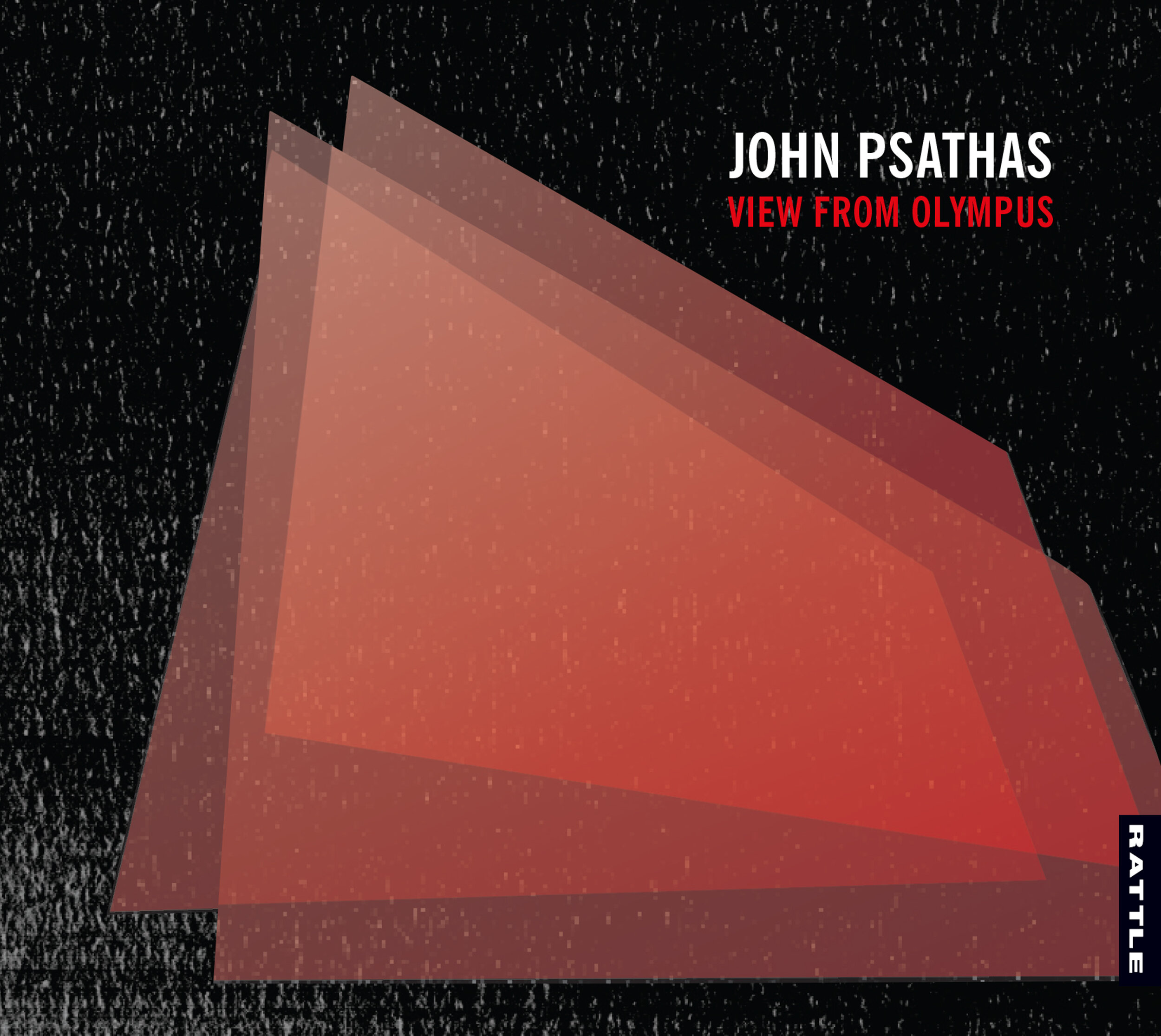
Often described as New Zealand’s most ambitious orchestral recording, View From Olympus transcends its reputation to become something personal and immersive. It’s music that fills the room not just with sound, but with presence, articulated in space, alive with detail, tone, and momentum. Through this system, it emerges with astonishing clarity and conviction.
Psathas, known internationally for his powerful ceremonial music for the 2004 Athens Olympics, has called this his most important work. “For me, this is bigger than anything I’ve done, bigger than the Olympics,” he says. “These are my strongest works, my biggest statements, and now they exist in the world.”
From the opening bars, Pedro Carneiro’s mallet percussion and Michael Houstoun’s piano playing shine with nuance, each note suspended in space, shimmering with harmonic complexity. The Kondo brings a natural warmth and liquidity to the mix, while the DeVores open up the soundstage with remarkable scale and finesse. There’s a Stravinskian vibrancy to the orchestration, but it’s unmistakably Psathas.
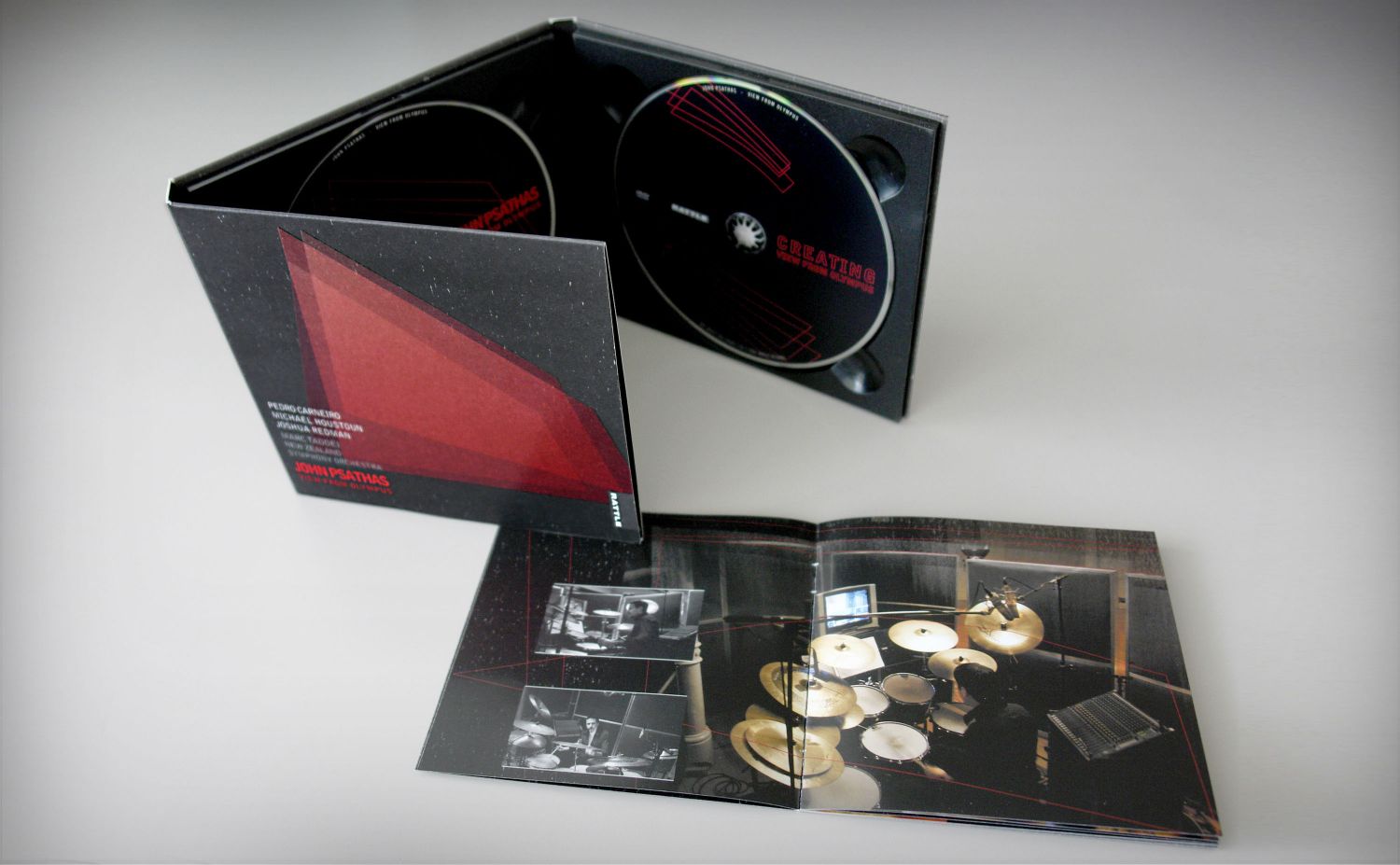
When Joshua Redman enters on Omnifenix, his saxophone tone is rich yet intimate, the breath behind each phrase rendered with startling immediacy. It’s the kind of texture and microdynamic shading that lesser systems blur, but with the Kondo/DeVore combo every contour of expression is illuminated.
And then the NZSO, under the sure hand of Marc Taddei, unleashes its full force. The ensemble scale in Three Psalms is commanding, with deep, grounded bass and a top end that remains open and composed. Even at full intensity, the system retained poise and tonal integrity. Lance Philip’s drum cadenza bursts with texture and tension before dissolving into stillness, while To Yelasto Paithi glows with intimacy and warmth.
The encore, Fragments, feels like an echo from another world, part Satie, part jazz reverie.
The recording itself is exceptional. Engineered by Graham Kennedy and Steve Garden, and mixed by Psathas himself, it captures not just the instruments but the air around them, every shift in mood, colour, and phrasing rendered with great care.
View from Olympus was commissioned by percussionist Dame Evelyn Glennie and has become one of John Psathas’ landmark works. His description of the work shows how he drew on his Greek heritage for inspiration:
1. The Furies – The Furies represent the avenging spirits of retributive justice who were charged with punishing crimes outside the reach of human justice. This movement contains an adapted transcription of a fragment of improvised playing by one of my favourite Greek violinists, Stathis Koukoularis (it appears as a solo for violin about 2 minutes into the movement)
2. To Yelasto Paithi (The Smiling Child) – This is the closest I’ve come to expressing – in a way not possible with the spoken or written word – the feelings inspired by my precious children. This movement also captures the summer I spent working on the concerto at my parents’ house just outside the village of Nea Michaniona – a house perched on a cliff which looks down on the Aegean and up to Mount Olympus.
3. Dance of the Mænads – Draped in the skins of fawns, crowned with wreaths of ivy and carrying the thyros – a staff wound round with ivy leaves and topped with a pine cone – the Mænads roamed the mountains and woods. When possessed by Dionysos, the Mænads plunged into a frenzied dance, obtaining an intoxicating high and a mystical ecstasy giving them unknown powers, making them the match of the bravest hero.
“In classical music terms, this is The Lord of the Rings,” Metro Magazine once declared. And while that may sound grand, there is truth in the scope and emotional sweep of this work.
Through the Kondo Overture and DeVore O/Bronze pairing, the music is not just heard, it’s felt. I suppose this is why we build systems like this: to be moved, surprised, and reminded of music’s capacity to connect us to something larger. I wish I could have been at the live performance.
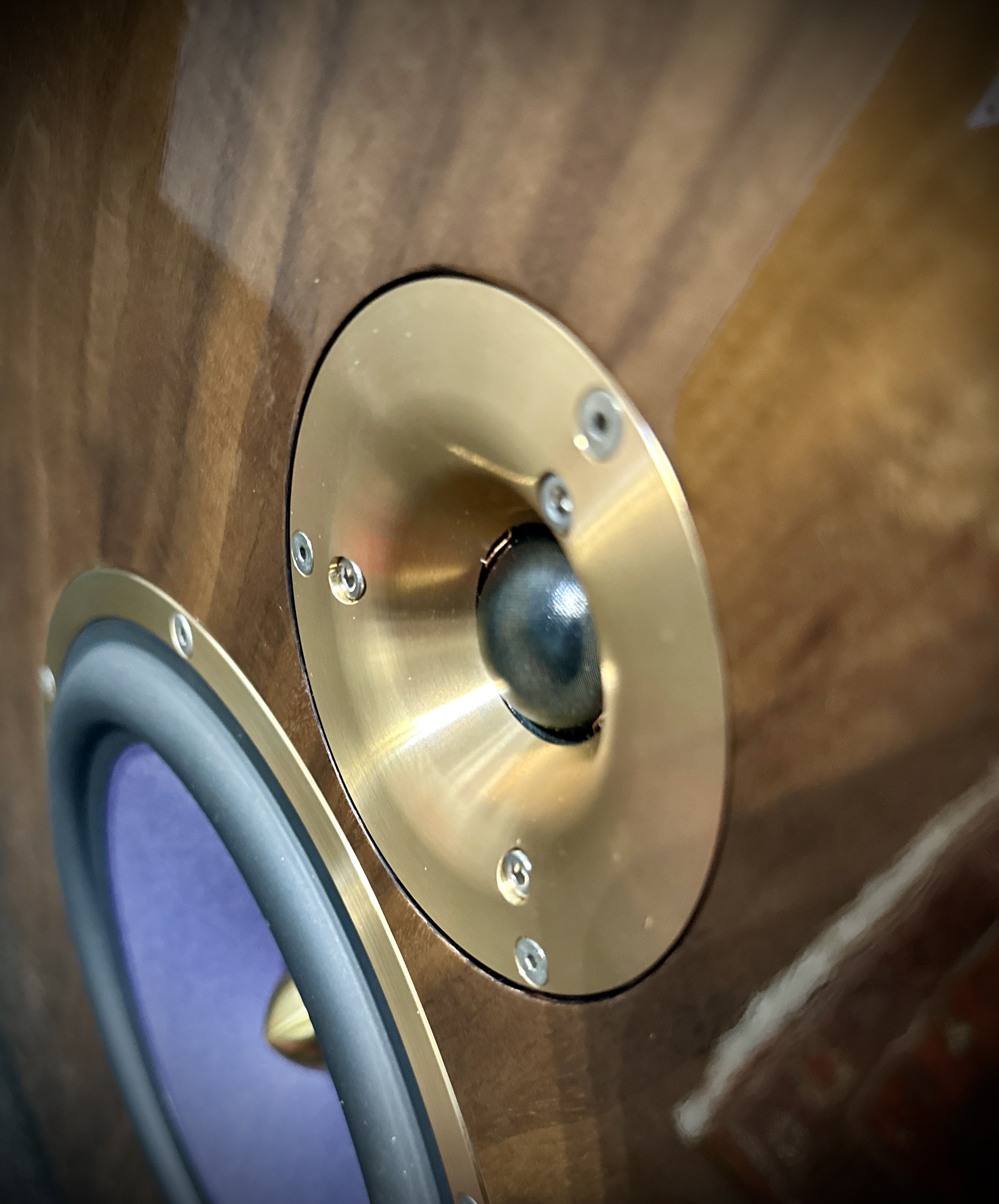
A final note of synergy: Marc Taddei, who conducts the NZSO on this recording, also happens to listen on DeVore speakers at home (the Gibbon Xs) paired with a Line Magnetic 845 valve amplifier. That the conductor responsible for shaping this music in the hall chooses a similarly voiced system for his personal listening speaks volumes. It’s a shared pursuit: of fidelity, honesty, and a kind of musical expression that breathes.
When both artist and listener are tuned to the same values, musically and sonically, the experience becomes not just memorable, but meaningful.


 Audio Satori
You must be logged in to post a comment.