
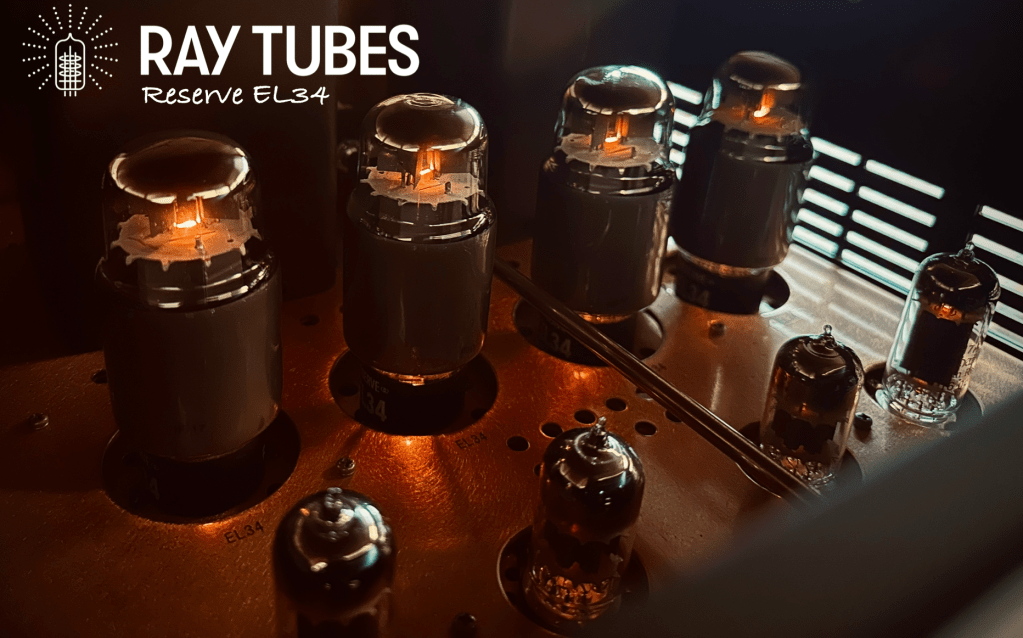
The Ray Tubes Reserve EL34
On my quest for new production tubes I came across a cool brand. Ray Tubes is a relatively new name in the boutique tube scene, but one that’s quietly redefining expectations for what modern production tubes can be. Founded by a team with deep roots in high-end audio, the company focuses not on nostalgia, but on building performance-driven, rigorously-tested tubes for demanding systems.

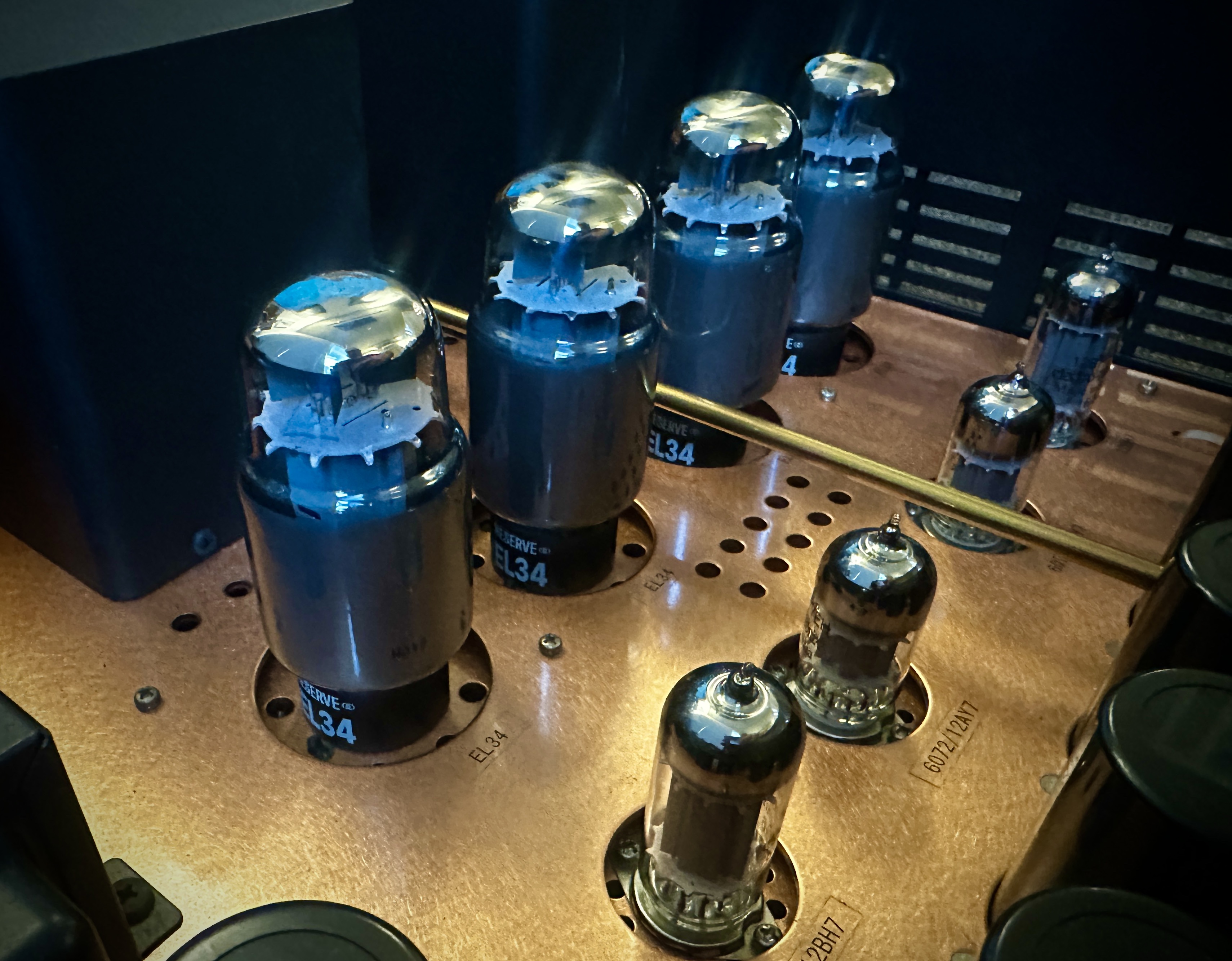
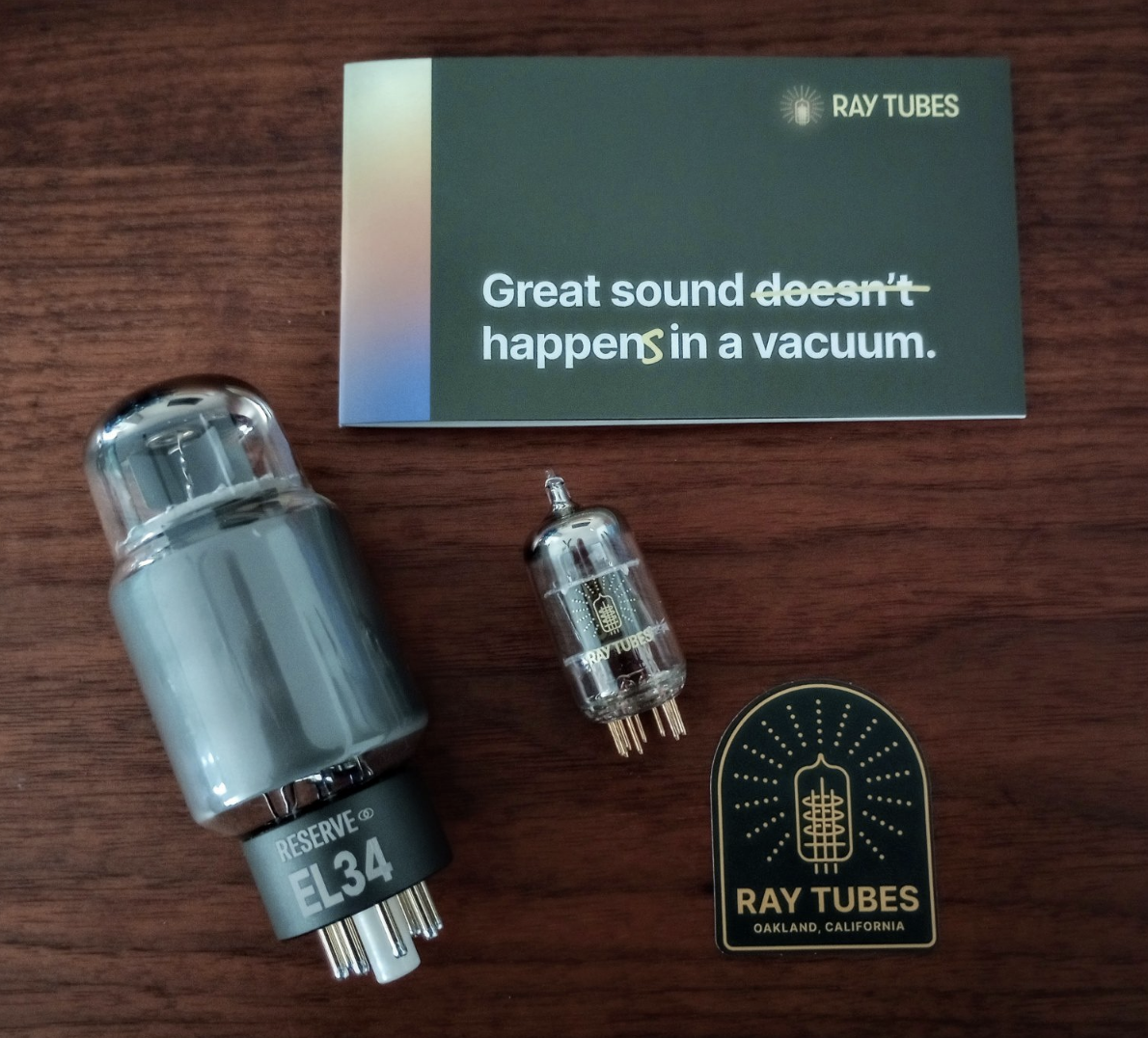
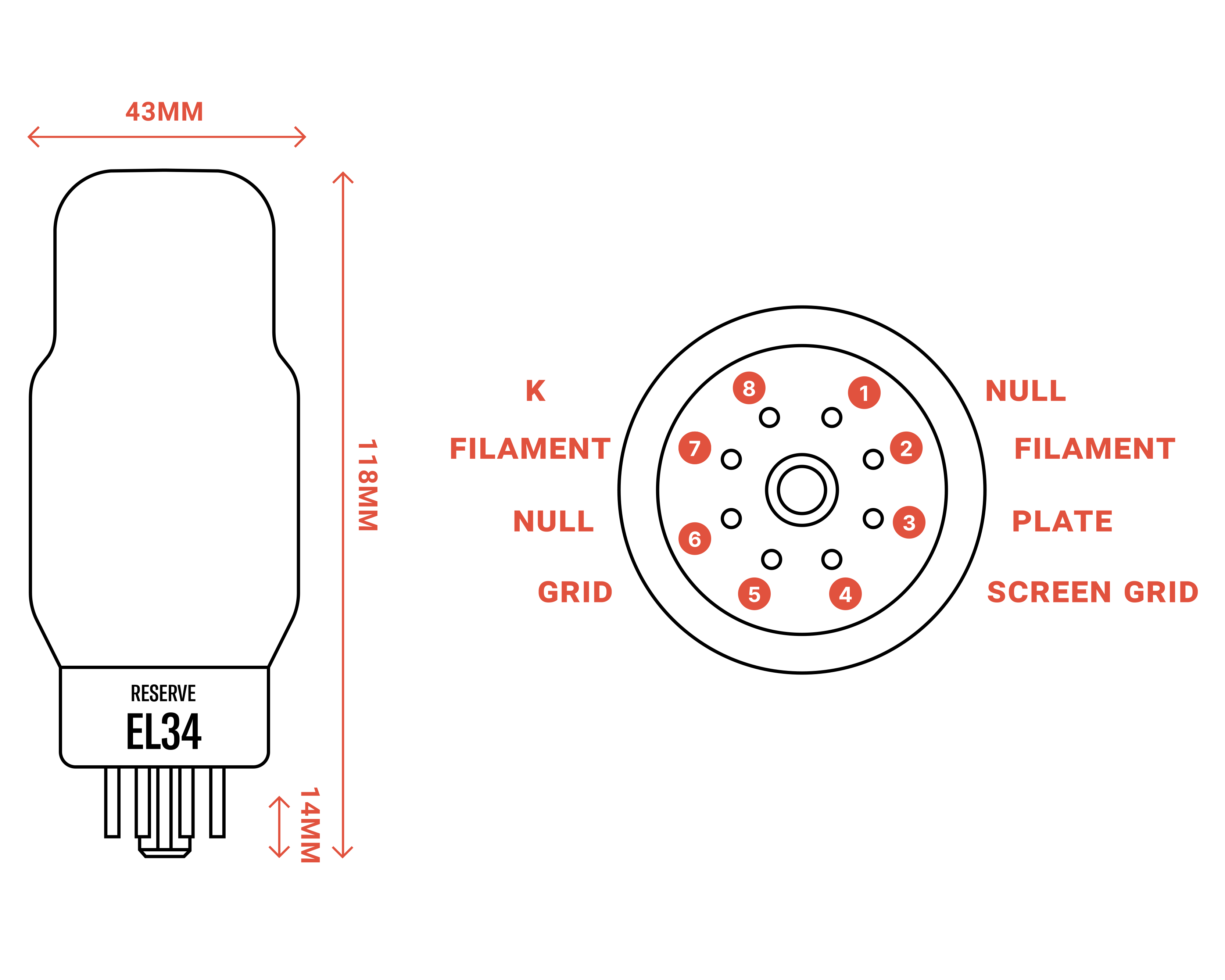
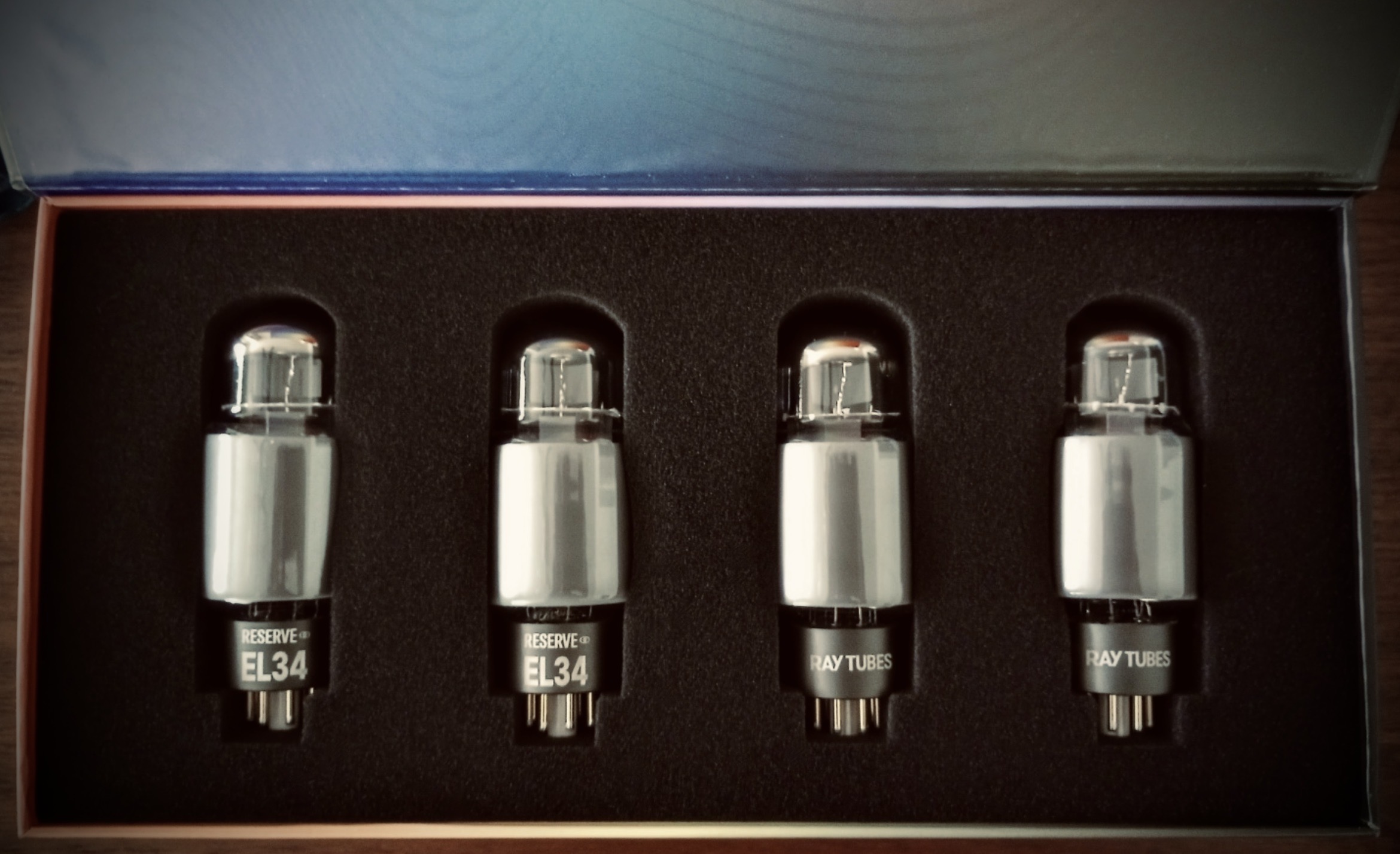
Their EL34 line comes in two tiers: the Select, a clean, fast, and well-balanced tube ideal for many modern systems, and the Reserve, a hand-selected, premium-grade version that undergoes strict electrical screening and listening tests. Apparently the Reserve delivers a smoother, more refined presentation than the Select, with a deeper, more spacious soundstage and a more analog sense of flow. It’s the clear choice when your source and speakers are revealing, or when musicality, richness, and effortless dynamics are your top priority. The RESERVE EL34s from Ray Tubes present a distinctly different visual profile compared to their Select counterparts. While the SELECT EL34s have a more standard glass envelope and modest internal structure, the RESERVE EL34 feature a noticeably larger ST type bottle with a dark carbon internal coating, thicker, more heavily treated plates and a more industrial, purpose-built feel. The difference isn’t just aesthetic; the Reserve series is hand-graded from small-batch production and uses higher-spec materials, including upgraded getters and more precise grid alignment. These visual cues reflect their intended purpose: maximum sonic stability, better thermal handling, and tighter tolerances for demanding audiophile applications. The screen printing on all the tubes is immaculate. Essentially, you can see the extra care and engineering before you ever hear it.
Getting in touch with Ray Tubes was refreshingly easy. I initially reached out via Instagram to ask about a few tube types they weren’t yet offering, and Nelson Wu, the CEO and one of the founders, replied personally. It didn’t take long for him to realise I was in the industry, and from there, the conversation opened up into detailed insight into their designs, QC process, and future plans. This kind of direct, engagement is rare and says a lot about how seriously Ray Tubes takes both their products and the community around them.
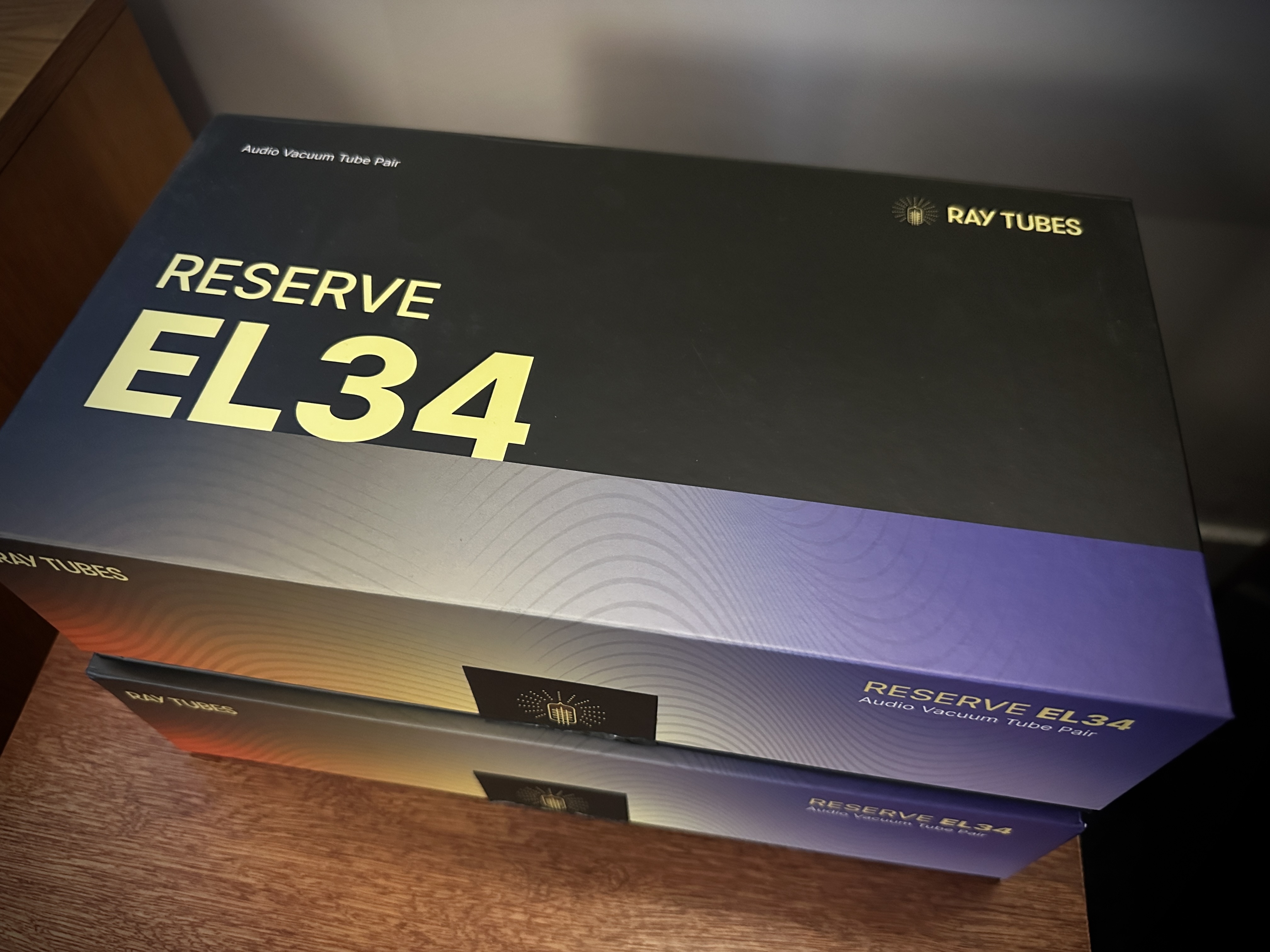
Build quality and presentation are exceptional. The RESERVE EL34s arrive in sturdy, elegant packaging, complete with matched pair documentation, traceable measurements, and a clean design that speaks of substance over hype. They feature gold plated pins for superior conductivity, and a monocrystalline carbon coating that improves heat dissipation and blocks internal noise, allowing for faster, cleaner electron flow. Nelson also told me that they apply a longer vacuum cycle during the manufacture of the tubes, which results in a harder vacuum, and resulted in lower noise floor and far fewer issues with microphonics. Even the finer details, like a subtle Ray Tubes sticker tucked in the box, suggest thoughtful design at every level.
Ray Tubes backs all this up with a 12-month warranty and 30-day return policy, both virtually unheard of in the vacuum tube world. I think only the new production Western Electric 300Bs have better, and maybe the Japanese Takatsuki 300Bs too.
Their QC process seems pretty robust:
- <5% pass rate: Only the best tubes are accepted for the Reserve line
- 24-hour burn-in: To detect early failures and stabilise electrical behaviour
- Current draw and amplification factor analysis
- Microphonics testing under physical stress
- Actual amplifier testing—not just on a bench
- Listening evaluation by audio professionals on randomly selected samples
All of this is essential, but what really matters is the sound.
Listening
Installed in the Overture and driving the O/Bronze speakers, the RESERVE EL34s immediately revealed their character: effortless naturalism with drive, a deep black noise floor, and a command of space and dynamics that is both refined and deeply engaging. I was warned they would take at least 48 hours to start to really reveal themselves, and it proved to be the case.
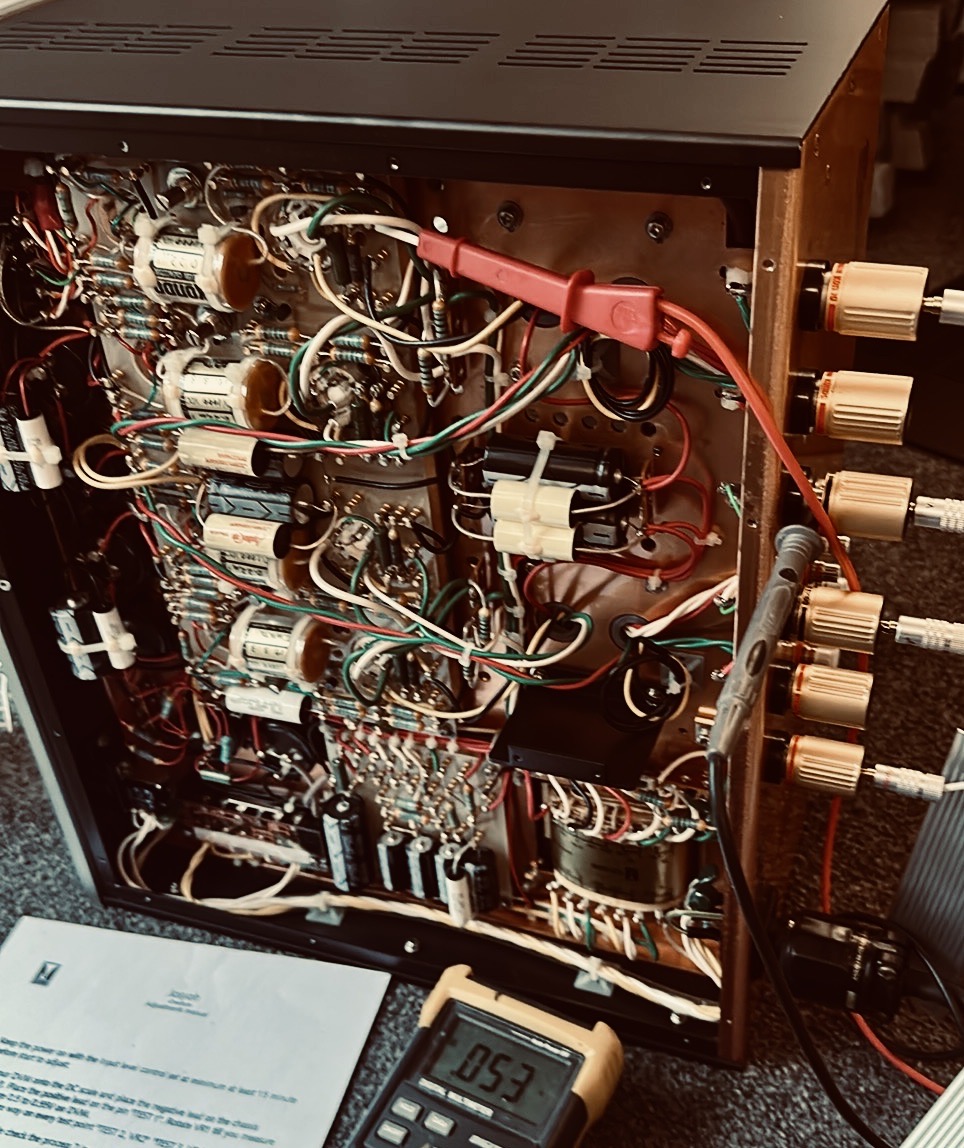
Now, it has to be said: biasing the Overture is not a trivial task. It requires partially disassembling the amp, removing the top and bottom plates and navigating the internals with the kind of precision you don’t want to rush. And I’ve done that three times this month, chasing down different tube sets. It’s tedious. So when I say the RESERVE EL34s earned their place, I mean it. I wouldn’t go through that unless the payoff was absolutely worth it.
And it did take a little time. After a few days at home on the couch with seasonal plague I had the chance to dedicate some time and listen to them change. While the tubes sounded pretty good from the outset, they didn’t fully bloom until after around two days of solid listening. This aligned exactly with what Nelson told me to expect. At that point, the midrange relaxed, the treble extended with more ease, and the overall soundfield began to stretch wider and deeper. The dynamics also opened up, there was more swing, more breath, more space around transients. Once they settled, the character shifted from good to special.

Musical Impressions
On Heilung’s Futha, the layered throat singing, skin drums, and distant atmospherics unfolded with eerie dimensionality. You don’t just hear the stage, you feel its depth. The low-level ambient effects hover like smoke, while the deep percussive strikes land with visceral weight and zero smearing. On the Lifa live album, especially the opening track In Maidjan and closer Hamrer Hippyer, captures a scale and intensity that feels almost otherworldly, like being right there at the event. That same sense of presence and impact is exactly what the RESERVE EL34s bring to your system. They deliver that kind of immersive, larger-than-life soundstage with deep, powerful lows and crisp, detailed highs. Listening through these tubes, you get that live energy all over again, real and immediate. The drums are truly amazing.
With Wardruna’s Kvitravn, the tubes helped preserve the aching natural textures of the vocals and traditional instruments while maintaining composure during swelling choral peaks. There was never a sense of compression or loss of grip, even in the most saturated climaxes, the harmonic structure stayed intact and stable. On the Skald album, the closing track Helvegen, especially shines when you can hear the quiet spaces, the subtle background textures and the crisp percussiveness of the lyre plucks. The RESERVE EL34s help bring all that out with clarity, letting those delicate details breathe without losing their presence. At the same time, they add weight and gravitas to Einar’s voice, making it feel powerful and deeply emotive, like the perfect balance between intimacy and strength.
Switching to Mgła’s Exercises in Futility, there was a definite sense of grip and transient accuracy. The amp didn’t lose articulation or focus through walls of tremolo guitars and relentless drumming. Instead of collapsing into haze, the aggression was organised, textured, and commanding without ever sounding mechanical.
With Dead Can Dance’s Into the Labyrinth, particularly on “The Wind That Shakes the Barley,” the RESERVE EL34s delivered a lush yet unexaggerated midrange bloom that made the performance feel viscerally present. Lisa Gerrard’s voice hovered with full-bodied clarity, while delicate ambient details in the recording space shimmered and receded with realistic decay. On Within The Realm of a Dying Sun, the closing track Persephone (The Gathering of Flowers) truly stands out. The RESERVE EL34s bring out the quiet, haunting layers in the background, highlighting the delicate percussiveness of each note with remarkable clarity. At the same time, they add a deep, resonant weight to the vocals, giving them a profound gravitas that pulls you into the song’s core, making the whole experience feel both intimate and powerful.
The Cinematic Orchestra’s Man with a Movie Camera showcased a remarkable sense of timing, layering, and spatial depth. The interplay of jazz-inflected rhythms, ambient textures, and live instrumentation felt deliberate yet fluid, each element placed with cinematic precision. There was no harshness or artificial sheen, just an effortless flow and natural dynamism that gave the impression of a living, breathing performance unfolding in real time.
As I was listening I was chatting with a friend via text and he reminded me of this album and how ruthlessly revealing of a systems performance it can be, so I gave it a spin, Duke Ellington & Ray Brown’s This One’s for Blanton, the tone of Ray’s bass was rich, physical, and harmonically detailed, while Duke’s piano had a percussive integrity and breath that only a truly transparent tube will preserve. These kinds of minimalist jazz recordings expose flaws ruthlessly, but the RESERVE EL34 let the music remain intimate without being romanticised, dynamic without being analytical.
In every case, the experience wasn’t just “good for a modern tube.” It was immersive, honest, and captivating.
Compared to the Psvane EL34PH and Siemens EL34
The Psvane EL34PH carves out a distinct identity. Inspired by the legendary Philips metal-base EL34, it offers a rich, romanticised tone; lush mids, a softly lit stage, and a vintage sense of grandeur. It brings a certain warmth and presence that can be deeply engaging. But it’s not a neutral tube. The highs can verge on splashy, the bass is rounded rather than tight, and its character-driven voicing can come at the expense of clarity and precision. It favours mood and colour over strict accuracy, an appealing trade-off for some, a limitation for others.
The Ray Tubes RESERVE EL34 doesn’t try to sound vintage, it sounds modern and incisive. It’s more linear, more resolved, and more grounded. Bass is firmer and faster. The midrange is pure and unforced. The treble is extended and grain-free.
In transparent circuits like the Kondo Overture, that difference becomes not just audible but undeniable. The RESERVE EL34 simply unlock more of what the amp is capable of.
Compared to the Siemens/Mullard EL34, the RESERVE EL34 immediately stands out as the more modern and dynamically confident tube. The bass is punchier, goes deeper, and carries more textural information, where the Siemens can sound polite or a touch loose down low, the Ray Tubes bring a sense of grounded authority. The background is notably blacker, which enhances low-level detail and allows layering in the soundstage to unfold with more depth and separation. Imaging, in particular, is a strength, instrument placement feels more locked-in and dimensional, especially on complex recordings. While the Siemens still has that fast, clean upper midrange and a classic agility, the RESERVE EL34 feels more complete and engaging from top to bottom. The Ray Tubes still sound ‘tube-y’ though if that makes sense, but an incisive sort of tube-y, not lush romantic rose tinted glasses tube-y. I’m lucky to have the option I guess.
Final Thoughts
There’s an entire niche industry built around NOS tubes complete with dealers, collectors, forums, and entrenched opinions. For many within this circle, the mystique of vintage glass is more than just tone; it’s identity, currency, and legacy. New production tubes, no matter how well-made, can be seen as a threat to this ecosystem. Some NOS loyalists may scoff at or even actively discredit modern designs, not necessarily because they’ve heard them, but because acknowledging their merit could undermine the value of their carefully guarded stashes and the narrative they’ve invested in. But I don’t see it as a zero-sum game. The two can, and should, coexist. NOS offers a glimpse into the past, often with undeniable sonic magic, but by their very nature, they’re a diminishing resource, with a finite lifespan both on the shelf and in use. New production is essential, not just to keep gear running, but to carry the spirit of the art forward. Some NOS tubes were produced in the squillions and remain plentiful, we’re likely safe with regard to those for the foreseeable future, but others, especially the more sought-after or sonically revered types, are increasingly endangered. Others, like the amazing F2a will never see a reissue. The applications are too limited, sadly.
Some will dismiss these as “just rebranded Psvanes.” Maybe Psvane is behind the glass, but that’s not the whole story. There are extra steps here; parts selection, matching, testing, build process, and the kind of QC that most brands don’t bother with. Ray Tubes has been known to reject entire production runs if they don’t meet spec. That’s not marketing; that’s refusal to compromise. Between the build, the sound, and the warranty, they’re more than fair value, they’re one of the modern production tubes I wouldn’t hesitate to trust, which is more than I can say about some others.
Tom Gibbs at Positive Feedback magazine did a good review of the tubes as well. As did Rick Coste on his Joy of Vinyl Records channel. Well, his is more an overview of Ray Tubes and his experience with the Reserve 6SN7s. Worth a watch:
I should be clear: I’m not a reviewer (with all the caveats that apply), primarily I’m just an enthusiast sharing my impressions after spending actual time with these tubes in a real system. If you’re happy chasing down NOS treasures, all power to you, there’s genuine fun and reward in the hunt, and sometimes magic in the result. For me, the risk vs reward no longer adds up, at least for output tubes. Small signal tubes tend to last longer and cost less. Between skyrocketing prices, uncertain provenance, and lifespan variability, I just want to install something I can trust and enjoy. Don’t get me wrong, I’m not saying NOS aren’t good, of course they are, but I am not interested in gambling. Probably says more about my fiscal conservativeness than anything. I may eventually try the TAD Redbases as well, but for now I have enough tubes to satisfy my curiosity, at least as far as power tubes go. I’d rather listen to more music than muck around swapping tubes and rebiasing my amp. They definitely make the system seem quieter, more cohesive and impactful now, and I have no desire to change them out, although that could also have something to do with having to go through the tedious rigmarole of rebiasing the amp again… if they weren’t good though, I would do it. After a few months rolling through four different tube sets, I can say this: they all sounded good. Different, yes, each with its own fingerprint, but none of them were total arse. That whole idea of a “magic tube” transforming your system? It’s part myth, part misunderstanding. Tubes matter, but they’re just one voice in the choir. The real soul of the sound comes from the whole circuit, the design choices, the quality of the transformers, how everything’s voiced and wired. A great transformer or a well-thought-out layout will speak louder than any fancy glass bottle. Still, get the right tubes in the right circuit, and the synergy can be something special. Of course, unlike tubes, you can’t just swap out transformers or redesign a circuit on a whim. They’re baked into the architecture, foundational, and not tweakable. And so, what we end up with is a kind of fetishisation of the things we can change. Tubes, cables, fuses, isolation feet, anything visible, tactile, and user-accessible, start to carry a weight of importance that often exceeds their actual role in the sonic picture. If these same parts were buried deep in a sealed box, never meant to be touched, we might not give them a second thought. But because we can fiddle with them, we do. And in doing so, we sometimes lose sight of the forgotten significance of the parts we can’t.
Real music lives in its dynamics , the way it moves, breathes, and surprises. You need headroom for that full-bodied crescendo to rise without strain, macro-dynamics that let the music expand freely. But it’s also about the smaller details: micro-dynamics that bring out the subtle textures, the quiet inflections that make a performance feel human.
And there’s more than just rhythm or tempo. Real musical flow includes a sense of time in the way sounds decay, not just ending, but unfolding. Harmonics bloom and fade, leaving a trail that creates depth, space, and atmosphere. It’s in that natural decay that a recording captures not just the instrument, but the room, the air, and everything in between.
This is how music gains dimension, not through effects or tricks, but by honouring the way sound lives and fades in real time. It’s what separates good hifi from superlative hifi. Any vaguely competent system can produce awesome bass or extended treble, but dealing with the spatial subtleties and reverb decay and interplay is something else. It’s the sort of thing that tends to get lost with big transistor amps and multidriver speaker arrays.
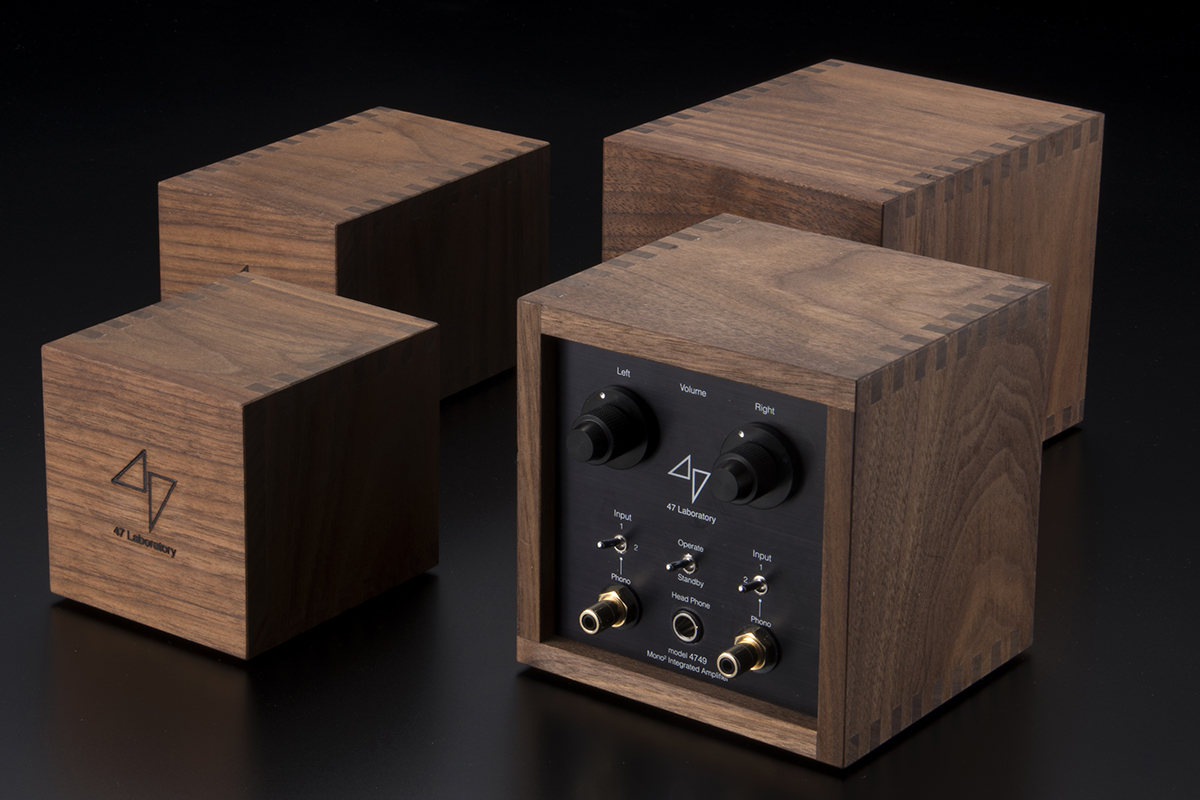
I think tubes manage this much more credibly than most solid state designs, although there are a few transistor implementations that have surprised and impressed over the years, like the old Audiosector Patek amps, and more recently the Robert Koda designs, also the old Lyra Connoisseur preamps and phono stages from back in the day. I’d also like to hear some 47 Labs stuff sometime.
Modern production tubes often ask us to compromise. To accept weak QC, exaggerated voicing, or inflated pricing dressed up in vintage nostalgia.
The Ray Tubes Reserve EL34s are the exception. They’re not “great for a new tube.”
They’re just great. They deliver tonal balance, scale, and dynamic authority with a confident clarity that makes you forget you’re listening to a piece of gear at all. It’s a tube that justifies its price through execution, design, testing, musicality, and consistent performance.
And honestly, their performance helps solidify my position on the whole NOS debate. When a modern tube like this can sound this resolved, dynamic, and emotive, without the gamble of questionable provenance, inflated prices, or aging internals, there’s simply less reason to chase the ghosts of the past. Great sound doesn’t have to be old. It just has to be done right. Ray Tubes is doing it right.


 Audio Satori
You must be logged in to post a comment.