

DS Audio DS-E3 Optical Cartridge
A few years back, I heard a DS Audio optical cartridge. I didn’t quite realise what it was doing at first, just that it sounded different. Not better in the usual audiophile checklist way, but clearer. Like fog lifting. I didn’t understand exactly how it worked, but I knew I’d end up owning one someday, turns out that someday is today.
When DS Audio announced their third-generation entry-level model, the DS-E3, I didn’t hesitate too long. Optical cartridges have long held a strange pull, both for their sonic potential and their technological purity. Light, not magnetism, generating the signal. It’s conceptually elegant, bordering on utopian.
It’s sort of retrofuturism in the extreme in a way. Using advanced modern technology to reproduce a seemingly obsolete format.
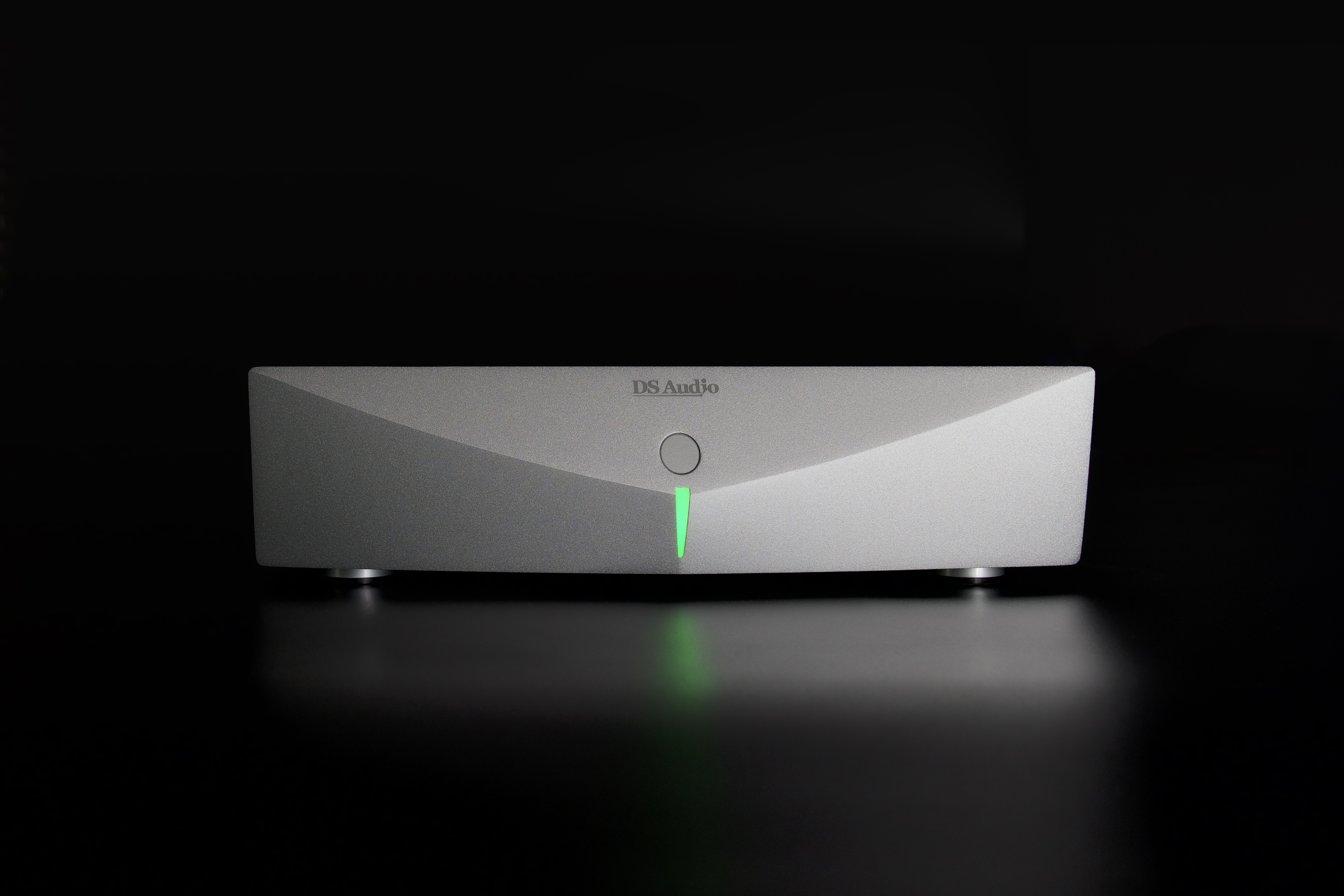
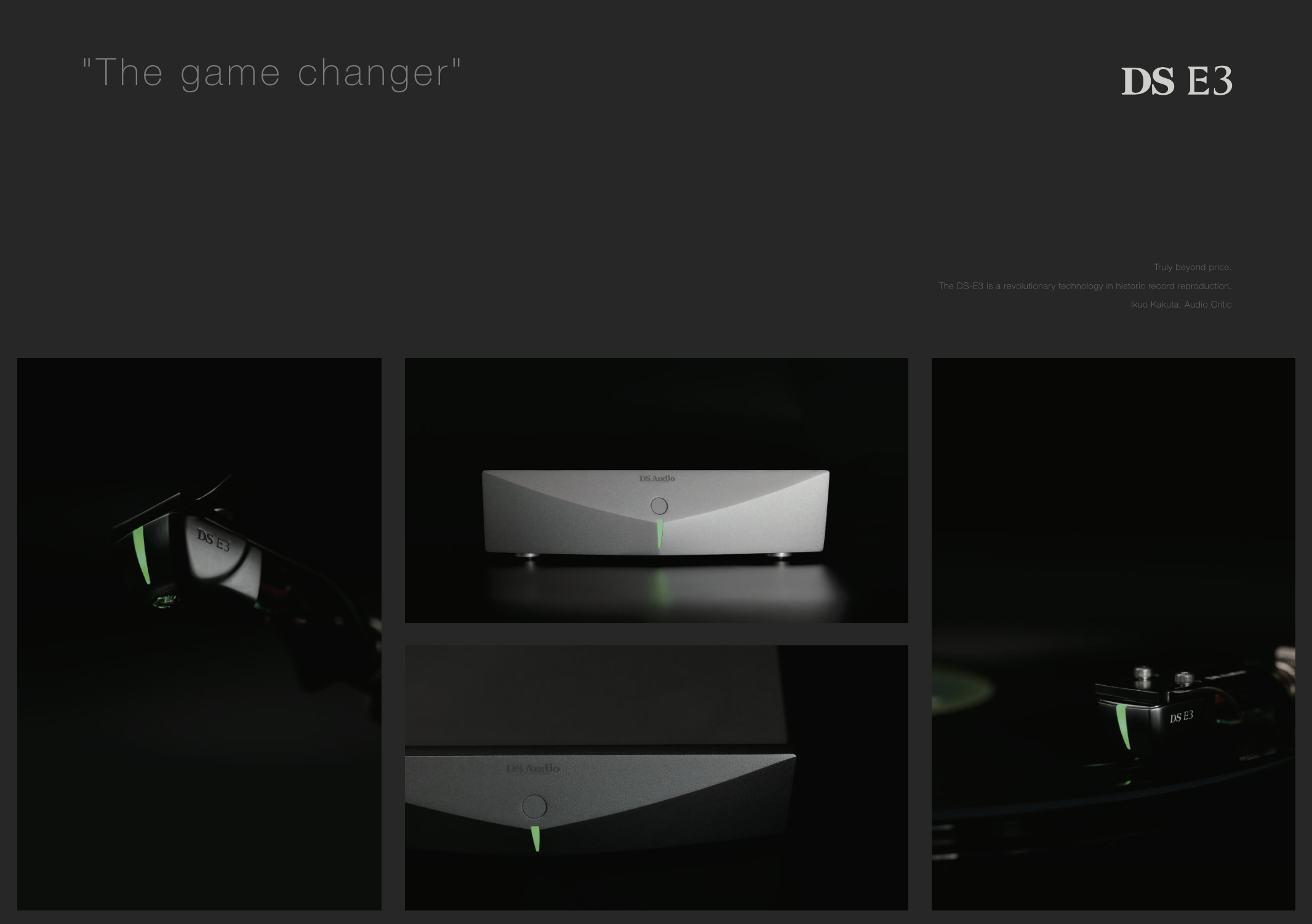
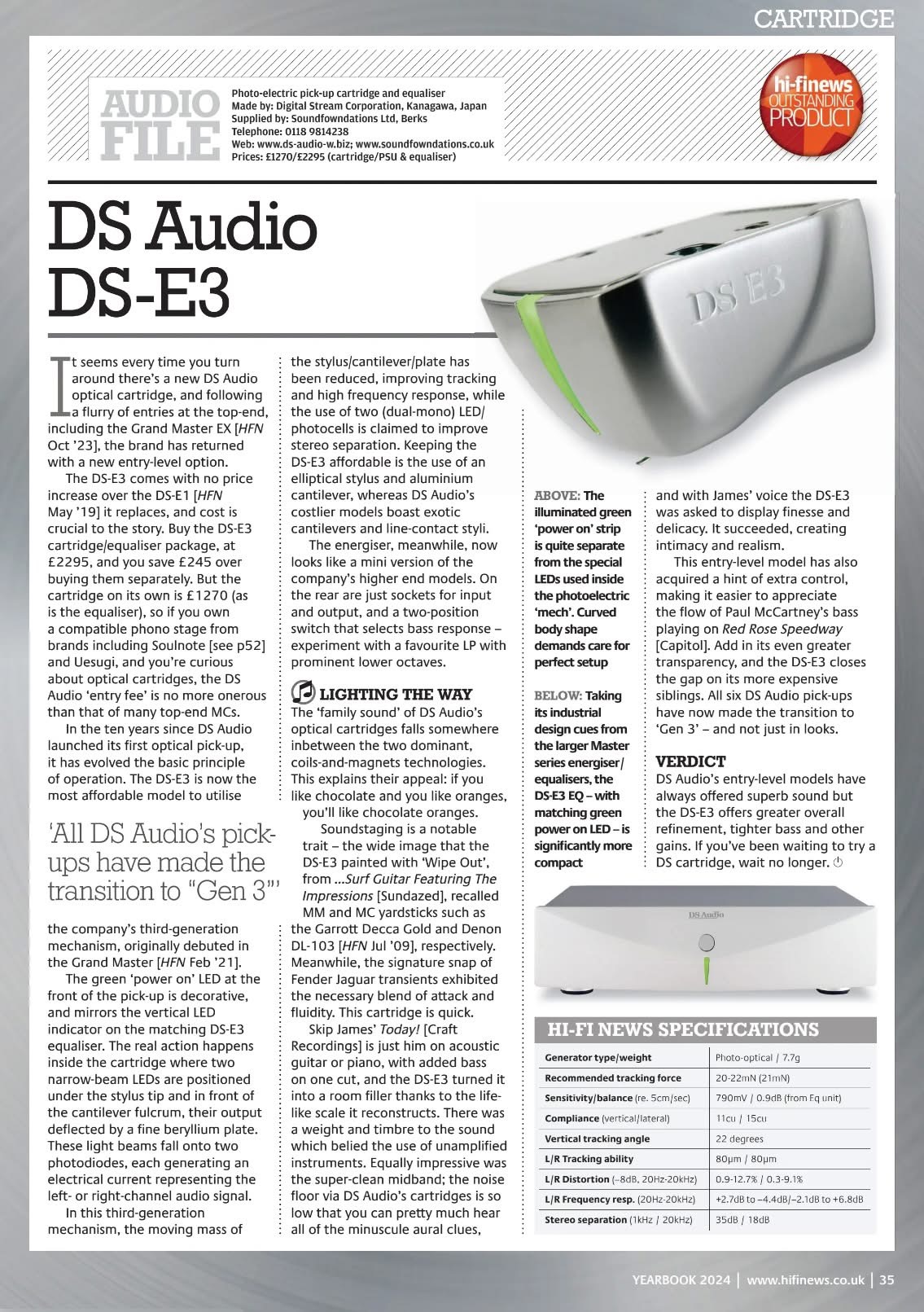
At NZ$5000 including the required equaliser, the DS-E3 replaces the outgoing E1, but this isn’t a minor refresh. It borrows heavily from DS Audio’s flagship Grand Master system, a bold move, and not the kind of thing most cartridge companies do. I reckon this package offers remarkable value at the price. Just a few years ago the technology in this cartridge and equaliser would have been in a completely different, much higher, price bracket.
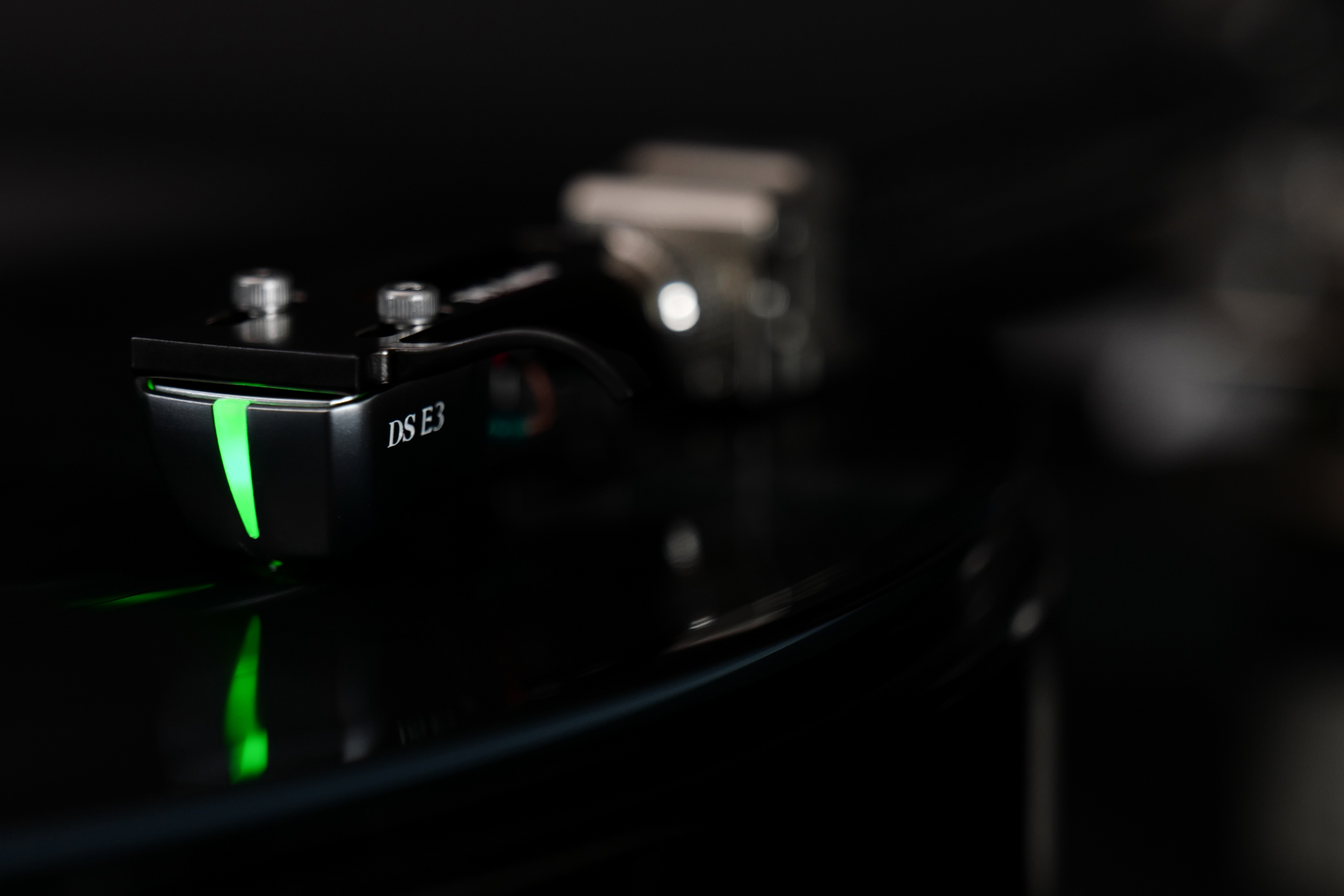
There have been lots of reviews of DS audio cartridges and the associated technology, and a few of the DS-E3, so I will keep this brief.
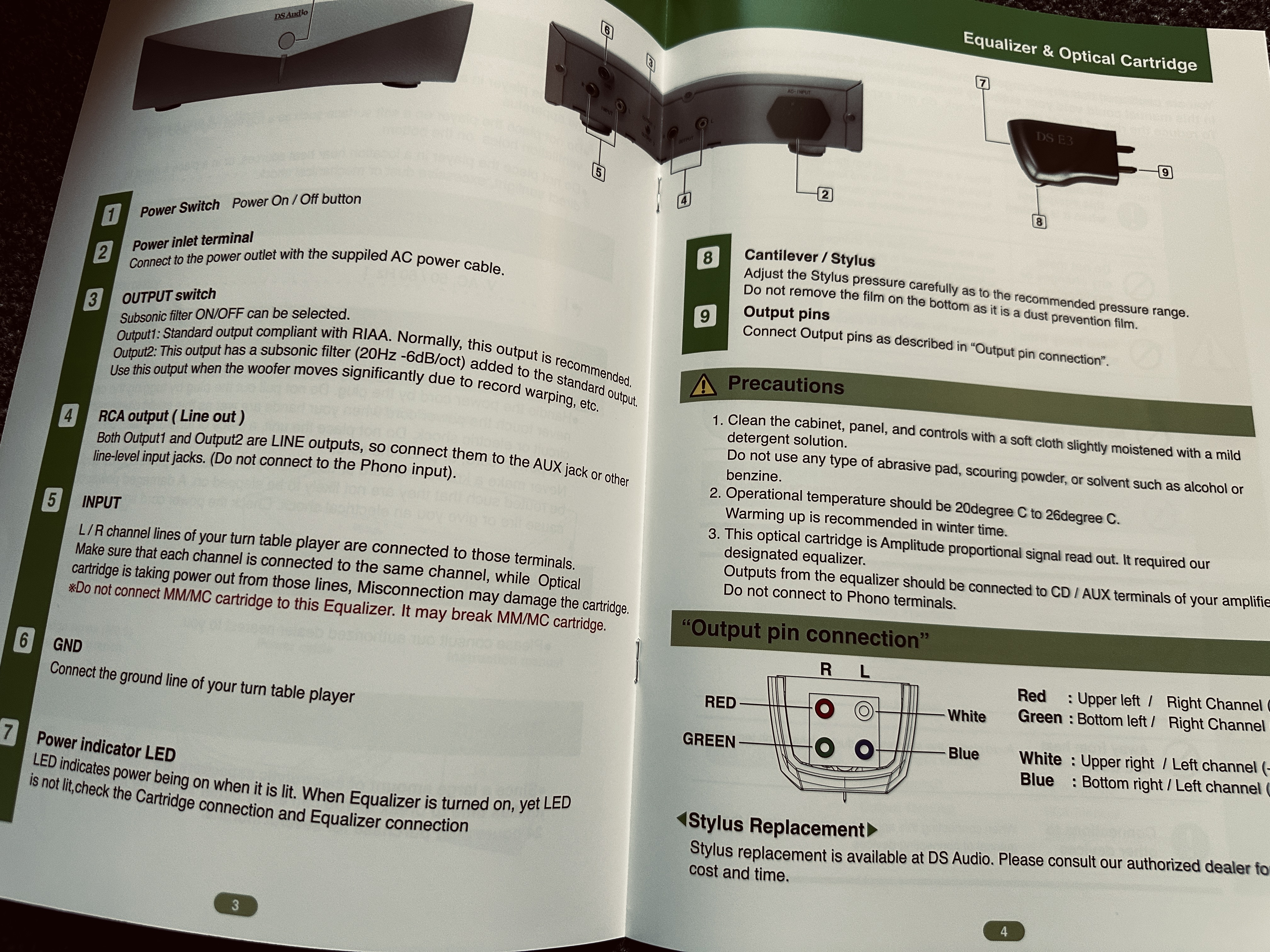
Before even hearing a note, DS Audio sets the tone with packaging that exudes care, precision, and pride. The DS-E3 arrives in a metal case, solid, weighty, and beautifully machined. No cheap plastic clamshells or throwaway boxes here. Inside the outer box, you’ll find not just the cartridge and equaliser, but a suite of thoughtful extras: in a black envelope and inside a plastic sheath, there’s a clear, well-written manual, two QC cards with measured specs, a note from CEO Tetsuaki Aoyagi, a high-resolution photo of your exact cartridge’s cantilever as it was packed, and a full catalogue of DS Audio’s current lineup. It’s an experience that quietly reinforces the brand’s seriousness and attention to detail, something a few boutique manufacturers could learn from. There’s genuine pride of ownership here, even before you touch a record. I already own DS Audio’s stylus cleaner, which is equally well-conceived, and it’s clear the same level of refinement and consistency carries through the whole ecosystem.
Of Mice and Light
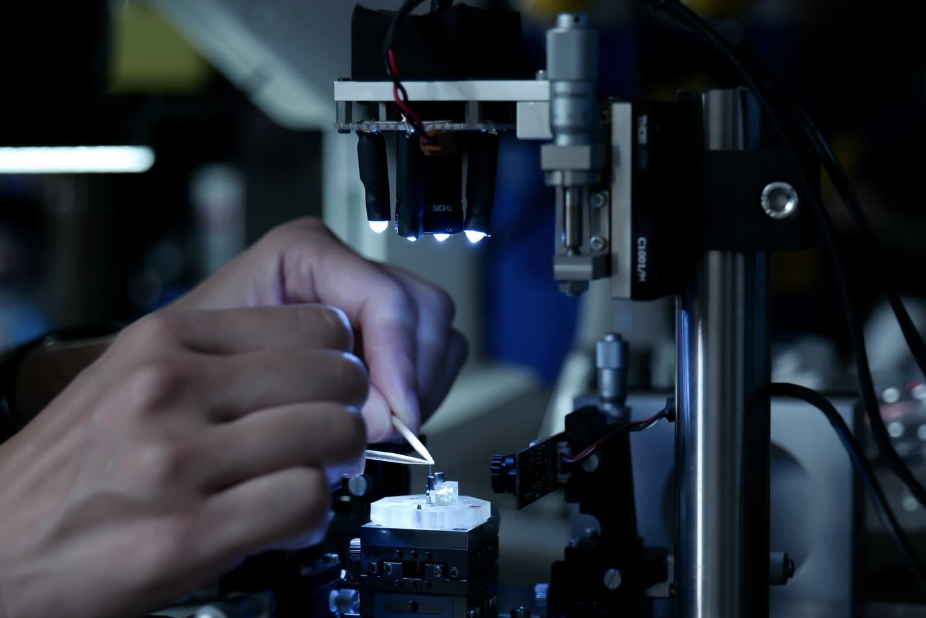
DS Audio is the analog arm of Japan’s Digital Stream Corporation, best known for co-inventing the optical mouse. In 2013, founder Tetsuaki Aoyagi heard an old Toshiba optical cartridge and was captivated. He took it apart, saw the potential, and rebuilt it using modern materials: LEDs instead of filament bulbs, beryllium instead of aluminium. He even tracked down and hired the original Toshiba designer.
The result is six cartridge models, ranging from the DS-E3 to the megabuck Grand Master EX. All hand-assembled in Sagamihara. This isn’t nostalgia engineering, it’s engineering with a vision.
How It Works
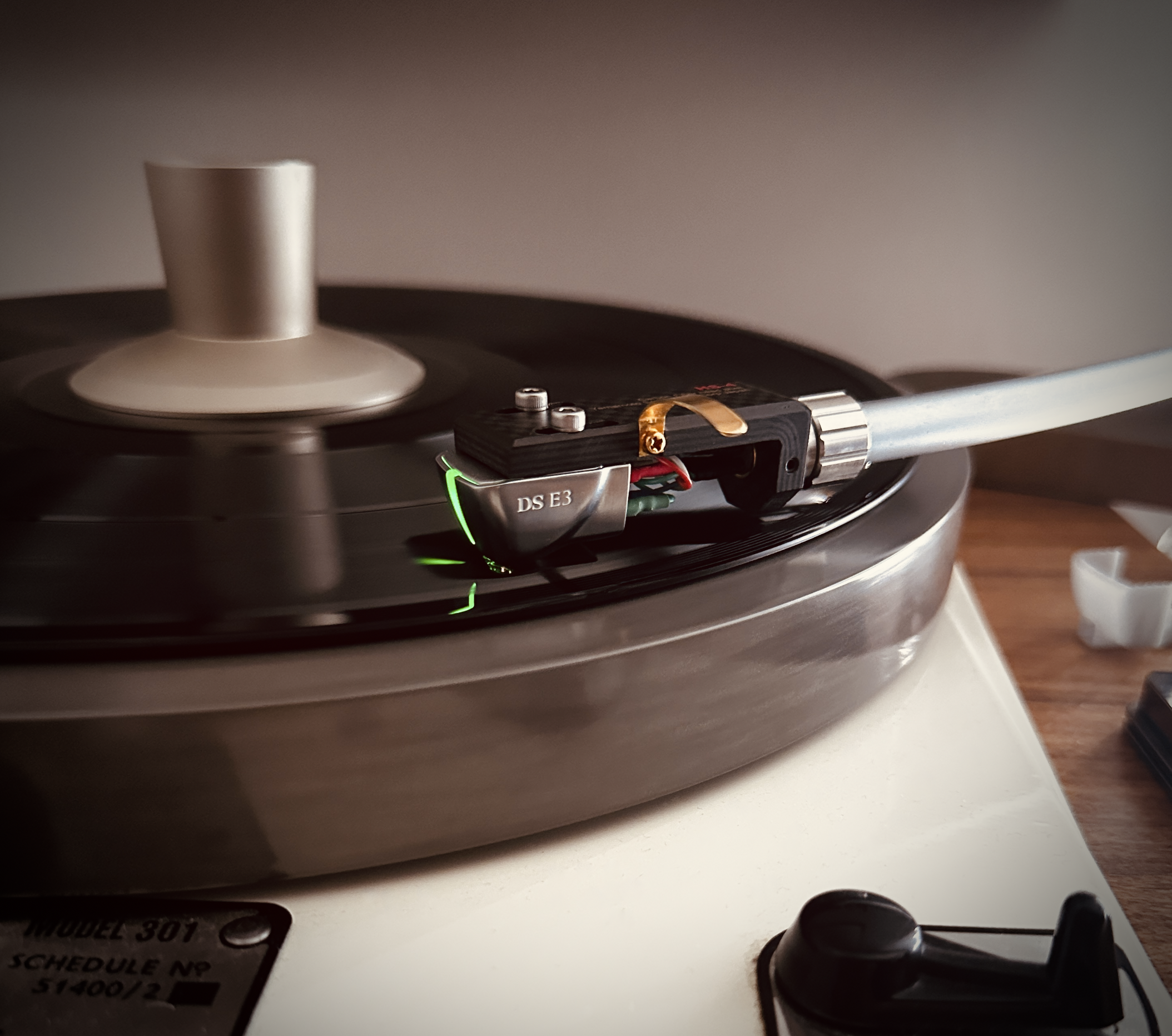
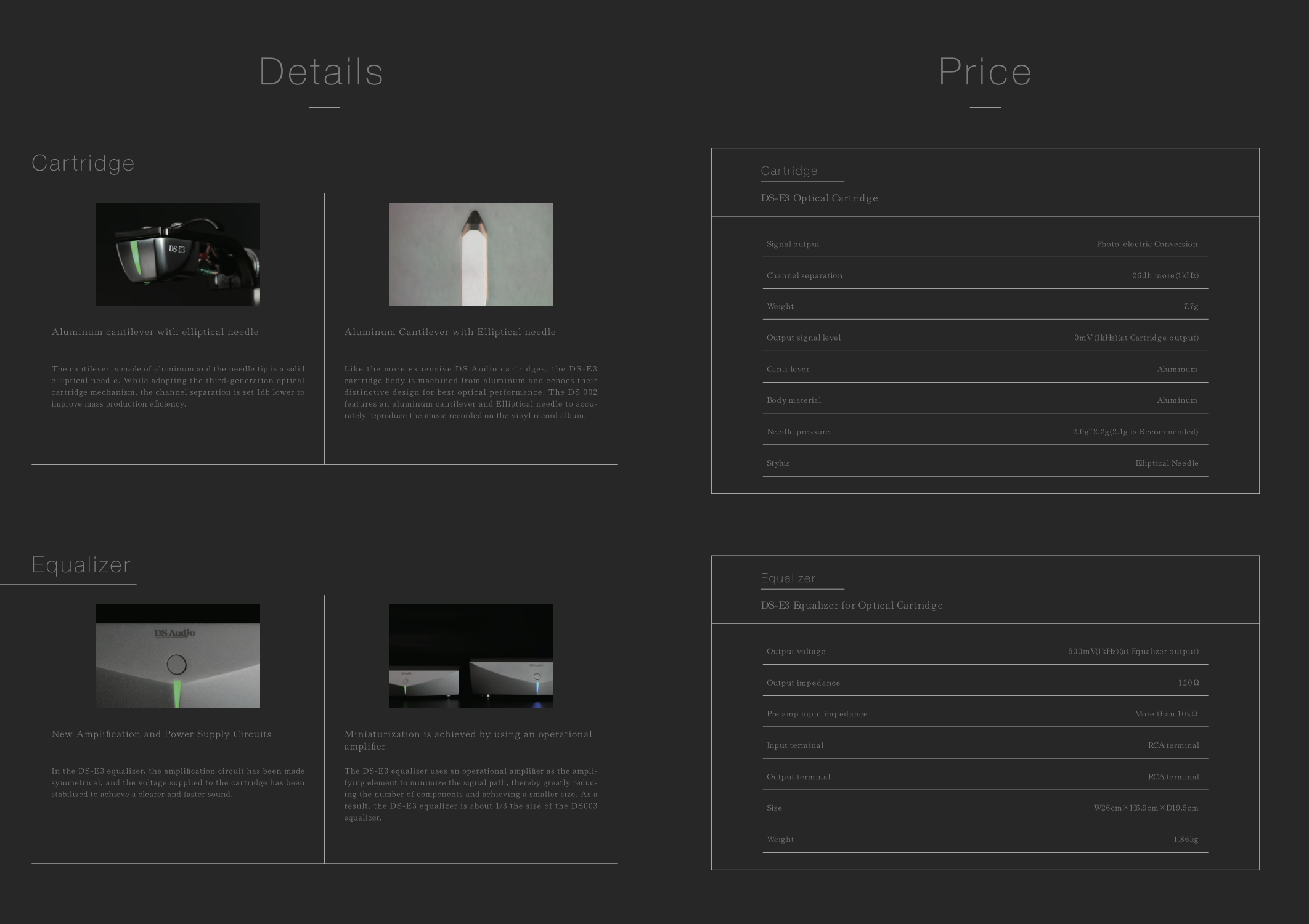
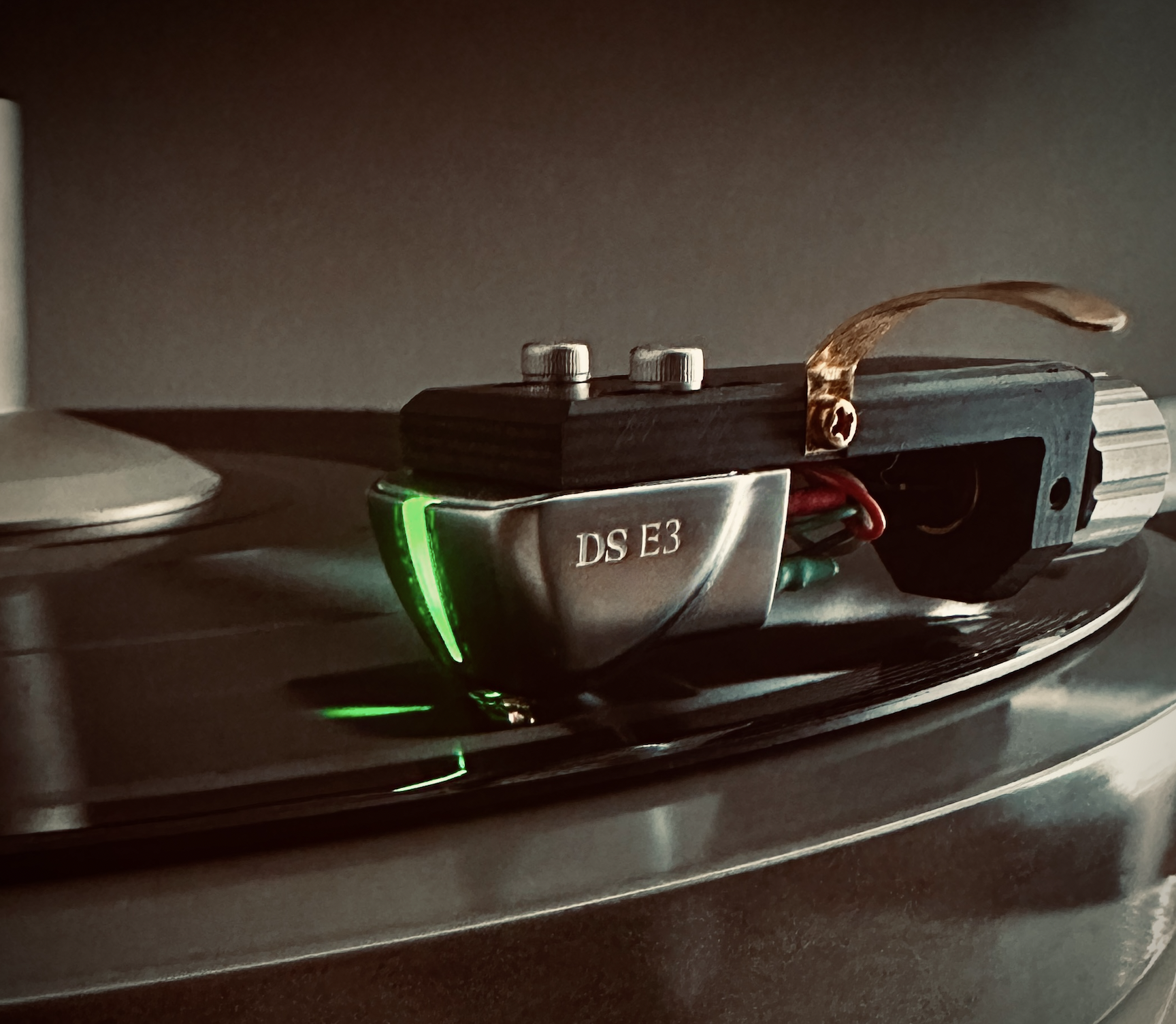
The DS-E3 contains no coils. No magnets. No generator in the traditional sense. Instead, it uses two infrared LEDs and two photo sensors, one per channel. A beryllium “shading plate” attached to the stylus modulates light as it moves, and the detectors read those modulations as changes in voltage. It’s a purely analog system, no digital conversion.
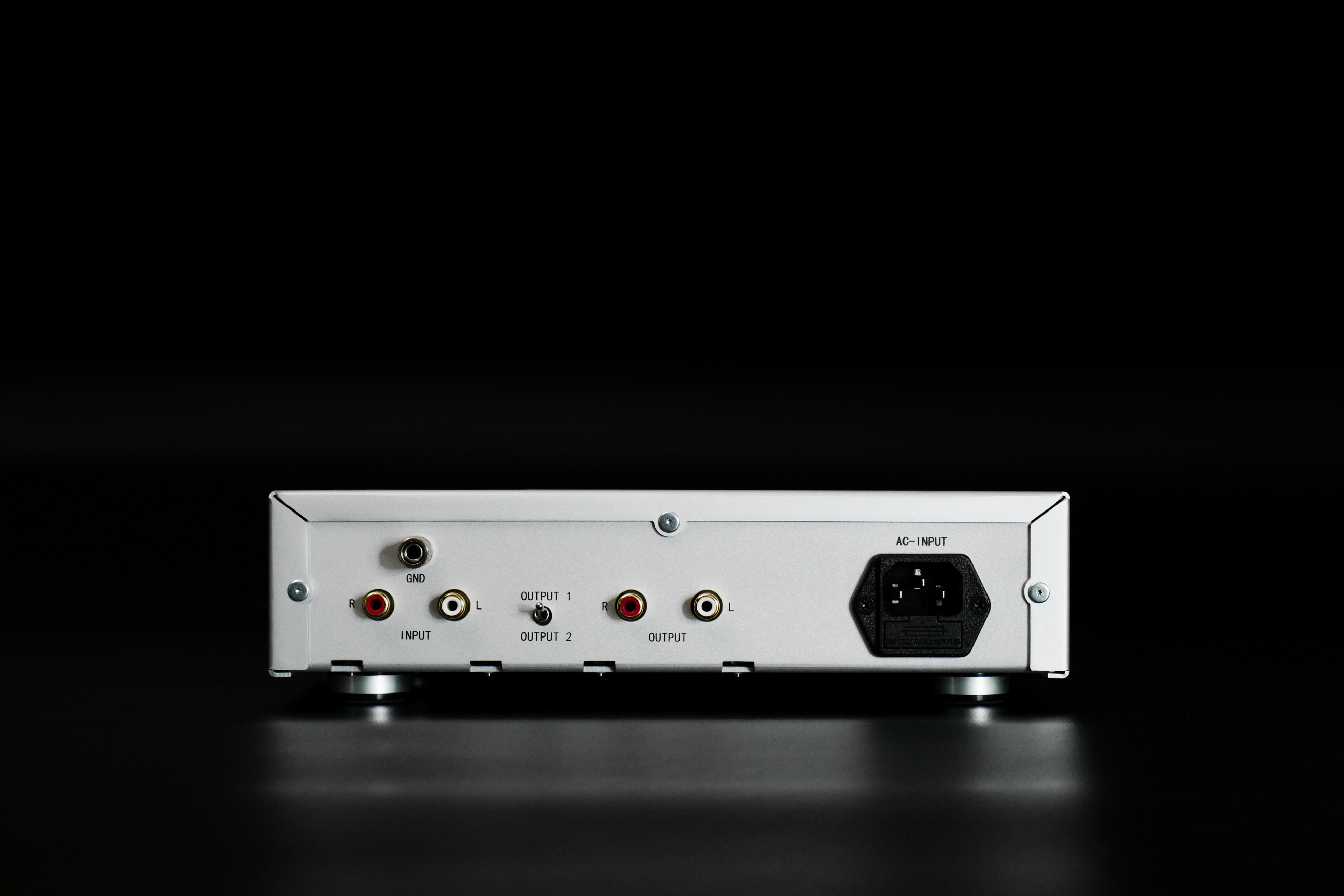
The shading plate weighs only 0.74mg, about one-tenth the mass of a conventional coil assembly. Less mass equals faster response and greater accuracy. And without magnetism, there’s no hysteresis, no magnetic damping, and no coil-related distortion. The signal is flat across the frequency range, so no RIAA correction is needed, just the included DS Audio equaliser, which handles power and output.
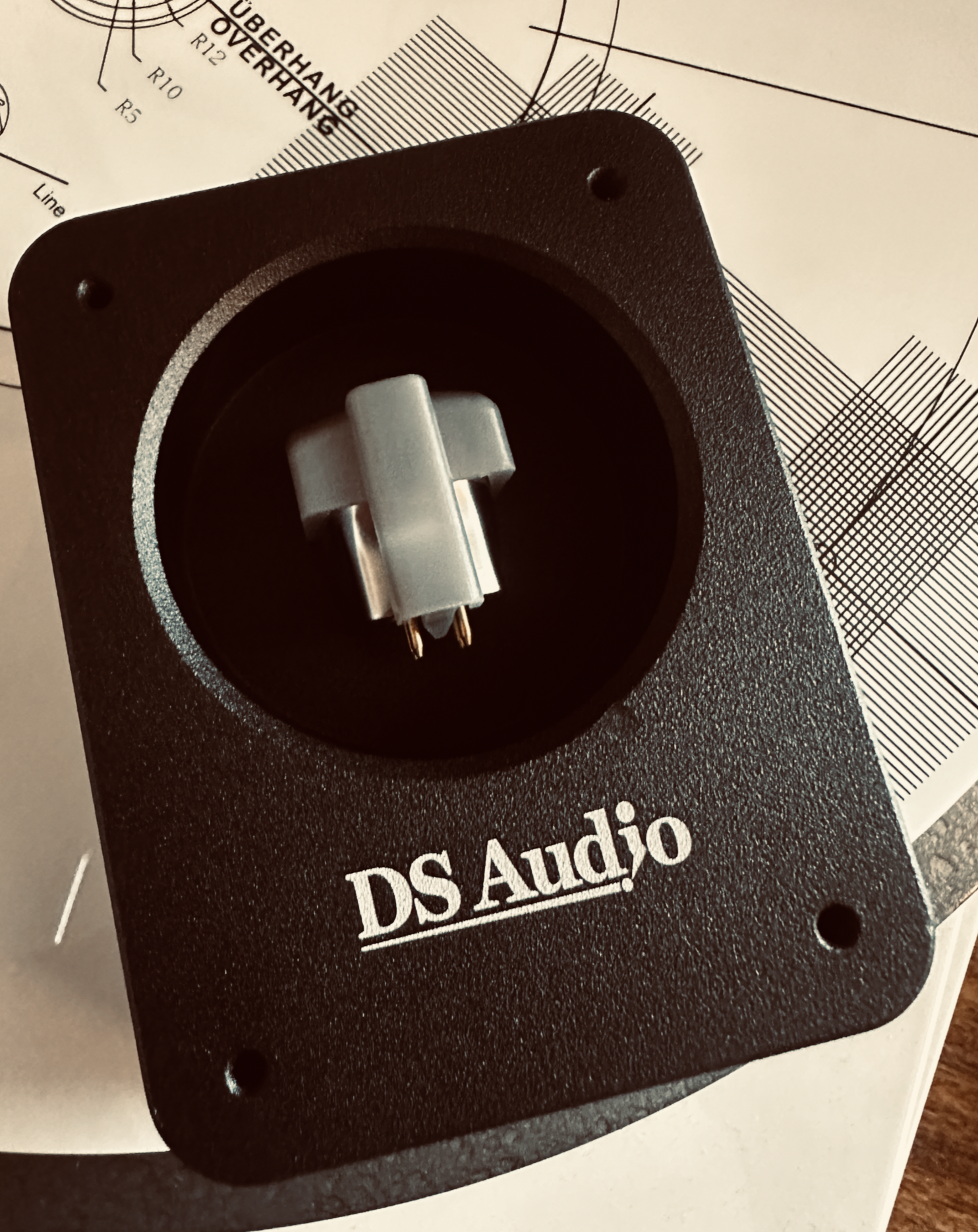
The switch on the rear of the DS‑E3 equaliser toggles between two subsonic filter settings that help tame very low bass beneath the RIAA curve. In the default “single cut‑off” position, frequencies below approximately 30 Hz are attenuated at about –6 dB per octave. If your speakers (especially large or ported designs) exaggerate the deepest bass, the “double cut‑off” setting introduces a steeper roll‑off: –6 dB per octave below ~50 Hz and an additional –6 dB per octave below ~30 Hz. This second mode is intended to prevent overloading or boominess from warped records or turntable resonance and is used only if needed as determined by ear.
Technically, it’s beautiful and minimal. But how does it sound?
System Setup
I mounted the DS-E3 onto a Yamamoto HS-4 carbon fibre headshell (while I await the arrival of DS Audio’s own), attached to my EMT 997 tonearm. The turntable is the Garrard 301 in Lignolab plinth. Amplification is my Kondo, and speakers the DeVore Bronzes. I plugged the equaliser into the Supra power strip with a spare Kondo Persimmon power cable I had lying around. It’s recommended to leave the equaliser powered on all the time. I used a pair of DIY Belden 8402 interconnects to connect the equaliser to my amp. Tracking is at 2.1 grams.
Sound
The first impression? Air. Not brightness. Not “sparkle.” Just the sense that everything previously squeezed or softened is now gently and effortlessly expanded. There’s more space between notes, around textures, inside voices. It’s not detail for detail’s sake; it’s resolution that allows emotion and intention to shine through without exaggeration.
On Ulver’s Perdition City, those subterranean rhythms and digitised field recordings finally resolve without collapsing into blur. There’s texture in the silence, and you can track the decay of pads like you’re following fog down a city street at 3 a.m.
Iron Maiden’s Somewhere in Time can sound congested on many carts, too much reverb, too much going on, but with the DS-E3, it’s suddenly coherent. The gallop remains, but you hear the separation between guitar tracks, synth lines, doubled vocals. It becomes orchestration, not overload.
Spinning For Lies I Sire by My Dying Bride revealed just how adept the DS-E3 is at handling dense, atmospheric recordings. The album’s layered textures, strings, clean guitar lines, low-end weight, and Stainthorpe’s brooding vocals, were all given space to breathe. Rather than smearing into a thick wall of melancholy, as can happen with lesser cartridges, the DS-E3 unraveled the arrangements with calm clarity. The mournful violin lines cut through with precision, while the tonal decay of guitar and ambient effects was beautifully preserved. The emotional heft of the record remained intact, but it gained an extra dimension of transparency that allowed the detail and intention behind each track to come forward without losing impact. This is one of my favourite demo albums.
Heilung’s Lifa recordings are dense with ritual. Bones, chants, whispers, throat-sung phrases, metallic percussion. The DS-E3 renders it with a sense of depth and time. Not just “soundstage”, but presence. It’s no longer just playback, it’s reenactment.
Kammarheit’s Thronal is a test of patience and precision. Most carts smooth it into a grey drone. Here, you hear the layers: the slow-moving shifts, the minute disturbances, the acoustic fingerprint of whatever industrial ruin the source was recorded in.
Wardruna’s Kvitravn combines ancient timbres with ultra-modern production. The DS-E3 lets each note of the langspil or goat horn sit exactly where it should, never masked, never pushed. Percussion has weight but not bludgeon. Voices sound carved, not compressed.
And finally, Hauntologist, whose ghostly guitar work and complex drumming textures can easily veer into mush, suddenly become tactile. Textures layer like torn fabric. There’s a spectral dimensionality that feels genuinely uncanny.
The DS-E3 Is Not Trying to Be Anything Else
It doesn’t try to imitate MC refinement or MM punch, even though it has those attributes. It’s not nostalgic. It’s not “tubey” or “analog-sounding” in that woolly, syrupy way. It’s not romanticised hi-fi. It’s something else entirely; clean without being sterile, vivid without being hyped.
If you’re chasing euphony or lush colouration, this may not be your cartridge. But if you want to hear what’s on the record, everything, unblurred, uncongested, and utterly free from electromechanical artifacts, it’s hard to go back to traditional designs once you’ve lived with this.
Closing Thoughts
The DS-E3 is a first step into a very different sonic world. Not “better” in every way, but freer. More open, more precise, more revealing. Light, as a transduction method, feels less intrusive, more like listening through a cleaned window than through stained glass.
This cartridge isn’t about vintage charm or throwback warmth. It’s about illumination (heh).
As much as I love my traditional magnetic cartridges, the ritual of step-up transformers, the seductive coloration of vintage MCs, the whole analog ecosystem we’ve all lovingly built, this feels like a genuine leap. Not a gimmick, not a tweak, but a true game changer (as much as I dislike that overused term). Listening to the DS-E3, I can’t help but wonder: is this where vinyl would have ended up if CD hadn’t blindsided the analog world in the early ‘80s? It’s a glimpse of an alternate timeline, one where progress wasn’t interrupted, just refined.
At first its a little disconcerting actually. There is a complete absence of grain and low level previously un-noticed noise with this which takes time to get used to. Like glass polished to such clarity, it ceases to be seen.
It’s early days yet, obviously, and I’ve been told the system takes while to properly bed in. I’ve managed to listen off and on for the past week, and I hope I get more time to listen in the coming weeks.
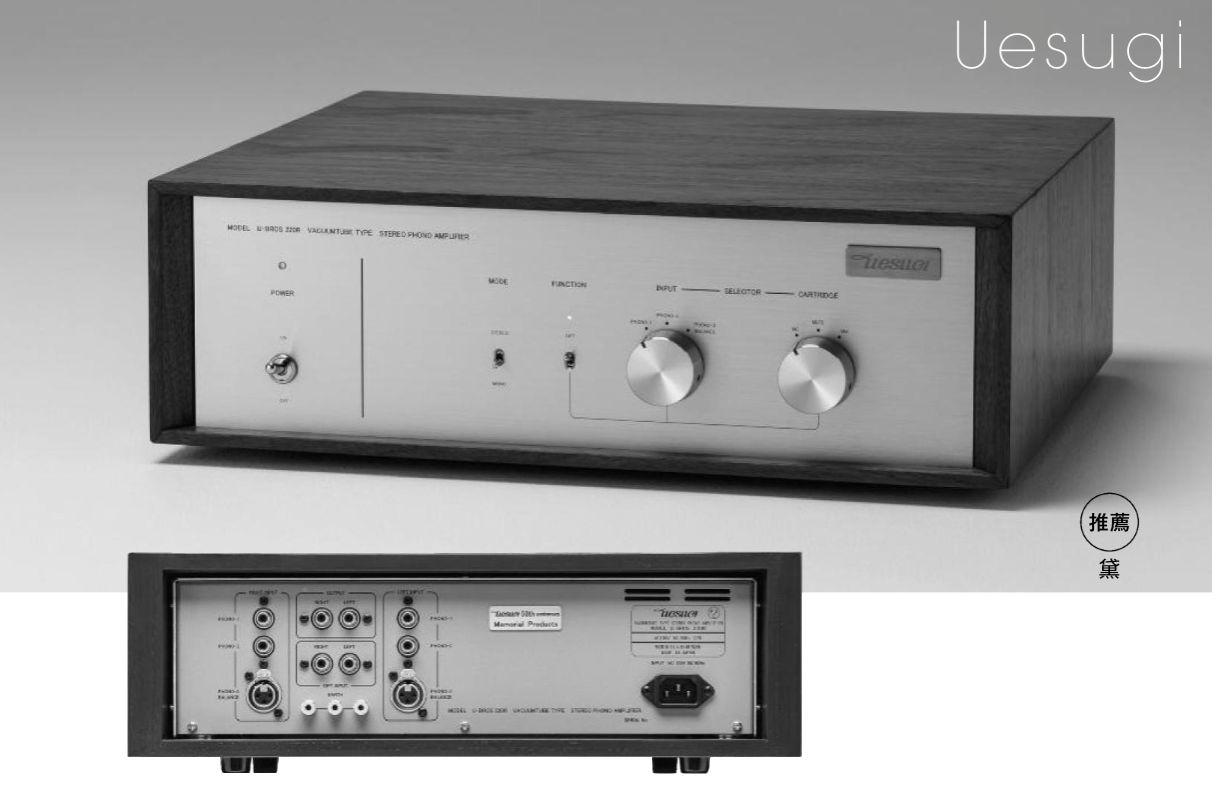
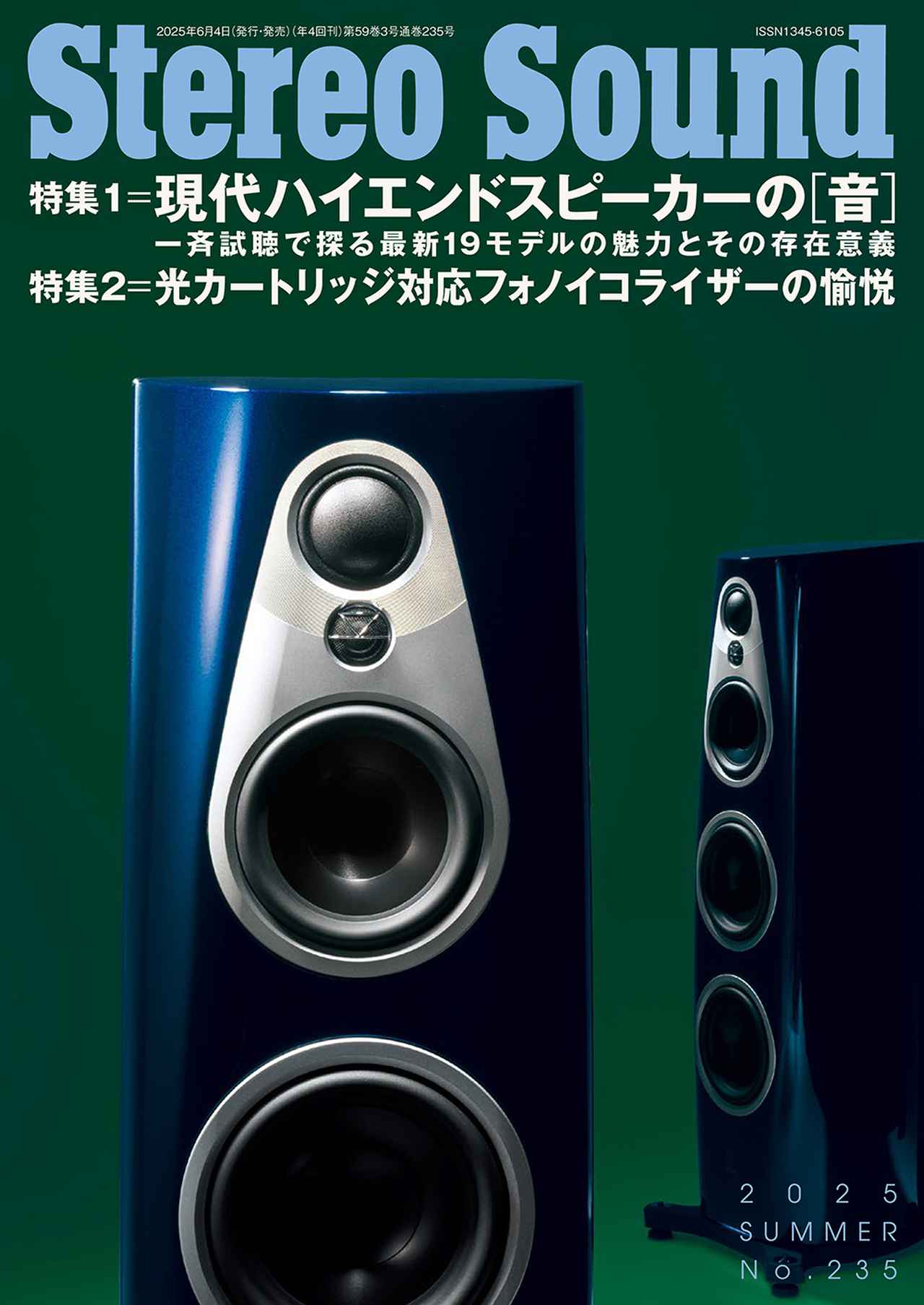
There are some cool potential products available that are compatible with optical cartridges, Modwright are slowly working on a phono stage, and I have always been interested in Uesugi Labs stuff, and they have a phono stage that would be superb. Or of course the DS Audio TB-100 tube based energiser/equaliser is extremely compelling. There is actually an article in the Summer 2025 issue of Stereo Sound regarding different phono stages which have provision for optical cartridges, albeit in Japanese.
Don’t get me wrong: I’ll continue to enjoy all my phono toys. There’s still immense pleasure in the charm of old gear, in the signature sound of an EMT through an A23 Hommage SUT, in the glowing valves of a good tube phono stage. But the DS-E3 points forward, not back. It has enough promise that I’m already planning to install a dedicated 12″ Schick or similar arm just for it, although to be fair I’ve had that plan for a while. This is a phenomenal product, and it’s just the entry model in the line up. This isn’t a replacement, it’s a parallel path, and one well worth exploring.
Specifications:
Cartridge
Type: Optical pickup with dedicated equaliser
Body: Aluminium
Cantilever: Aluminium
Stylus: Elliptical
Output: >70mV
Channel Separation: >26dB (1kHz)
Tracking Force: 2.0–2.2g (2.1g recommended)
Weight: 7.7g
Equaliser
Inputs: RCA
Outputs: 2x RCA (one with subsonic filter)
Subsonic Filter: 20Hz (-6dB/oct)
Output Impedance: 120 ohms
Preamp Input Impedance: >10k ohms
Dimensions: 260mm x 69mm x 195mm
Weight: 1.86kg


 Audio Satori
You must be logged in to post a comment.