

Pt. 1 How to Enjoy Music Reproduction, Without Being Sucked In.
Let me preface this by saying I’m definitely no guru, nor a self-appointed keeper of the “One True Path” to audio nirvana. Don’t take offence if my views don’t align with your own. I’m not here to tell you how to spend your money or enjoy your hobby, that’s up to you!
I’m not a hard-core objectivist, quite to the contrary in fact, and I get that there are things we can’t yet measure but can still perceive, audio has always lived in that grey area between science and sorcery. But I’m also not in the habit of suspending logic just to feel part of a cult. Blind faith is for religion, not resistor networks. At the end of the day, what you actually hear should be the final arbiter in any audio purchasing decision, not marketing copy, not forum groupthink, and definitely not a bloke selling “quantum-enhanced” cable risers.
I don’t even consider myself an audiophile so much as a music fan, which should be fairly evident by my musical choices when evaluating stuff. While audiophiles generally focus on chasing the perfect sound, obsessing over gear, formats, and tiny sonic detail, I’m more interested in the music itself: the emotion, the stories, and the connection or atmosphere that songs create. Don’t get me wrong, great gear is important and awesome, and allows me access to the musical message much more easily, and I love to appreciate the art within audio design; but if the music is cool, it’s cool regardless of how well it’s recorded or reproduced. At the end of the day, it’s the music that matters most for me.

The French have a word for the kind of listener I’d rather be: mélomane. It simply means someone who loves music, without the baggage of technical posturing. A mélomane doesn’t need 24-bit/192kHz remasters or cables blessed by Tibetan monks to feel moved; they can be just as transported by a scratchy 78 or a half-worn cassette if the performance is right. Audiophiles, at their worst, sometimes treat the music as a test signal for the gear. The mélomane flips that completely, the gear is just a tool, and if the art survives the journey from musician to ear, that’s enough.
What follows comes from years of watching people gleefully burn money on the most ridiculous “upgrades” imaginable, and I’ll admit having been tempted into trying a few of them myself in the dark past. If it makes someone happy to drop a mortgage payment on a magic pebble, a crystal isolation gadget, or cryogenically treated wall plug, then go for it: enjoy the ritual, light some incense, chant from the spec sheet, (the irony there being that I often burn incense when I listen). Life’s short, and our hobbies are meant to be fun. But I wouldn’t expect my acceptance to come without the occasional rant, because the absurdity is half the entertainment. We should be able to laugh at ourselves.
Which brings me to Part 1, where we examine how you can achieve truly excellent music reproduction without needing to remortgage your house for a packet of mystical stickers blessed by a Sonic Illuminatus from rural Yorkshire.

Every hobby has its odd corners. Stamp collectors have rare misprints. Cyclists have carbon-fibre bottle cages. Audiophiles have snake oil infused tweaks. It’s an enduring side-show to the pursuit of good sound: the belief that your system’s transcendence lies not in thoughtful system matching, room acoustics, or even decent source material, but in a talismanic object or ritual that the enlightened Illuminati swear by and the uninitiated fail to “hear” simply because their ears, souls, or chakras aren’t sufficiently aligned.
This is where the prophets come in. In the late 20th century, Peter Belt sold us “treatments” that ranged from tying knots in bits of wire and rainbow coloured tin foil, to painting the edges of CDs with a felt pen and magic paper clips. His company issued proclamations with the earnest mysticism of a 14th-century relic seller. Machina Dynamica took the performance art further: quantum chips, brilliant pebbles, and the infamous “Teleportation Tweak”, a paid service where they would “upgrade” your system over the phone. (Yes, the phone.) You’d think this was satire, but no, it was business.
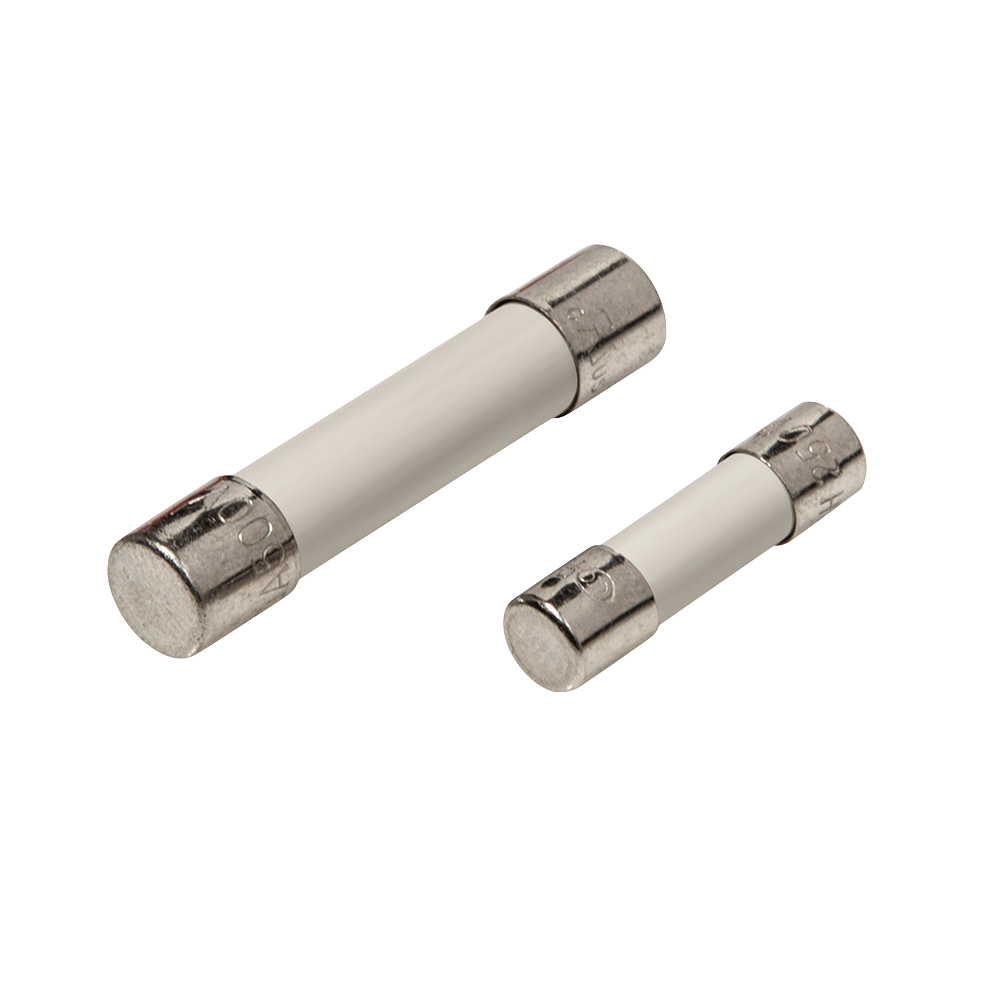
Then there’s the aftermarket fuse cult. A tiny glass or ceramic tube, once a humble, functional component designed purely for safety, now exalted to the status of a sonic Rosetta Stone. Replace the stock fuse with one blessed by the gods of cryogenic freezing, silver paste, and “quantum alignment” (for a four-figure price), and allegedly your system will open up like the heavens on Pentecost. I mean seriously, I have seen a single fuse costing £4200! This is truly insane. I’ve even unwittingly dabbled myself, one of my preamps came with such a fuse already installed. When it eventually blew for whatever reason, I swapped it for a plain old generic one and… nothing happened. No collapsed soundstage, no sudden veil over the music, no harsh background hash, just the same sound as before. It’s the perfect tweak: small enough to ship in an envelope, cheap enough to manufacture for literal cents, and mysterious enough that no one’s quite sure what it’s supposed to be doing, which makes it perfect for doing nothing at all.
And really, what possible difference in technology or construction costs could justify the staggering gulf between even the cheapest of these fuses and the most expensive? The equation simply doesn’t work. We’re still talking about a glass tube with a filament — not a diamond-encrusted chronograph. A jump from £40 to £4,200 isn’t just implausible, it’s absurd. Unless the filament is hand-woven from unicorn hair under a blood moon, there’s no physical, engineering, or economic reality that makes that price spread make sense.
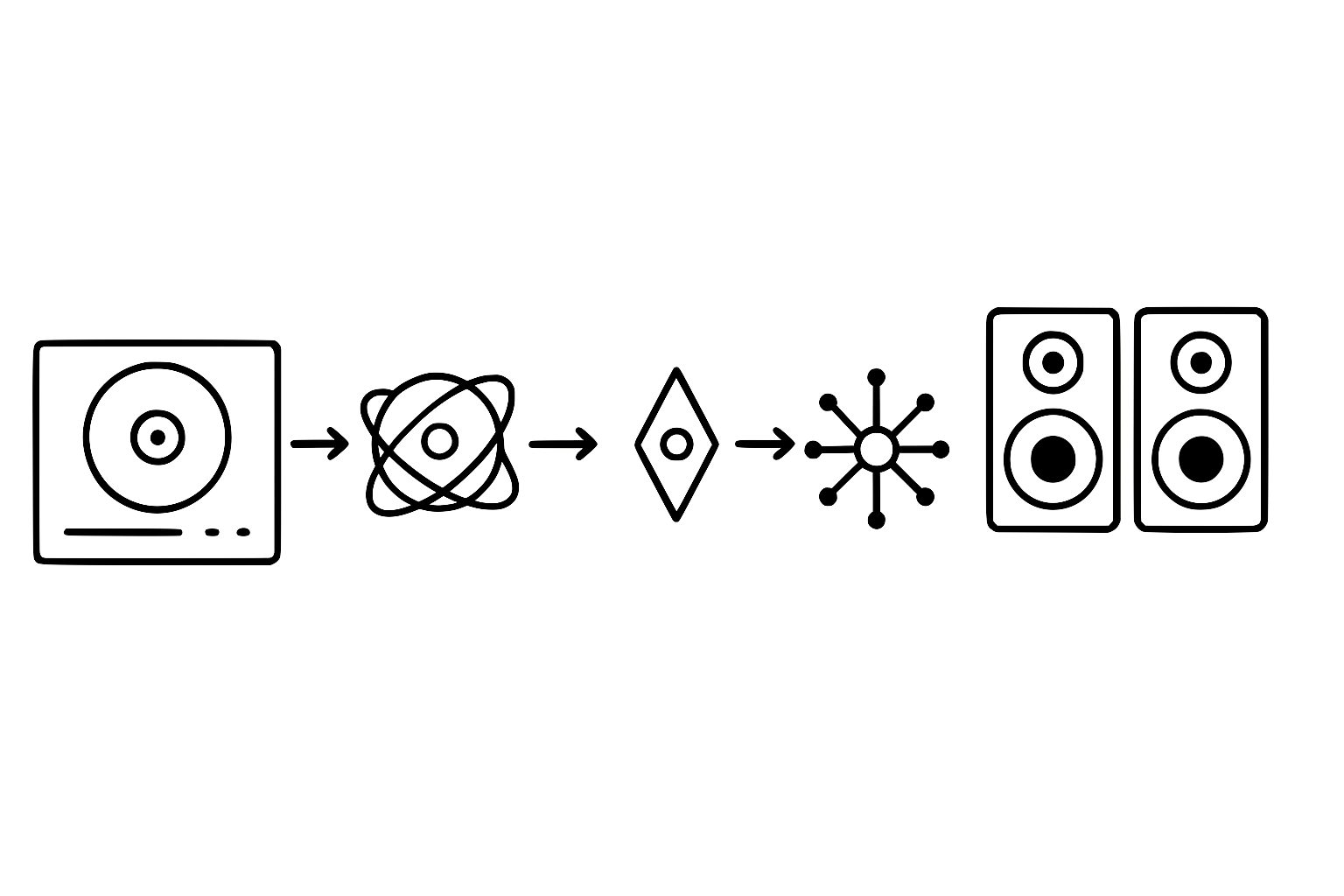
What’s most fascinating is not the products themselves but the culture that sustains them. These are often the same enthusiasts who will dismiss an actual engineering explanation as “measurements don’t matter, trust your ears”, right before reciting a manufacturer’s pseudo-scientific spiel about molecular realignment or “restructuring of the audio waveform at the quantum level.” The fervour isn’t about sound quality, it’s about belonging: the thrill of being one of the few who “get it,” the satisfaction of evangelising your discovery to the sceptical masses, and the warm, smug glow of knowing that your $1400 fuse (or whatever) means you’ve reached the next level of audiophile consciousness.

None of this is to say that the high end should be stripped of personality, quirks, or even the occasional indulgent folly. But there’s a difference between chasing magic and buying tricks. Audio is already rich with genuine nuance, room acoustics, power quality, vibration control, and the endless interplay of design choices and human hearing. The snake oil industry thrives not because there’s nothing left to improve, but because some people would rather purchase a shortcut to enlightenment than do the slow, sometimes unglamorous work of understanding their system.
And this is where the line between passion and parody becomes painfully obvious. The gap between an actual artisan and a charlatan is about the same as between a hand-built Swiss watch and a $2 Aliexpress special with “Limited Edition” printed on the box. A real artisan earns their keep through skill, discipline, and results you can hear, see, or feel; not by you having to gaslight yourself into believing they exist. The charlatan, meanwhile, operates straight out of The Emperor’s New Clothes playbook: drape ordinary crap in mystique, invent a backstory about “proprietary quantum chakra resonance-tuning,” and charge you ten grand for a magic rock to put on your amplifier. It’s theatre, not engineering, and the only thing they’re tuning is your wallet’s resonance with their bank account. The artisan’s work speaks for itself; the charlatan’s relies entirely on you being too polite, too embarrassed, or too deep in the sunk-cost hole to say, “Wait… this does nothing, doesn’t it?”

If you want better sound, start with the boring stuff: speaker placement, room treatment, quality recordings or cleaning your connections with Deoxit. They’re not mystical, and you won’t get to post photos of them next to an illuminated crystal on your hi-fi rack, but they work. And unlike a $1400 fuse, they’ll still be working when the next messiah of the tweak market arrives with a new miracle in a courier bag.
There’s also the uncomfortable truth that once money changes hands, pride tends to fill in any gaps in performance. The logic goes: I’ve done something, therefore something must be better, and the more it cost, the better it must be. Nobody wants to admit they dropped four figures on a tweak or a gadget and got nothing in return, because the alternative is confessing either cloth ears or gullibility. It’s the audiophile equivalent of the wine ‘aficionado’ who swears they can taste “notes of wild strawberry, Himalayan slate and workman’s sock” in a $200 bottle that’s actually supermarket Chateau Cardboard in a spiffy decanter. Better to nod sagely, talk about “subtle improvements in microdynamics,” and let the confirmation bias do its work.
Once you’ve paid for magic, you’ll do almost anything to avoid discovering it’s just glitter and glue.
In high-end audio, the most effective upgrade is usually free: turn down the volume on nonsense.
There will be more to come on this topic over the next few weeks…


 Audio Satori
One response to “Snake Oil and the Cult of the Sacred Fuse”
[…] Pt. 1 I looked at the cult of the audiophile fuse, how a humble safety device was inflated into a […]
LikeLike