

Pt. 3 The Boring Things That Actually Work
The hard truth: the biggest, most profound improvements to your system usually come from things you can’t brag about on forums. They don’t have shiny packaging, or a certificate signed in gold ink by someone calling themselves “Chief Executive Listening Consultant Advisoriser” But they work, and not in the placebo, “I think I hear it because I paid for it” sense, but in the physics sense. I’m not going to go in depth into each topic, you can do that yourself if you care to, but just offer some prompts.
1. Speaker Placement
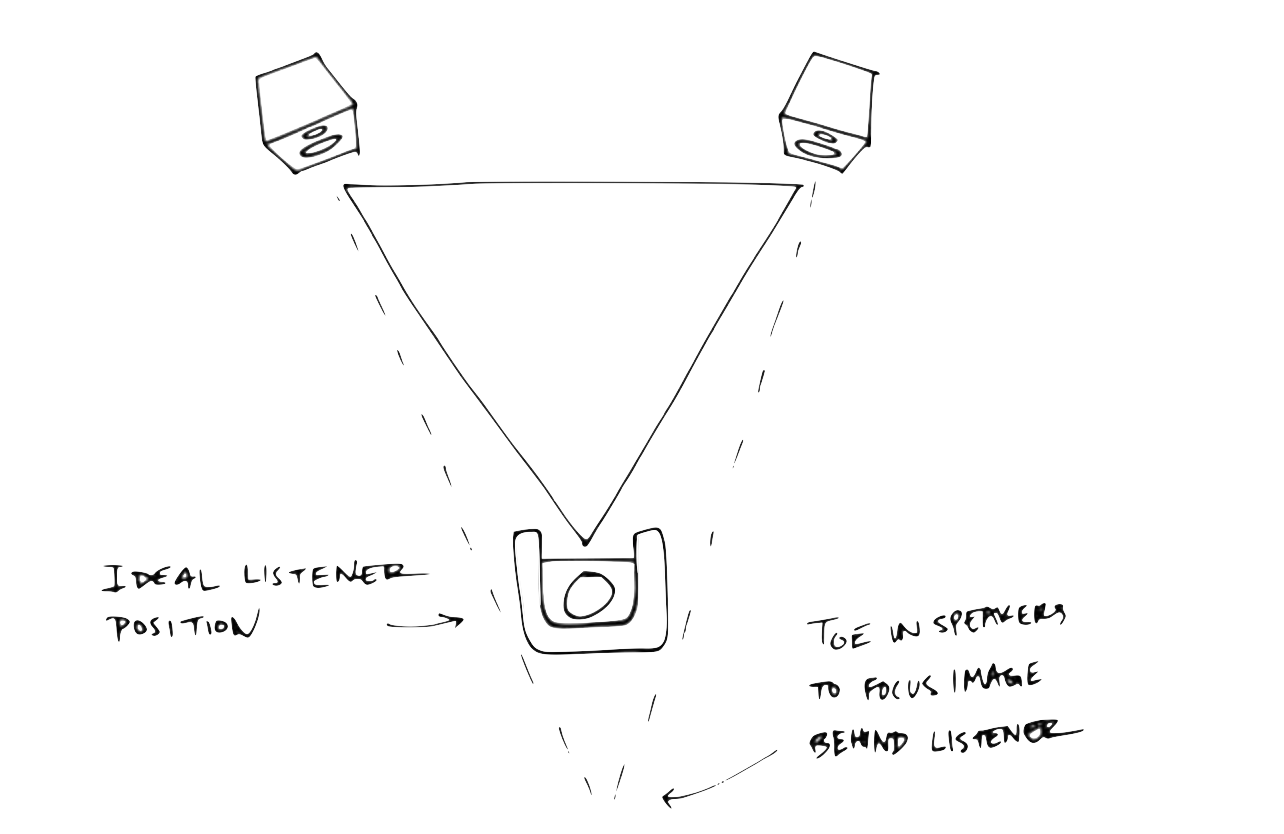
If you’ve never experimented with moving your speakers, you’re leaving more performance on the table than any cable or fuse could hope to recover. A few centimetres forward, a bit more toe-in, or a symmetrical distance from side walls can transform the soundstage from “flat postcard” to “hologram you can walk into.” No mysticism, just geometry and acoustics. A well set up ‘modest’ system will always outperform fancy pants componentry jammed into an unsympathetic space and set up poorly.
2. Room Treatment
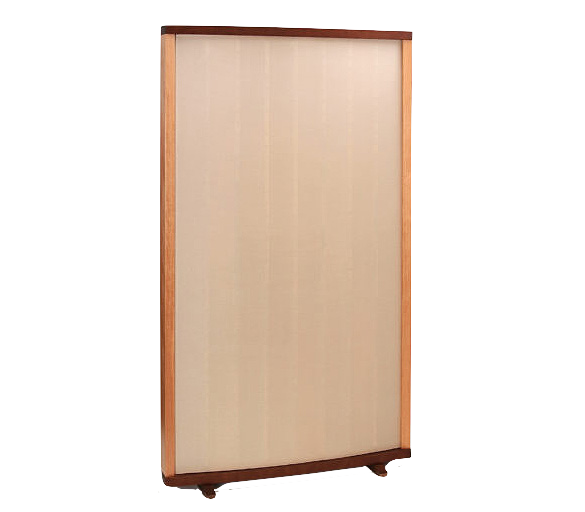
Your walls, floor, and ceiling are the most intrusive components in your system. Untreated rooms smear bass, blur imaging, and create fatigue. A handful of broadband absorbers and a couple of diffusers can do more than the most exotic DAC upgrade. If the thought of hanging them up offends your sense of interior design, remind yourself you presumably didn’t buy your stereo for the Instagram likes. Some treatments are almost sculptural and can look pretty awesome.
3. Isolation
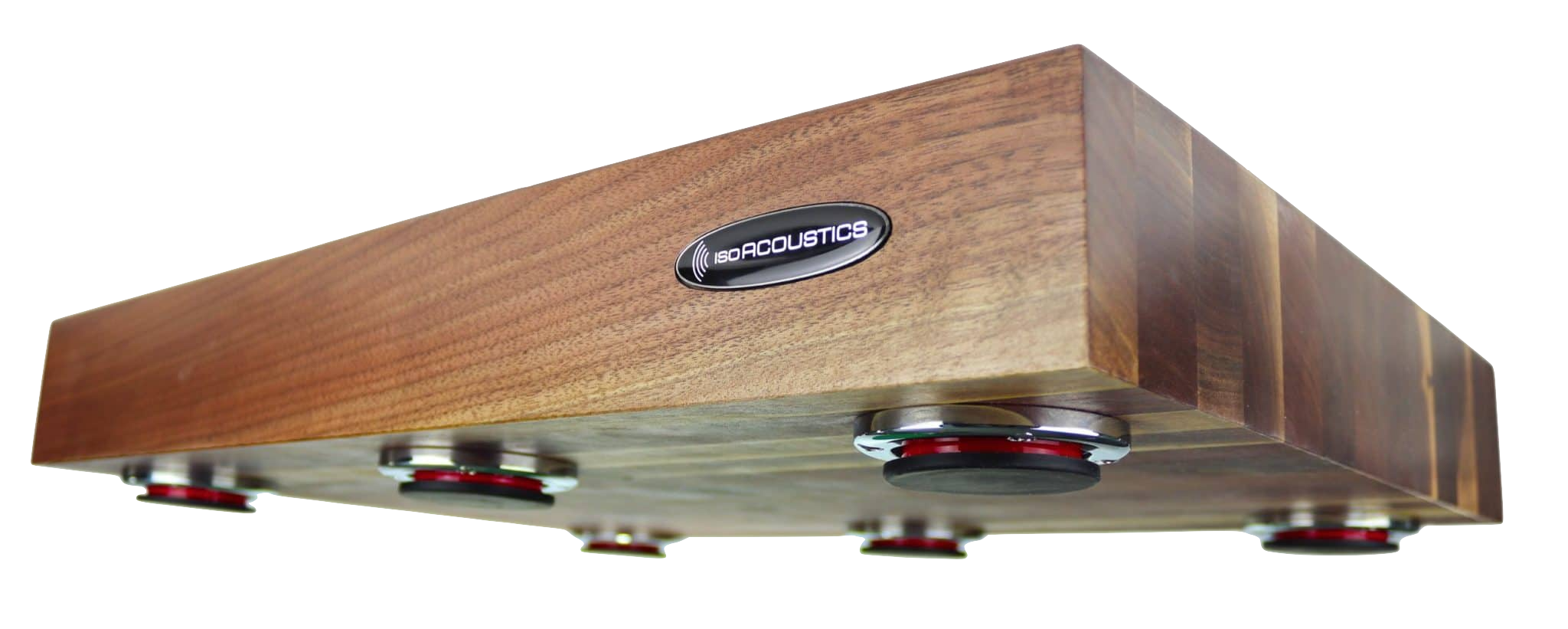
Vibration control matters, but you don’t need magic pucks carved from meteoric unobtainium. Solid stands, proper coupling or decoupling (depending on the gear), and a rack that doesn’t wobble will keep resonances from muddying the sound. Stability, not sorcery.
4. Clean Power
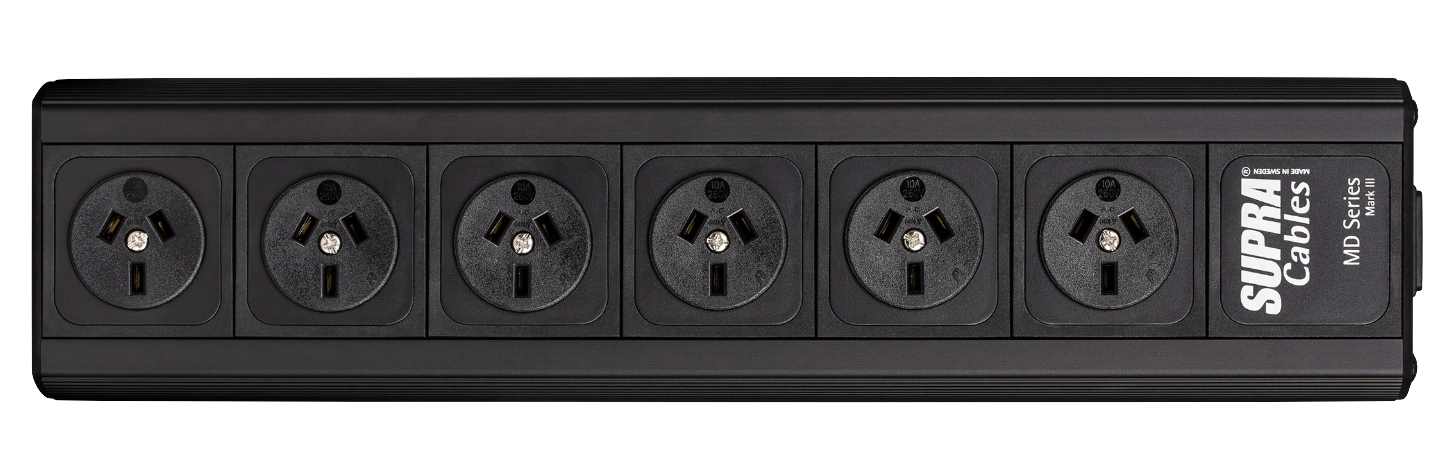
If you live in an area with noisy mains or voltage swings, a good power conditioner or even a dedicated circuit can help. In NZ our power is generally pretty excellent and most reviews will necessarily overstate the efficacy of the product. Sometimes you might have a noisy fridge or fluorescent lamps creating noise issues. This should be about filtering noise and stabilising supply, not rearranging “electron flow at the subatomic level.” Buy from someone who sells to recording studios, not someone who sells to the credulous.
5. Maintenance
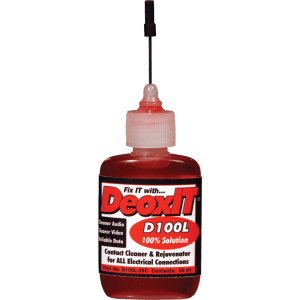
There’s no such thing as audiophile grade oxidation or dust. The number of really nice pieces of gear I see covered in gunge and filled with dust is amazing. Clean your contacts. Clean your stylus. Check that your speaker terminals aren’t half unscrewed from years of cable swapping. Keep your records and discs clean. These aren’t tweaks so much as hygiene and they’re more audible than any “quantum field enhancer.”
6. Your Ears

Spend more time listening to live, unamplified music. The more you know what real instruments and voices sound like in space, the easier it is to tell genuine improvement from expensive self-delusion. Spend less time looking for fault and more time enjoying music. Life is too short to chase your tail forever, second guessing your own ears.
The irony is most of these cost less than a single questionable aftermarket contraption, and their benefits are measurable, repeatable, and independent of whether you “believe” in them. They don’t make you a more exclusive audiophile, but they make your system sound better, and that’s supposed to be the point.
Eventually, in Pt. 4: We’ll explore why so many enthusiasts reject these boring, effective upgrades in favour of glittering nonsense, and how the psychology of belonging, ego, and status keeps the snake oil industry thriving.


 Audio Satori
You must be logged in to post a comment.