
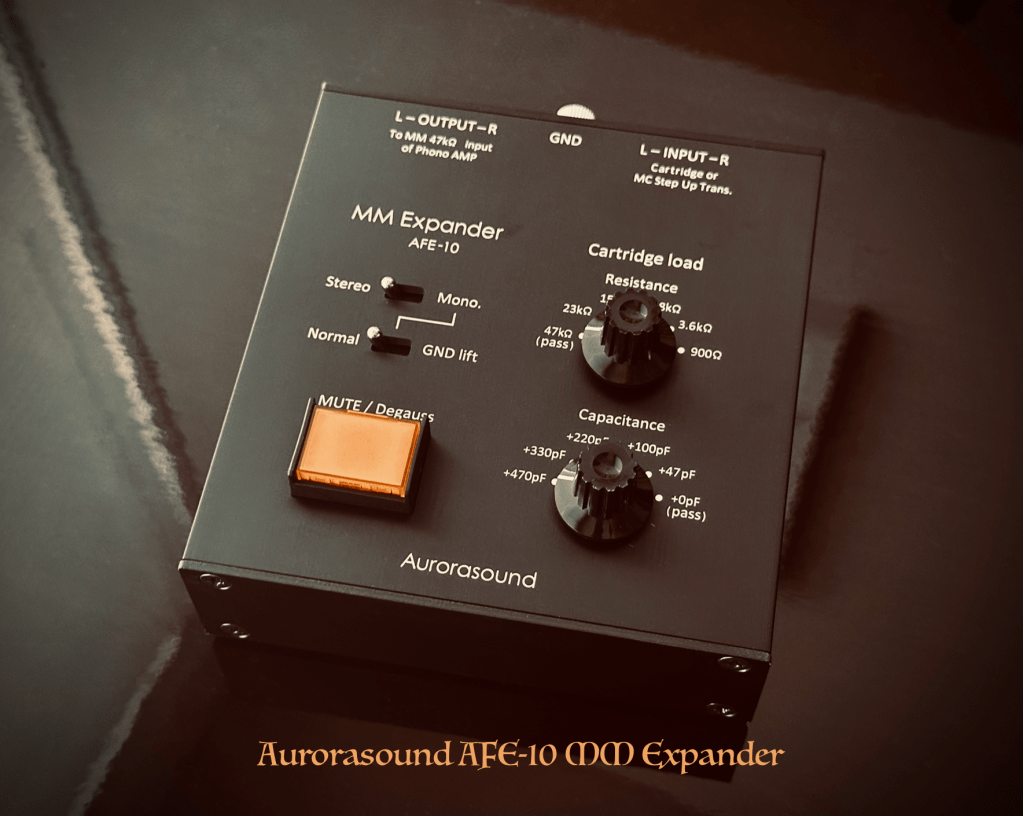
I’ve had one of these on my radar for ages and I was finally able to get hold of one. The AFE 10 is a useful device that you put into your system and immediately makes you wonder why it is not more common. It does not add gain, noise, power, or drama. It simply gives you proper control over something most people leave to chance: the electrical load your cartridge sees.
It is officially called an MM Expander, which sounds mysterious, but the idea is simple. Many moving magnet and high output moving coil cartridges are sensitive to resistance and capacitance. Change those values, and you change how the cartridge behaves. Most phono stages give you one fixed setting, but the AFE 10 gives you a full panel of options and invites you to explore.

What It Is
The AFE 10 is a passive unit that sits between your turntable and your phono stage. Inside are Takman resistors and Wima film capacitors, arranged on rotary switches that select different loading values. There is no power supply. You will not find tubes, op amps, or transformers. It is about as pure a signal path as you can get.
The build is typical Aurorasound. Compact, tidy, and engineered with a sense of calm precision. You feel the detents on the switches and immediately understand that someone cared about how this would be used every day.
What It Does
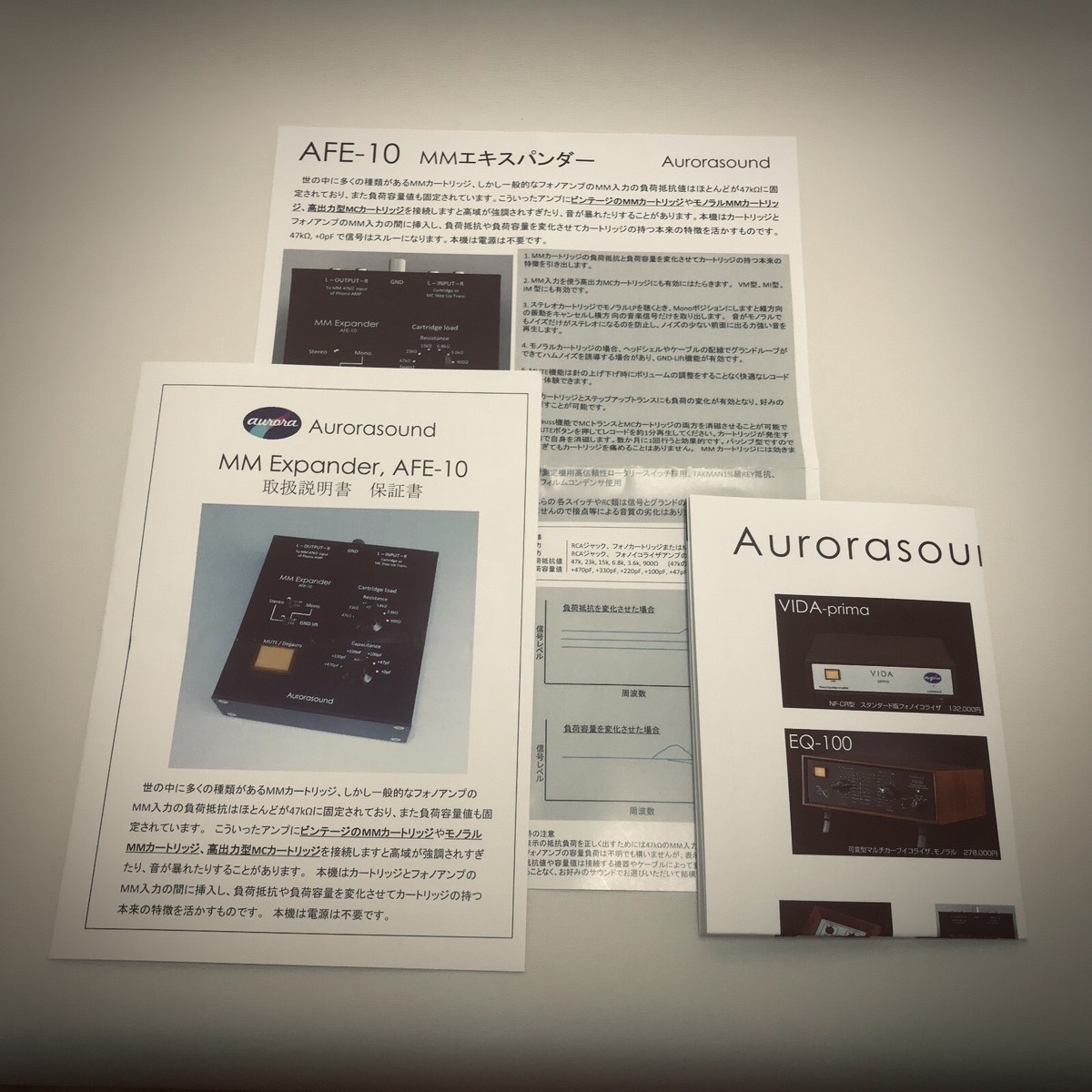
The AFE 10 lets you adjust:
Resistance
From light loads to heavier ones. This affects the level, tonal balance, and sense of drive.
Capacitance
Very important for many moving magnet cartridges, especially classic ones. It influences smoothness, treble energy, and spatial focus.
Mono
A proper mono switch for older pressings. A simple feature, but a meaningful one.
Ground Lift
A potential lifesaver when a stubborn hum sneaks into the system.
None of these features are glamorous, but they are practical and effective. The AFE 10 gives you control that normally requires custom cabling, soldering irons, or fiddling.
I have used the AFE 10 with a Grace F9E, which is famously sensitive to loading. Being able to click through capacitance and resistance values without swapping cables makes the whole process painless. It lets the Grace settle into a balance that feels natural and open rather than bright or thin.
I have also used it with a Grado Reference Sonata and the Ortofon 2M Blue. These do not need the same level of precision as the Grace, but both benefit from a little tuning. The Grado becomes more focused and controlled, the Ortofon less sharp and more rounded. You do not need to chase huge changes. Small tweaks can make a system feel more relaxed and confident.
The point is not that the AFE 10 transforms cartridges into something they are not. It lets them operate under conditions that suit them rather than whatever your phono stage happens to supply.
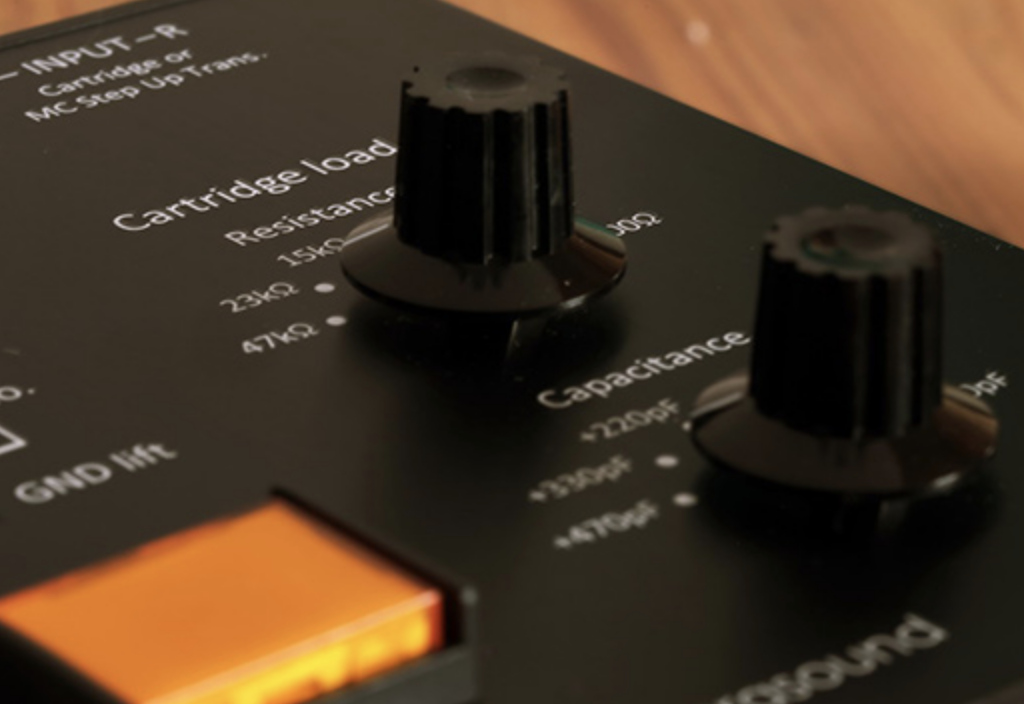
Cartridge loading is one of the most overlooked parts of analogue setup. People obsess over alignment, tracking force, mats, cables, and clamps, but leave loading as a fixed value. The AFE 10 gives you a way to treat it as the variable it actually is, and it does so in a very civilised and repeatable way.
It is not a tweak. It is a tool. A sensible one.
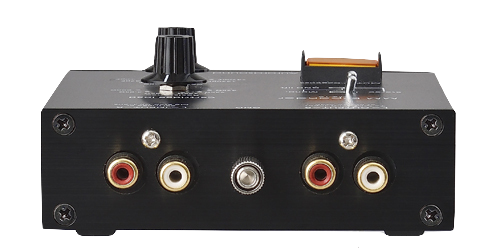
The AFE 10 is a small box with a very clear purpose. It provides proper control over an important part of cartridge behaviour without adding noise or colour. It is for people who enjoy the craft of analogue and want things to be right without fuss.
Nothing about it is flashy, but everything about it is useful, that is what makes it valuable.


 Audio Satori
You must be logged in to post a comment.