
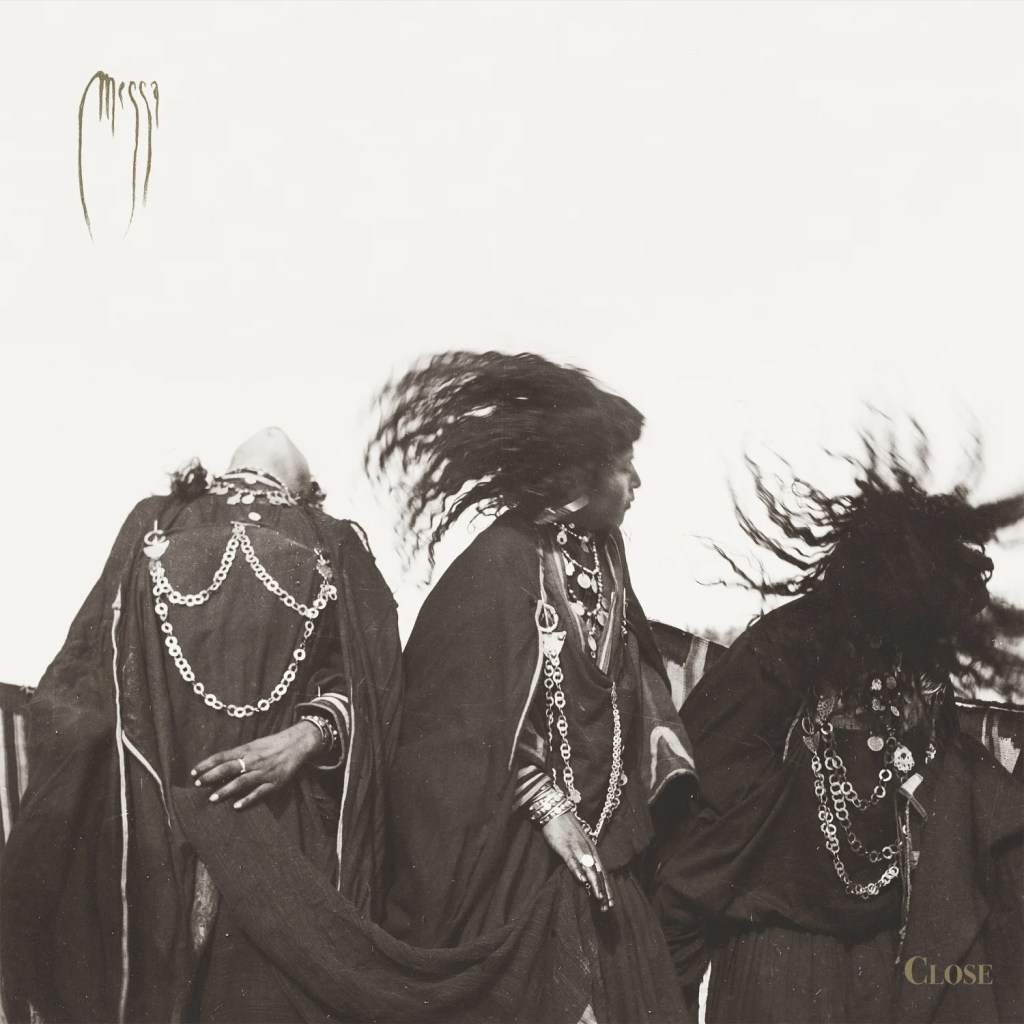
Yet again, I am late to the party. This seems to be a recurring pattern. While others have already moved on to the next thing, I arrive to it, usually in the car through an Apple Music random mix, discovering a band long after the initial excitement has passed. This time the band are Messa, from Italy, and the album is Close. I came to them without context or expectation, and with no sense of where they sat in the wider story. In hindsight, that was probably the best way to encounter them.
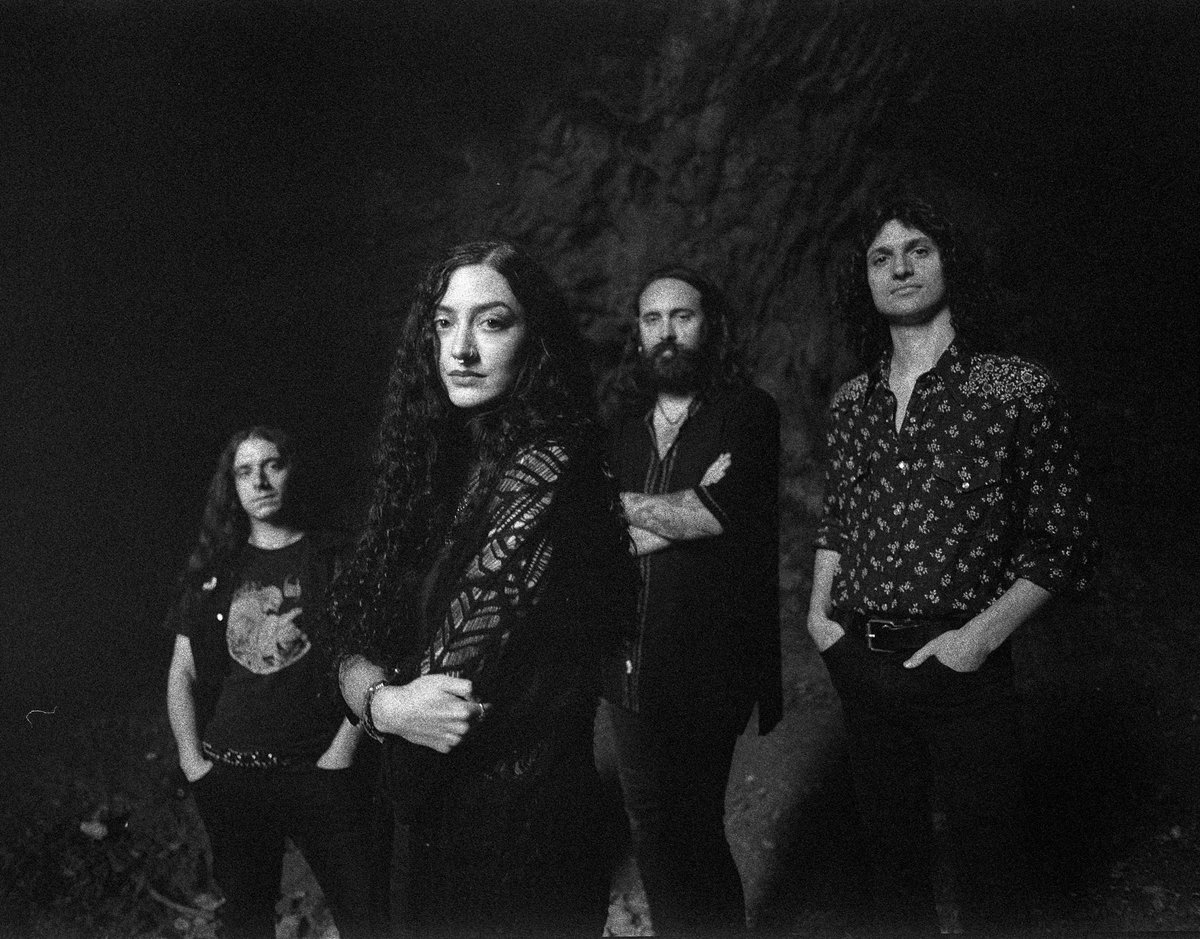
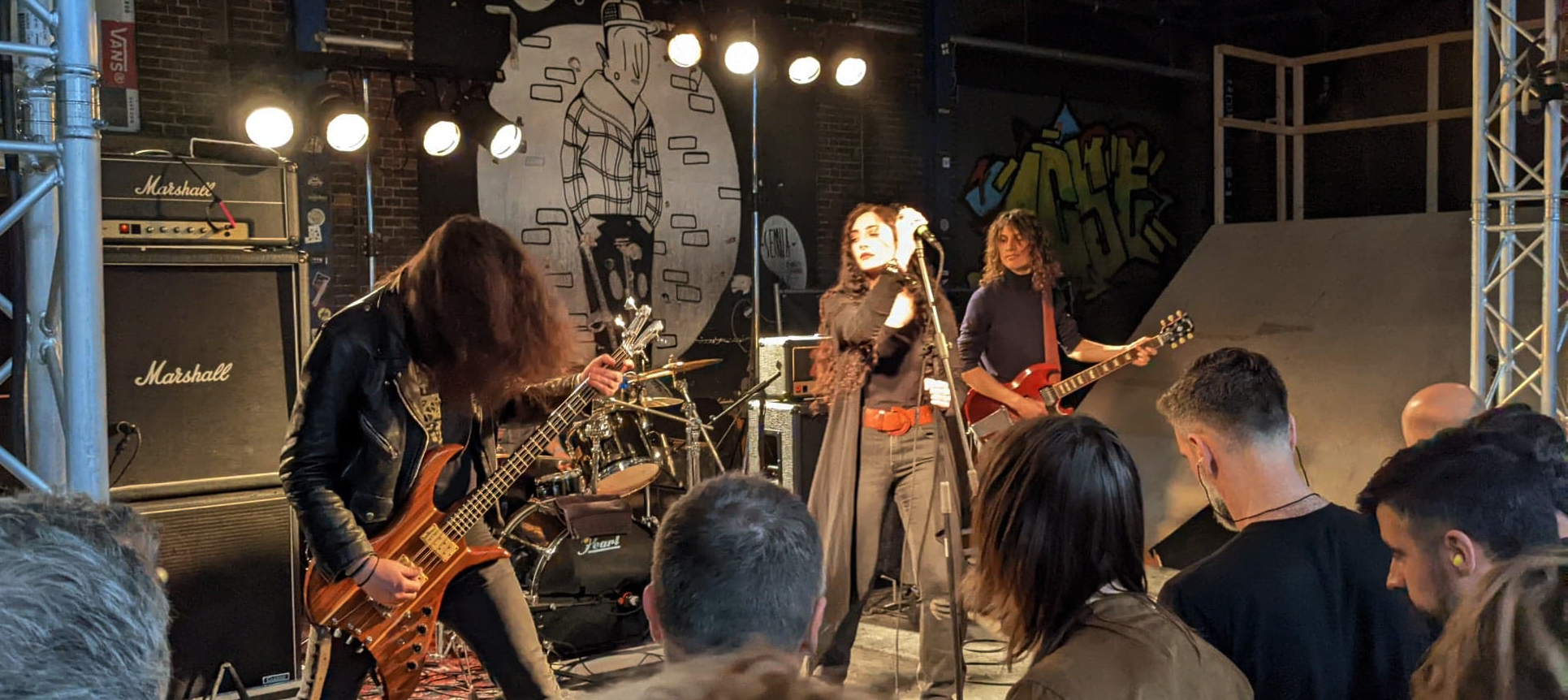
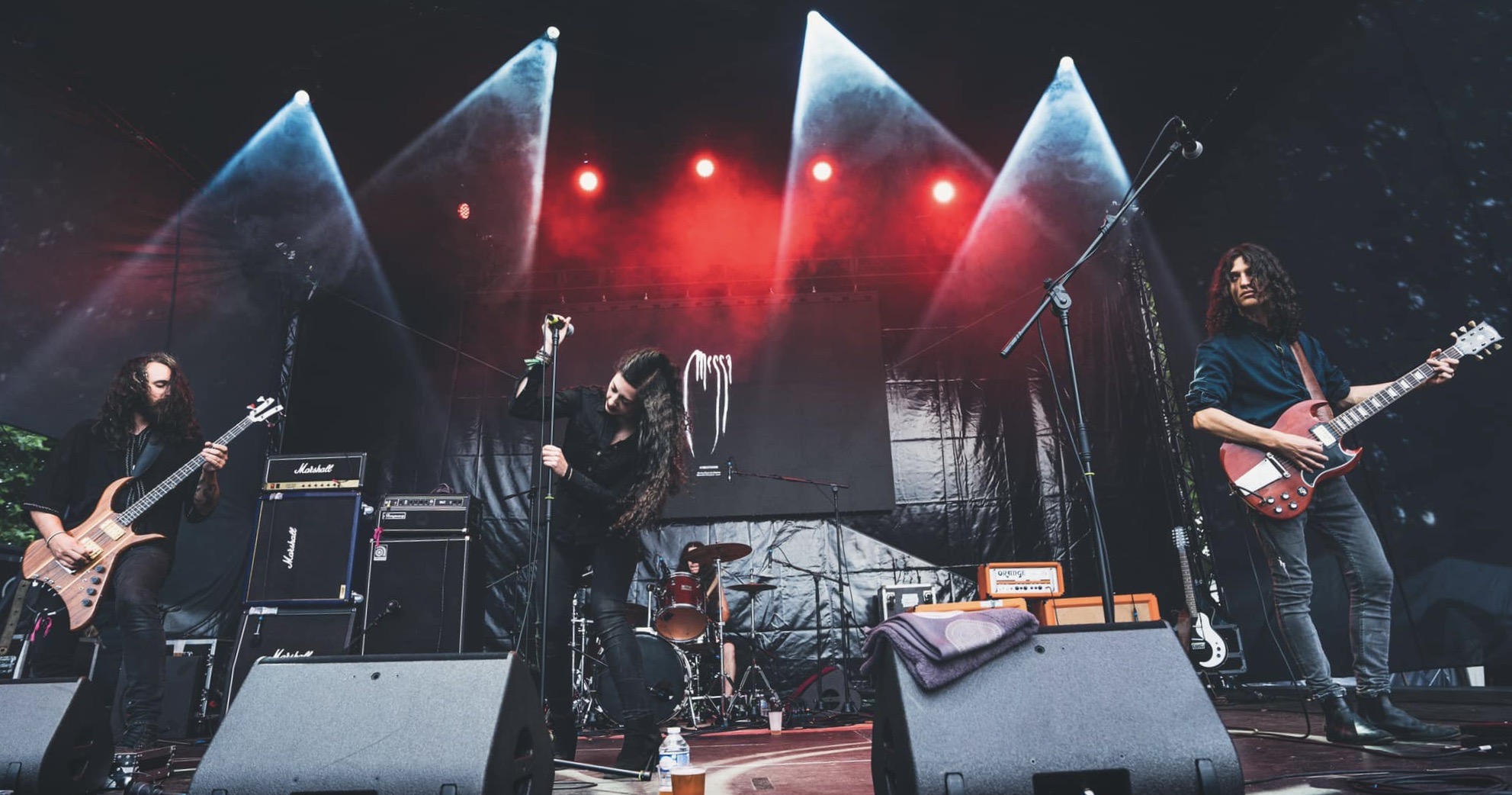
Messa are vocalist Sara Bianchin, guitarist Alberto Piccolo, bassist Marco Zanin, and drummer Rocco Toaldo. What becomes immediately apparent on Close is how closely these four listen to one another. The performances never feel competitive or crowded. Instead, the record unfolds as a series of balanced interactions, with each player serving the wider shape of the music rather than their own moment in the spotlight.
Some bands are defined by genre. Others stretch its edges. Very few appear largely uninterested in the exercise altogether. Close feels like the work of a band unconcerned with labels or lineage. Doom, metal, blues, jazz and something more ritualistic and cinematic all coexist here, not as statements, but as means to an end. The music moves where it needs to go, unburdened by the need to justify itself or be constricted by genre.
“Suspended” opens the album slowly, an ominous Rhodes piano establishing mood before weightier elements begin to surface. The guitar work favours texture over density, while the rhythm section pushes the track forward with restraint rather than force. When the vocals enter, they do not overpower the arrangement; instead, they settle into it, reinforcing the sense that this is a band comfortable with space.
“Dark Horse” introduces motion rather than speed. The drumming is in constant, subtle flux, keeping the track slightly off balance in the best possible way. As the song progresses, the guitar drifts into more dissonant territory, held in check by a bass line that provides just enough grounding to prevent the piece from unravelling.
“Orphalese” pulls the listener inward. The inclusion of duduk adds a ceremonial weight, but it is the collective restraint of the performance that gives the track its power. The bass remains warm and unhurried, allowing the music to breathe, while the surrounding textures feel sustained rather than imposed.
That sense of control continues through “Rubedo” and “Hollow”. These tracks live and die by dynamics, and the band handle them with confidence. Each shift feels intentional. Nothing is overstated, and nothing lingers longer than it should.
“Pilgrim” brings a subtle change in emphasis. The vocal performance expands in range and intensity, moving effortlessly between vulnerability and force. As the track opens up, the groove deepens, driven from below and allowing the piece to build without ever tipping into excess.
“0=2” is the moment where the band’s musicianship is most exposed. The first half relies almost entirely on restraint, every note placed with care. As the track unfolds, freer guitar and saxophone lines are allowed to wander, but always within a steady rhythmic framework. The result is immersive rather than indulgent, resolving in a way that feels both surprising and inevitable.
Just when the album seems to have settled into its own internal logic, “Leffotrak” arrives. At under a minute, it delivers the most aggressive passage on the record, a sudden burst of speed and intensity that feels deliberately confrontational. Almost black metal, which is always welcome in my house.
“Serving Him” closes the album with confidence. Picked guitar lines hover above a gritty bass foundation, tension building slowly and naturally. The restraint shown here feels deliberate, allowing the album to exhale rather than announce its conclusion.
Close should not work as well as it does. An album this fluid, this willing to move between moods and forms, often risks feeling unfocused. Instead, it remains remarkably coherent, anchored by performances that prioritise listening over display. Nothing sounds forced. Nothing feels like an experiment carried out for its own sake, it’s all very deliberate and cool. They sort of sound how I always wanted The Tea Party to sound back in the day.
Usually, when I encounter an album this absorbing, my instinct is to look ahead, to see what else the band has done or where they might go next. This time, I am content to stay here for a while. There is still plenty left to uncover within Close, and I suspect it will continue to reveal itself slowly, over time. I will undoubtedly explore their back catalogue, but I won’t rush. I know they have newer album out as well.
It’s cool there is so much amazing new music. For now I can only stream this, as all the physical media seems sold out on their Bandcamp page, but to be fair I haven’t delved too deeply yet, I’ll check out my usual sources for such things and see what I can dig up. The cost of getting vinyl all the way down here is getting prohibitive. Anyway, a cool discovery to round out 2025.
Check out their bandcamp page.


 Audio Satori
You must be logged in to post a comment.