
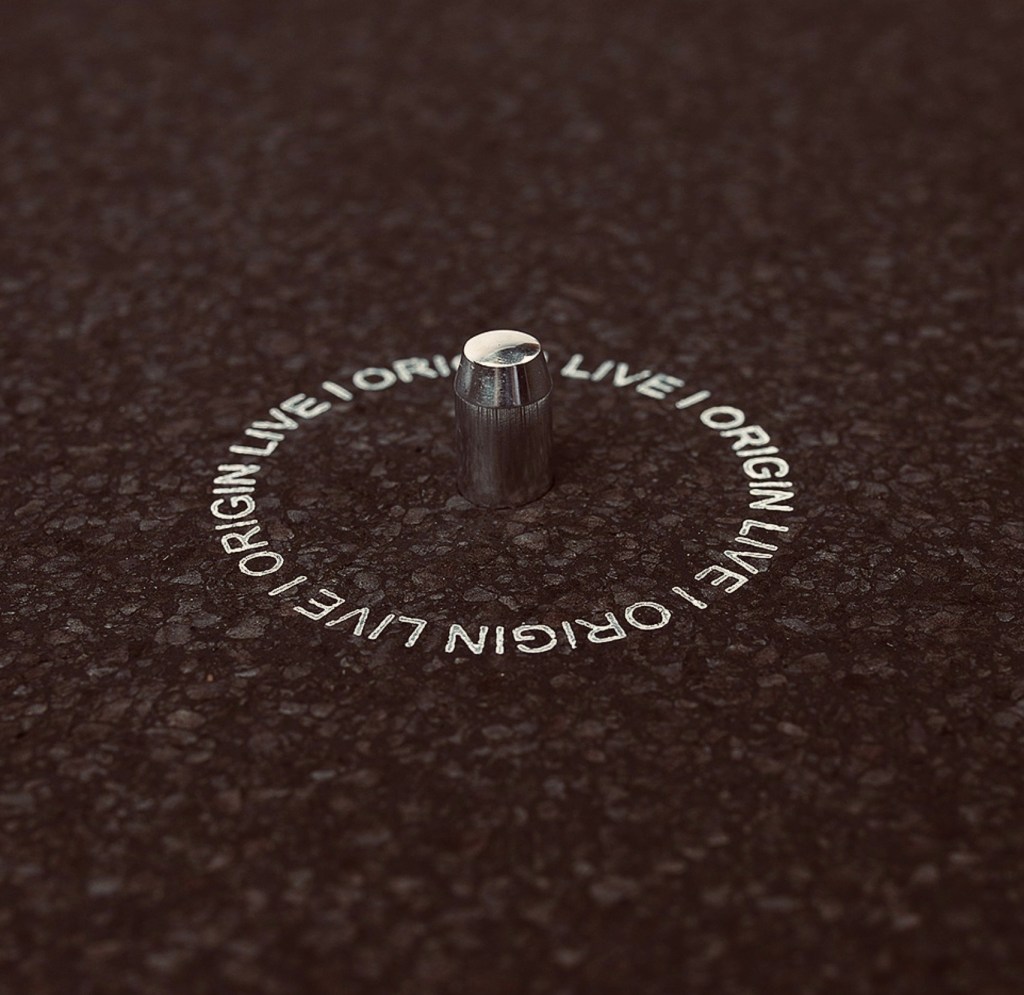
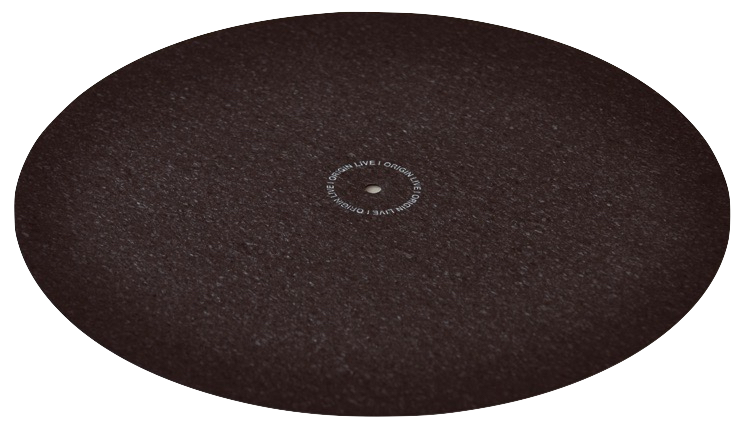
I’ve just received (after chasing down the courier), an Origin Live Platter Mat and am looking forward to putting it through its paces. Origin Live, of course, is better known for their turntables and tonearms, but this mat is designed to improve the interface between platter and vinyl, damping unwanted resonances and tightening up the sound. I’ll be spending some time playing around with it to see what it actually does, and whether it brings that step up in clarity and cohesion that these kinds of tweaks often promise. It’s only 1mm thick and is made of some mystery material.
Just another cheap tweak to play around with, again bought with next years project in mind…
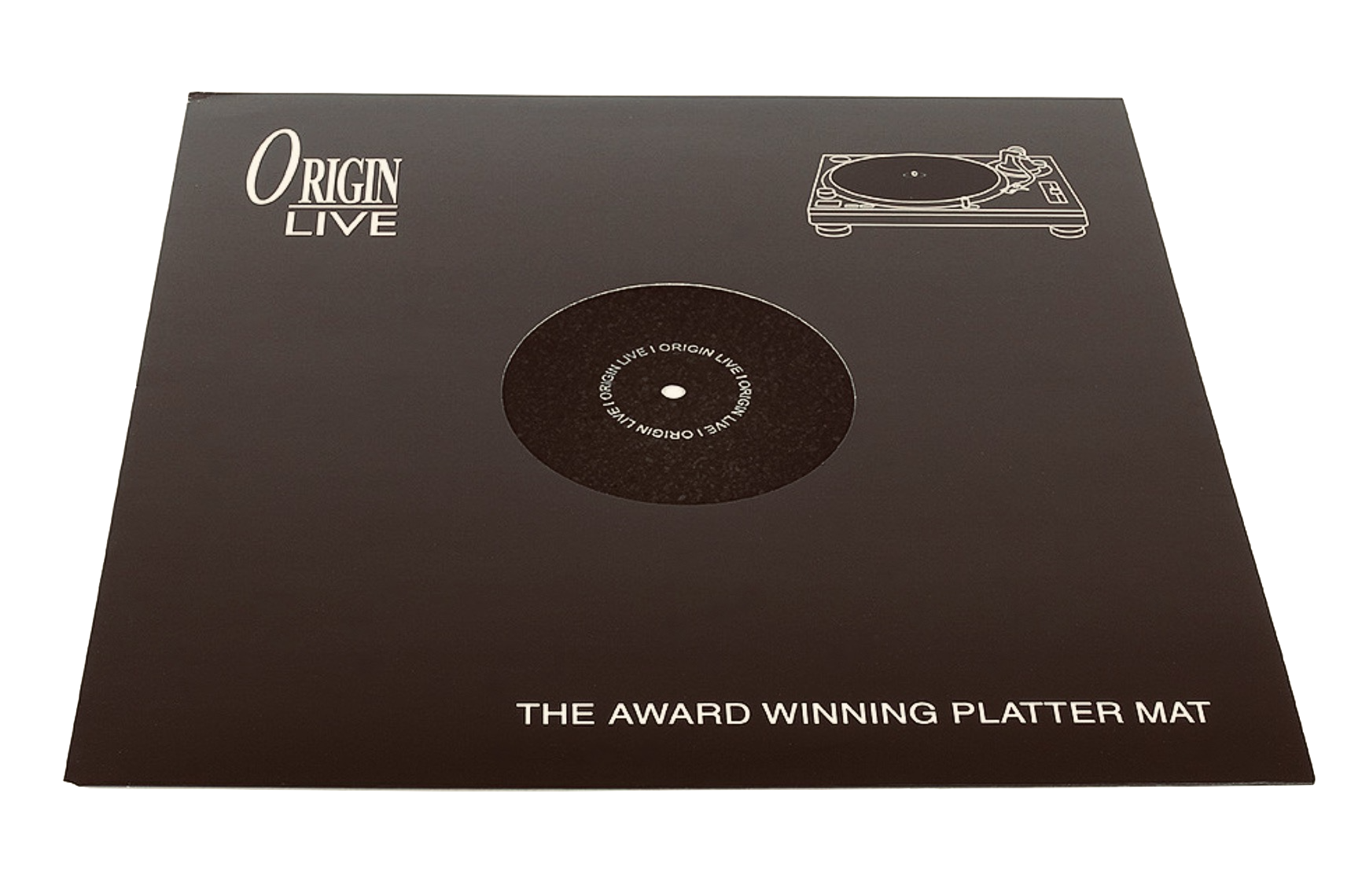
Their blurb: “A platter mat upgrade is highly effective because it affects the critical interface between your vinyl records and the turntable you play them on. Experimentation with different turntable mats is simple and quick. You find the sonic differences are usually noticeable. Even if your turntable is not supplied with a platter mat, this mat will improve sound quality. Origin Live’s Platter Mat Upgrade makes a far greater difference than most others, bringing a positive difference to every aspect of the music.
The Origin Live Platter Mat Upgrade greatly enhances musical enjoyment, by bringing recordings alive. Music becomes better integrated and far more natural. Bass solidifies and timing improves–gone is a muddy bass that blurs performance. An extra octave of bass is often tapped by the Upgrade Platter Mat. The mid-band acquires increased clarity.
Great Mats Have Three Functions
First, it must decouple the record from vibration entering it via the turntable, this includes bearing noise, transmitted motor noise through the drive system, cartridge feedback, chatter transmitted via the tonearm into the turntable, ground and air-borne audio feedback, underground pumps, etc.
Second, it must absorb and transmit resonance out of the record itself. A stylus vibrating in a record groove sets the vinyl resonating in a way that will feedback into the stylus if not highly controlled. This may be momentary to the tiniest fraction of a second, but will nonetheless create a blurring of the signal and overlay other parts so that they will not be heard. In other words, there can be loss of information and addition of spurious noise to the intended signal.
Third, it must transmit the drive to the record without elasticity or slip. The surface that the record sits on in response to the amount of drag on the record. At best, this will be a very slight momentary elastic movement backwards, but enough to slightly deaden the impact of a bass note drum strike. At worst it will cause the record to slip backwards, which is only obvious when you can hear wow occurring–as in the case of a badly dished record that only contacts the platter in the centre.”


 Audio Satori
You must be logged in to post a comment.