
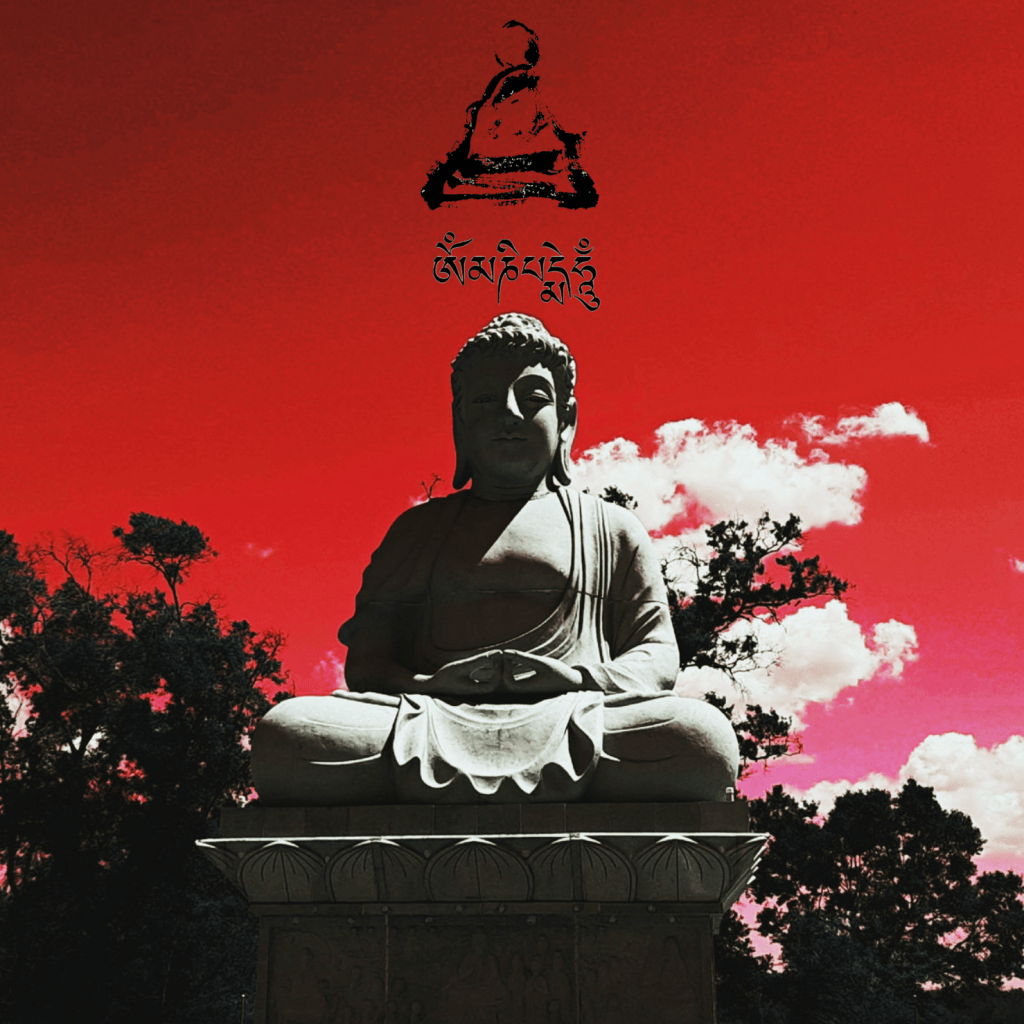
More new music…
Since I have time at the moment to write more nonsense, I thought I would do an overview of a cool musical project I have been enjoying for a while now.
OM have long been one of my reference points for what heavy music can become when it sheds excess and turns inward. Advaitic Songs remains a touchstone, and in the fourteen long years since its release I’ve more or less stopped expecting a new record to arrive and resolve that particular longing. Rather than expiring in a state of permanent waiting, I eventually stumbled across a project that, while not a substitute, occupies a similar spiritual and sonic terrain. Dhyana doesn’t replace OM, but it does fill that space to an extent, offering a parallel path for listeners who are drawn to weight, repetition, and the idea of heaviness as a form of meditation rather than confrontation. I’ve been listening to them for the past year or so, again, late to the party… The recommendations below are from a Reddit thread from a few months ago, and I think they give a good overview of what this music is about.
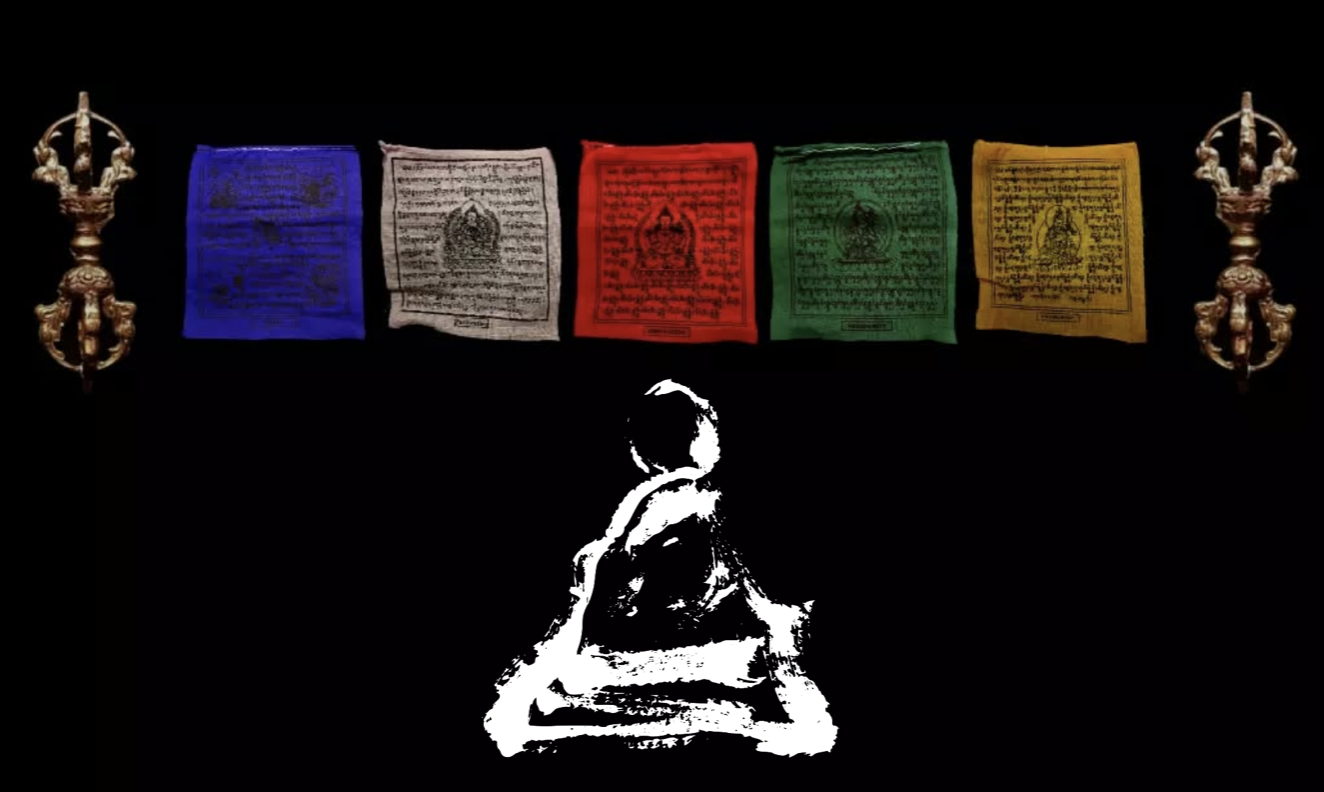
Dhyana is a one man project emerging from Louisiana, described on Bandcamp as being dedicated to Buddhist teachings and meditative practice. From what I can gather, the project took shape during the long stillness of the COVID lockdowns and has been unfolding steadily ever since. There is no visible label infrastructure here, no sense of external mediation. Everything appears to be self released, primarily through Bandcamp, with other streaming services functioning as secondary windows rather than the main room.
That independence matters. You can hear it in the pacing, the refusal to edit ideas down to something more “reasonable”, and in the way records feel like documents of practice rather than products aimed at a market.
Dhyana describes the sound as “meditative sludge” or “Dharma doom”, which is surprisingly accurate. At its core this is bass and drums heavy music, slow moving, distorted, repetitive, and deliberately immersive. OM is the most obvious reference point, particularly in the way riffs function as mantras rather than vehicles for development. The Buddhist themes are not decorative; they are structural, shaping how long ideas are allowed to breathe and how little urgency there is to arrive anywhere in particular.
There is also a sludge edge that becomes more pronounced in later releases, which may resonate with listeners who come from that genre rather than the more austere end of the drone spectrum. Psychedelic and Indian influenced textures drift in and out, sometimes clearly articulated, sometimes half submerged. If you like your bass distorted and heavy as fuck, your tempos slow, and your songs unconcerned with conventional duration, Dhyana will feel immediately familiar.
Discography highlights
Rather than a career arc, Dhyana’s catalogue feels more like a series of parallel meditations, each approaching the same core ideas from slightly different angles.
Bodhisattva (2021)
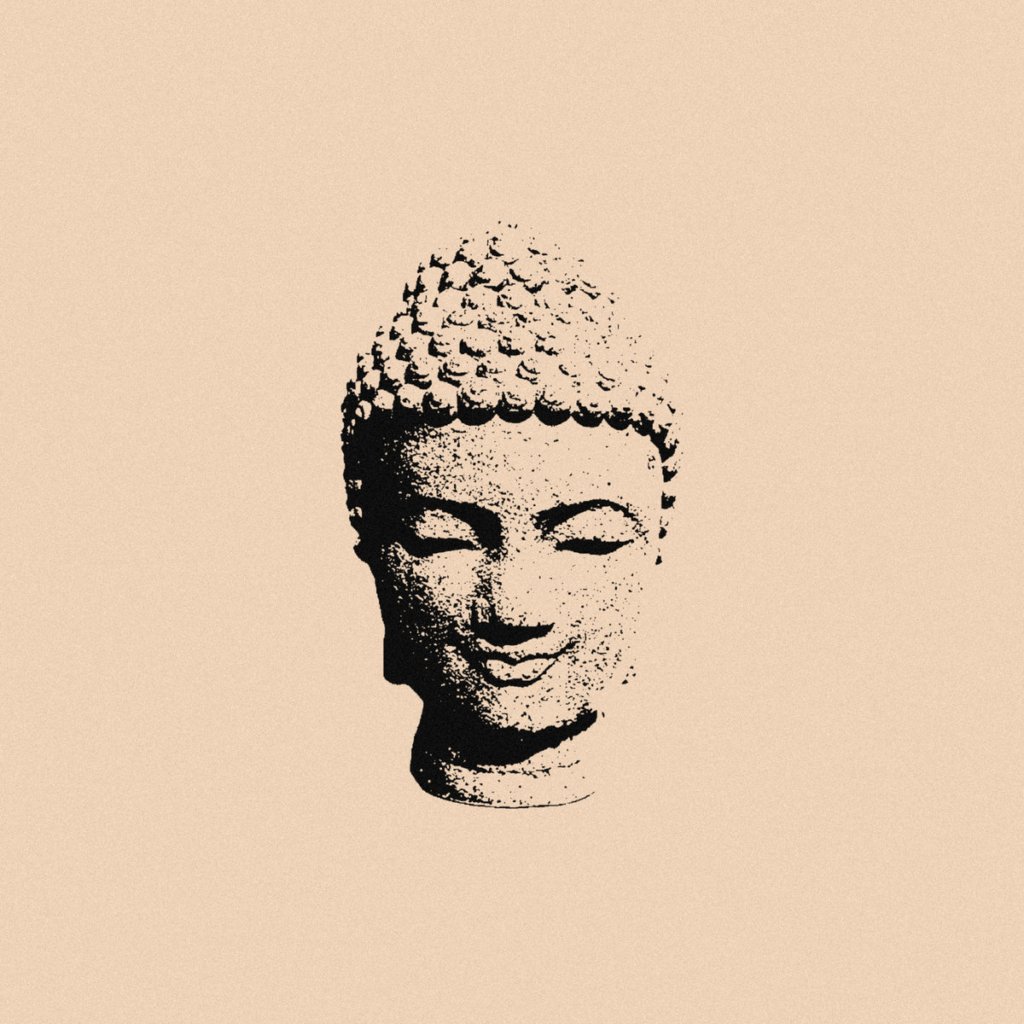
The first major release and still one of the most direct. The riffs are blunt and physical, the bass tone huge. The MIDI drums are rough around the edges, but once you acclimatise they fade into the background and the strength of the material comes through. There is an urgency here that later releases often soften.
Satori (2022)
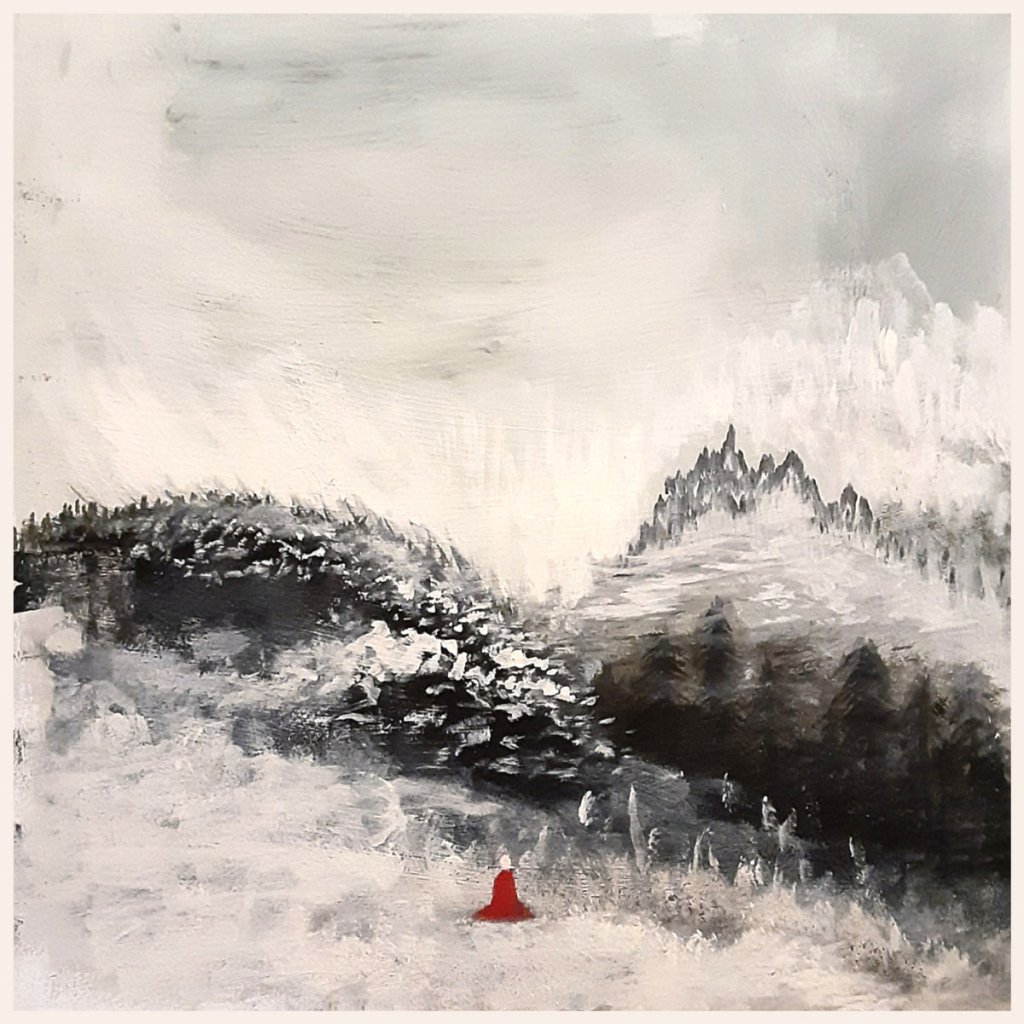
Slower, dronier, and more enveloped in reverb. This is Dhyana leaning fully into atmosphere. The riffs are less memorable as discrete shapes, but the record works as a single, fog bound experience. It feels less like a statement and more like a walk taken without a destination.
Trikaya (2022)
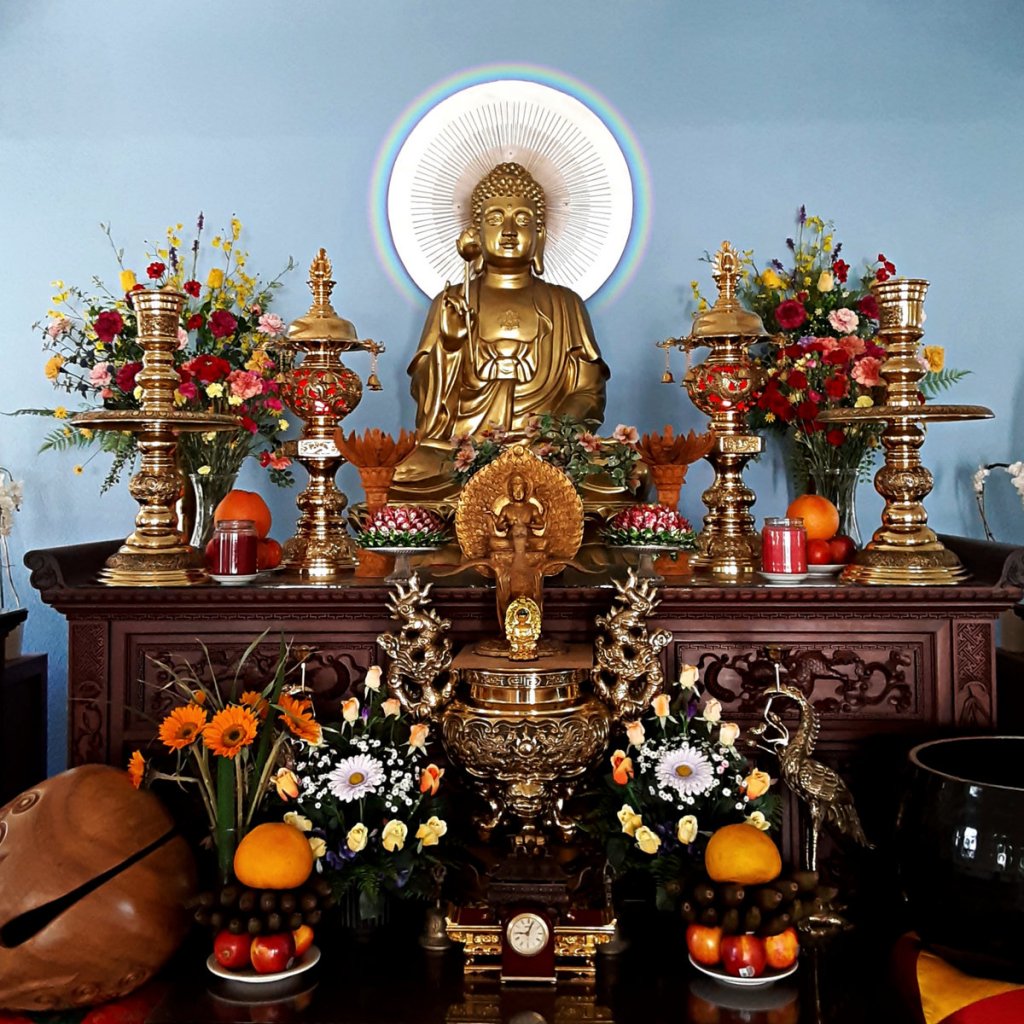
A significant step forward in production and ambition. Additional instrumentation and more complex structures appear, with fewer tracks stretched over much longer durations. It remains deeply meditative, but the psychedelic elements are more pronounced, and the doom is still very much present. Essential listening for OM fans, particularly those drawn to God Is Good or Pilgrimage.
Shikantaza (2023)
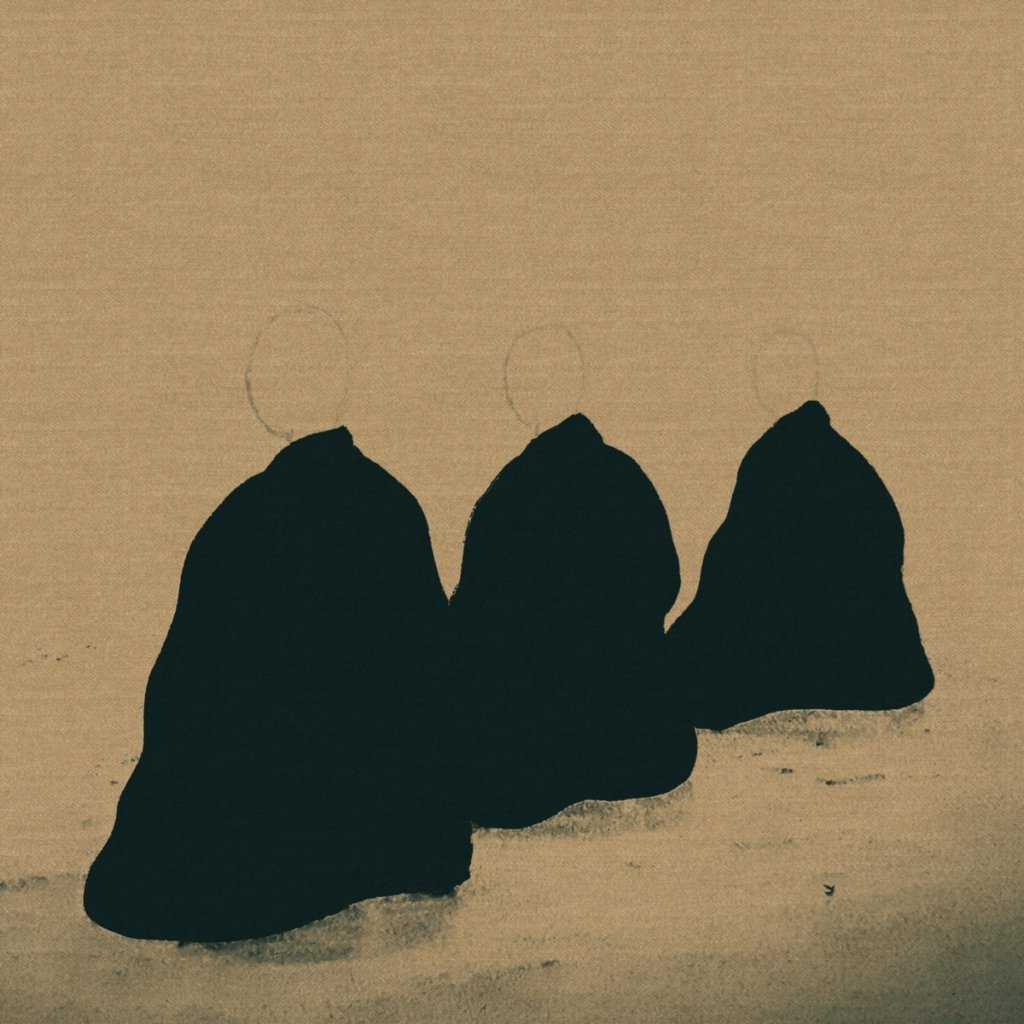
Arguably the high watermark. The tones are dialled in, the riffs are patient and devastating, and while the drums still betray their digital origins, they no longer distract. The opening track lands with real force, and the record rewards repeated listening in a way that feels intentional rather than incidental.
Bodhicitta / Tathagata (2024)
Twin releases that push further outward. Bodhicitta is more experimental, with unusual rhythmic choices and less linear song structures. Tathagata is denser and heavier, built from four long form pieces that drift between crushing weight and quieter, almost soundscape like passages. Each track feels self contained, almost album length in its own right. These are less immediately accessible and probably not the place to begin.
Amituofo (2024)
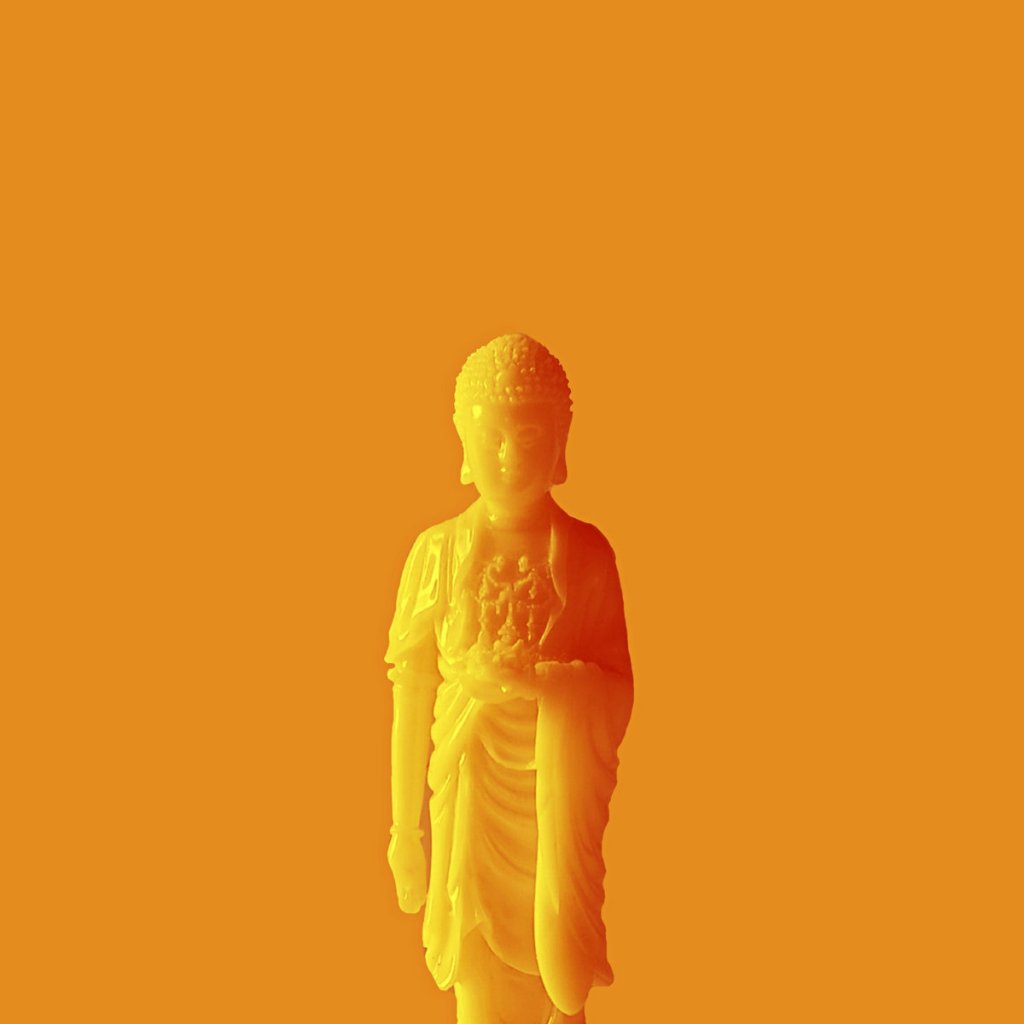
Nominally a single, though at sixty minutes the term feels meaningless. A slow, droning expanse with a steady, almost ritualistic pulse.
Arahant (2025)
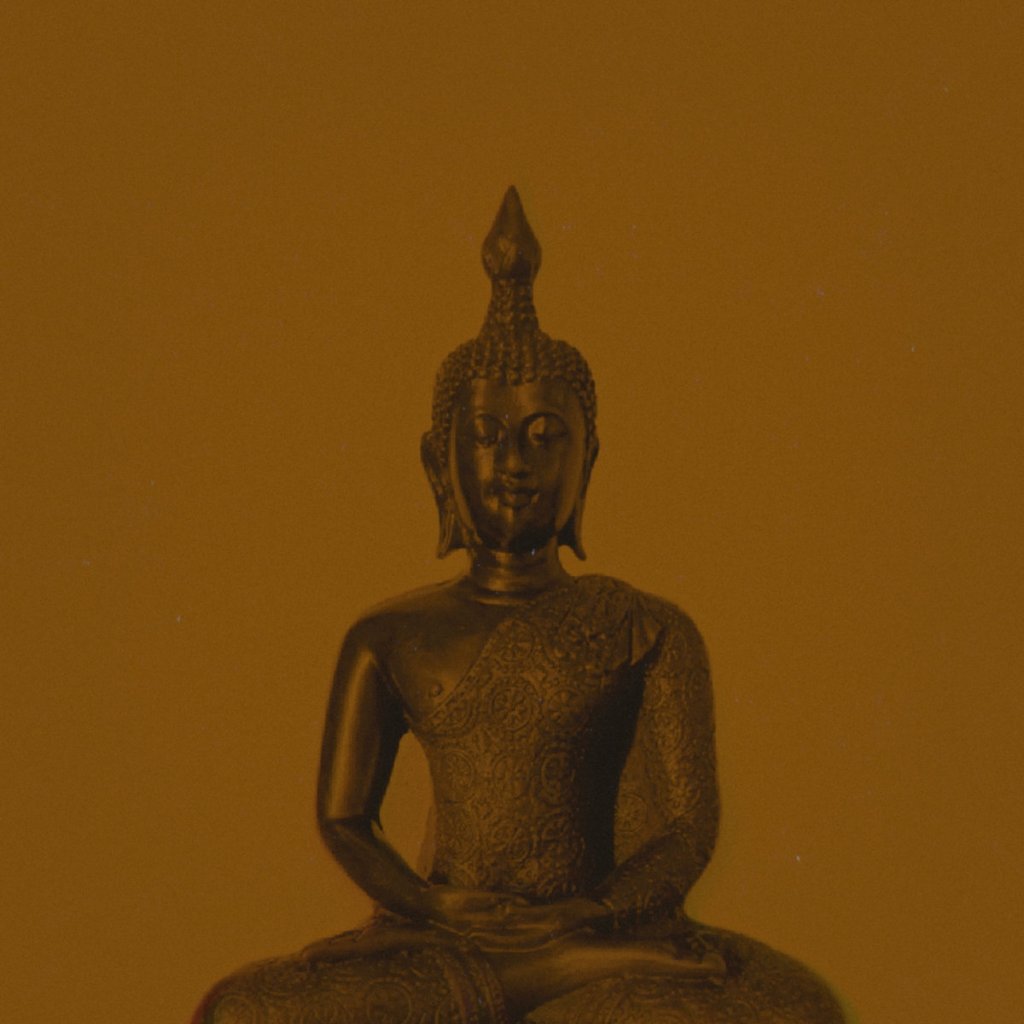
Returning to a more overtly meditative psychedelic space, but with added heft. Indian tonalities are more prominent, and the riffs are some of the strongest in the catalogue. Heavy without being oppressive.
Mu (2025)
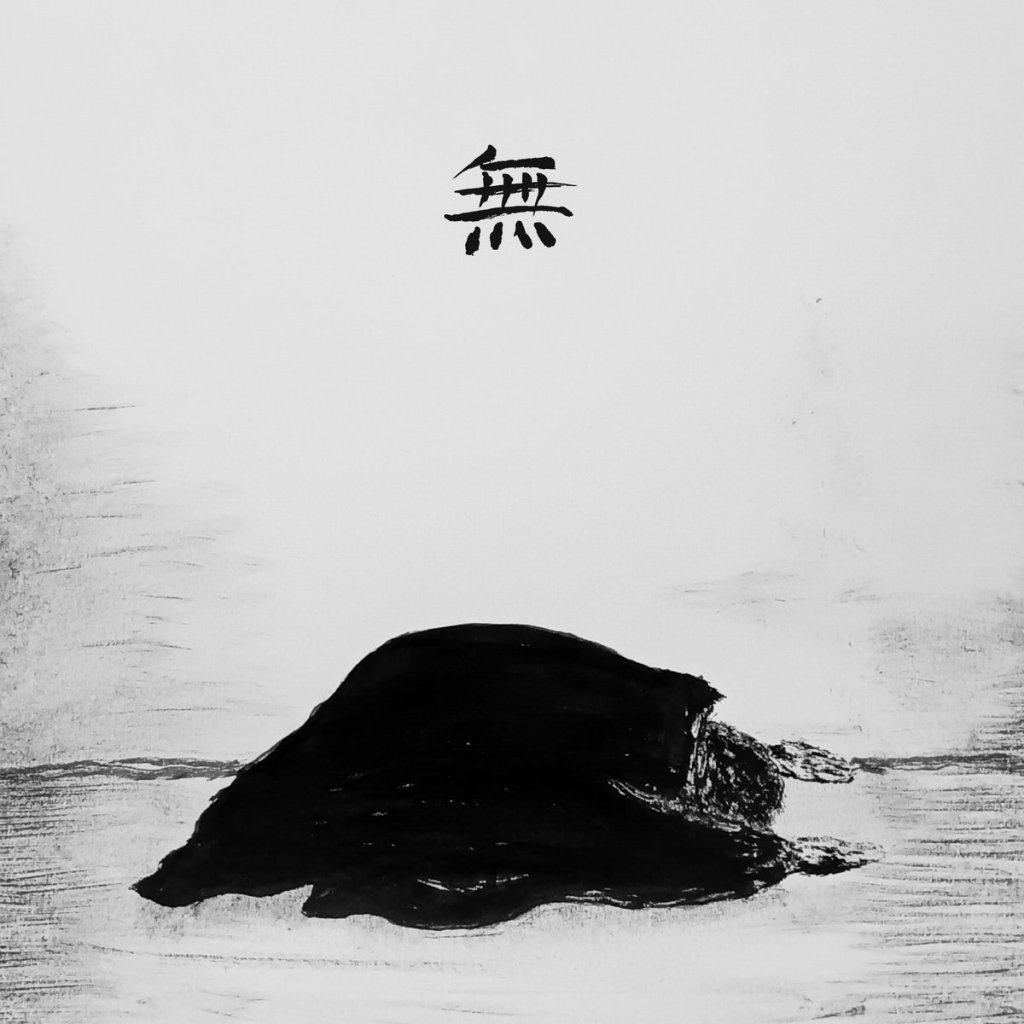
Essential listening. One of those releases that clarifies the entire project in retrospect. Very much like early OM stuff.
Other releases
There are numerous smaller or more exploratory works that fill in the edges of the catalogue.
Bhumisparsha (2024) is shorter and more experimental, rich with psychedelic flourishes and traditional Indian sounds.
Terma (2022) is uneven but contains moments of real interest.
Dzogchen (2023) is a single forty seven minute drone piece, closer to ambient practice than metal.
Singles and EPs
Early shorter form releases such as Bhaisajyaguru and Mahamudra (both 2021), alongside later pieces like Cold Mountain (2023) and Mozhao (2025), function more like sketches or side meditations than standalone statements, but they’re worth exploring once you’ve acclimatised to the longer works.
Where to listen
Bandcamp remains the natural home for this project, both conceptually and practically. Having said that 99% of the time I am listening through Apple Music when it comes to streaming. The Bandcamp app is a bit clunky to really use effectively.
The only sad part is that there are no physical releases to collect. All streamed only for now as far as I can determine. That’s cool though… we’re living in 2026 and I guess it has to be expected to an extent.
If nothing else, Dhyana is a reminder that heavy music can still be inward looking, patient, and uncompromising, without needing to announce itself as such.
Someone came up with this cool flow chart for those who want to explore Dhyanas music:
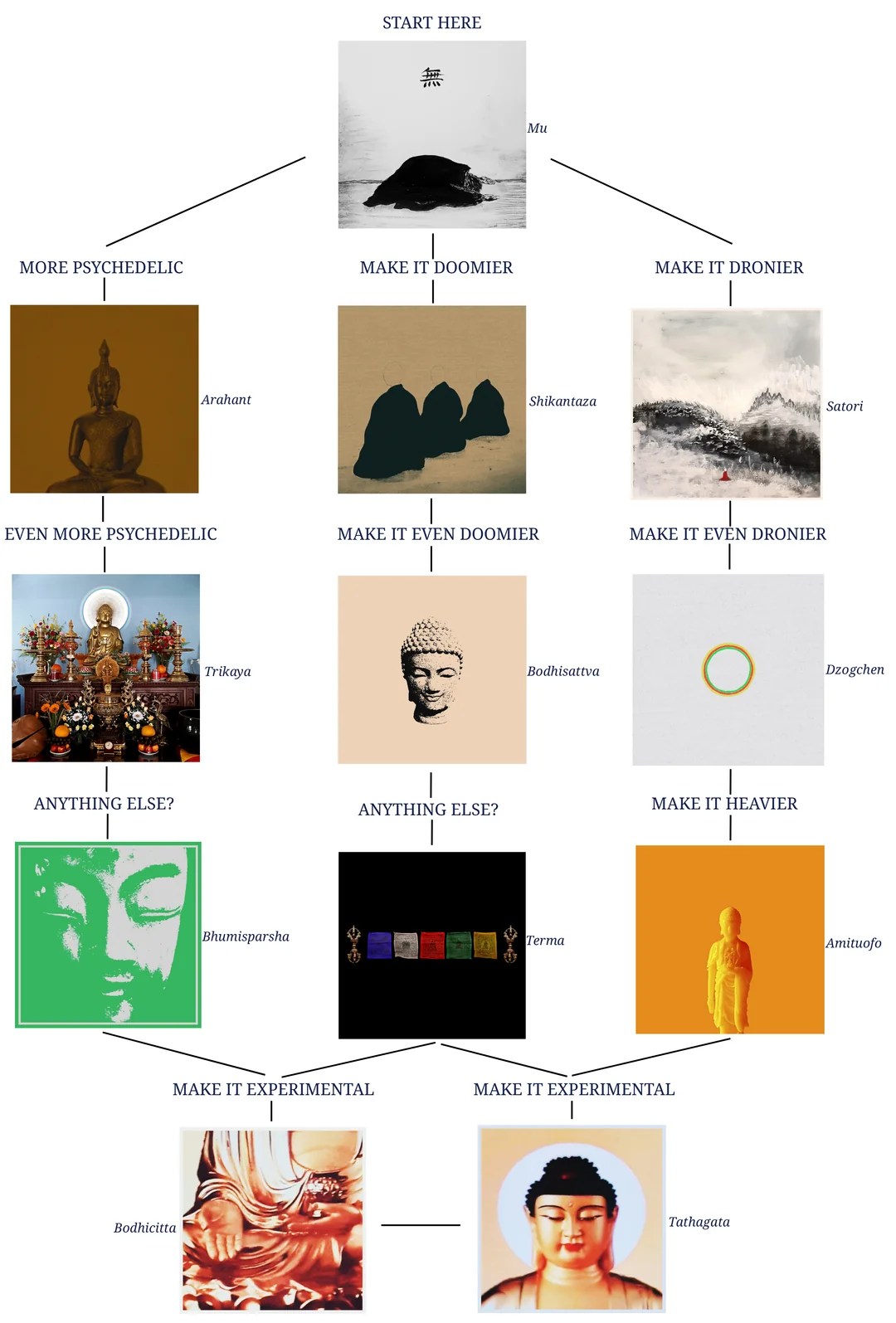


 Audio Satori
You must be logged in to post a comment.