

Past and Present Relevance
Few cartridges carry the cultural and technical weight of the Ortofon SPU. It is not merely a long running product, but also a design that helped define what moving coil playback would become. First conceived at the dawn of stereo vinyl and still actively manufactured and sold today, the SPU lineage occupies a rare position where historical importance and contemporary relevance overlap. With my own SPU-AE soon to be used in my newly refurbished Ortofon RF-297 tonearm, it feels timely to revisit where this cartridge came from and why it still matters.
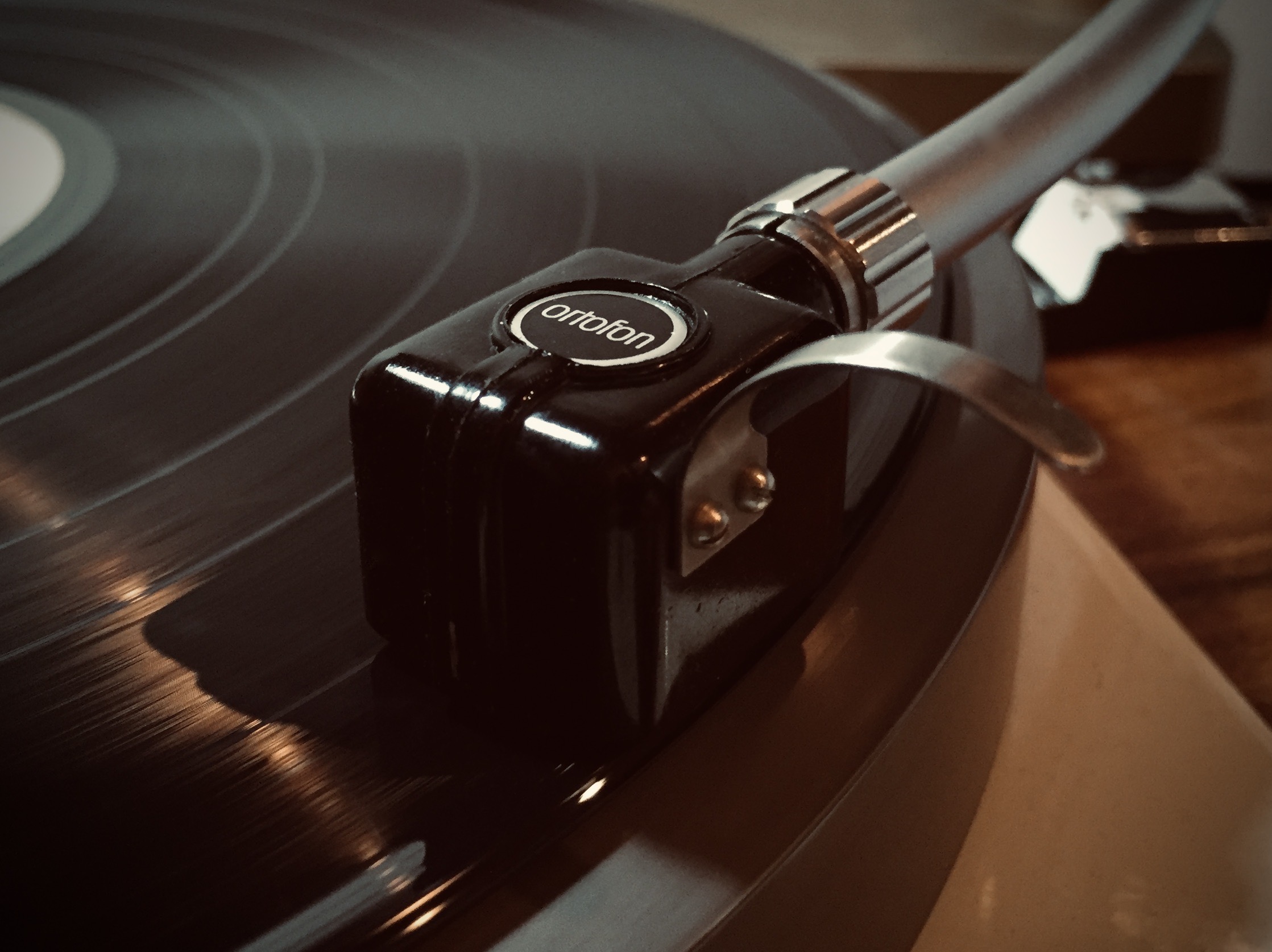
As detailed in a relatively recent and well researched feature in the (potentially sadly defunct) Resistor Mag the SPU story begins not as a consumer audio product but as a professional solution. Ortofon emerged from Denmark with deep roots in film sound and broadcast engineering. By the late 1940s their engineers were already pushing beyond the limitations of crystal and moving magnet pickups.
The SPU or Stereo Pick Up was developed specifically to meet the demands of the new stereo LP format that arrived in the late 1950s. At the centre of this effort was Robert Gudmandsen whose moving coil generator design proved both robust and musically convincing. Unlike many later cartridges that chased specifications, the SPU was built to solve real world playback problems. It tracked securely, delivered strong output for broadcast use and presented music with coherence and scale.

Resistor Mag rightly frames the SPU not just as a successful cartridge but as an archetype. The basic moving coil architecture established here went on to influence decades of cartridge design across the industry. Many later classics can trace their conceptual lineage directly back to the SPU generator.
The SPU-AE represents an important refinement within the family. The elliptical stylus profile improved groove tracing and high frequency resolution over earlier spherical designs while retaining the tonal density and midrange authority that define the SPU sound.
What makes the SPU-AE compelling today is that it does not sound like an artifact from another era. Instead it offers a presentation many modern listeners find refreshing. There is weight to instruments a sense of physicality and a rhythmic solidity that encourages listening to music rather than listening to equipment.
Typical characteristics include a low output moving coil generator producing approximately 0.18 to 0.2mV at 1 kHz. Internal impedance is very low at around 2 ohms making the cartridge ideally suited to transformer coupling. Dynamic compliance sits in the region of 8 to 10μm/mN which places it in the low to medium compliance category and explains its affinity for higher mass tonearms.
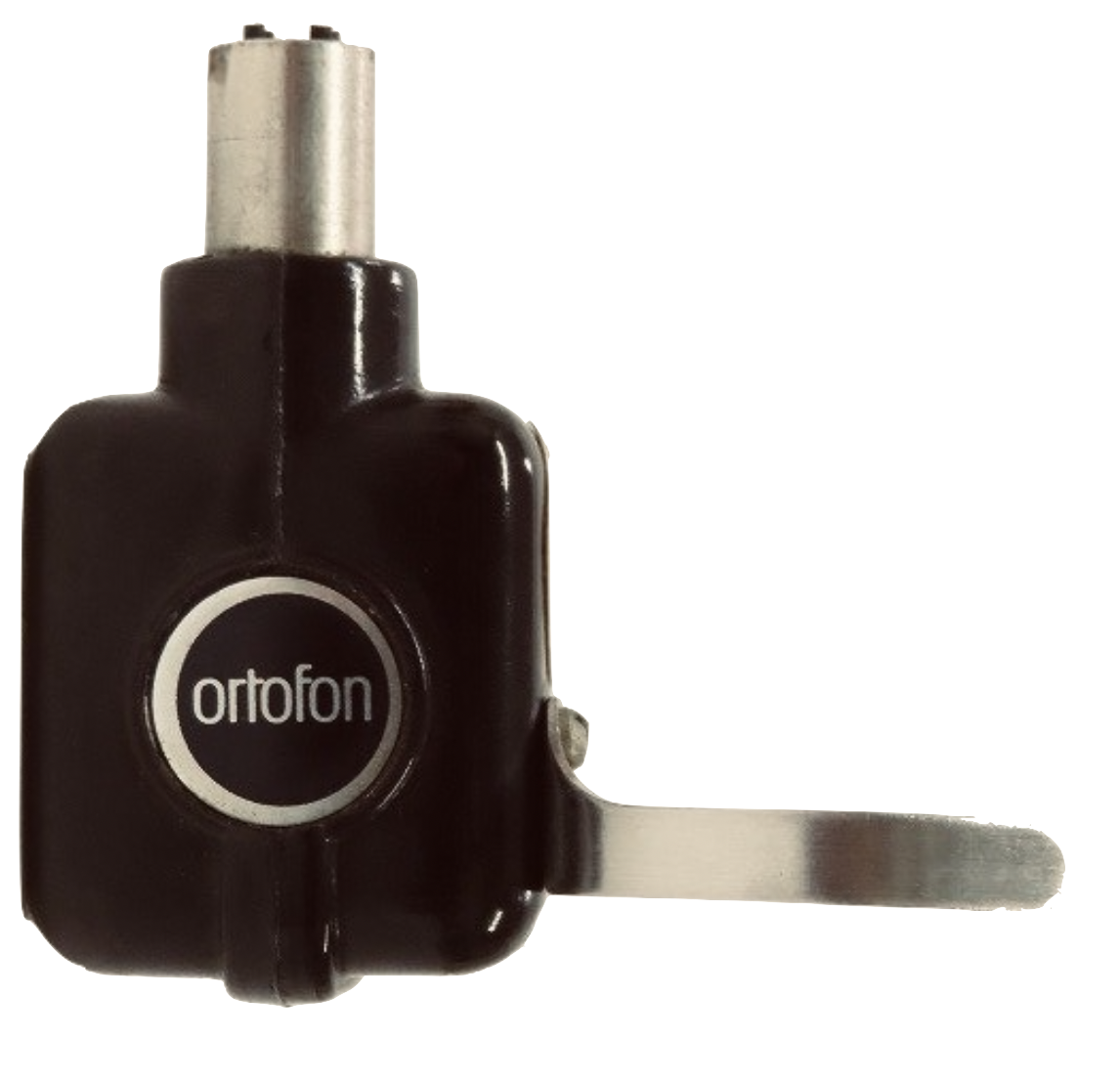
Recommended tracking force is substantial by modern standards typically around 4g which contributes to its secure tracking and stable groove contact. The nude elliptical stylus profile is usually specified at roughly 8 by 18μm, balancing resolution with long term groove friendliness when properly aligned.
Total cartridge weight is typically around 28 to 30g depending on body construction reinforcing the need for a tonearm with appropriate effective mass and bearing stability.
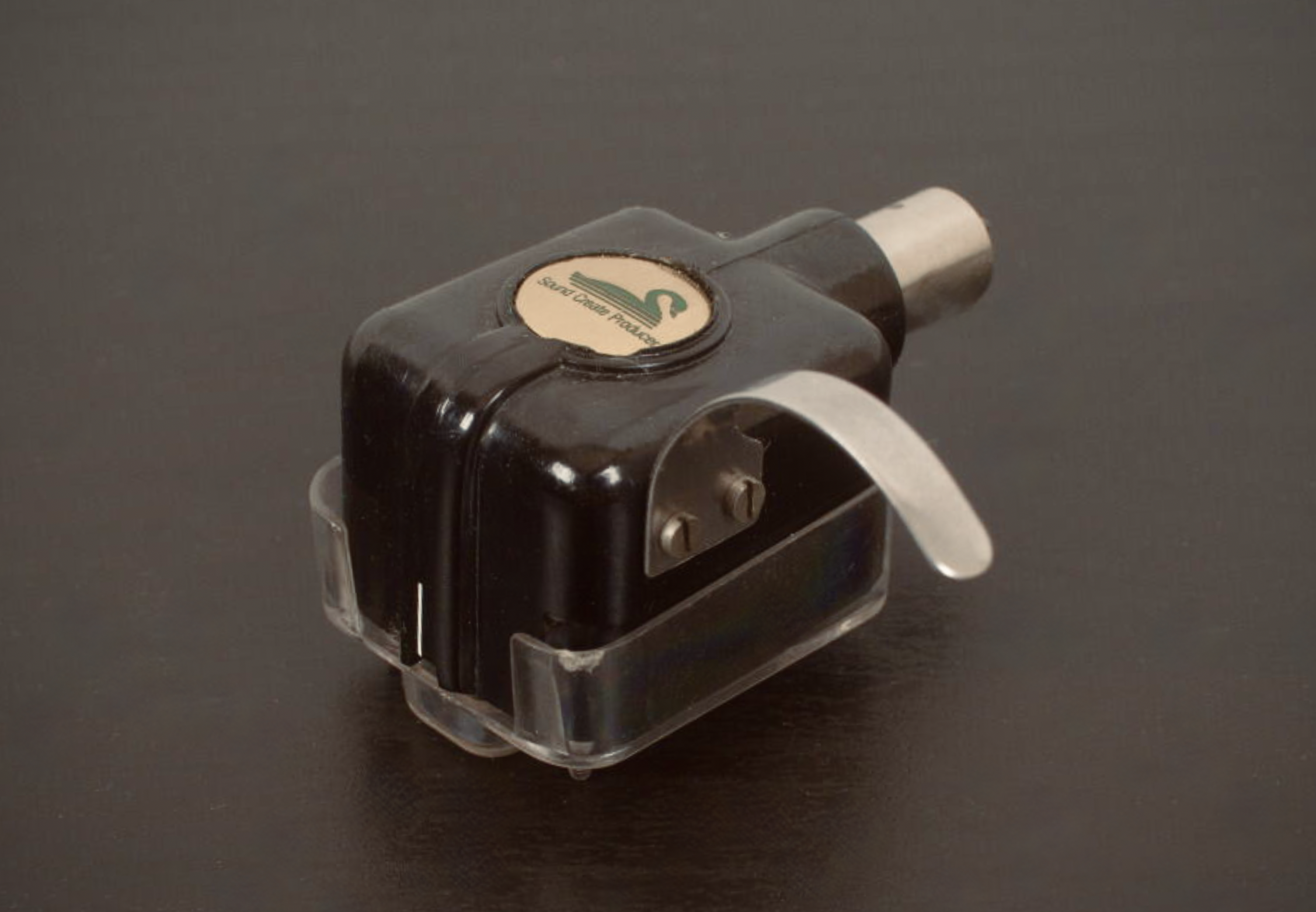
Apparently someone did an experiment with the A version compared to the longer G and he posited that the bakelite and smaller size of the A meant fewer resonances and that lead to a better sound from the same generator, who knows though.
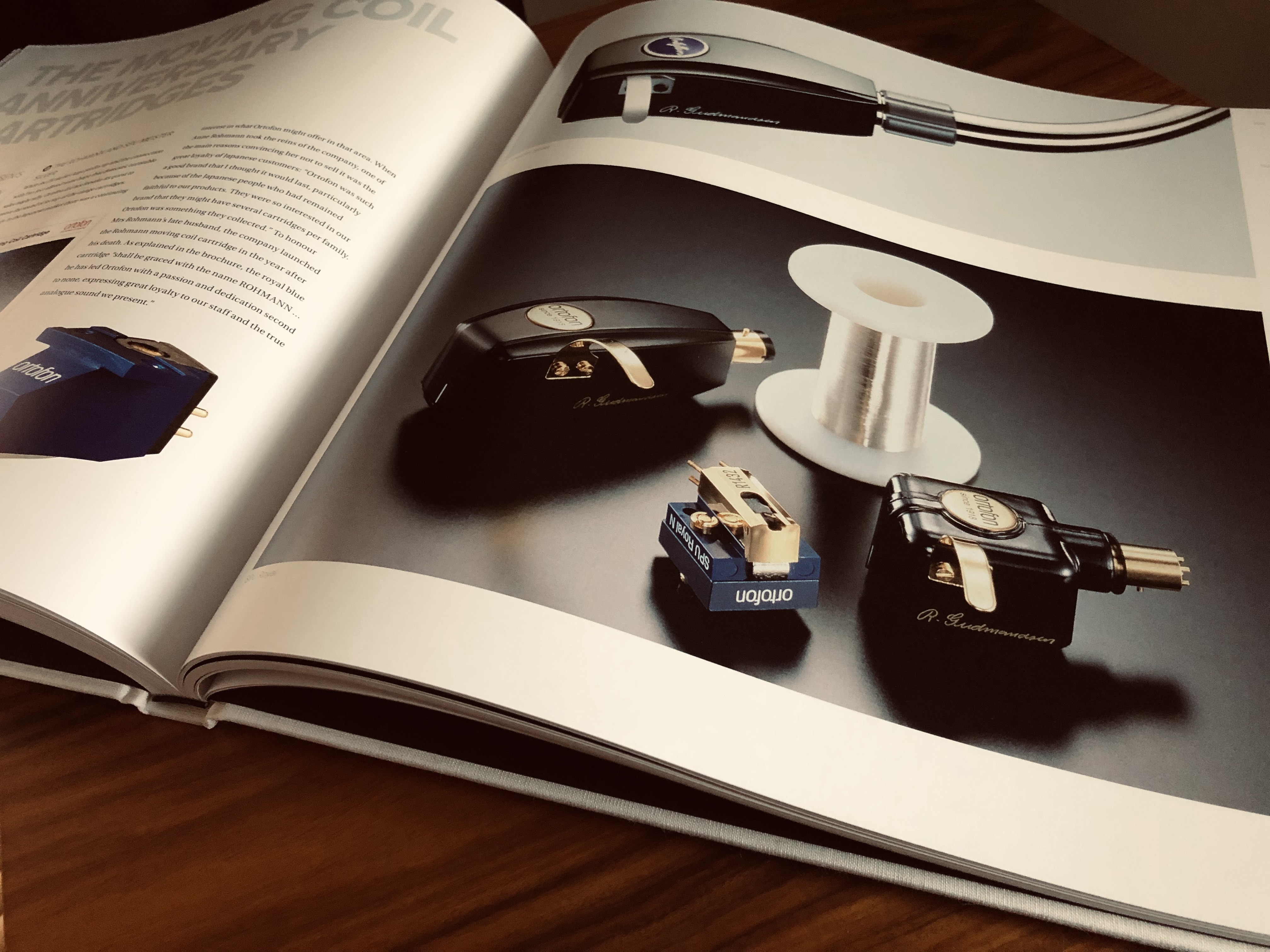
One of the more interesting aspects of the SPU’s modern resurgence is that it has not been driven purely by nostalgia. Illuminati such as Devon Turnbull have played a meaningful role in recontextualising the SPU for a new generation. As an audio industry mover and shaker, and dare I say it, an ‘influencer’, Turnbull has helped frame the SPU not as a retro curiosity, but as a serious contemporary choice.
Through his work in system curation, sound rooms and public listening spaces he has highlighted that the SPU remains relevant because it prioritises musical engagement over hyper-analysis. This aligns with Resistor Mag’s framing of the SPU as an archetype rather than a museum piece.

Any discussion of the SPU-A should note that Ken Shindo himself regarded it as a foundational reference point. Shindo did not approach cartridge design from a blank sheet of paper. Instead he looked to the SPU-A as an example of a moving coil generator that already solved many of the problems he cared about most; tonal balance, dynamic integrity and musical coherence. His own cartridge modifications were developed with a clear awareness of the SPU-A’s architecture and voicing, refining rather than reinventing the concept. In that sense the SPU-A was not something to be displaced but something to be understood and built upon, an acknowledgement from one of analog audio’s most respected designers that Ortofon had arrived early at a fundamentally sound (heh) solution. I actually sent my SPU to Shindo to be modified, but they apparently run out of parts in the meantime to do so. A bit annoying and an exercise in frivolously spending money on postage where I needn’t have, but life goes on.
Using the SPU-AE in the Ortofon RF-297 tonearm is a decision grounded in mechanical compatibility. The effective mass and rigidity of the RF-297 complement the SPU-AE’s compliance allowing the cartridge to track confidently and express its natural tonal balance.
Electrically the SPU-AE will be partnered with my Kondo CFz step up transformer, a choice that suits the cartridge’s very low internal impedance and output level. Transformer coupling of this quality allows the SPU generator to operate in its comfort zone preserving dynamic nuance, tone density and low level resolution without resorting to excessive active gain.
This combination of cartridge tonearm and transformer reflects a coherent design philosophy. Each element is working with the others rather than compensating for them. The result is not vintage sound but grounded resolved and musically convincing playback. Annoyingly I missed out on the SPU Wood-A that was released a few years back. I was saving up for one and when I finally went to order through the local distributor I was told it had been discontinued, despite still being on Ortofon’s website at the time. Should have prioritised it a bit earlier maybe, nevermind.
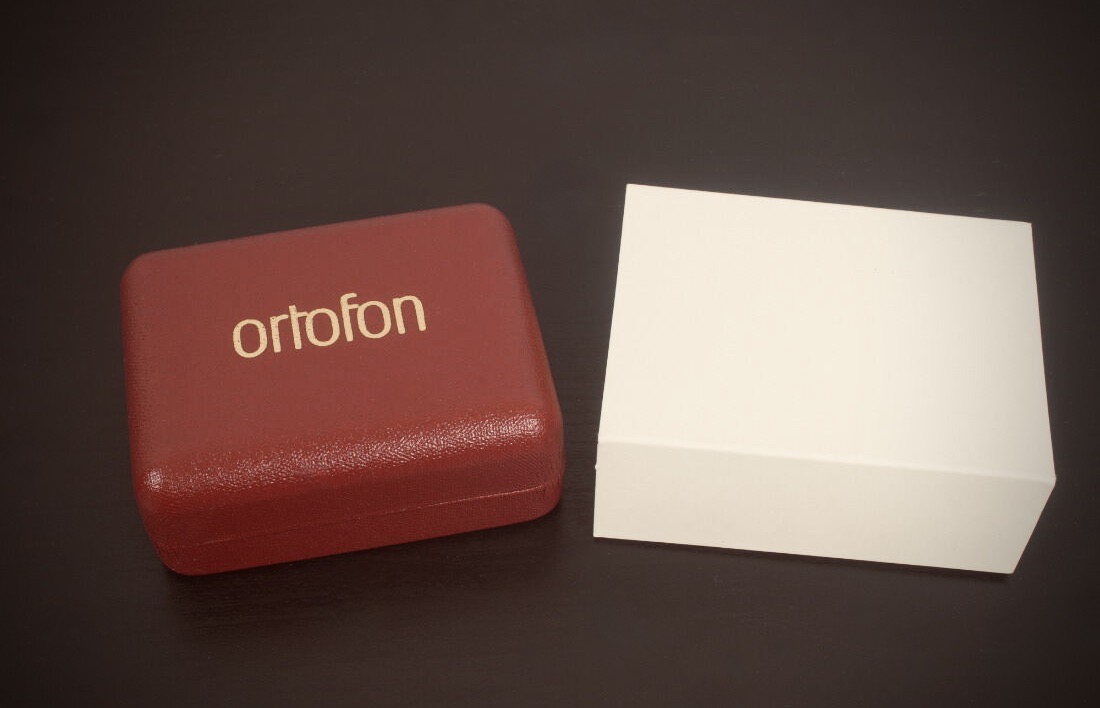
The SPU-AE occupies a rare position in audio. It is historically significant technically influential and still deeply relevant. Thanks to thoughtful coverage from Resistor Mag, renewed interest from influential voices within the audio community, and not to forget the OGs who have always used one, the SPU continues to be understood not as a relic but as a reference.
Using one today, particularly in a considered system with the RF-297 and Kondo CFz is not about reenacting the past, instead acknowledging that some engineering solutions were right the first time and still have pertinence decades later.


 Audio Satori
You must be logged in to post a comment.