
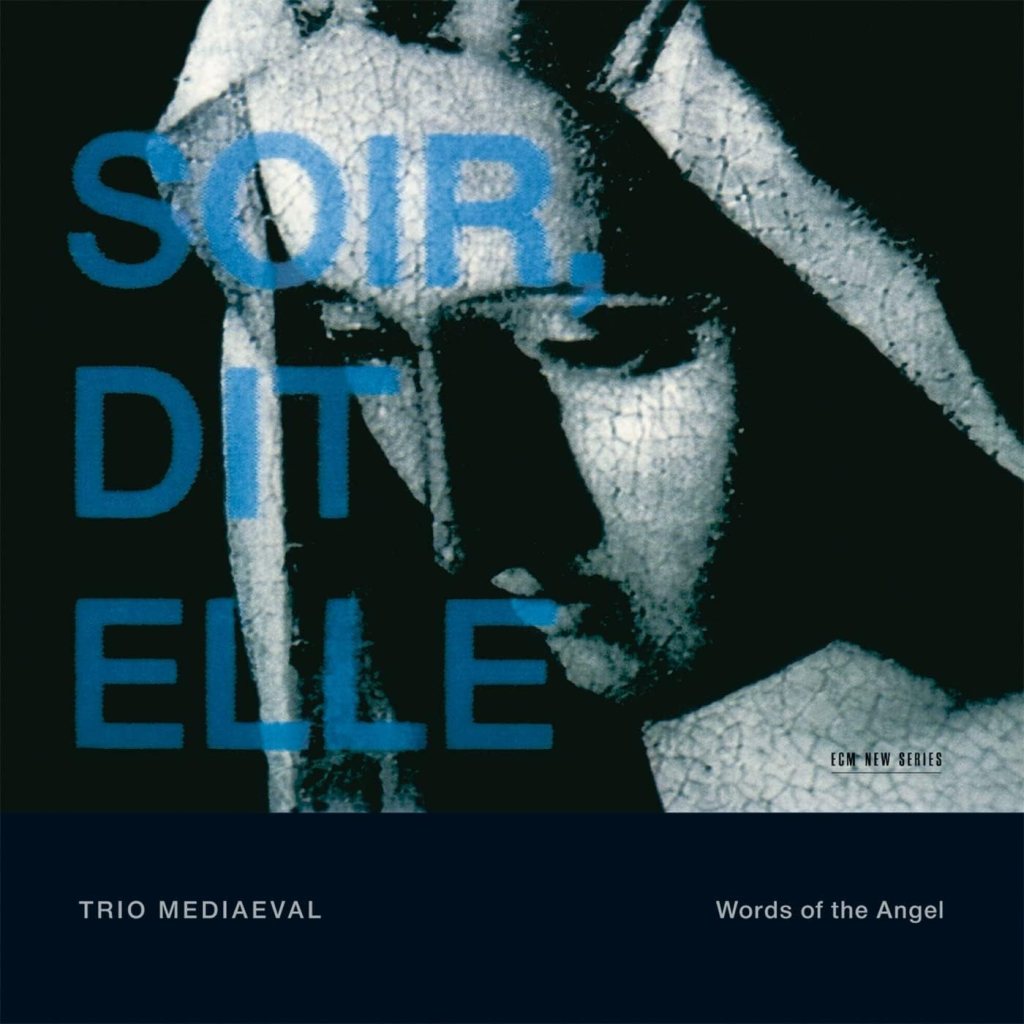
Trio Medieval
An audio acquaintance used a track from this album recently to demo a serious pair of speakers, the A23 Hommage Ken. It was captivating in that slightly unnerving way where you realise you are not listening to hifi effects, you are listening to air moving in a real acoustic.
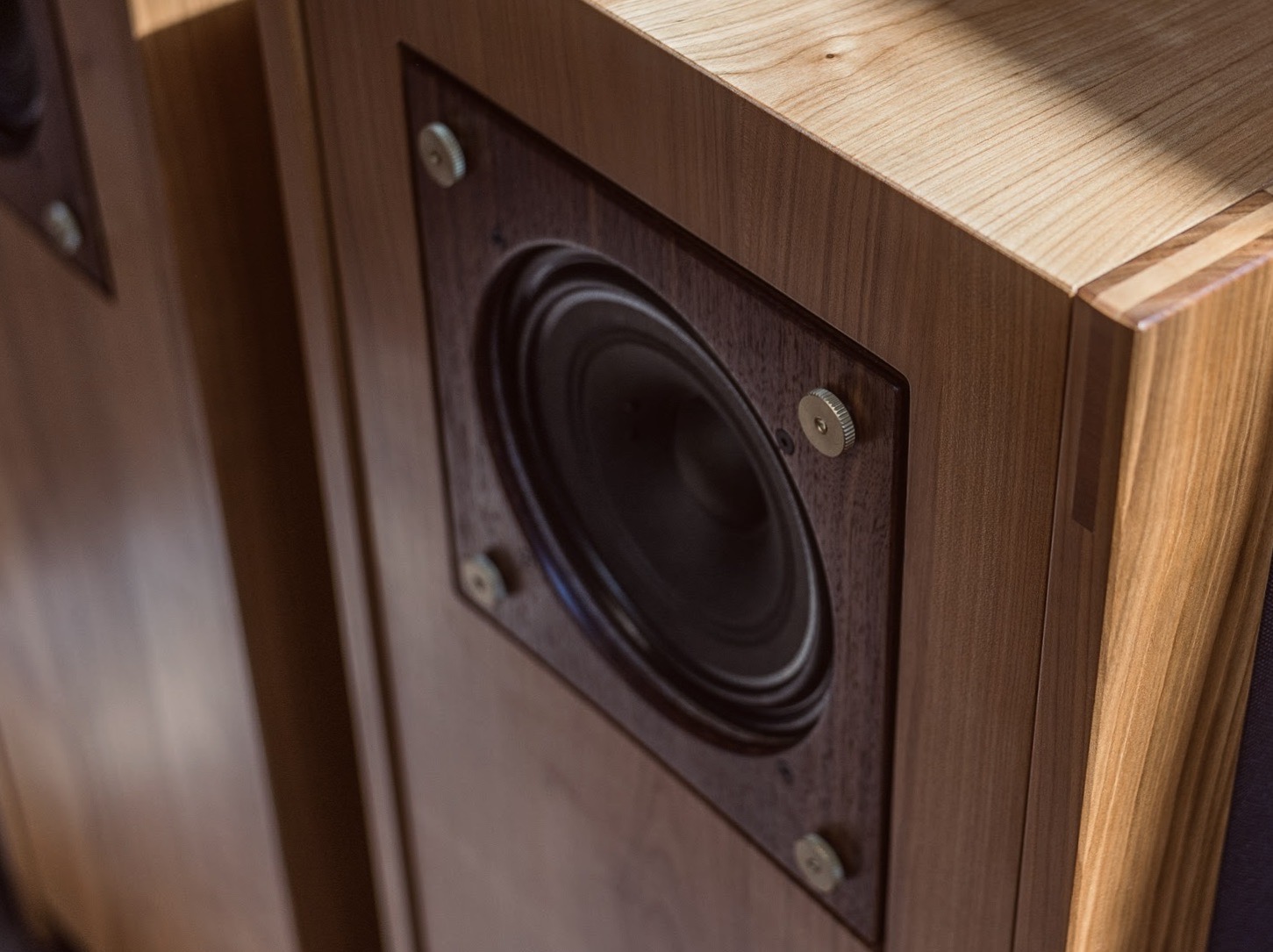
Specifically, he used the piece “Words of the Angel” by Ivan Moody. Brave choice. It is a beautiful piece of music, but it is also a challenging test of a system.
This debut from Trio Mediæval might wear the label of medieval sacred music, but in practice it is one of the most revealing vocal recordings you can own.
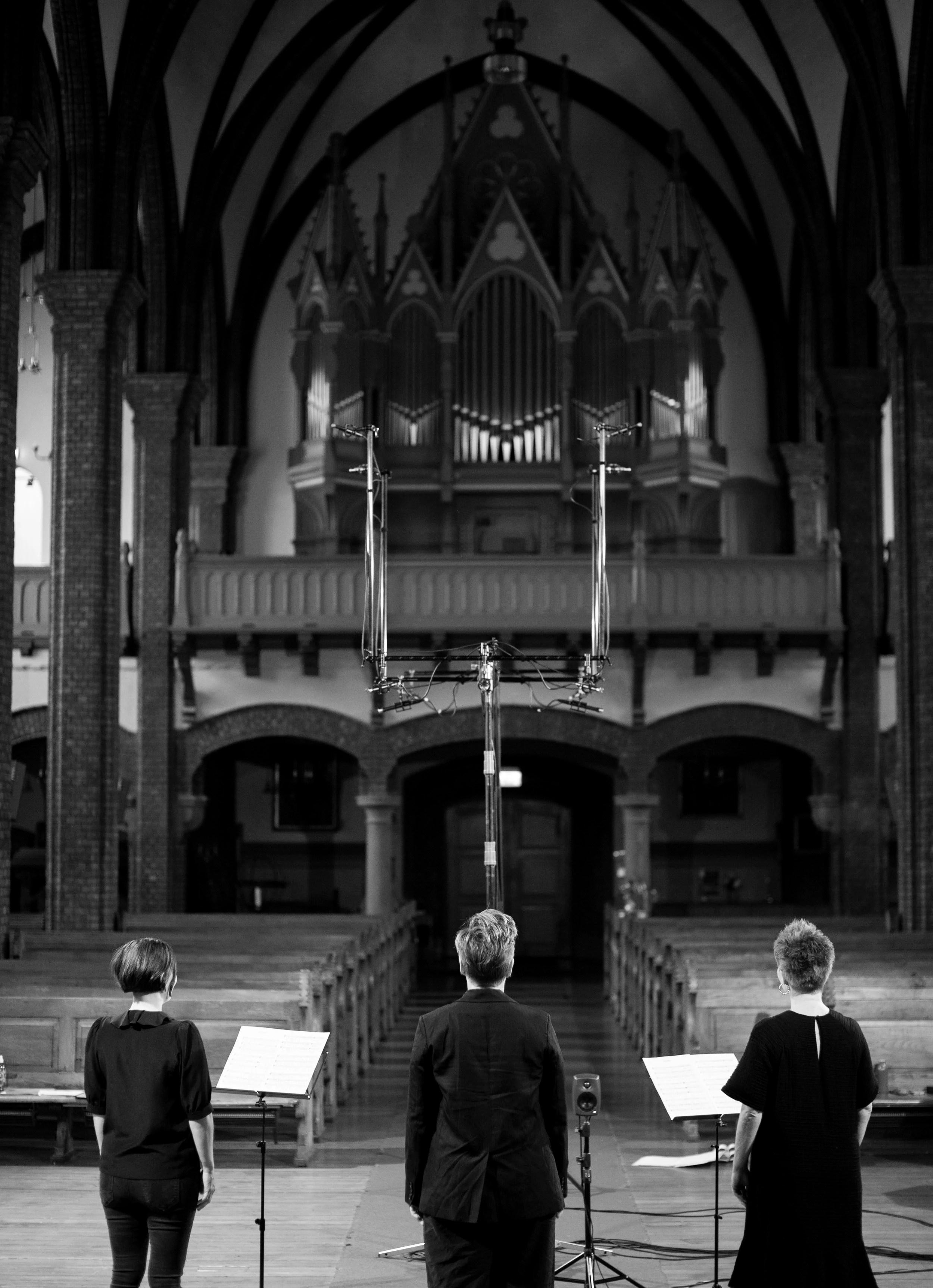
Trio Mediæval formed in Oslo in the late nineties, three female voices focused on medieval sacred repertoire but never in a dry, museum sense. Their sound is built on blend, purity of line, and an almost instrumental control of tone, but always with a human centre. ECM was their natural home. This music depends on space, decay, and tonal honesty more than spotlight detail.
On this recording the trio is Linn Andrea Fuglseth, Anna Maria Friman, and Torunn Østrem Ossum. No instruments. Just voices in a church acoustic that becomes part of the music.
Through the Kondo into my DeF O/Bronzes this record is almost confrontational in its realism. You do not get “pretty female vocals”. You get breath pressure, the texture of consonants, chest resonance, and the size of the room wrapped around all of it.
Kondo gear preserves harmonic structure in a way that lets each singer have body and colour rather than just a vocal outline. The DeVores project scale and depth so the church acoustic is not a reverb halo, it is a volume you can sense extending behind the speakers and above them.
If your system blurs timing or flattens depth, this album turns into polite chant. Get it right and it is eerie.
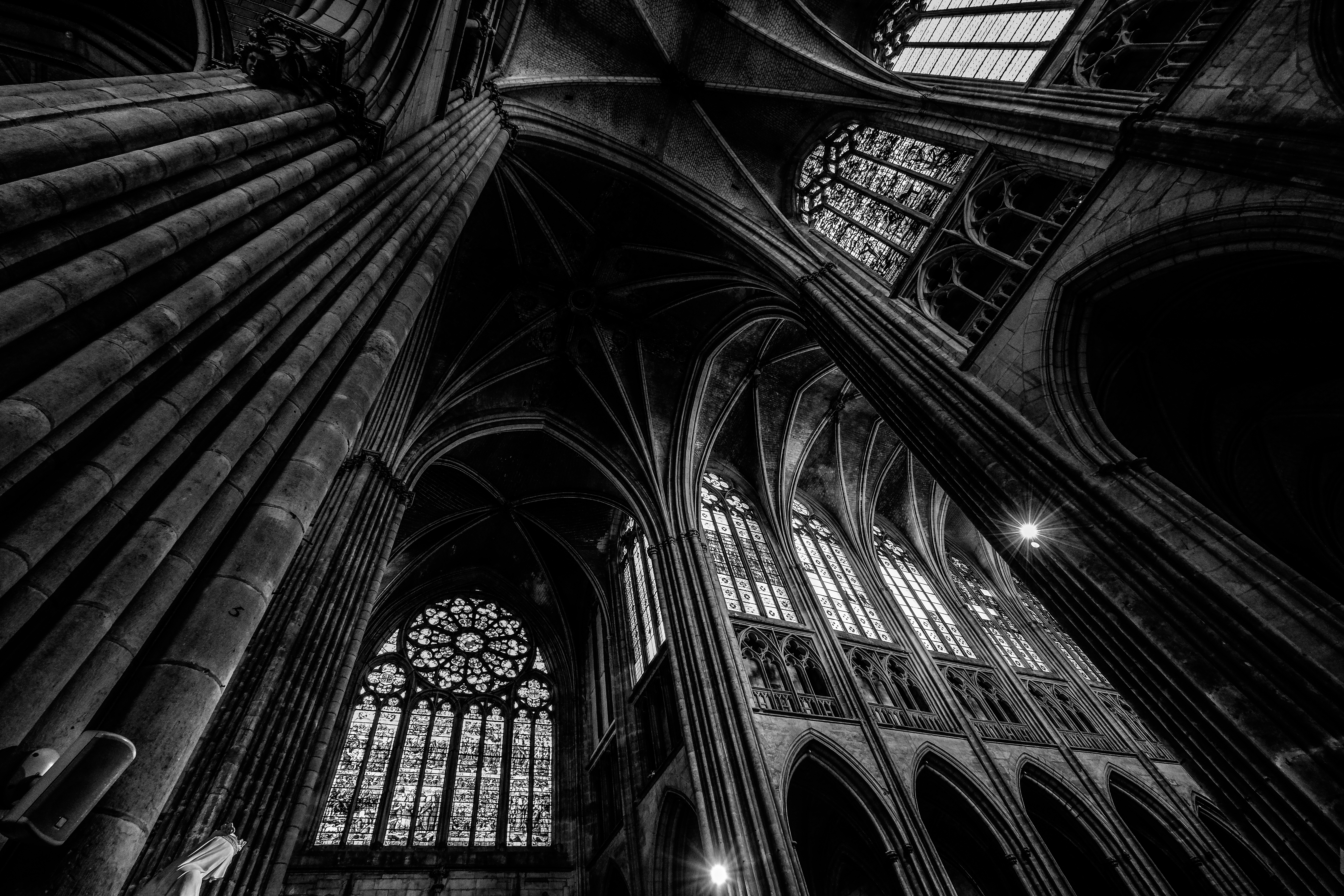
Words of the Angel – Ivan Moody
This was the demo track, and for good reason. Moody writes in a contemporary sacred language influenced by Orthodox chant, with slow harmonic movement and exposed spacing between the voices. There is nowhere to hide. The intervals can sound either luminous or slightly sour depending on pitch stability and harmonic integrity. The long, suspended lines test a system’s ability to hold tone without thinning out. The acoustic cues are delicate, so depth reproduction has to be spot on. When it works, the piece feels suspended in mid air. When it does not, it just sounds slow and vague, with some brutal piercing moments that border on unlistenable on the wrong system. The recording is a touch hot at those points potentially. Just goes to show the immense power in their voices.
Ivan Moody was a British composer closely associated with sacred choral music, particularly influenced by the music and liturgical traditions of the Eastern Orthodox Church. His writing often combines the modal, chant like character of ancient traditions with modern harmonic language and a strong sense of resonance and stillness. He understood how voices behave in real acoustics, and he writes into that space rather than against it. “Words of the Angel” fits perfectly here because it shares the same spiritual and sonic DNA as the medieval material without trying to imitate it.
This isn’t an album you’d put on for background atmosphere. It is about tone, blend, timing, and acoustic truth. On a system that gets those fundamentals right, like the Kondo and DeVore I have, Words of the Angel stops being a recording and becomes an event in the room. You end up doing what we did at that demo; sitting still and not talking, just listening. I am grateful to have been introduced to it.



 Audio Satori
You must be logged in to post a comment.