
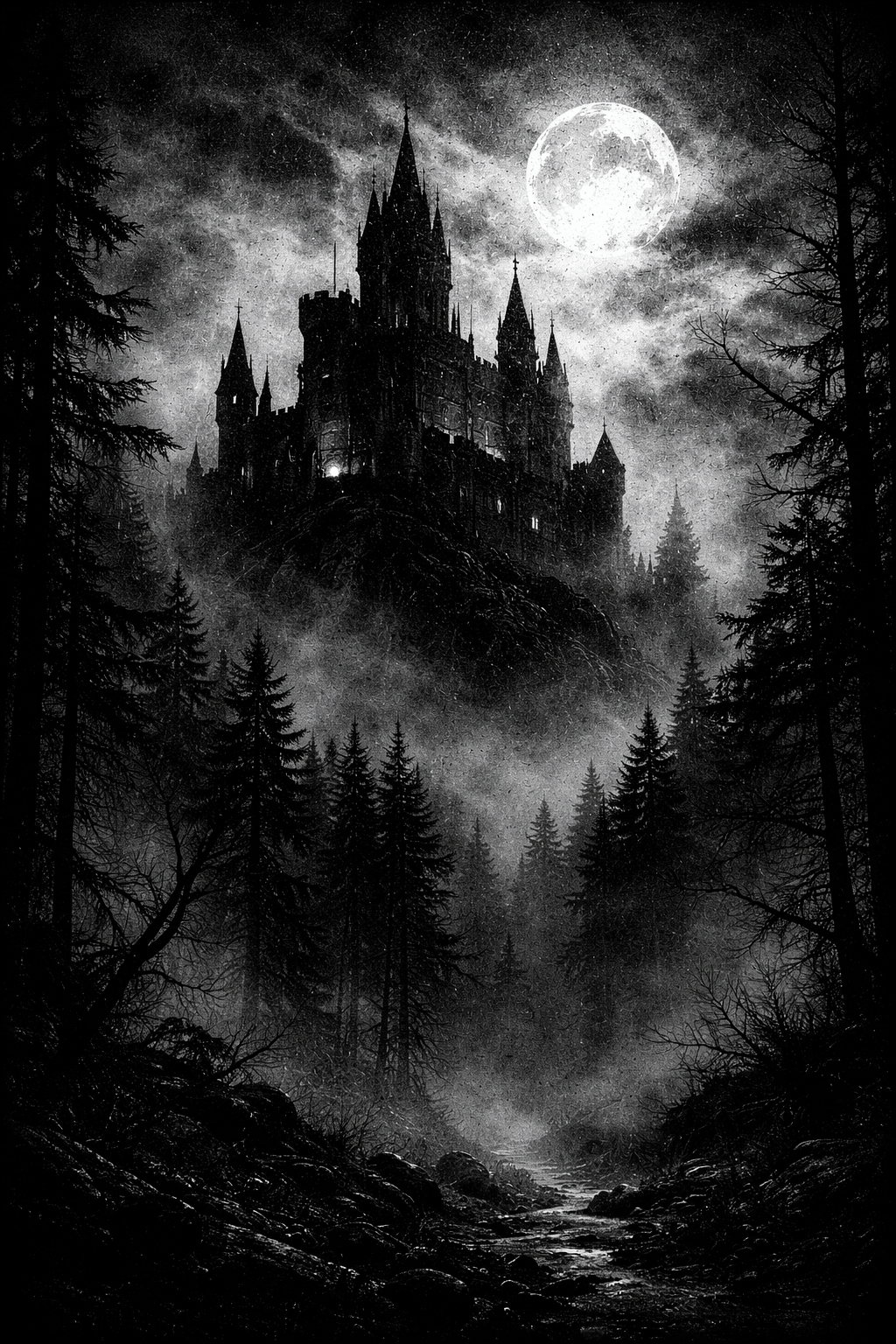
Some records you play to admire a system, and some are records you play to test your nerve, Black Metal, at its most uncompromising, is definitely in the latter camp.
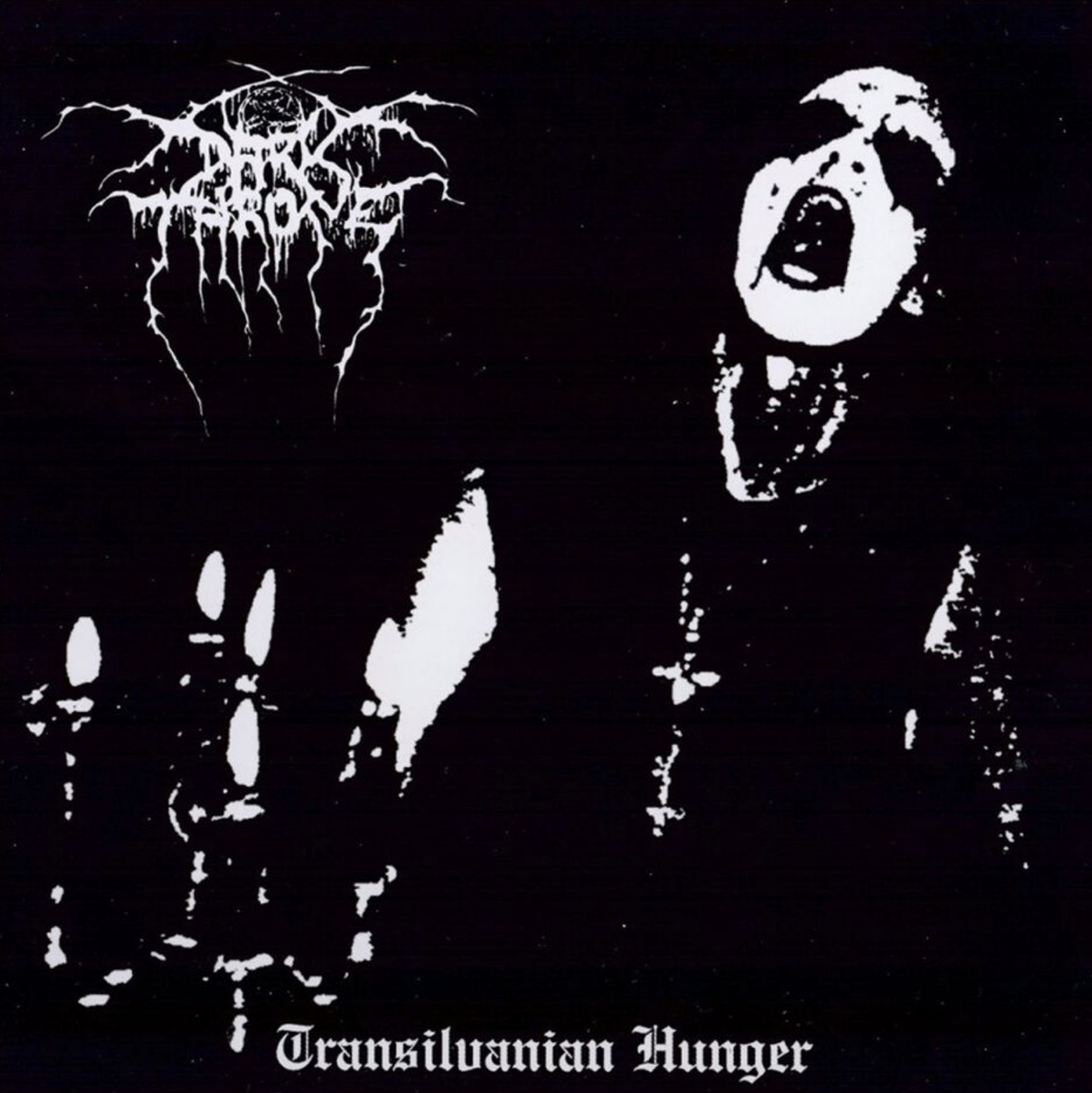
When Transilvanian Hunger by Darkthrone first emerged from the Norwegian underground, it felt less like a studio product and more like a corpse dug out of frozen ground. Four tracks per side, skeletal riffs, a drum sound like cardboard and iron, vocals that seem to come from behind a concrete wall. It is wilfully narrow in bandwidth, defiantly lo-fi, almost hostile to the very idea of “production.”
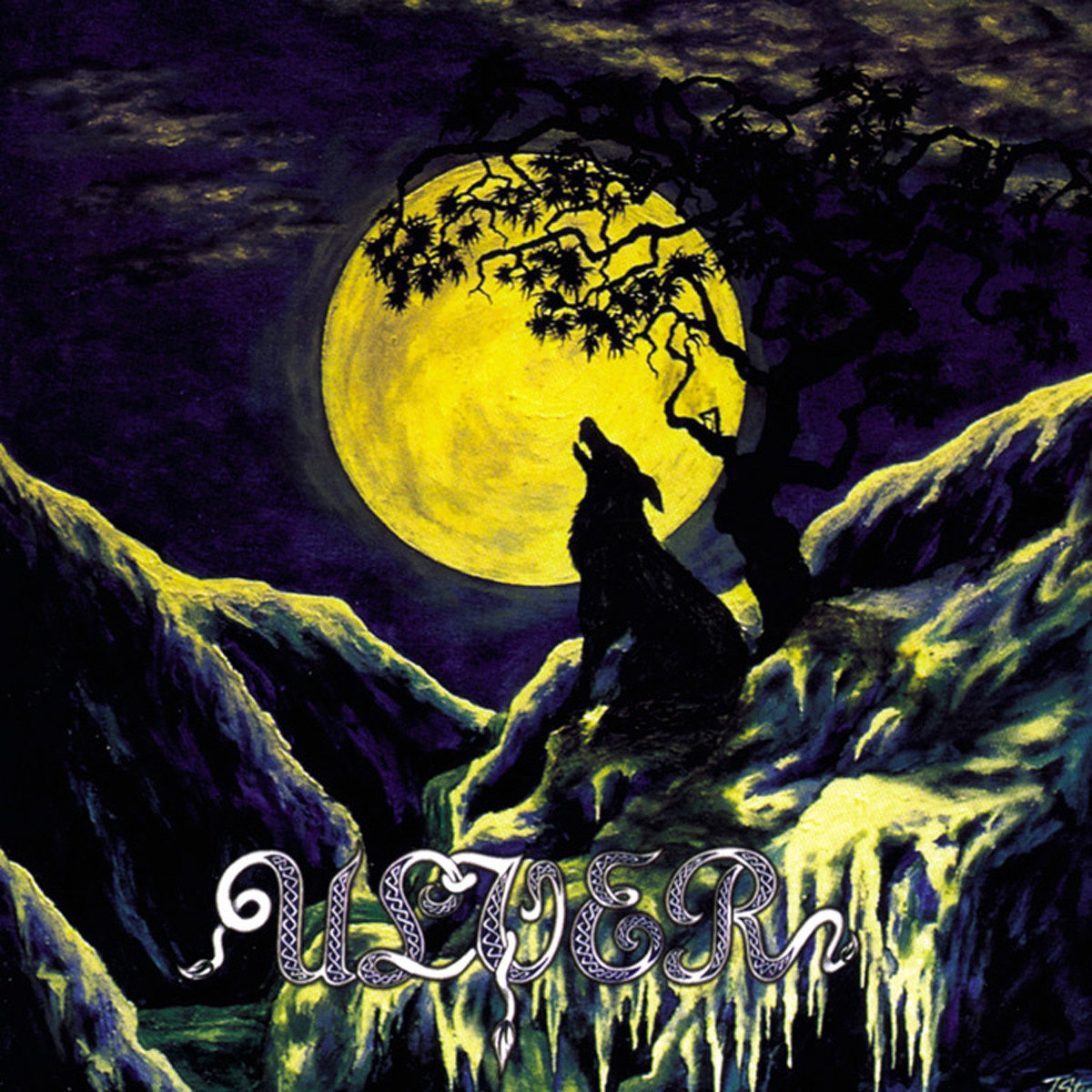
Two years later, Nattens Madrigal by Ulver pushed things even further into abrasion. Recorded with a deliberately shrill, overdriven treble and a suffocating wall of distortion, it is a record that many engineers would describe as wrong. The guitars blur into white frost, the cymbals smear into a sheet of noise, and the entire mix feels like it is clipping into oblivion. In fact, listening to this album on my bandwidth limited full range Omega speakers is most ideal, the lack of top end ‘air’ removes the harshest of sonic elements and makes it a little more palatable.
By conventional audiophile standards, these albums are disasters. There is no vast soundstage. No pinpoint imaging. No carefully layered microdetail. They are dynamically compressed, tonally extreme, and texturally abrasive. If your reference points are pristine pressings of jazz trios or immaculately engineered orchestral recordings, these records are the antithesis of high fidelity.
But the harshness is not accidental, it is aesthetic and ideological.
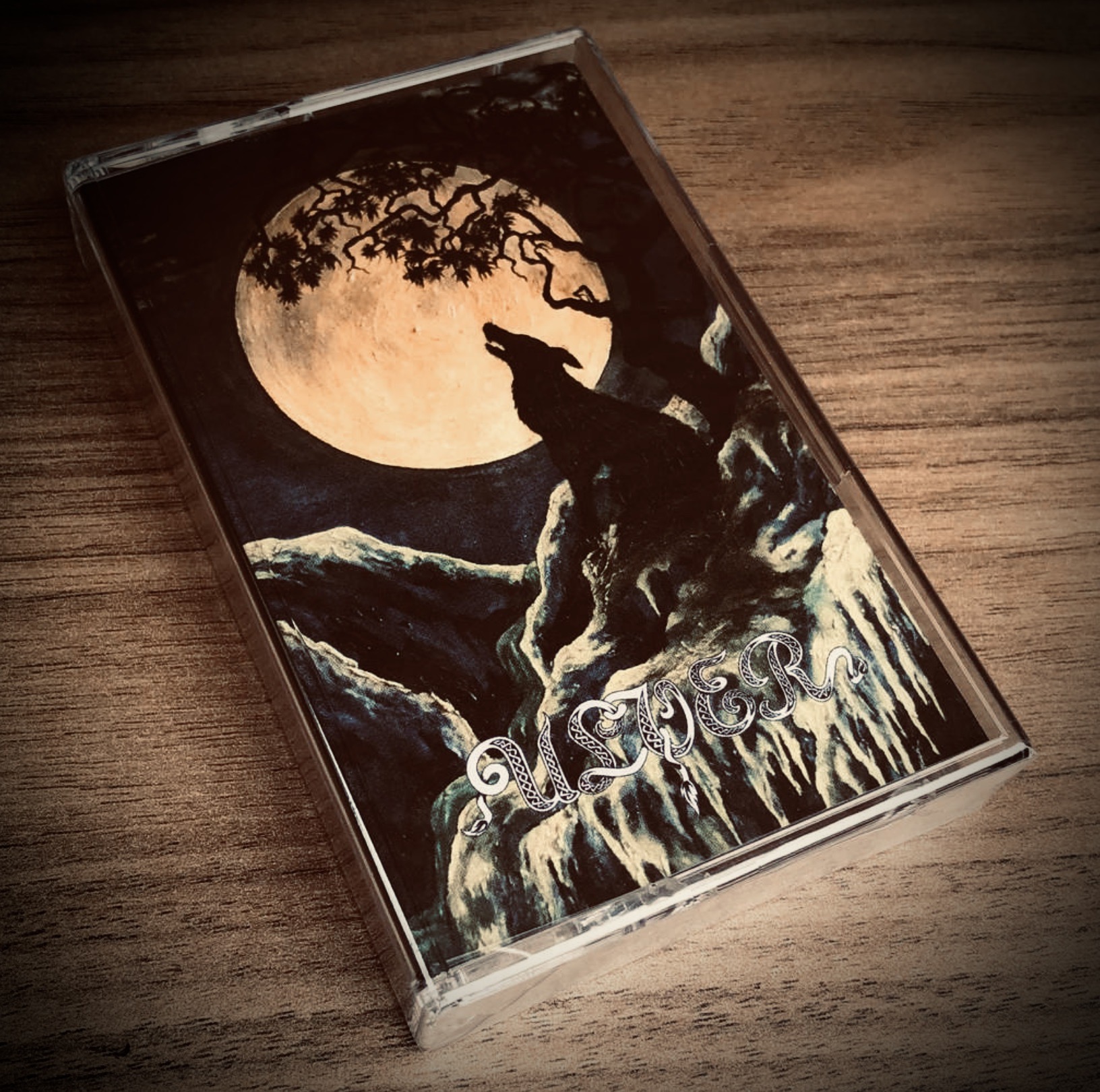
The thin, cutting guitars and brittle cymbals on Transilvanian Hunger perfectly mirror the emotional desolation at its core. The recording sounds cold because it is meant to feel cold. Likewise, the piercing, overdriven chaos of Nattens Madrigal does not undermine its message; it embodies it. The bleakness of the themes, the misanthropic edge, the sense of isolation and hostility toward the world, are captured not just in lyrics and riffs but in the very texture of the sound. The production is the atmosphere. The abrasiveness is the point.
Play them on a truly great system and something unexpected happens.
A resolving, stable front end does not “fix” these recordings. It does not suddenly reveal hidden hi-fi splendour. What it does is remove the additional distortions that mediocre equipment adds. The noise remains, but it becomes structured. The chaos gains depth. You begin to perceive the layering within the distortion: the tremolo-picked guitar line sitting fractionally behind another, the propulsion of the kick drum driving through the fog, the way the vocal reverb decays into a grainy black space.
On a poor system, these albums collapse into a flat, fatiguing smear. On a great one, they become three-dimensional walls of intent.
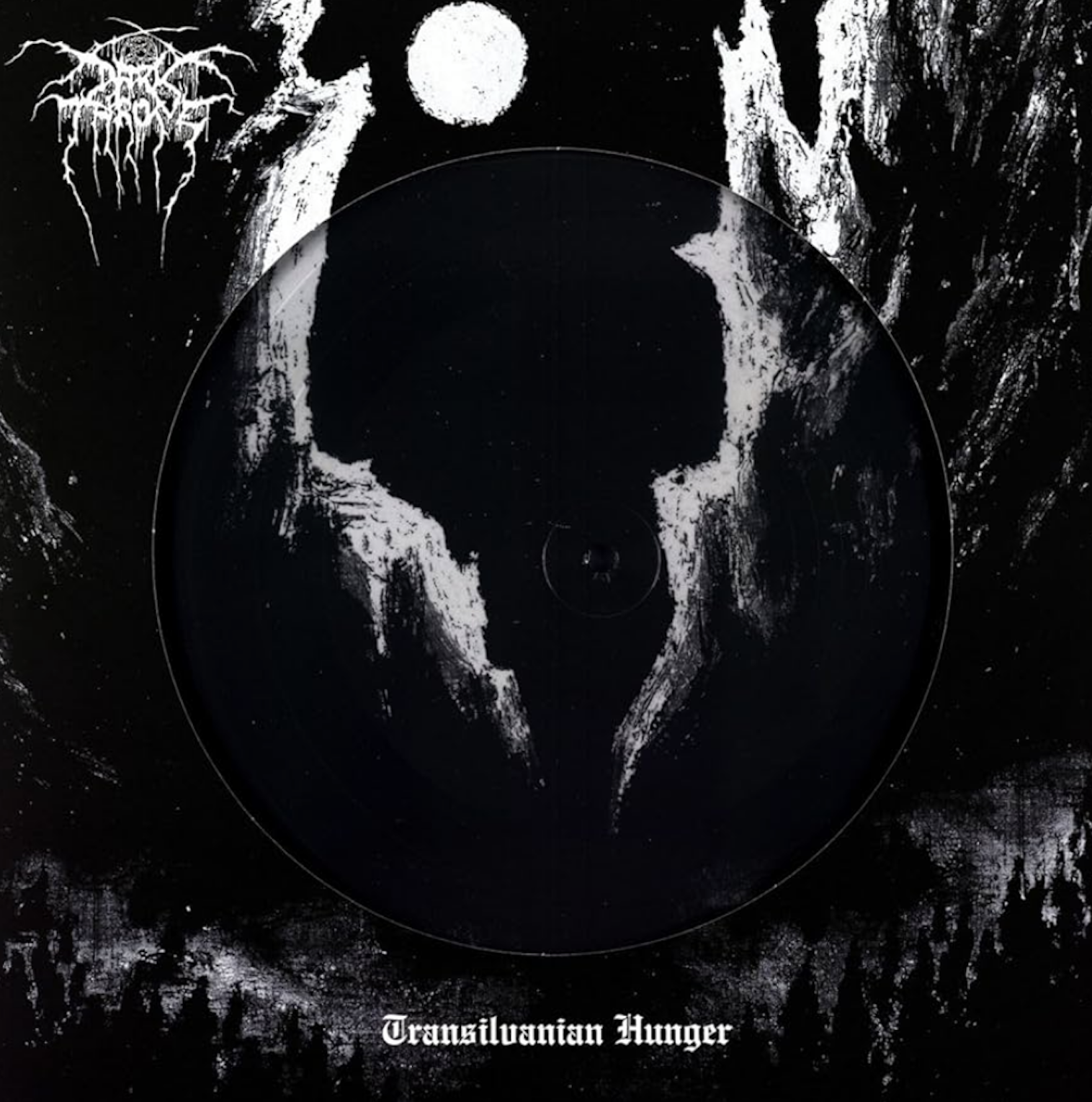
There is something mischeviously satisfying about subjecting a refined, carefully assembled system to such bleak material. The contrast sharpens both experiences. The system’s composure under assault, its refusal to turn shrill into painful or density into mush, becomes part of the pleasure. You are not listening for audiophile virtues; you are listening for atmosphere, for emotional temperature, for the glacial isolation both records project so effectively. To be fair, when I first got these albums back in the day, I didn’t truly understand it. It took a while for the creative genius to become apparent. Now though, I can appreciate it for the masterpieces they actually are. If you have an open mind and can stomach harshness, but enjoy exploring art for the sake of art, they are worth a listen, you have been warned though…
High fidelity is not about beauty. It is about truth.
Sometimes the truth is harsh, cold, and entirely without compromise.
In 2017, Rolling Stone ranked Transilvanian Hunger as 85th on their list of ‘The 100 Greatest Metal Albums of All Time’, so there must be something in it.


 Audio Satori
You must be logged in to post a comment.