
This is a record of the cartridges currently in use across my systems. It covers a mix of moving coil, moving magnet, and moving iron designs, from classic models to modern references. Each has its own character and strengths, and all are in regular rotation depending on system setup and listening intent.
EMT JSD6

Part of EMT’s JSD series, the JSD6 combines traditional EMT engineering with modern refinements. It uses a boron cantilever and Super Fineline stylus, offering excellent tracking and transient precision. Output is 1.05 mV with an internal impedance of 24 Ω. The JSD6 maintains the EMT tonal signature, weight, coherence, and musical flow, but with finer extension and spatial clarity than their older models.
EMT Anniversary
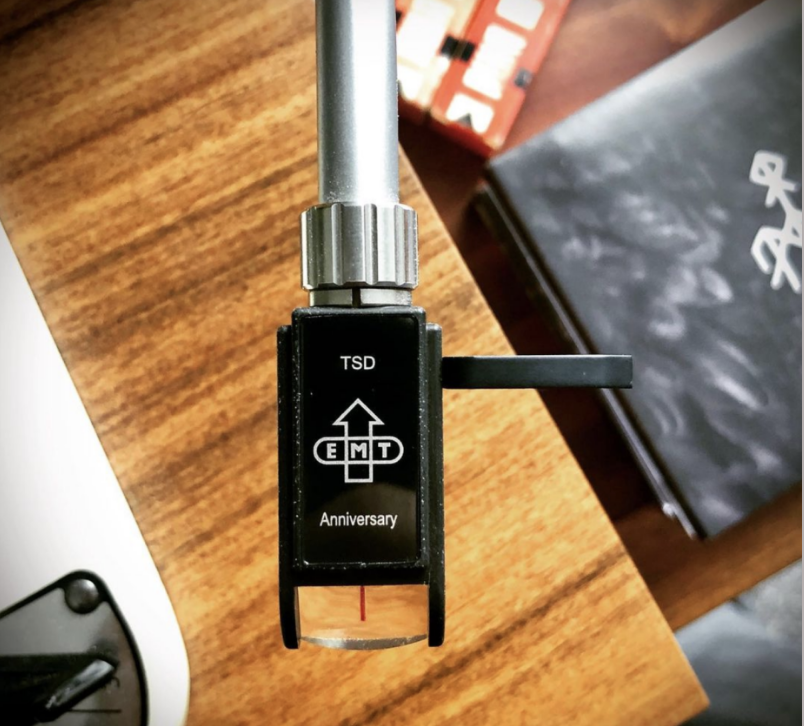
Built to celebrate EMT’s long legacy, the Anniversary model takes design cues from the TSD15 but refines every element. The motor system is carefully matched to achieve a 1 mV output, and the cartridge body is machined from a solid block of aluminium. It balances EMT’s trademark solidity with a surprising openness, capable of rendering both texture and space with equal conviction. They only produced 80 of these and I was able to choose the serial number, 8076, the year I was hatched.
Ortofon SPU AE
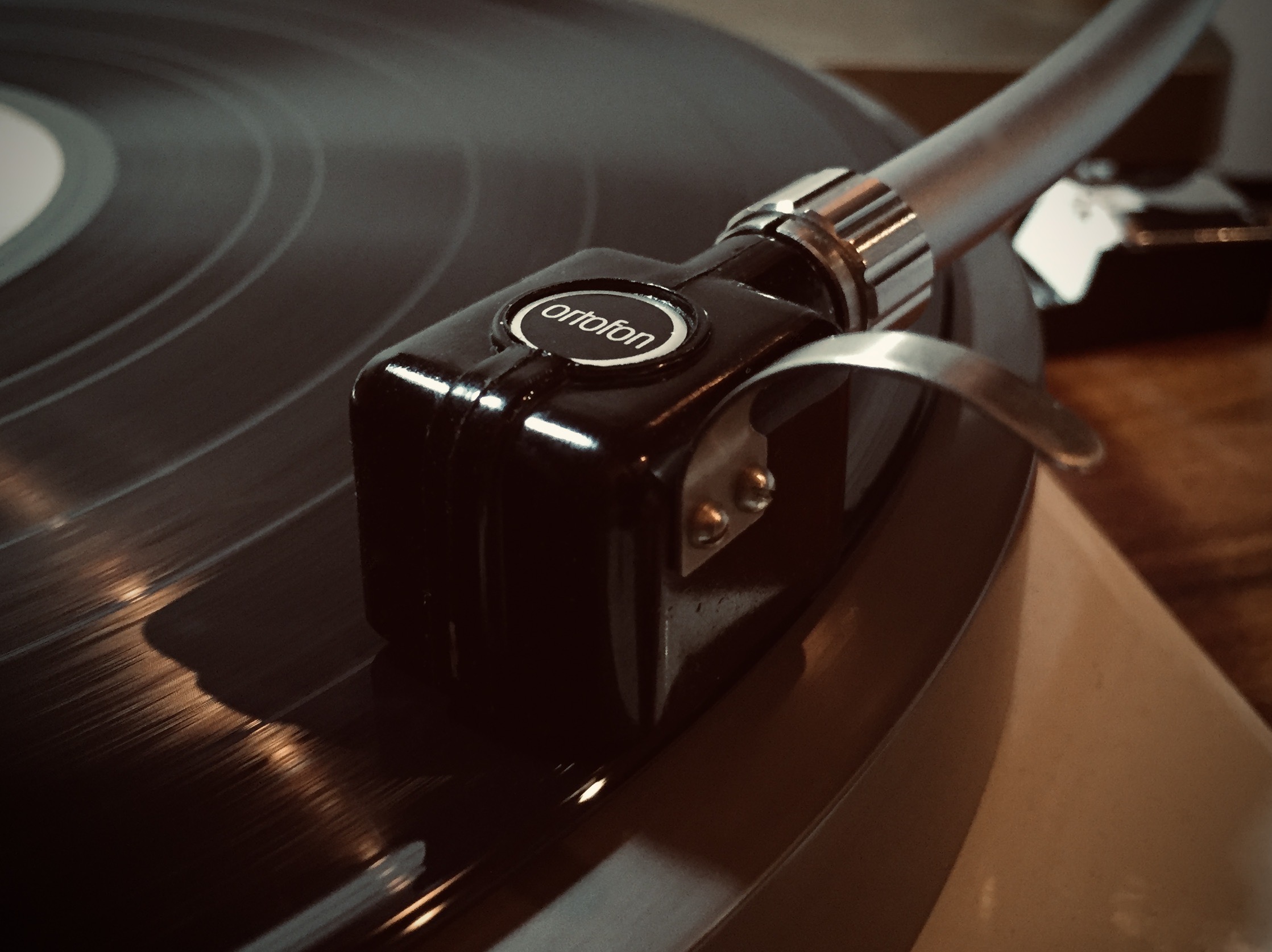
A faithful continuation of Ortofon’s classic SPU design, the AE version uses an elliptical stylus, AlNiCo magnets, and integrated headshell. Output is around 0.2 mV with a 2–3 Ω internal impedance, tracking best at 4 g. The SPU AE delivers the unmistakable Ortofon house sound, rich, dynamic, and physical. It thrives on tonearms with proper mass and brings vintage presence and weight to any system.
Ortofon SPU #1S
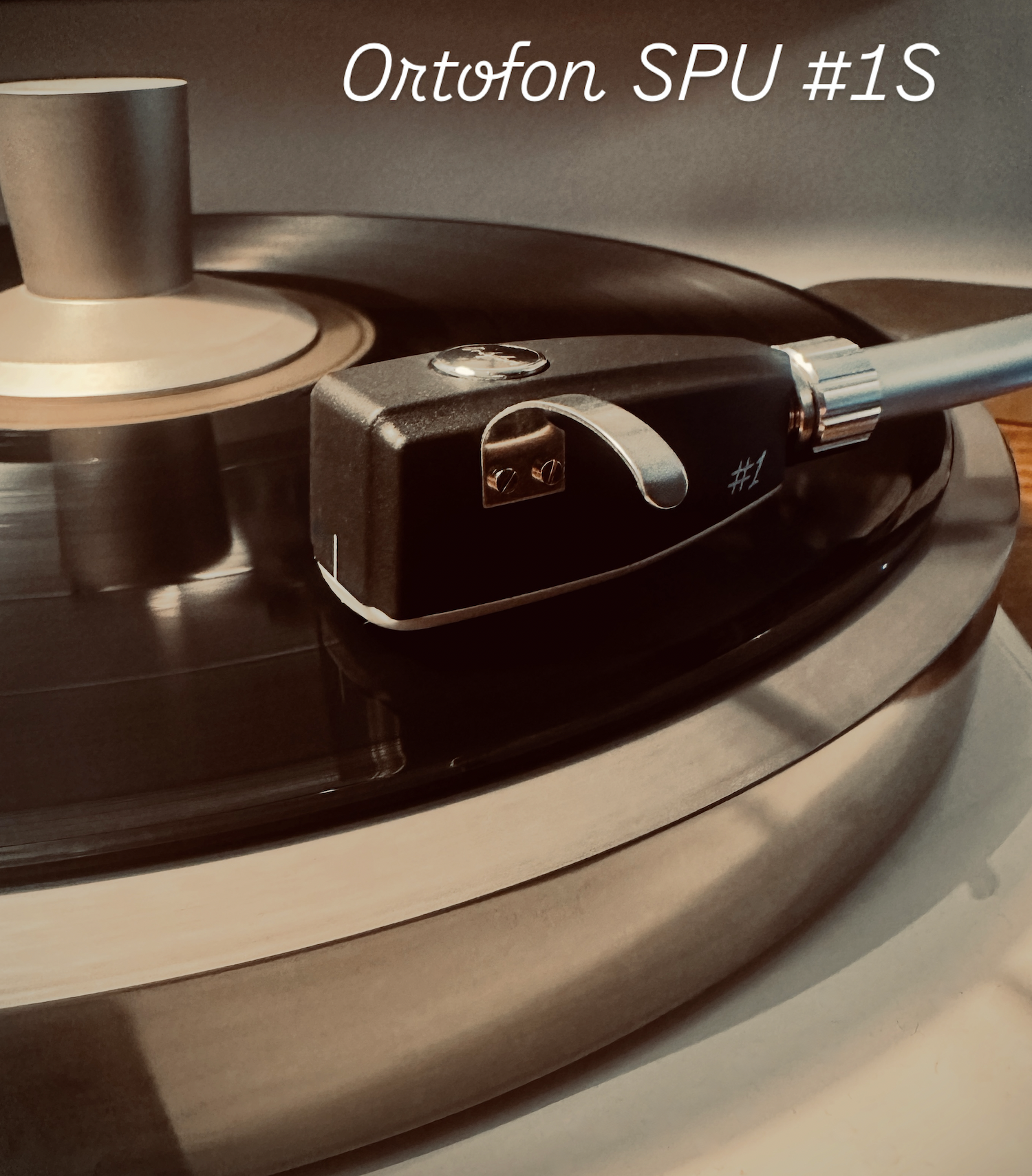
The SPU #1S is one of the most accessible entries into the SPU range. Output is 0.18 mV with 2 Ω impedance, and it uses a forgiving spherical stylus. It retains much of the musical density and drive that define the SPU sound but with a touch more openness and detail. A reliable workhorse that embodies the spirit of classic Ortofon engineering.
Denon DL103LCII (retipped)
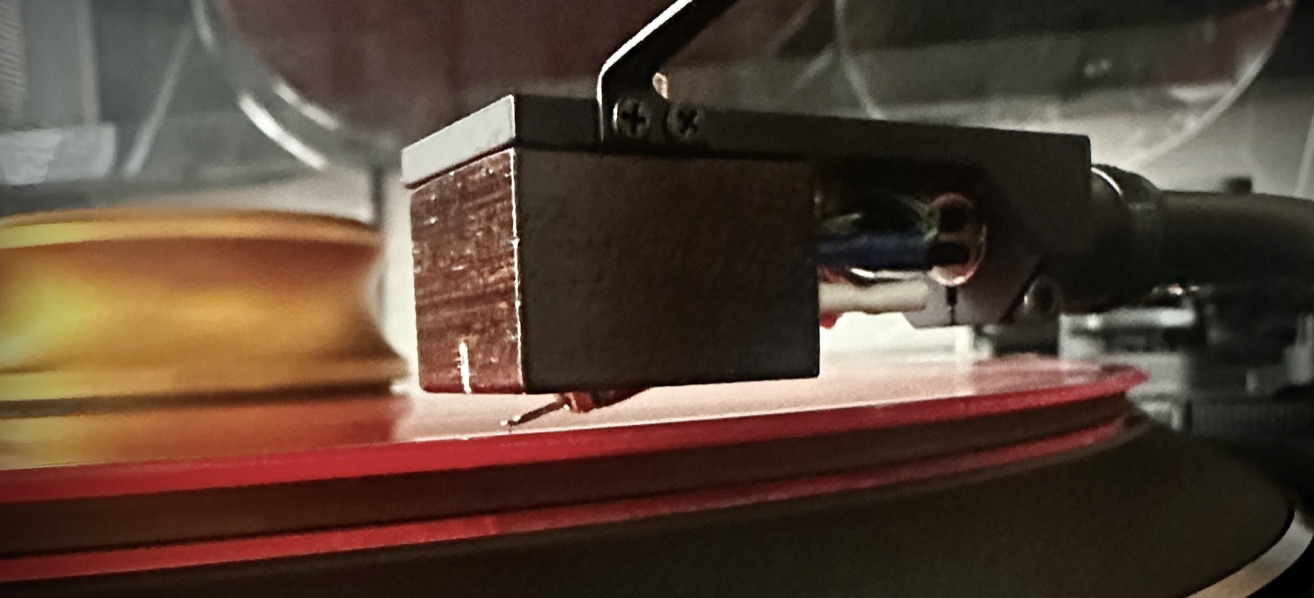
The retipped 103 keeps Denon’s legendary broadcast lineage but improves its resolution and tracking. The original generator features 13 Ω coils and a 0.25 mV output. I retipped with an elliptical stylus, which brings greater extension and subtlety while preserving the cartridge’s warmth and drive. It’s also been rehoused in an ebony body. A perfect match for low impedance step up transformers and medium to heavy tonearms.
Grace F9E
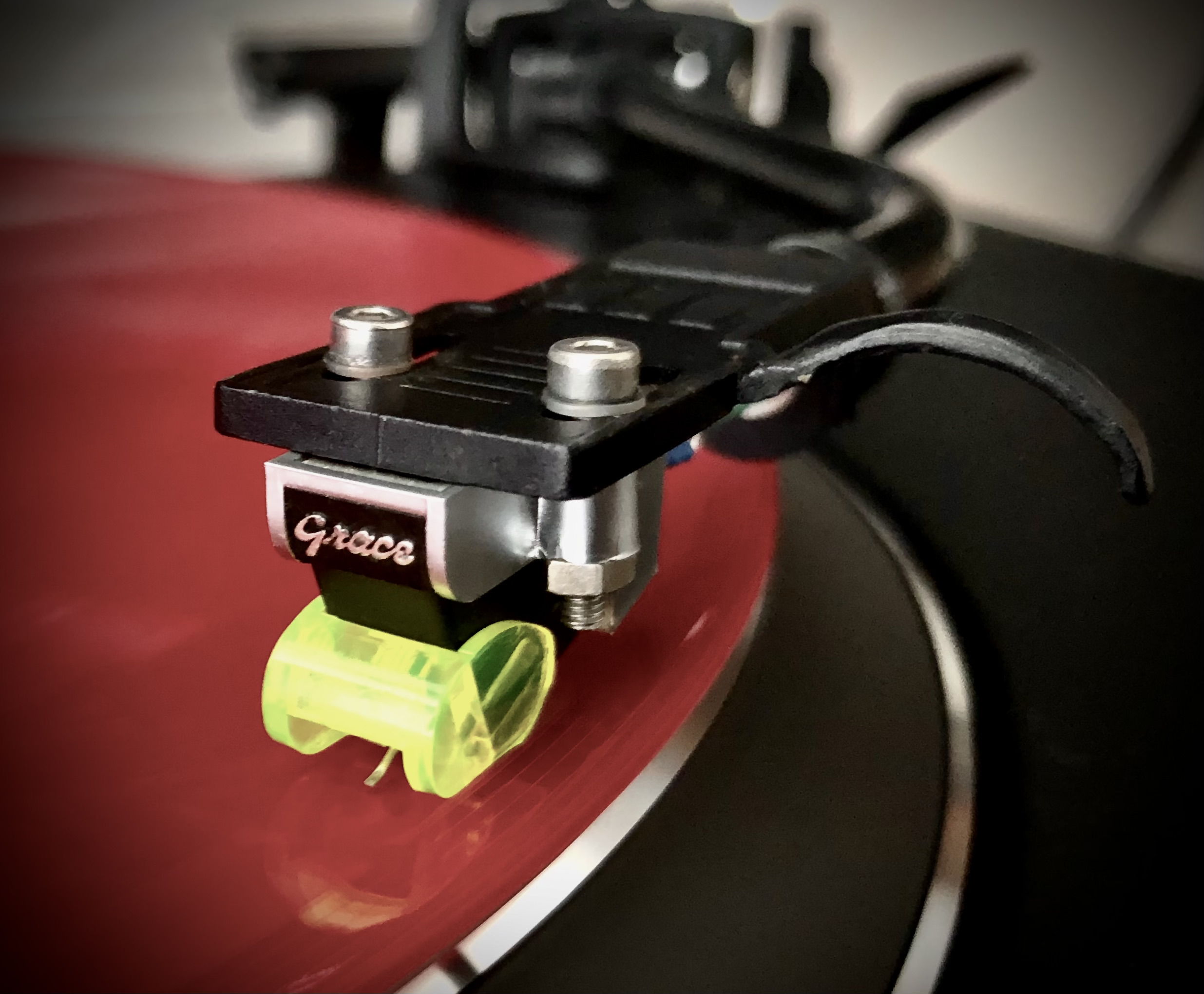
One of the finest MM cartridges ever made, the F9E remains a benchmark for refinement and balance. It produces 3.5 mV of output, with an advanced nude elliptical stylus and ultra low mass generator. Its presentation is effortless and fast, with excellent harmonic coherence. Still a reference among vintage MM designs.
Grado Reference Sonata
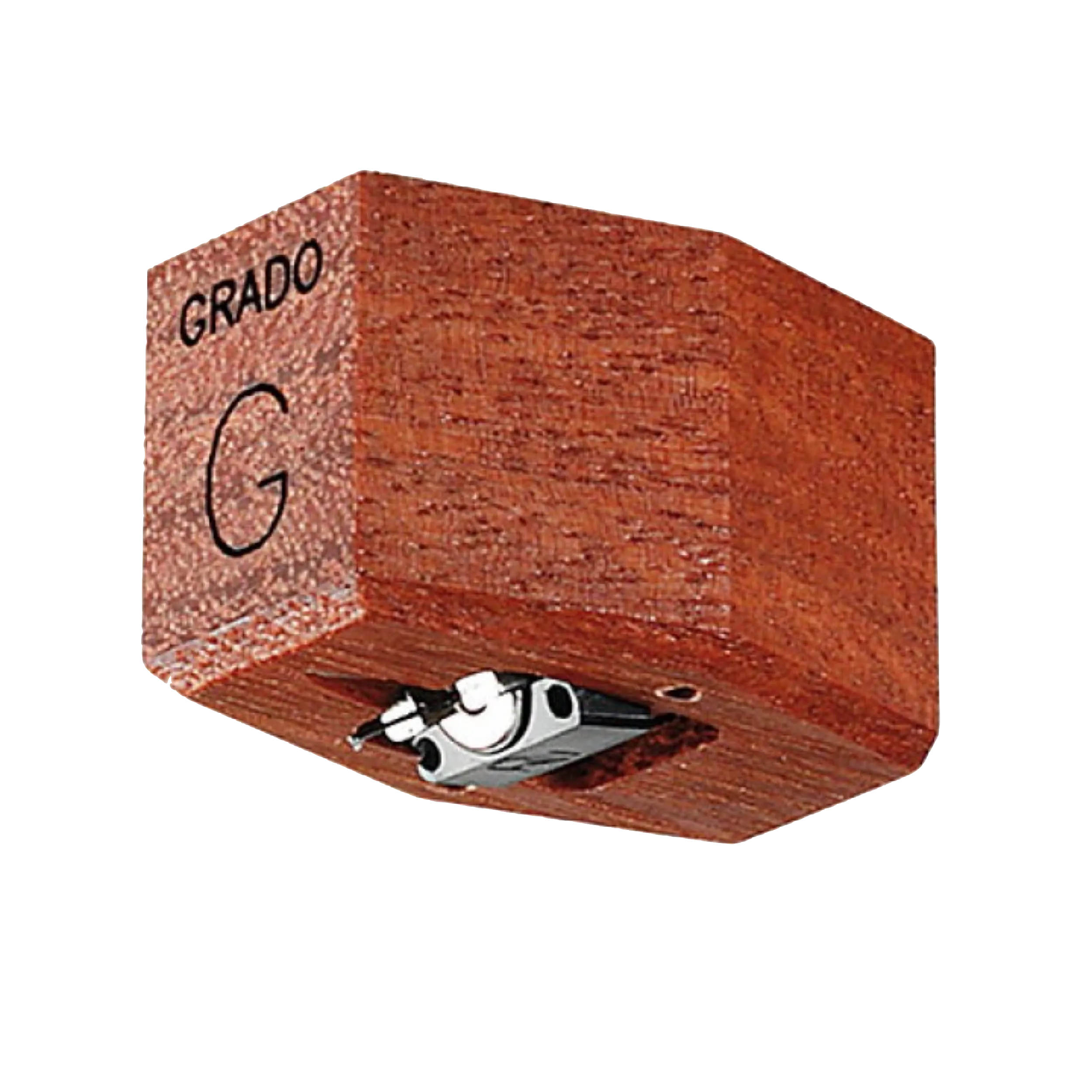
A high output moving iron design hand built in Brooklyn. The Reference Sonata produces 5 mV of output and uses a wooden (Jarrah) body for resonance control. Tracking at 1.5 g, it delivers warmth, dimensionality, and midband texture with an easy, organic flow. A cartridge that favours musicality over spectacle.
Van den Hul MC Two
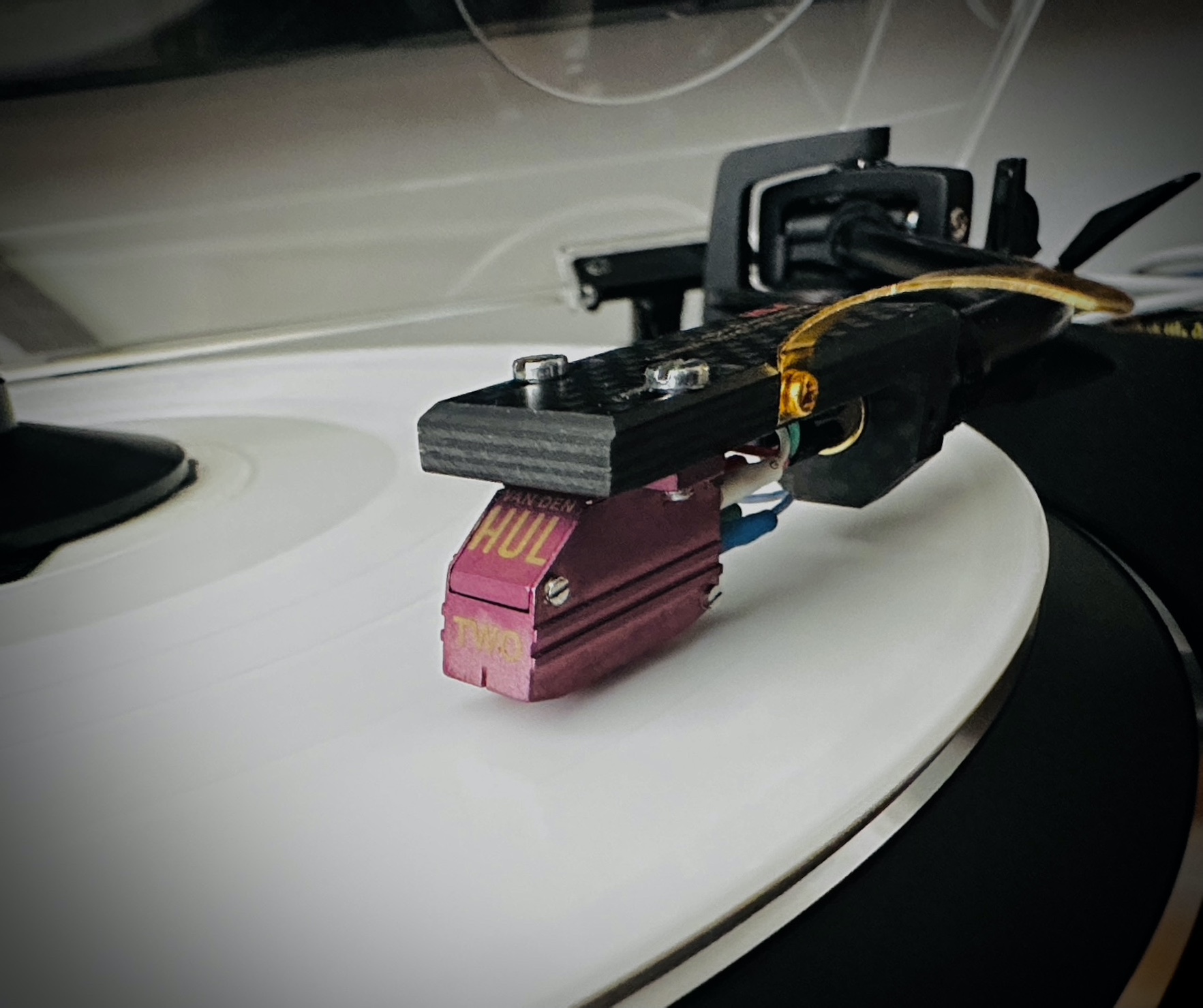
A high output moving coil cartridge (2.25 mV) with matched crystal copper-wire coils and a VDH Type 1 stylus. The MC Two combines speed, bandwidth, and liveliness with the flexibility of a higher output design that can drive MM phono stages. It tracks at around 1.4 g and exhibits Van den Hul’s trademark clarity and microdynamic nuance.
Hana ML

The Hana ML (Microline, Low Output) represents the upper end of Hana’s M Series. It features a microline stylus on a boron cantilever, with an output of 0.4 mV and internal impedance of 8 Ω. The sound is smooth, detailed, and well balanced, with excellent low level resolution and image stability. It works best into step up transformers or active MC stages with 100 Ω loading. A refined modern MC that punches well above its price point.
Supex SD900 Super
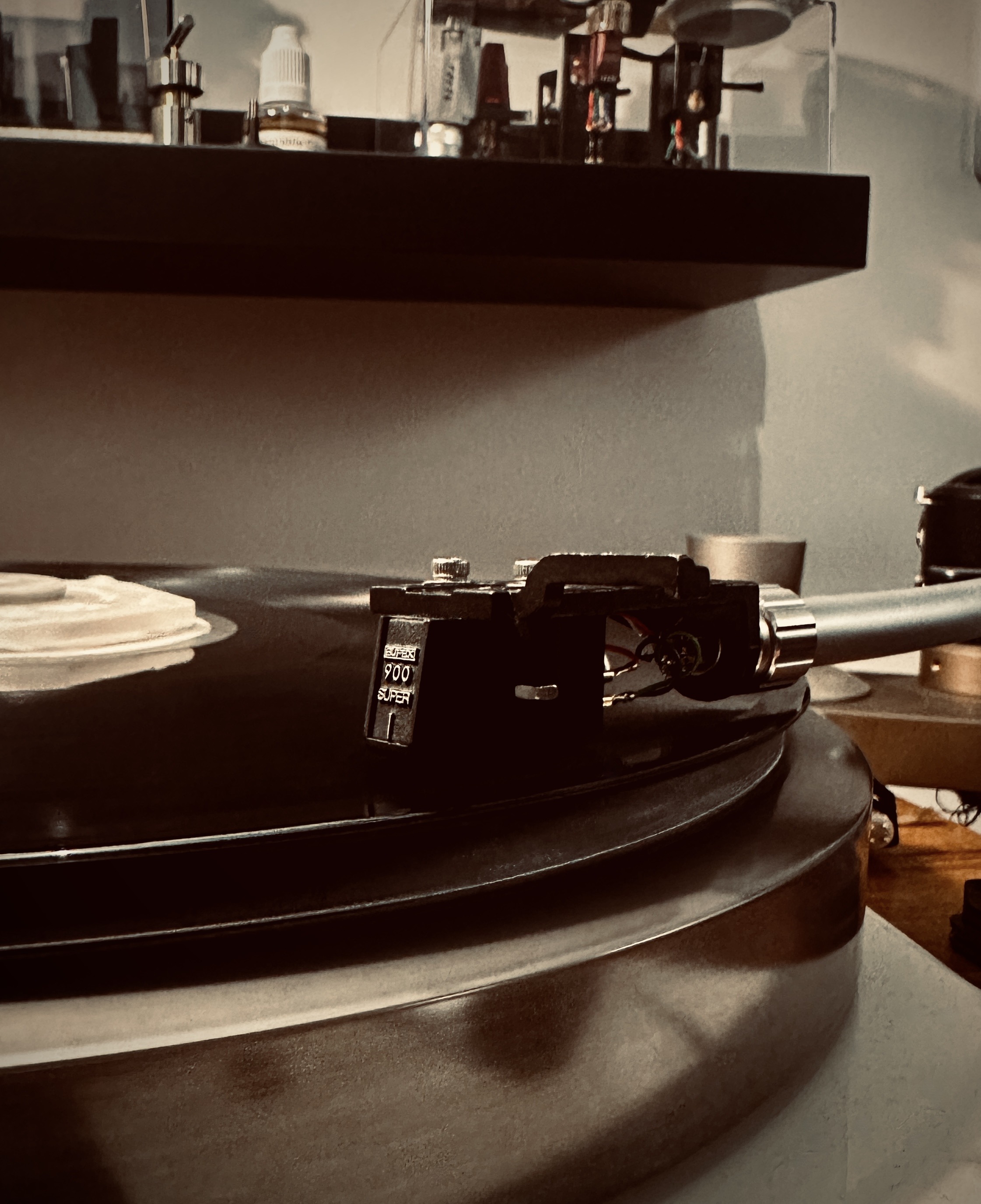
A landmark Japanese moving coil design that helped define the high end era of analog playback. The SD900 Super features a permalloy core generator with 4 Ω internal impedance and an output of around 0.2 mV. Its boron cantilever and line contact stylus extract remarkable texture and atmosphere from recordings. The presentation is rich and fluid yet finely detailed, with a sense of scale and dynamic contrast that remains deeply engaging. Best paired with a quality step up transformer and a tonearm of moderate to high effective mass.
DS Audio E3
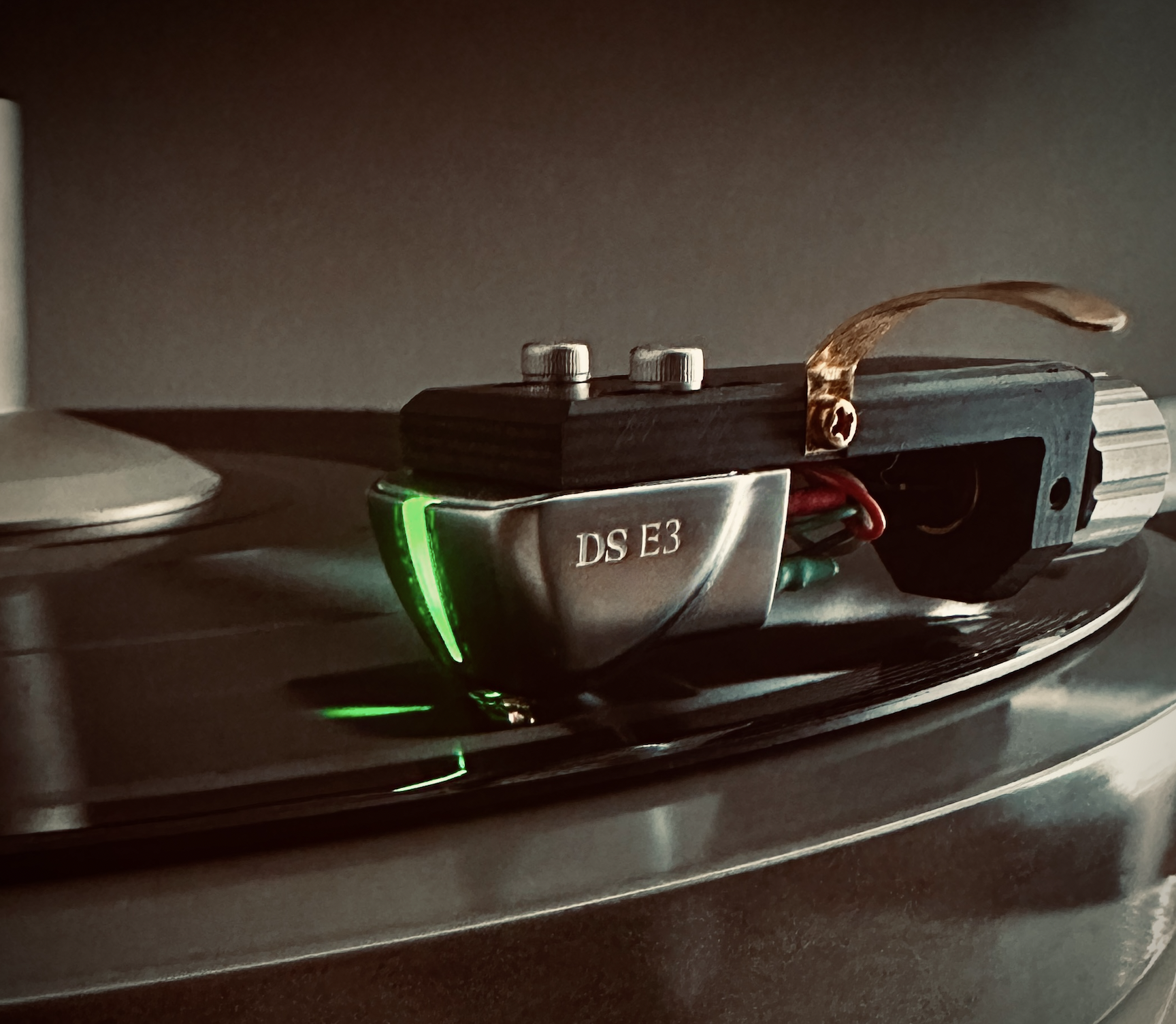
A modern optical cartridge that redefines how information is retrieved from the groove. The E3 uses a light beam and photo sensor in place of traditional electromagnetic coils, completely eliminating magnetic drag. With a microline stylus on an aluminium cantilever and a separate equaliser unit for RIAA and current conversion, the E3 delivers a signal of extraordinary purity and immediacy. The sound is open, noise free, and startlingly fast, with deep, finely resolved bass and a natural sense of scale. It offers a glimpse into what is possible when mechanical design meets optical precision, standing apart from the moving coil and moving magnet traditions entirely.
This collection spans most modern cartridge topologies, from high output moving iron to broadcast standard moving coil and optical. Together they cover a wide range of tonal colours and technical profiles, providing both reference and contrast in system setup and listening comparisons. I do have several other cartridges which as time permits I will rediscover and explore, but these are the main ones.

 Audio Satori
You must be logged in to post a comment.