
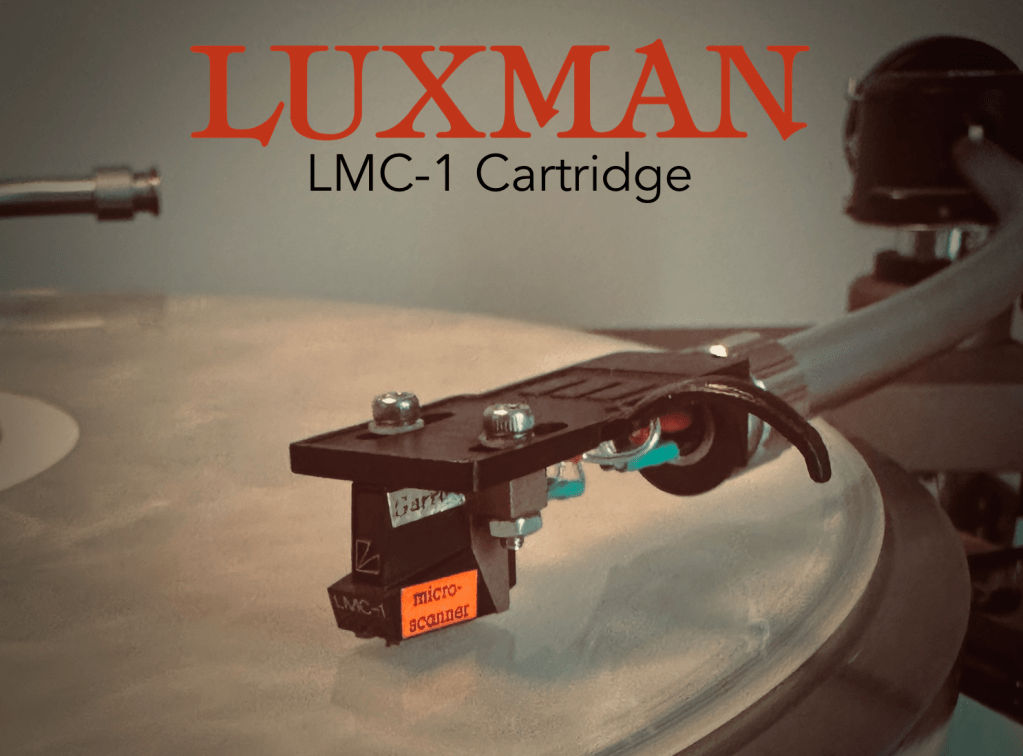
The LMC-1 is one of the more interesting cartridges in my stash. At some point it was fitted with a Garrott Brothers MicroScanner stylus, so it’s not completely original, but the core design still shows exactly what the engineers were aiming for. It’s an MC that avoids many of the usual compromises by rethinking both the magnetic circuit and the mechanical structure.
At the centre is the Linear Magneto Field Cross power generation system. Instead of a yoke and traditional magnetic structure, the LMC-1 uses two ring shaped samarium cobalt magnets arranged coaxially with the cantilever. This creates a uniform 360 degree magnetic field with very little mass. The generator ends up roughly one eighth the weight of a typical MC assembly while being about five times more efficient. The coil receives clean, perpendicular flux across its entire surface, which translates into a linear, low strain sound.

The cantilever is a 0.3 millimetre sapphire rod, light and rigid. The original stylus was a semi line contact natural diamond rated to trace up to 60 kHz, and the Garrott MicroScanner now fitted still tracks with the same crisp, low distortion behaviour. Complex grooves don’t faze it.
One of the cartridge’s biggest strengths is its structural approach. Many low output MCs use thin monocoque bodies to keep weight down, which often introduces resonance and colour. The LMC-1 sidesteps this entirely. Its ultralight generator allows everything to be mounted on a solid SPZ anti vibration zinc alloy block. The shell carries no structural load; all vibrational energy is channelled into that one piece. The result is a cleaner, more controlled sound with none of the hollow tones found in lightweight bodies.
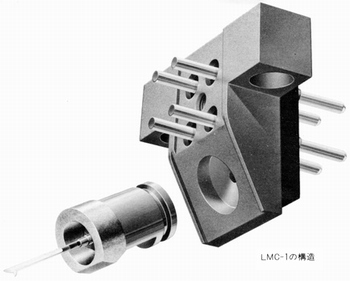
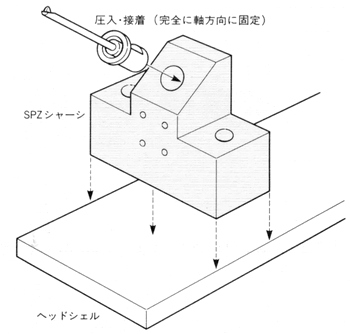
The suspension uses stainless steel wire to define the pivot point, keeping behaviour linear, while damping is kept modest. Tracking at about 1.5 grams is calm and secure.
Specs are still impressive: 0.1 mV output, 4 ohm internal impedance, 28 dB crosstalk, wide bandwidth and a compliance of 10, which makes it an excellent match for heavy arms. On the high mass EMT 997, the cartridge feels planted and completely stable.
The best synergy seemed to come through the Kondo CFz with its 1.5 ohm input. It delivered the cleanest microdynamics and the most natural sense of flow. At least of the things I had set up and handy.

I spent an afternoon listening to some vintage Iron Maiden—Number of the Beast, Piece of Mind and the Beast Over Hammersmith live show. The LMC-1 handled them brilliantly. The guitars retained crunch without harshness, the bass line stayed articulate, and Bruce Dickinson’s vocals were clean and centred. Most impressive were the drums: they had real scale and impact, with weight and physicality that makes the kit feel present in the room rather than flattened into the mix. Taken together, it made for a genuinely enjoyable session.

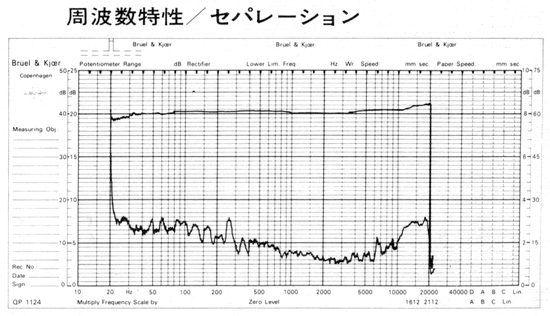
Even with the Garrott stylus in place, the LMC-1 keeps its defining traits: quick, clean, uncoloured and mechanically quiet. It’s an unusual design, but a very satisfying one when paired with the right arm and transformer. A pleasant surprise given its age and condition.
Vintage cartridges can be rewarding, but they come with their own set of risks. Suspensions harden or sag, coils corrode, magnets weaken and stylus assemblies are often worn past safe use. Many older cartridges have also been retipped, sometimes well, sometimes not, and it’s not always obvious at a glance. When buying vintage, it’s worth checking the condition of the cantilever, confirming that the suspension still moves freely and making sure the stylus is either healthy or replaceable. Provenance matters, and so does the ability to service or retip the model if needed.
Vintage cartridges can still be great fun to use as long as you go in aware of the potential issues and treat them as pieces that need a bit more care and verification than modern designs.


 Audio Satori
You must be logged in to post a comment.