
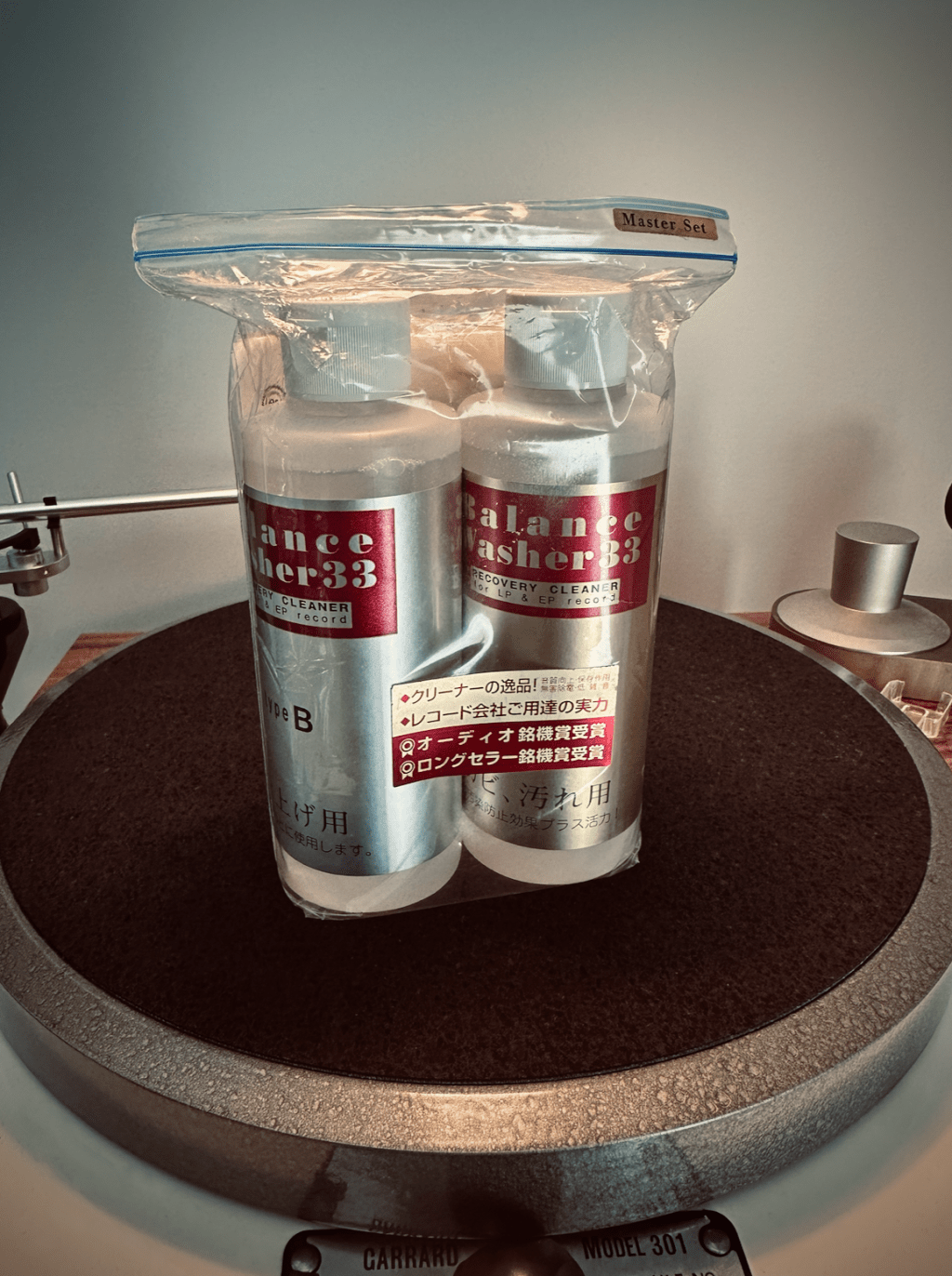
Balance Washer 33
My introduction to this cleaning/conditioning juice came through Jonathan Halpern of Tone Imports, who’d heard about it from the late Ken Shindo. If you know anything about Shindo’s obsession with analogue playback, and I mean obsession in the best possible sense, you’ll understand why that name alone was enough to get my attention. At the time I was mainly trying to sort out my crusty old shellac 78s, and the results when I first used Leiqwa’s Balance 78 system were genuinely surprising. Records that had looked rough and sounded worse came out noticeably quieter and cleaner. Musical detail that had presumably been sitting under decades of grime suddenly had room to breathe.
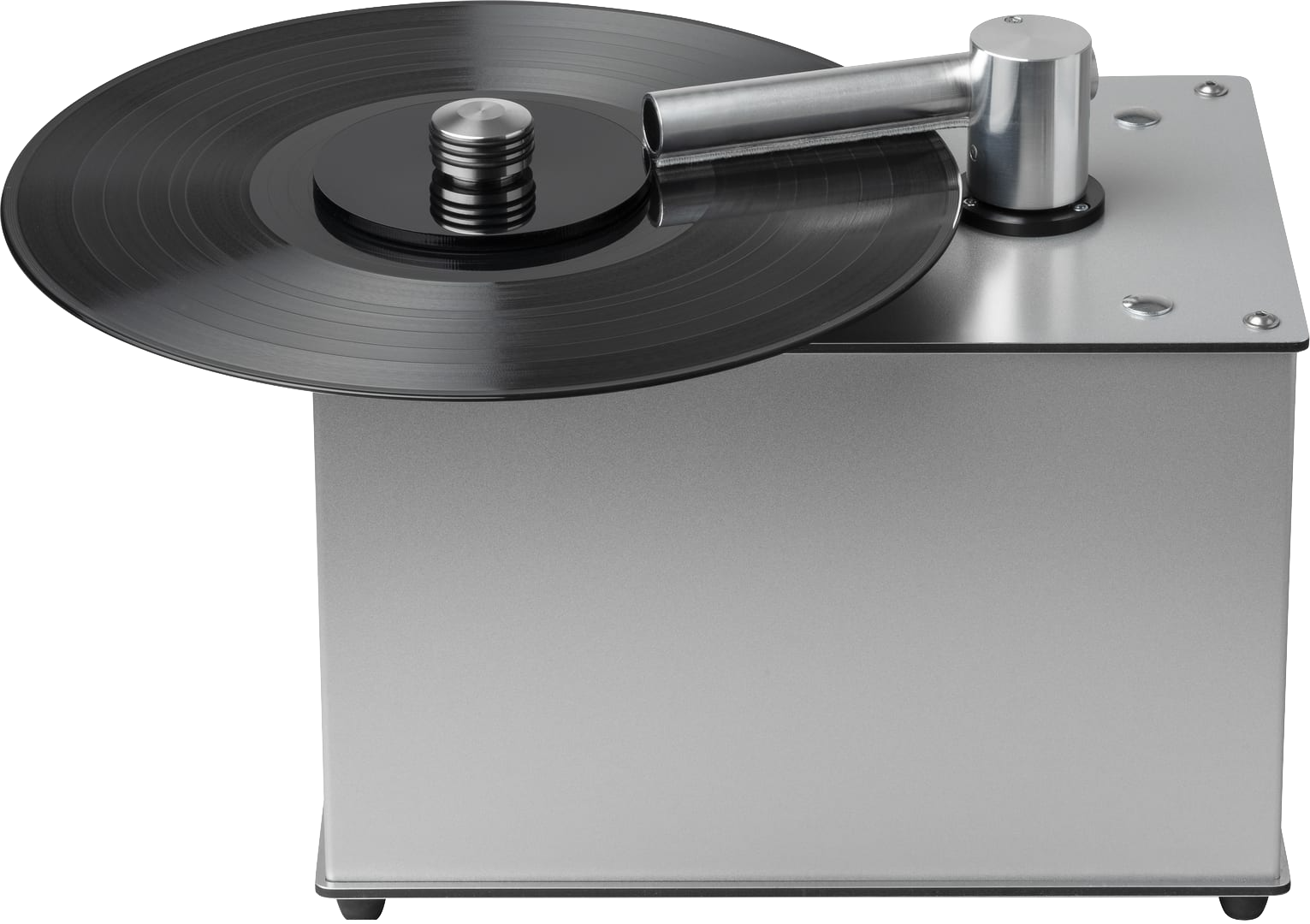
Over the years I’ve tried most things. In addition to the Leiqwa system, my current workhorse setup is a pretty basic Project VC-E record cleaning machine paired with L’Art du Son fluid, which I still think is excellent. Before that I had a VPI HW16.5, and I went through the whole audiophile ritual of concocting various brews: distilled water blends, alcohol mixes, enzyme cleaners, whatever the forums were excited about that month. Some worked reasonably well. But the focus was always the same: get the dirt off.
Leiqwa approaches it differently. The emphasis is on static reduction, groove preservation, long-term care, not just cleaning as such. These days I use both approaches. The Project machine does the heavy lifting on anything seriously soiled. Leiqwa is what I reach for as a finishing treatment, or for records that are already in decent shape and just need proper maintenance.
I should say: I’m not a cleaning fanatic. I buy new vinyl almost exclusively these days and I don’t have much patience for an elaborate cleaning ritual. Some people build these incredible multi-stage processes, ultrasonic baths, vacuum machines, a small army of fluids, and fair enough, but I’d genuinely rather just be listening. Any cleaning system that starts feeling like a hobby unto itself has lost me before I’ve begun, which is part of why Leiqwa has stuck around. It gets results without requiring you to devote yourself to it. I mean I wouldn’t mind one of those fancy-ass Degritters, but I’m not going to spend thousands of dollars on one that’s for sure. A mate has one though, and swears by it.
What is the Leiqwa Balance Washer?
It’s a two-stage system developed by cartridge designer Mr Ogoshi working with a scientific research team. The goal wasn’t to produce another cleaning fluid but to build something that cleans thoroughly without being harsh on the record itself.
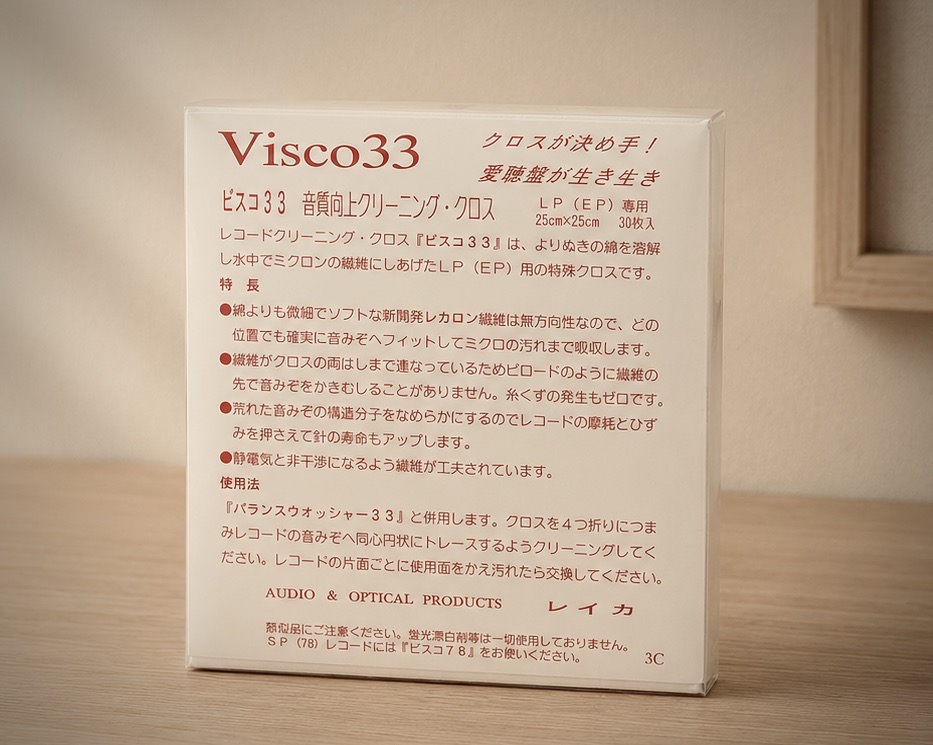
Two fluids: Solution A for contaminants, mould and embedded grime. Solution B as a finishing and conditioning stage. Both are used with Leiqwa’s Visco cleaning cloths, which are purpose-made for the job.
The claims are bold. Sound quality improvement, static reduction, genuine preservation. Normally I’d be sceptical, in practice, though, it bears scrutiny.
Why bother at all?
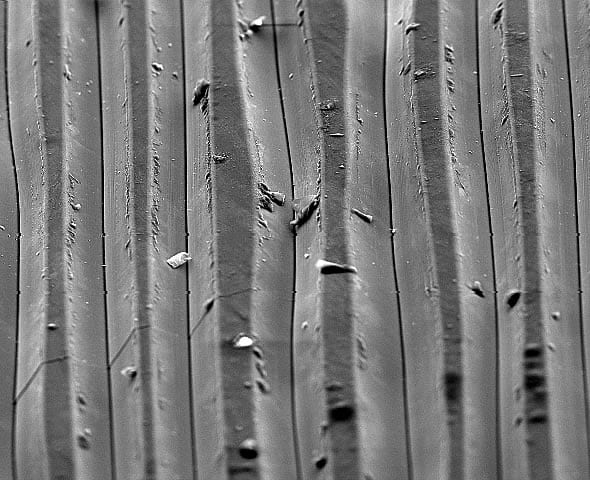
Even records that look fine can be carrying a lot of contamination down in the grooves. Dust, mould spores, manufacturing residue, skin oils, airborne pollution, it all accumulates. A record that passes a visual inspection under decent lighting can leave a Visco cloth looking genuinely grim after one pass which is slightly unsettling.
New records aren’t automatically clean either. Fresh pressings regularly carry mould-release compounds and production residues, and they’ll often benefit from a clean before the first play, if I can be bothered.
The Visco cloth
The cloth might be the most important part of the system. The fibres are extremely fine, fine enough to actually get into the grooves and pull contamination out rather than just moving it around. No lint and no residue left behind.
They’re disposable, with reusable brushes and pads there’s always the nagging question of whether you’re just redistributing dirt from record to record, so this gets rid of that problem entirely.
Getting it wrong
Record cleaning sounds straightforward but there are real ways to cause damage. Dry cleaning can grind abrasive particles across the groove walls. Some wet methods leave residues or push dirt deeper in. Certain alcohol-based cleaners can allegedly degrade the vinyl compound over time, although I am not sure about that.
Leiqwa is designed to lift contamination away from the surface rather than move it around. That’s the approach, anyway, and from what I’ve seen it’s the right one.
How I actually use it
Nothing complicated. I start with a carbon fibre brush to get loose surface dust off. Then five or six drops of Solution A spread across the record, worked gently along the grooves with a folded Visco cloth. The fibres do the actual work, there’s no need to scrub. Even records that look clean will often surprise you with what comes off.
Once Solution A is completely removed and the record is dry, I go through the same process with Solution B. The result is consistently impressive, a deep, genuinely glossy black surface that reminds me of a freshly cut lacquer.
The only rule is patience. No moisture left behind before the record gets played.
Keeping it up
Used records get the full treatment, Solutions A and B, before they go on the shelf. New records often get the same before their first play if I am feeling like I can be bothered. Everything goes into fresh anti-static inner sleeves and protective outers.
You don’t have to do any of this. Plenty of people don’t and they enjoy their records just fine.
But if you’ve put serious money into a turntable, a cartridge, a collection you care about, spending a few minutes cleaning properly is probably the most straightforward improvement you can make that doesn’t involve buying anything new.
The Leiqwa Balance Washer system isn’t an exciting product. It won’t impress anyone who comes round. It doesn’t have the romance of a new cartridge or the visual interest of a nice amplifier. It just helps records sound right and stay that way.
Maybe one day I will be cool enough to buy a Degritter, but it is not this day…


You must be logged in to post a comment.