

One of the stranger things about high-end audio these days is how good they’ve gotten at solving problems that probably didn’t exist to begin with.
If you spend an evening on audio forums, or flick through a high end manufacturer’s website, you’ll run into gear engineered to a standard that wouldn’t look out of place in aerospace. Forty-kilo turntable platters machined to micron tolerances, isolation devices built from materials that started life in Formula One, cables that cost more than a used car or power conditioners promising to scrub out electrical noise nobody’s actually proven is there; don’t get me started on ‘grounding boxes’, or those oil-rig style turntables and speakers that look like someone scavenged a crashed Formula 1 car for parts.
A lot of this engineering really is impressive, and I wouldn’t want to suggest otherwise. I like good design. I can look at a beautifully machined chassis or circuit layout and appreciate the work that went into it.
I can’t help but think though that somewhere in all this, a lot of us lost sight of the forest for all the trees.
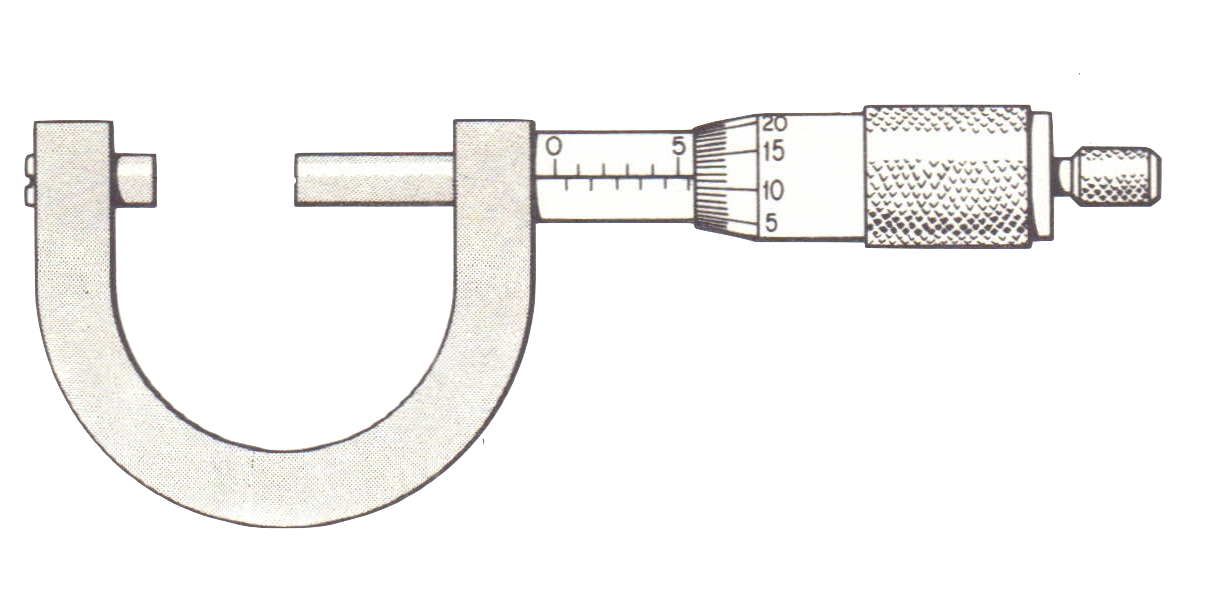
Audio companies need to keep selling things. But once you’ve built a solid amplifier, a nice speaker, or a turntable that is quiet and keeps stable speed, what’s left? Increasingly, it seems the answer is to go hunting for smaller and smaller problems. Faint resonances. Vibrations you’d need a lab to measure. Distortions sitting well below what anyone can actually hear. Each one becomes a product. Another upgrade, another reason your system, which was doing just fine thanks, is apparently holding you back.
The thing is though, most of these “problems” never stopped anyone enjoying music.
Grab an average listener from 1978 and drop them into a hi-fi shop today, and they’d probably be stunned at what even a modest system can do now. A sensible amp, a decent pair of standmounts, a reasonable source, that combination today would’ve counted as serious high-end four decades ago.
And yet a lot of audiophiles seem less content than ever.
There’s always one more tweak, one more accessory, a different power cable, a new shelf, an isolation footer, some box that swears it’ll strip away the last microscopic veil between you and musical bliss.
The finish line just keeps moving.
The Weight of Expectation
Expensive systems carry an expectation pressure that cheaper ones don’t have to deal with.
Spend $3,000 on a system, and you’re happy when it sounds good.
Spend $300,000, and somehow it has to change your life.
Every listening session turns into an audit. Is the soundstage wide enough? Is the bass textured enough? Should the speakers move another three millimetres? Is the cartridge loading off by twenty ohms? Were those particular isolation feet really the right choice?
The gear becomes the hobby and the music becomes an afterthought.
Funnily enough, some of the most contented listeners I know run systems most audiophiles wouldn’t look twice at. Not because they can’t hear what’s going on, they definitely can. It’s that they’ve stopped expecting perfection.
Their expectations fit their setup. The spending makes sense to them. They put a record on, pour a drink, and just listen.
There’s no anxiety about whether they’re missing something. No compulsive upgrading, no nagging sense they’ve left performance on the table somewhere.

Diminishing Returns Are Real
None of this means pricier gear isn’t genuinely better. It clearly often is.
A great reference speaker can dig up detail a budget model just can’t reach. A premium cartridge might track more securely, retrieve more information, sound more refined. Good engineering does produce real results, that part isn’t in dispute.
But the improvement curve flattens out fast, diminishing returns kick in way before any limitation in gear does.
Go from a $500 amp to a $2,000 one, and the jump can be night and day.
Go from $20,000 to $80,000, and often it isn’t much of a jump at all.
Meanwhile the engineering complexity, and the marketing story wrapped around it, keeps climbing like there’s no ceiling. At some point you’re not chasing better music anymore, you’re just demonstrating what’s technically possible for its own sake.
Nothing wrong with that, necessarily. Formula 1 cars exists next to the Toyota Corolla for a reason.
The mistake is assuming everyone needs a Formula 1 car to get to the shops.
There’s also something worth admitting about the very top of the market: a lot of it was never really built to be bought. Reference-level anything, whether it’s a $200,000 turntable or a hypercar that’ll never see a suburban road, works more like a proof of concept than a product. It exists to show what a brand can do when cost stops being a constraint, and to give engineers a sandbox to try ideas that would be too risky or too expensive to put straight into a mainstream design. Most of what actually reaches ordinary listeners, the driver technology in a $2,000 speaker, the power supply design in a mid-range amp, often started life being worked out on something absurd and unaffordable a few years earlier. So in a sense, buying into the flagship isn’t really the point. The flagship’s job is to exist, get talked about, and then hand its best ideas down the range. Of course some people do buy these things…. which is great for the manufacturers and the industry as a whole.

Simplicity Can Be Liberating
Lately I’ve found myself pulled toward simpler systems. Not cheap out of principle, in fact not necessarily cheap at all, just sensible.
Gear built to solve problems that are actually there, rather than ones somebody invented to sell a box. Equipment that gets out of the way and lets the music do the talking. There’s something genuinely nice about owning a system that doesn’t sit there asking “what if?”
What if you upgraded the DAC?
What if you swapped the mains cable?
What if the rack isn’t quite inert enough?
Eventually you just… stop asking. Once you do, something good happens. You start listening to whole records again. Not just the first ninety seconds of the same three audiophile pressings you’ve been using to evaluate gear for the last decade.
I admit there’s definitely some hypocrisy in me writing any of this. Anyone who knows of my own system knows I’m not exactly a puritan monk of minimalism and fiscal restraint about it. I like nice gear as much as the next person, and I can genuinely appreciate the craft behind the properly exceptional stuff. But being aware of my own contradictions doesn’t make the point less true. If anything, it’s probably because I’ve gone so far down this particular rabbit hole that I feel qualified to say anything about it.
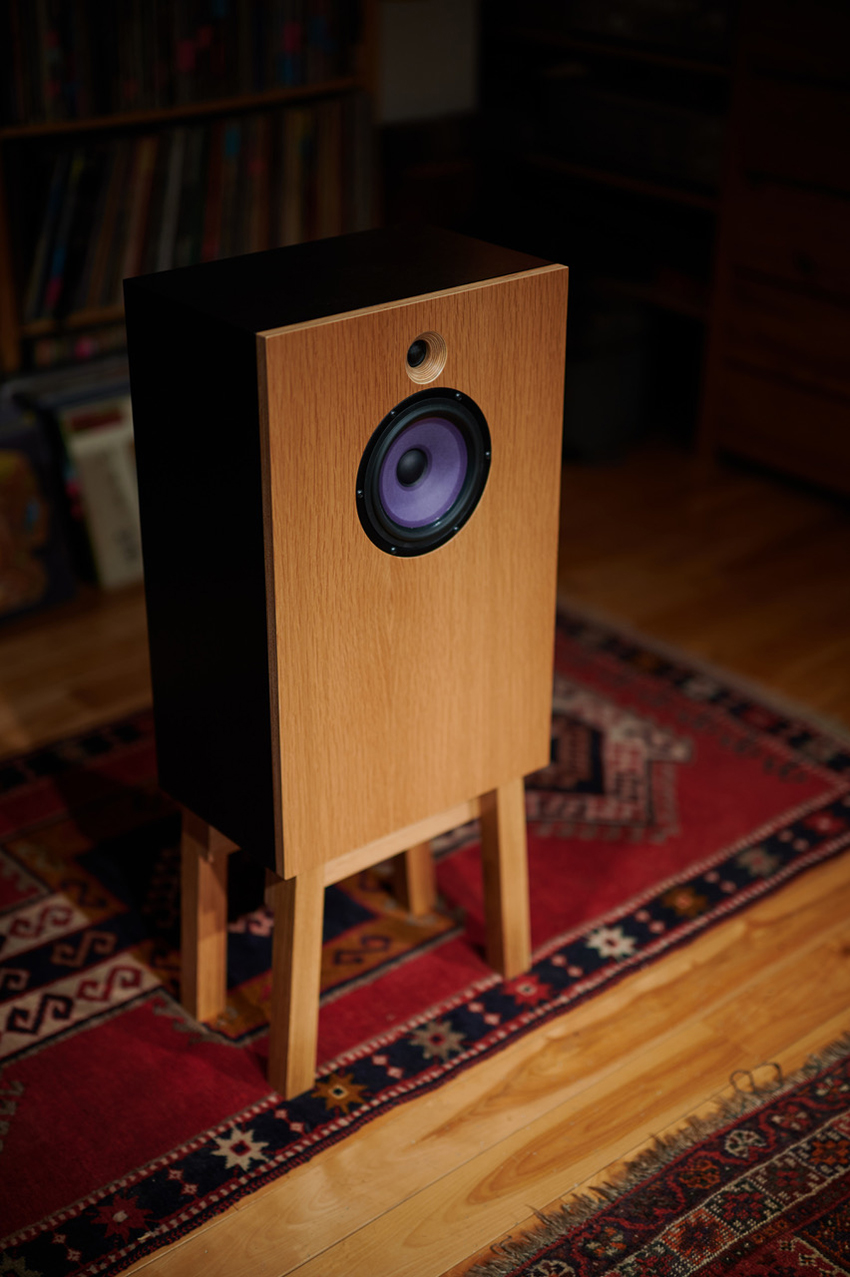
I run a little thought experiment sometimes: if I had to sell everything and start over, what would I actually buy? Not a six-figure dream system, as it turns out. Probably something like a Heaven 11 Billie integrated amp, or maybe the reissued Musical Fidelity A1, perhaps another baby Leben, a Technics SL-1300 turntable and a Hana MH, a pair of Omega full-rangers or maybe DeVore O/Babys, and a matching Technics CD player/streamer. Attainable, musical, simple and reliable. Realistically that’s a super high end system by any normal measure, so to even consider it in some sort of ‘budget’ light sort of proves the point of what I am trying to say.
I suspect it would be a system I’d stop thinking about pretty quickly. I’d just put records on and get on with my life.
Maybe that’s the whole point.
Remembering Why We Started
This is probably what bothers me most about all of it. High-end audio is supposed to serve the music, not the other way around. Engineering is genuinely fascinating, precision manufacturing deserves respect, and innovation is worth celebrating, but it should be solving real problems, not manufacturing new ones to justify itself.
If we’re honest, most of us could probably live very happily with systems costing a fraction of what we currently own, or think we want. We’d worry less. Upgrade less.
Stop being impressed by things just because they cost a lot of money. Cost generally doesn’t equate well to value in the high end world, whether it be hi-fi, watches, cars, pens or whatever. Have more money left for records. I bet we’d spend a lot more evenings listening to music, instead of listening to hi-fi.
I think it was David Chesky who said “Cds and Records aren’t trying to recreate an event, they ARE the event”, I think if more people realised that, their audio lives would be less fraught and they’d start to enjoy music more.


 Audio Satori
You must be logged in to post a comment.