
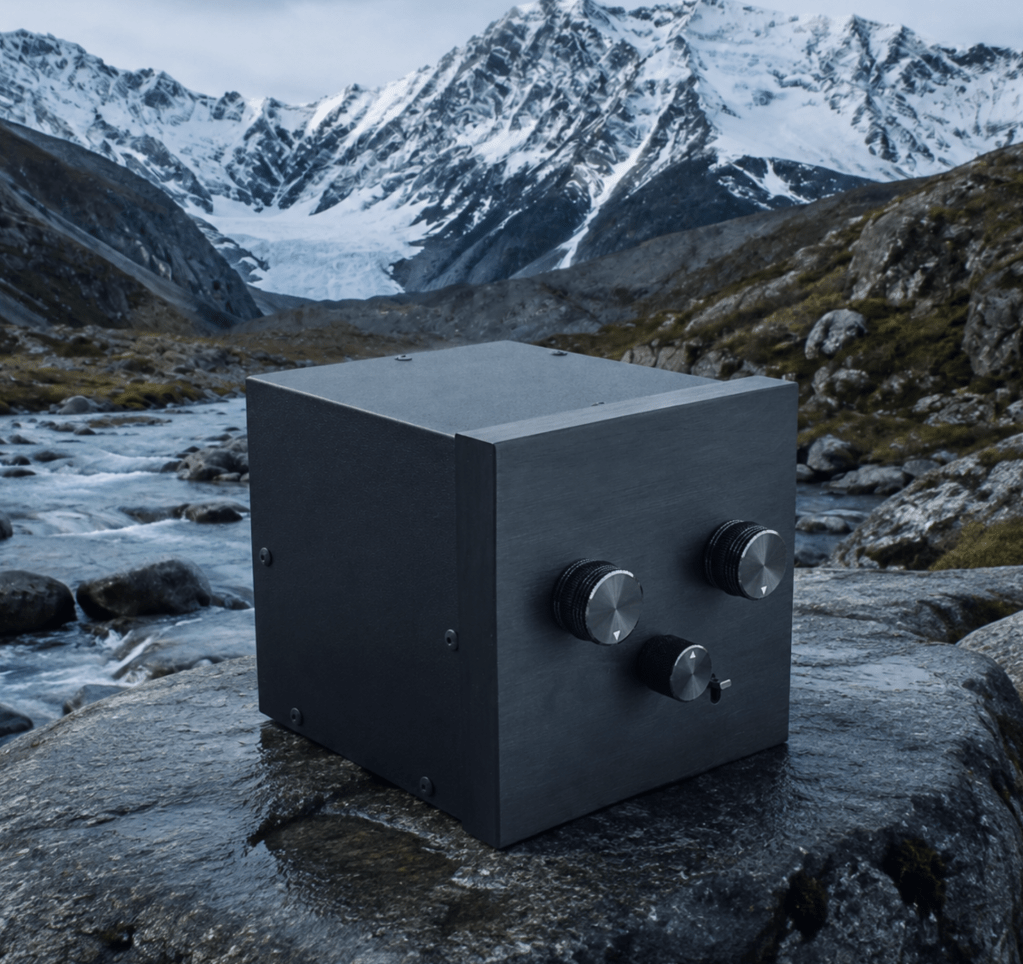
I have now hooked up the EM/IA Autoformer with the borrowed Audio Note UK P3 power amplifier, a 300B based design producing just 8 watts per channel. The result can only be described as revelatory. Cliché though it may sound, I was hearing things in familiar recordings that I hadn’t realised were there, particularly down in the lowest bass regions. The top end is genuinely astonishing, with superb space and low level detail emerging from an utterly black background. Sounds seem to emanate from nothingness, appearing fully formed in the room without any obvious connection to the speakers.
Everything sounded extraordinarily clean and pure, but never sterile, bleached or clinical. It was as though nothing was actually trying to reproduce the sound; the music simply existed in space. The speakers disappeared completely, leaving behind a vast, open soundscape that seemed entirely detached from the physical system producing it.
I described it to a friend as being like drinking pure glacial water: completely unadulterated, fresh and clear, yet not remotely harsh or astringent. There was no obvious tonal embellishment or artificial sweetness, but neither was there any sense of the music being stripped of body or humanity. It was simply open, natural and astonishingly immediate. As an initial experiment, it has already gone considerably further than I expected.

The first thing I listened to through the EM/IA and Audio Note combination was Trial of the Bow’s Rite of Passage, and it was truly awesome. It proved to be an inspired choice: the sparseness of the recording, contrasted with the remarkable density of some of its more layered passages, was utterly captivating. The top end was just awesome, with superb space and low level detail emerging from a completely black background. Sounds seemed to materialise from nothingness, suspended in the room without any obvious connection to the speakers.
Released in 1997, Rite of Passage was the sole full length album from the Australian duo of Matthew Skarajew and Renato Gallina, following their earlier Ornamentation EP. Although both musicians came from the crushing world of diSEMBOWELMENT, Trial of the Bow travelled somewhere very different. The album blends ambient music, ritual percussion, drones and Middle Eastern influenced textures, using instruments including tabla, hammered dulcimer, tamboura, flute, guitar, bass and e-bow. The result feels less like a conventional collection of songs than a journey through a series of ancient, half-imagined landscapes.
What makes the album so compelling is the way it moves between emptiness and intensity. At times, a single instrument or distant percussive sound hangs in a huge expanse of silence; in other parts, the music becomes dense, rhythmic and almost overwhelming, but it never loses its contemplative character. There is an fantastic sense of scale throughout, with each sound allowed its own space while still contributing to the wider atmosphere.
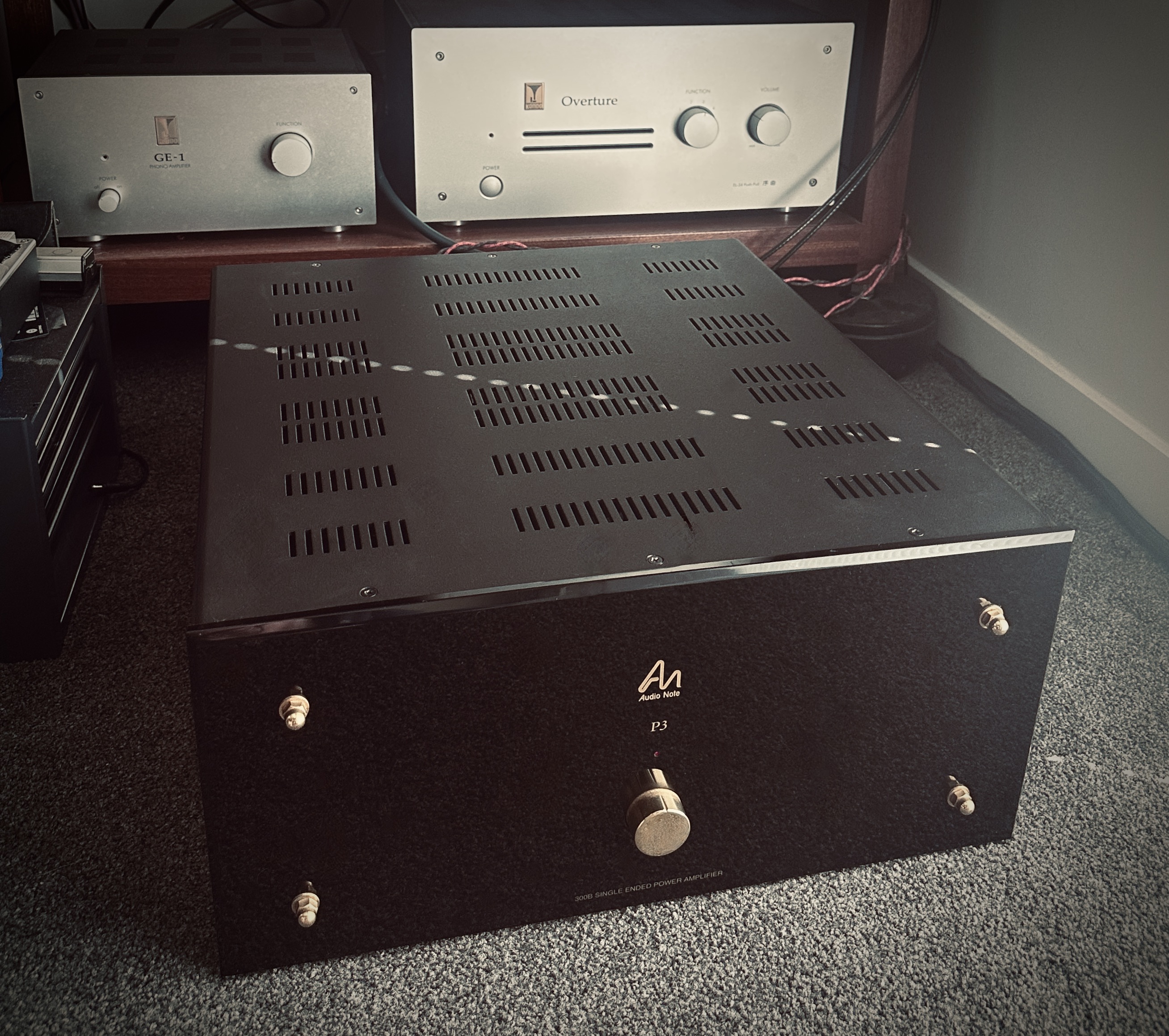
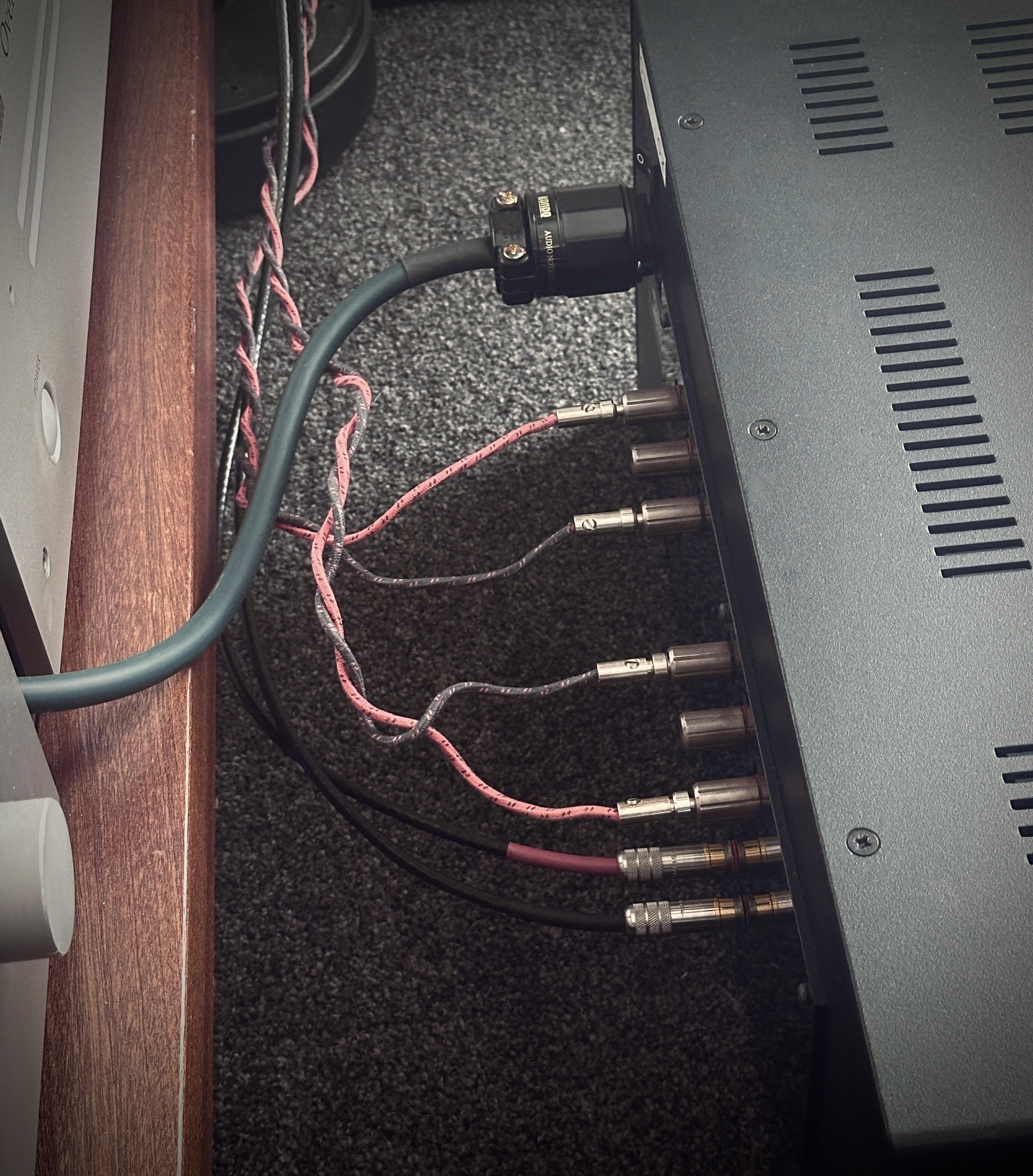
Through the EM/IA and the 8 watt P3, those contrasts became completely absorbing. The quiet passages possessed a tangible stillness, while the denser sections expanded effortlessly without any suggestion of strain, compression or forcefulness. There was no sense of music being ‘reproduced’ as such, the sound simply existed in space. The speakers disappeared, leaving only this vast immersive soundscape. As a first recording with which to explore the possibilities of the autoformer approach, Rite of Passage could hardly have been more revealing.
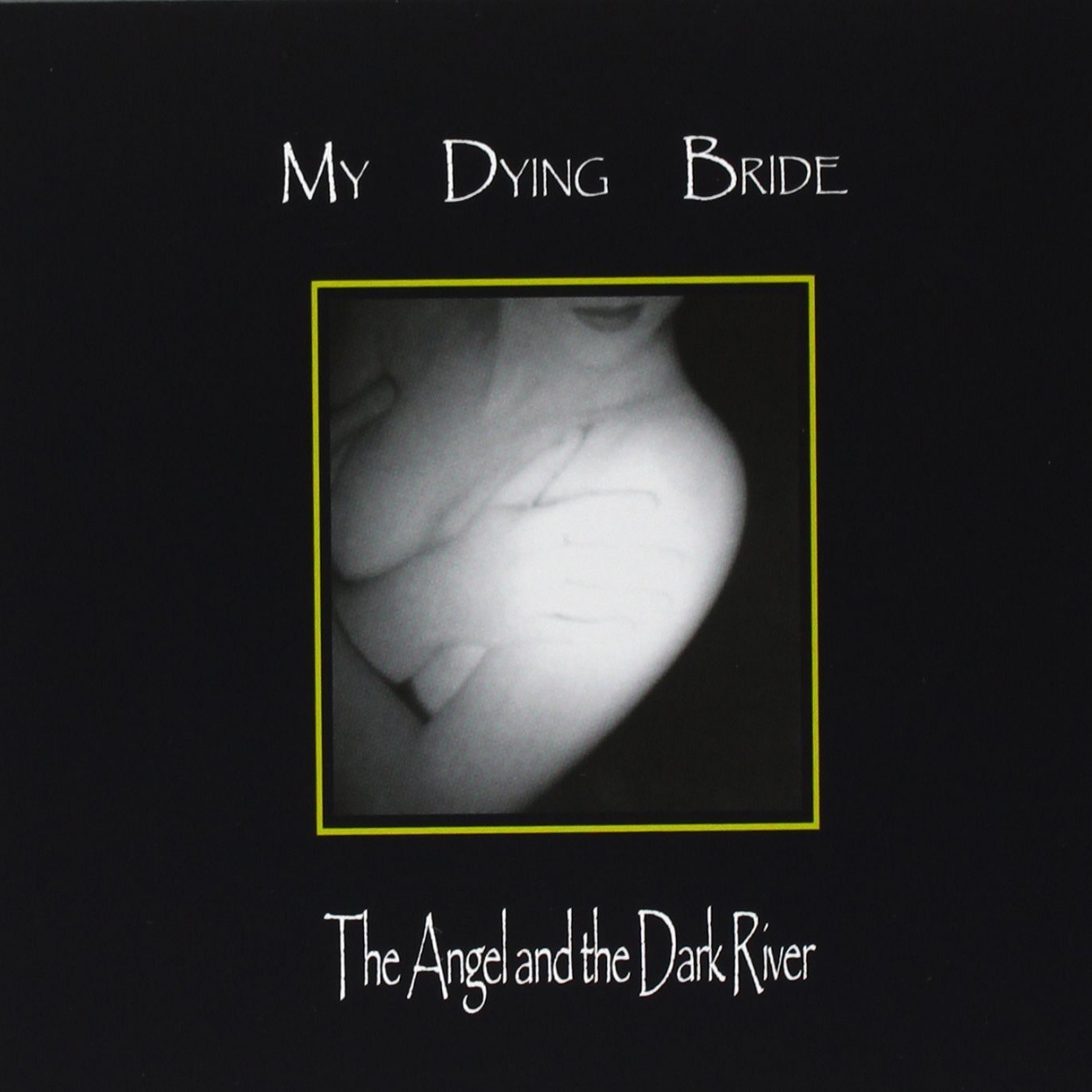
From there, I progressed through an increasingly varied selection of music. My Dying Bride’s The Angel and the Dark River was particularly impressive, especially “From Darkest Skies.” Its opening bass line had a weight, texture and physical realism that I have simply never heard reproduced so convincingly. It didn’t sound artificially enlarged or overemphasised; it just appeared in the room with the presence and solidity of an actual instrument.
Russian Circles’ first single from their new album Nine, “Empath,” demonstrated that this purity and openness did not come at the expense of heaviness. The track retained its mass, density and physical impact, but its layers remained clearly separated rather than collapsing into an indistinct wall of sound. The EM/IA and P3 combination could sound delicate and spacious, but it could also carry genuine weight and menace when the music demanded it.
We continued through the angular jazz of The Bad Plus, the idiosyncratic textures and vocals of Björk, and the immense atmospheric worlds of Dead Can Dance, Om, Heilung and Wardruna. Large scale works such as Carmina Burana revealed a tremendous sense of space and dynamic scale, while John Psathas’s complex percussion and rhythmic structures were presented with startling precision and clarity. Despite the enormous differences between these recordings, the same qualities remained consistent: an absence of strain, a completely black background and the impression of sounds emerging fully formed from empty space.


It has been a genuine eye opener into what is possible with this approach. So far, my listening has been confined to digital sources, both CD and streaming, but the results have already been remarkable. Vinyl will be the next step once I recover from the current plague that is going around, and I am particularly interested to hear what the combination makes of the Garrard, Kondo phono stage or the Mola Mola Lupé I have and all my various cartridges and step up transformers. If it brings the same openness, purity and sense of unforced presence to analogue, this experiment may prove rather more consequential than I had anticipated.
There is no sense of strain, forcefulness or effort anywhere in the presentation. The sound is not being pushed forward or made to impress; it simply is. I’ve been discussing the experiment with a few of my audio illuminati friends, and they all seem to think I am heading down a very promising path as well. It is still early, but this first encounter with the autoformer and 300B amplifier has been a genuine eye opener into what is possible with this approach.
Perhaps I shouldn’t be so surprised. Electrically, I’m moving towards just about the simplest possible way of amplifying a signal: a passive transformer based volume control feeding a single ended triode amplifier. There is very little circuitry involved and very little standing between the source and the loudspeakers. Simplicity doesn’t automatically guarantee better sound, of course, but when it is executed at this level it feels like a clear path towards greater purity, immediacy and, ultimately, musical satisfaction.
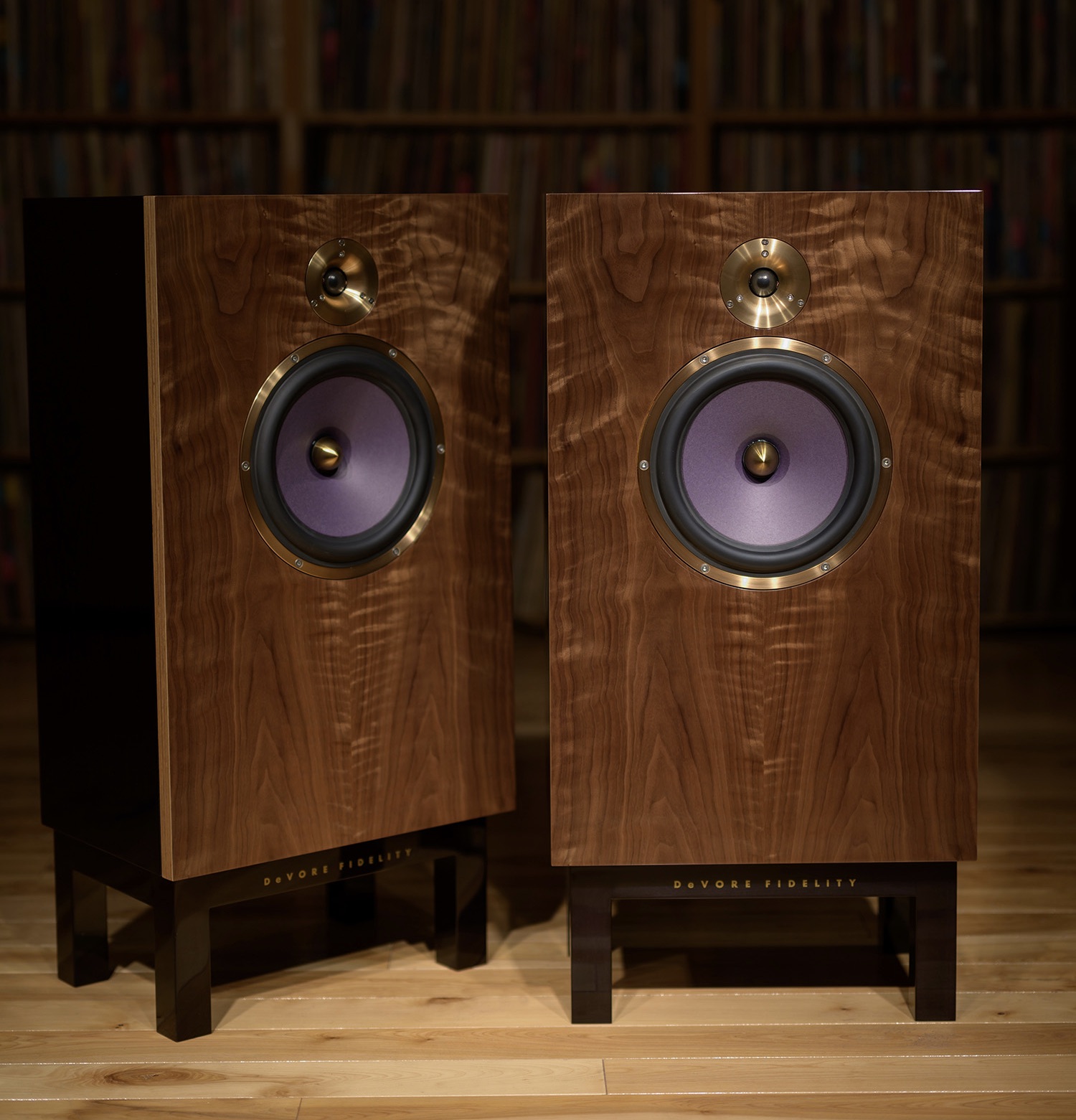
The DeVore Fidelity O/Bronzes also seem to be a supremely good match for this type of front end. Their sensitivity, easy load and inherently natural sense of scale allow the 8 watt Audio Note to work comfortably, while their openness and dynamic freedom make the qualities of the EM/IA immediately apparent. Rather than exposing the limitations of such a low powered and minimalist system, the DeVores seem to complete it, turning those few carefully chosen watts into something spacious, effortless and thoroughly convincing. This has only fuelled my lust for the Komuro K-300S even more now!


You must be logged in to post a comment.