
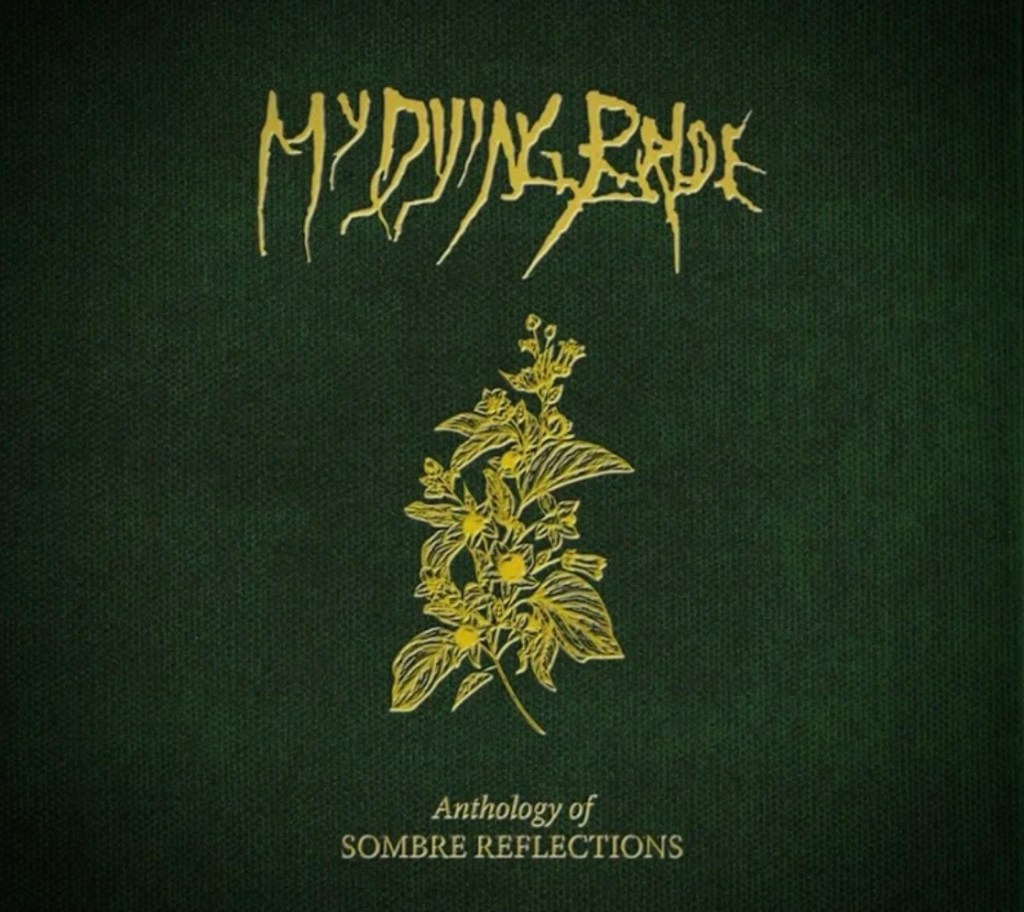
More My Dying Bride stuff… released by Peaceville, this big ass box set contains eight heavyweight black LPs covering the bands earliest and, for me, most important period. It starts with the 1990 Towards the Sinister demo and the God Is Alone material, then moves through the first four studio albums and the three early EPs, ending with Like Gods of the Sun in 1996.
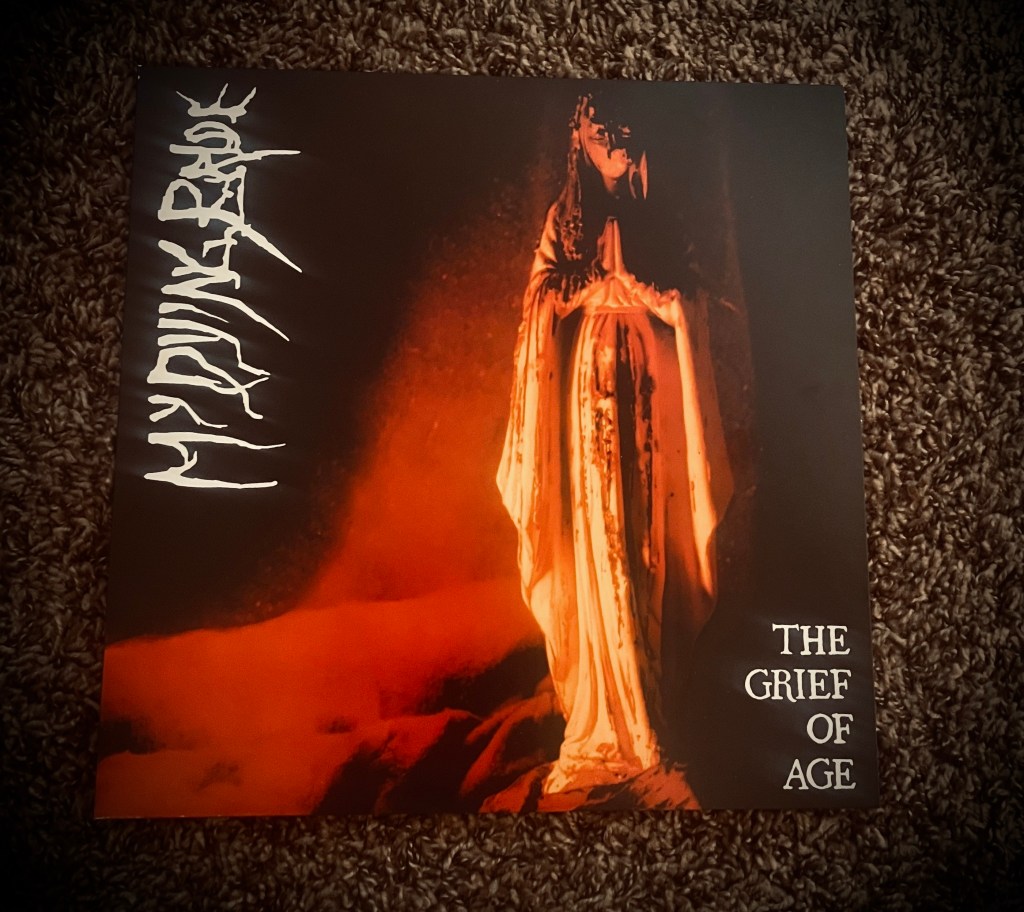
The demo, early 7-inch recordings and otherwise scattered tracks are gathered on The Grief of Age, while Symphonaire Infernus Et Spera Empyrium, The Thrash of Naked Limbs and I Am the Bloody Earth are each given their own records.
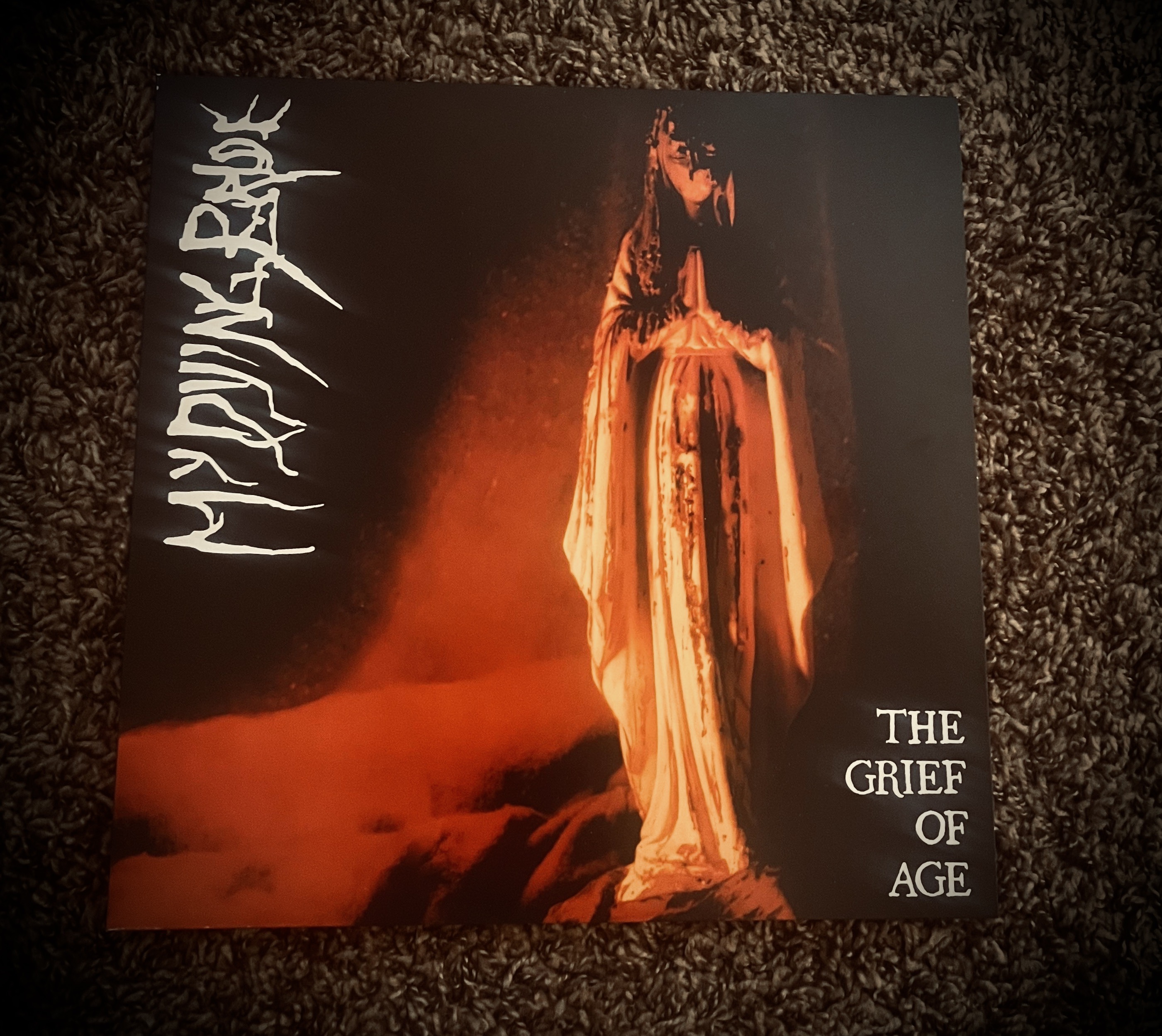
It makes this feel like a proper record (heh) of the band’s early development rather than a repackaging exercise. The raw and fairly primitive demo recordings quickly give way to the much more ambitious Symphonaire Infernus, followed by the strange, abrasive As the Flower Withers. From there, the band moves through Turn Loose the Swans and The Angel and the Dark River before arriving at the cleaner and more controlled Like Gods of the Sun.
It’s a lot of music. The EPs are essential to the story and deserve to be treated as crucial releases in their own right.
The four studio albums have been newly half-speed mastered at AIR Studios. This is naturally one of the main reasons to consider the box if you already own the music.
The good news is that the mastering has not attempted to make all four albums sound the same. As the Flower Withers is still dense, rough and a bit murky. Turn Loose the Swans has more space and a greater sense of scale, while The Angel and the Dark River is broader and more atmospheric. Like Gods of the Sun remains the most polished and immediately accessible recording of the four. I did notice they have changed the track order on The Angel and the Dark River, putting Black Voyage after A Sea to Suffer In, presumably because it was decided to include the full unabridged version of The Cry of Mankind, which on the original vinyl release had the long ambient atmospheric bit truncated.
There is a little more clarity and separation than on some older editions I have heard, particularly when the guitars, violin and keyboards are all present. The bass also has good weight and definition, and the drums come through with considerable force. However, the recordings have not been brightened up or scrubbed clean. They still sound dark, heavy and unmistakably of their period. There would be little benefit in revealing a small amount of extra detail if the atmosphere was lost in the process. These new cuts manage to open the music up without making it sound unnaturally tidy.


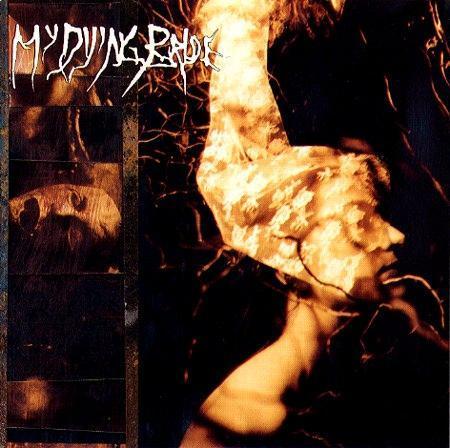
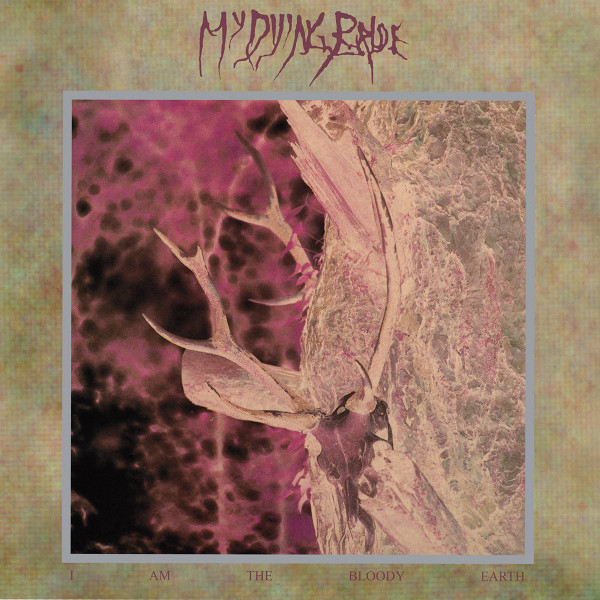
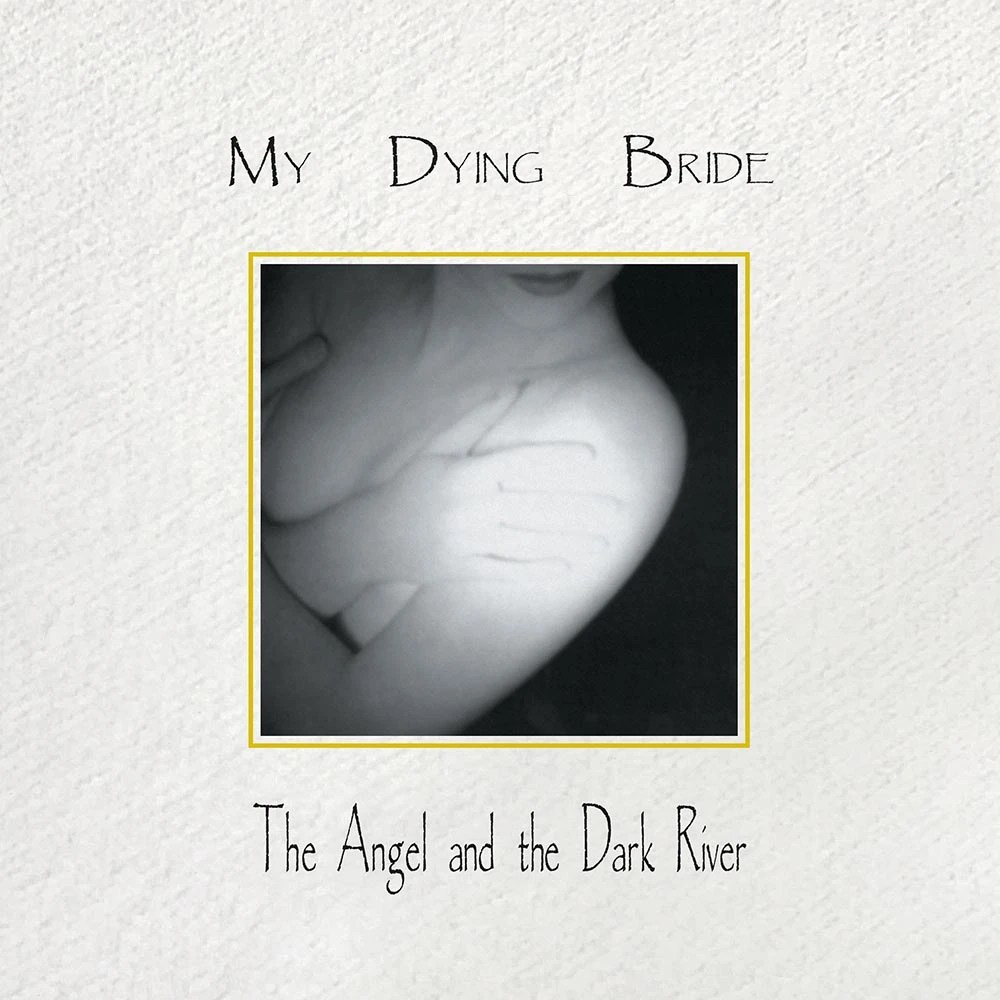
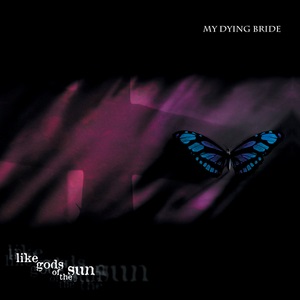
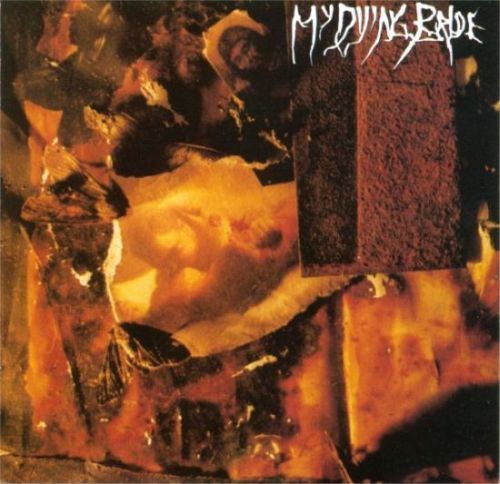
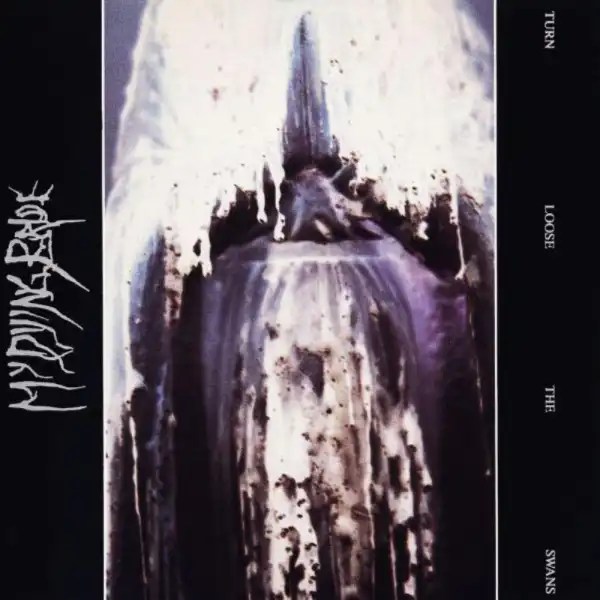
The greatest improvements are probably heard on Turn Loose the Swans and The Angel and the Dark River. Both have a convincing sense of space, and the quieter sections emerge from a very dark background. The opening bass line of “From Darkest Skies” sounds particularly good, with real depth and texture rather than simply low-frequency weight.
As the Flower Withers is inevitably more limited by the original recording. The new master gives the instruments slightly more room, but this remains a rough and crowded album. I would not want it any other way. Its imperfect sound is part of its character.
The early demo and 7-inch material is obviously much less refined, but it is perfectly listenable and presented honestly. No attempt has been made to disguise its origins. Hearing it on vinyl also suits the material rather well; the rawness feels appropriate rather than distracting.
Pressing quality across my set is very good. The records are flat, centred and quiet, with no obvious non-fill or persistent surface noise. Given the number of subdued passages and slow introductions in this music, quiet vinyl is not a minor detail. There is nothing worse than hearing a series of loud clicks while waiting for one of these songs to gather momentum. One thing I did note though was the vinyl itself was a bit dirty, so a clean was in order first up.
The use of ordinary black vinyl also seems like the right choice. Perhaps multi-coloured discs would have made the set more instantly marketable, but black vinyl better suits both the music and the overall presentation. The records themselves feel substantial and the sleeves reproduce the familiar artwork cleanly.
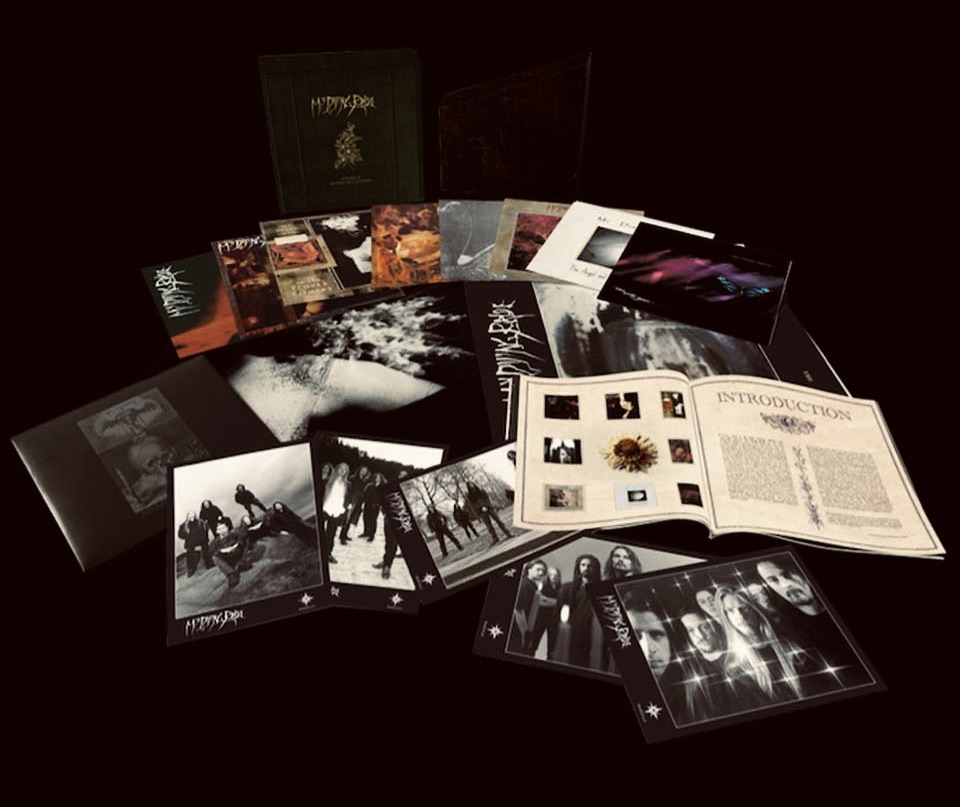
The box is large and solid without being ridiculously oversized. Inside is a 48-page book featuring artwork, archive photographs and new interviews with Aaron Stainthorpe and Andrew Craighan, conducted in 2025. The book is substantial enough to sit and read rather than feeling like an enlarged set of liner notes. The new interviews are especially worthwhile, offering some perspective on music made more than 30 years ago without trying to rewrite the band’s history. I do notice some vaguely bitter sounding undercurrents from Andrew though… maybe this reflects the recent dramas surrounding the band. I did do a mini interview with him around the time The Angel and the Dark River came out for a small local fanzine. I should dig it out and reprint it.
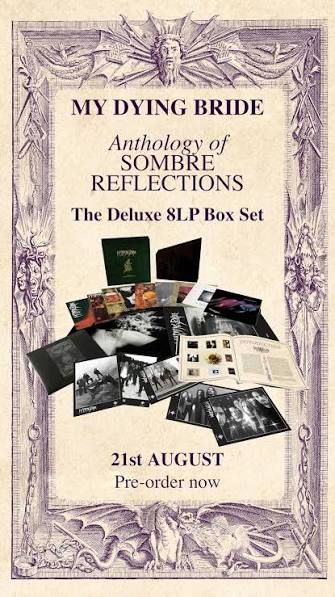
There are also several photographic prints and two posters: one featuring the Turn Loose the Swans CD artwork and the other reproducing the original As the Flower Withers poster. These are nice additions, although I suspect many buyers will look at them once before carefully returning them to the box. Still, they belong with the material and don’t feel like completely arbitrary extras added to inflate the contents list.
The artwork is reproduced well throughout, although I would have liked a little more information about the mastering process and the sources used. Considering that the half-speed masters are a major selling point, some proper technical notes would have been useful. It would also have been good to see more detailed information about the original sessions and releases. The book is enjoyable, but there was room to make the set even more archival.
There may also be some debate about ending the collection with Like Gods of the Sun. Later albums are obviously absent, but the title and purpose of the box are clearly centred on the formative Peaceville period, and the original line up, rather than the entire career. Within that boundary, the selection makes sense and feels complete.
At eight records, this is not a box I will often play in a single sitting. Working through it over several evenings is more realistic, and probably more enjoyable. What it does especially well is encourage that chronological listening. Familiar albums sound slightly different when heard alongside the EPs and early recordings that connected them.
This isn’t an essential purchase for someone who already owns good pressings of all the individual releases and has no interest in the book or early demo material. It is also not inexpensive, but it does offer more than simply putting familiar albums into a new outer box.
The mastering is sympathetic, the pressing quality is excellent and the choice of material is genuinely comprehensive. Most importantly, the set presents this part of My Dying Bride’s history coherently. You can hear the band changing record by record, moving from raw death-doom into something far more individual within only a few years.
Anthology of Sombre Reflections is a very well-made box set, it treats the music with care, sounds very good and, despite its size, never feels excessive. For anyone particularly interested in My Dying Bride’s early years, it is difficult to imagine a better vinyl overview.
The box has also arrived at a useful time, as I have been using it while playing around with the EM/IA line stage and Audio Note 300B power amplifier. These records are particularly good for getting a feel for what the combination is doing. There are dense walls of guitar, quieter violin and keyboard passages, Aaron’s various vocal styles, and plenty of changes in scale and intensity. The 300B amplifier brings a lovely sense of texture and body to the guitars and voices, while the EM/IA allows the space and low-level detail in the recordings to come through without making the rougher early material sound thin or overly exposed. It has made working my way through all eight records as much an exploration of the new equipment as a revisit of the music itself.
Peaceville have done a great job with this one.


You must be logged in to post a comment.