
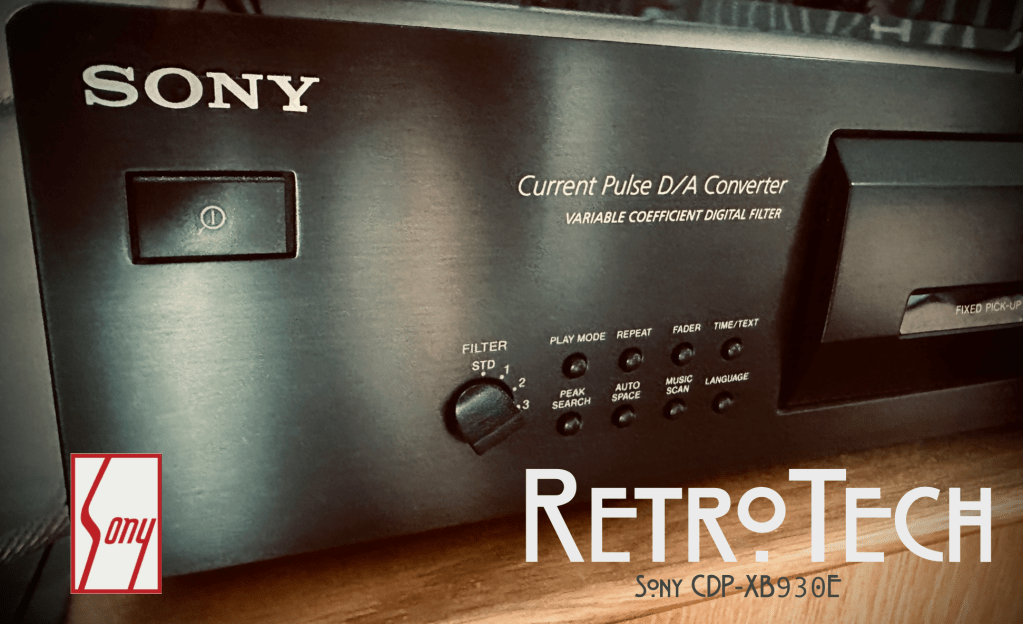
The oldest piece of gear that I’ve purchased that I still own is my Sony CDP-XB930E CD player. I bought it new in 1999, which makes it a bit different from most of the stuff that has come and gone since. It is not part of my current system anymore and has not been for years, but I recently dug it out for a listen with a Fatman iTube amp and my Omega speakers, just to see how it would fare. It was my first serious cd player, after the questionable but trusty hand me down one I had used before.
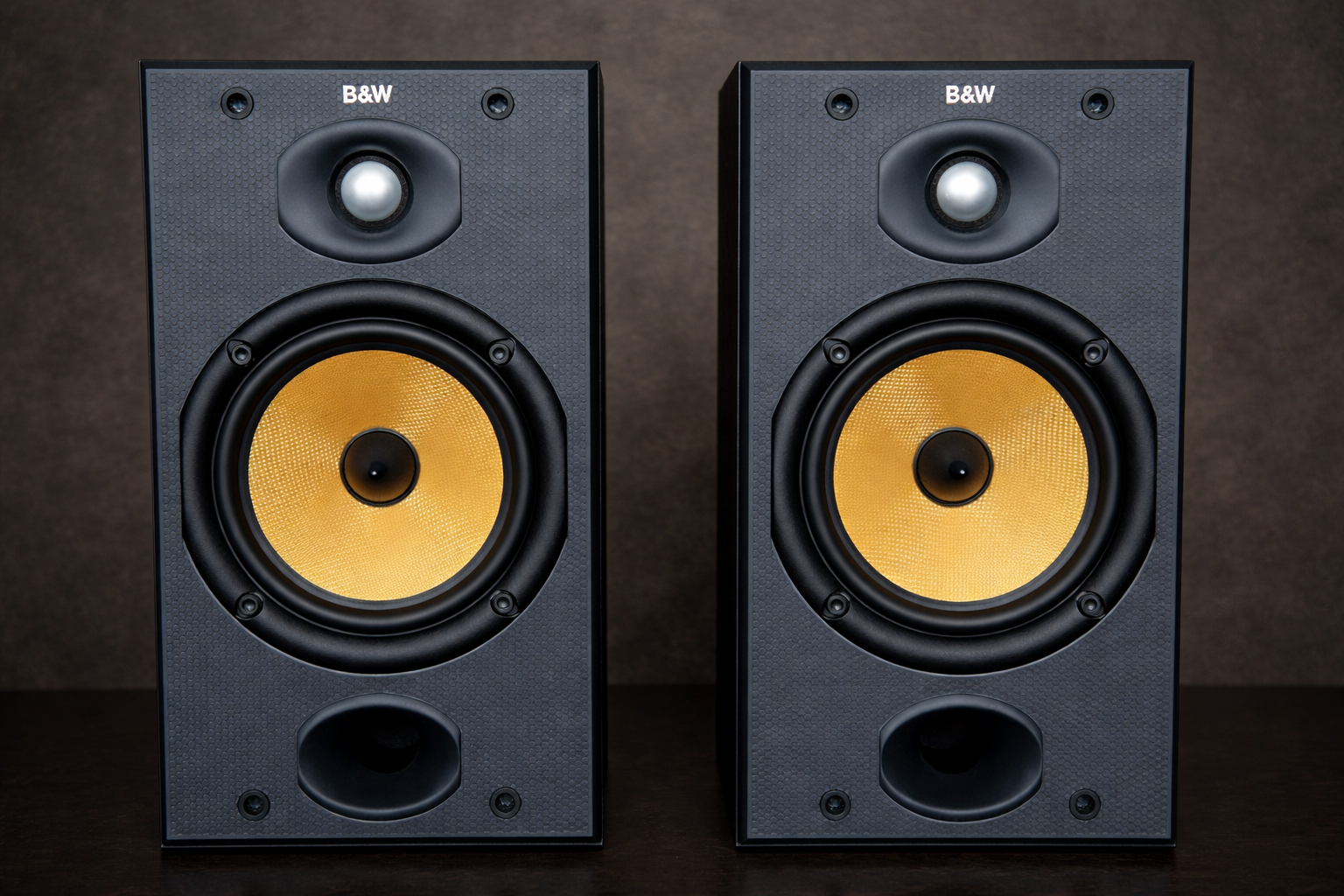
I originally bought it off the back of a What Hi-Fi review. They had it in a recommended system with a pair of B&W 601 S2 speakers, which I also ended up buying. At the time, that felt like a properly thought out setup, not just random components but something that was meant to work together.
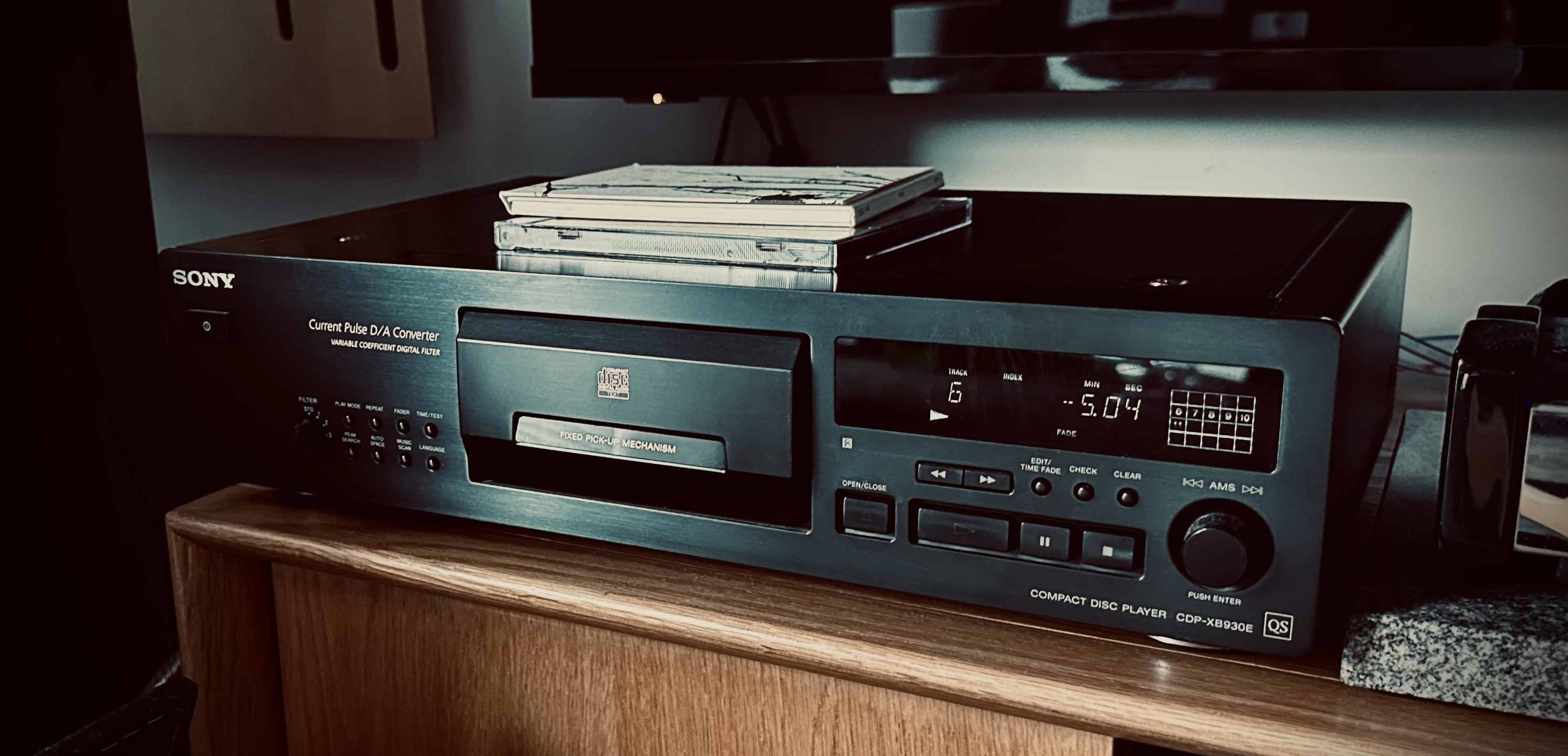
The Sony itself sits in that slightly interesting middle ground of the time. Sony had two main lines for their higher end hifi components, QS and ES, with ES being the higher end range. The 930E is part of the QS line, but that does not really mean compromise in the way you might expect now. Back then, Sony was building things to a seriously high standard across the board, and players like this could easily stand alongside and in fact surpass offerings from other mainstream brands like Marantz, Rotel and Arcam without feeling out of place. This version was also marketed as being tuned for the English market, although how much that really changes things is still up for debate. I actually had the matching integrated amp for this model, the TAFB-730R, although that’s long since been sold off. Pretty modest by my current standards, but it was such an engaging system. I remember adding a second hand Linn LP12 I got for $400 and was set for some good listening times.
That system was the first proper hifi I had, after exiting the world of pro-audio and music performance. I remember lay-buying the cd player for a few months as I was poor at the time, and living with just the amp, speakers and Linn for a fair while and using a Sony discman as my cd player.
You notice the build straight away. It weighs about 6 kilos and is housed in a full metal chassis. Everything about it feels solid and considered. The buttons have a nice positive action, the jog dial has a slightly over engineered feel, and even the connections on the back feel properly done. The display is one of the better ones from that era as well, clear, simple, and easy to read from across the room without any unnecessary clutter.
The tray is probably the standout feature. It is larger than most because it has to accommodate the magnetic puck that clamps the disc and has the whole laser mech built into it, but even with that extra size and weight it is incredibly quiet, almost eerily so. Even now, after all these years, it still glides in and out with barely a sound.
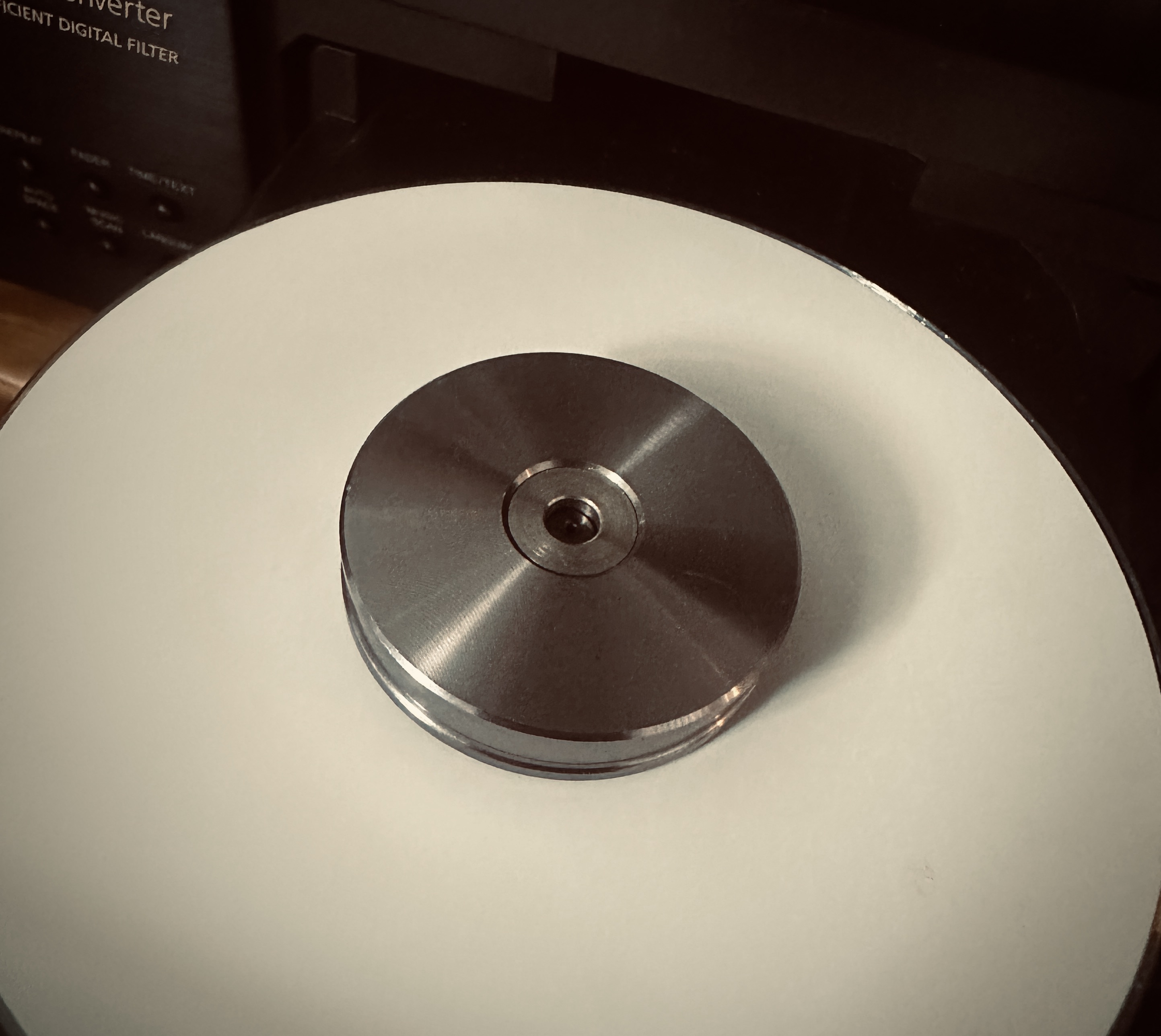
The 930E uses a fixed pick up transport where the laser stays in place and the disc moves instead. It is a bit different from the more common approach, and the idea is to improve stability and reduce tracking errors. Whether you hear that directly or not, there is definitely a sense of the player being very sure of itself. Discs load cleanly, track quickly, and just play without fuss.
There is also a filter selector, which was a nice touch at the time. It lets you shift the presentation slightly depending on taste. Subtle, but it speaks to how much attention Sony was putting into giving people options rather than locking them into a single voicing. I tend to leave it in position 2 as it gives a nice feel of detail with body.
At some point I did what everyone seemed to be doing back then and added the accessory de jour, a Musical Fidelity X-10D tube buffer, into the chain. It definitely did something, the presentation got a bit rounder and a bit softer at the edges, with a touch more warmth through the midrange. Depending on what you were after, it could be a bit of a nice polish or a step too far into smoothing things over. At the time it felt like an upgrade, or at least a tweak that made everything a bit more forgiving and easy going, it was my first taste of anything tube in my system. Thinking about it now, I actually still have one floating around, so it will be interesting to drop it back into this setup and see whether it adds something worthwhile or just takes away a bit of the directness the Sony does quite well. Maybe I will write something about that at some point if I get a chance.
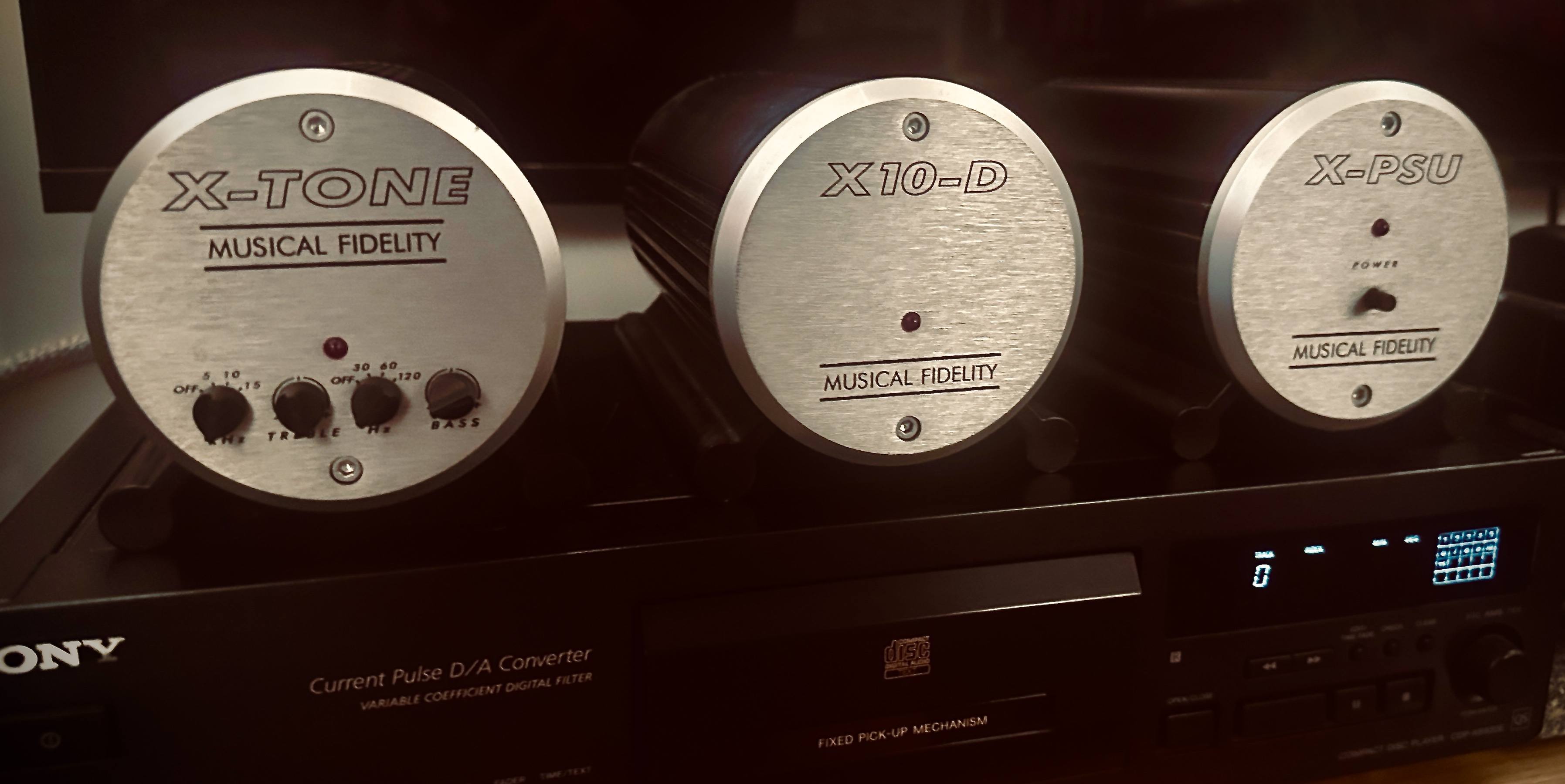
Firing it up again after all this time was interesting. First thing that stood out was how unforced it sounds. There is no sense of it trying to impress. It does not push detail forward or try to create a false sense of resolution. Instead, it just plays music in a way that feels stable and put together. The sound is clean and clear, but also has a bit of body to it, which keeps things from feeling thin or clinical.
Through the Fatman and the Omegas, it actually worked really well. That slightly relaxed, full presentation suits a simple system like that. It is not the last word in detail, but it is coherent and easy to live with. You are not pulled into analysing every little thing, you just end up listening.
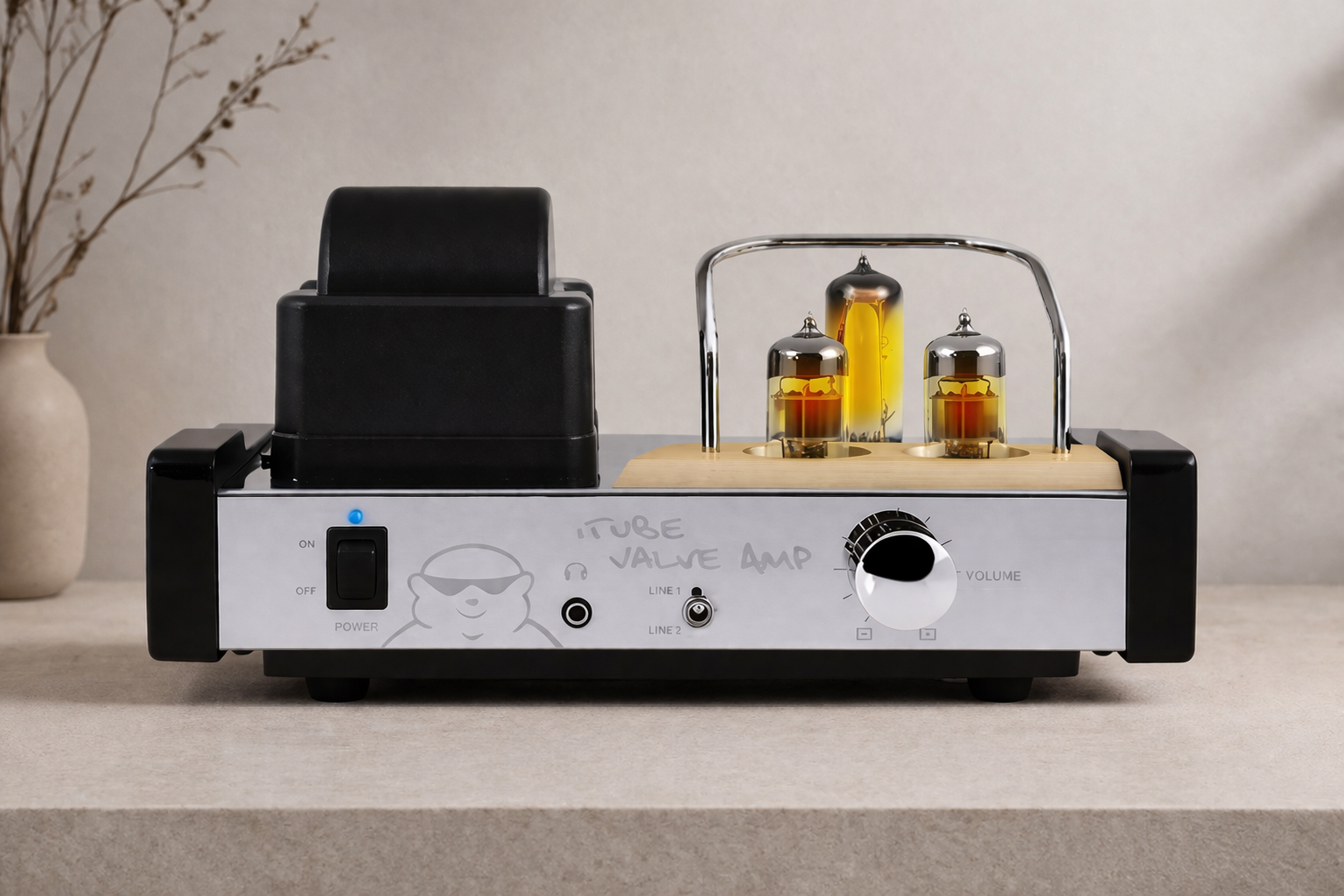
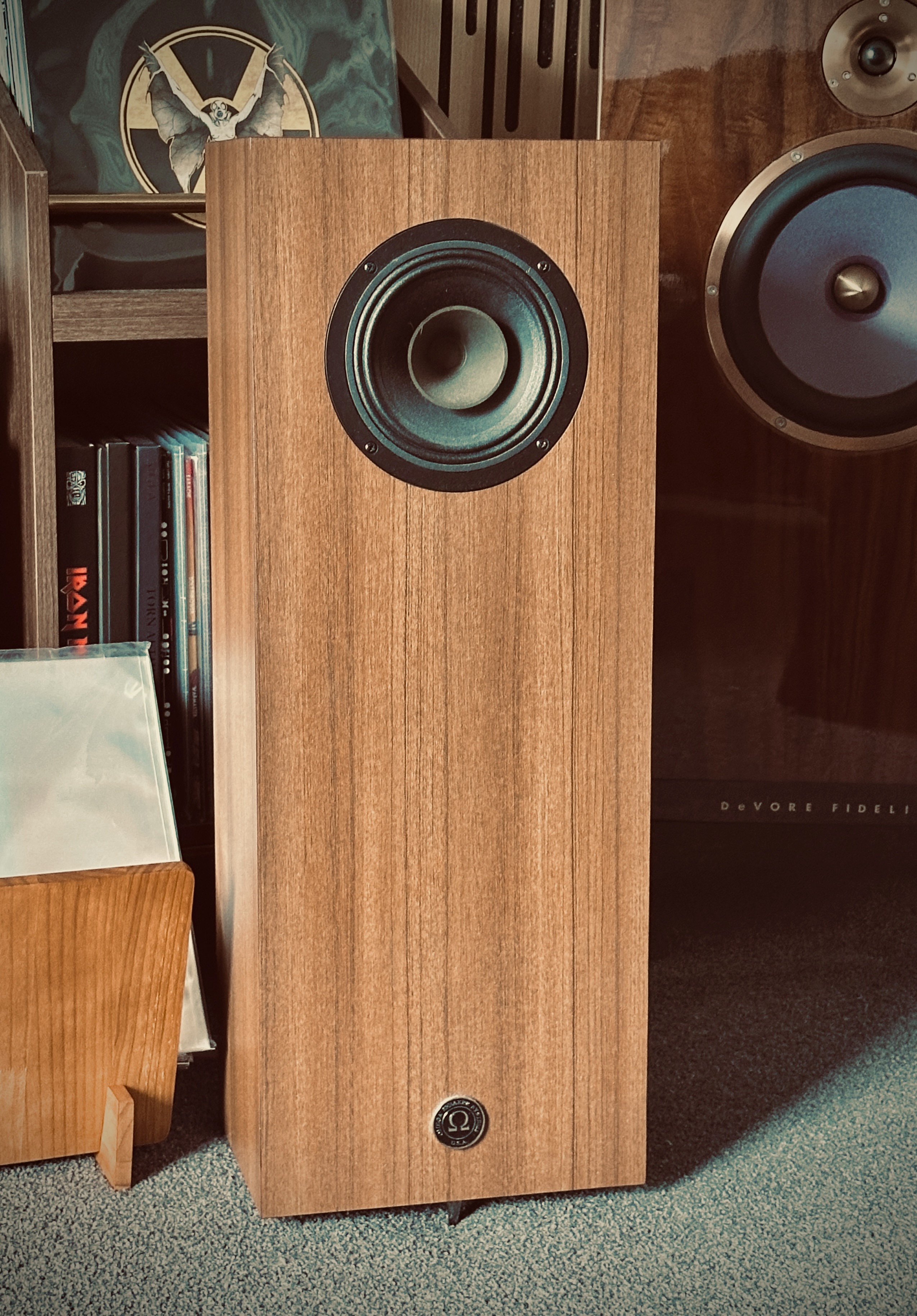
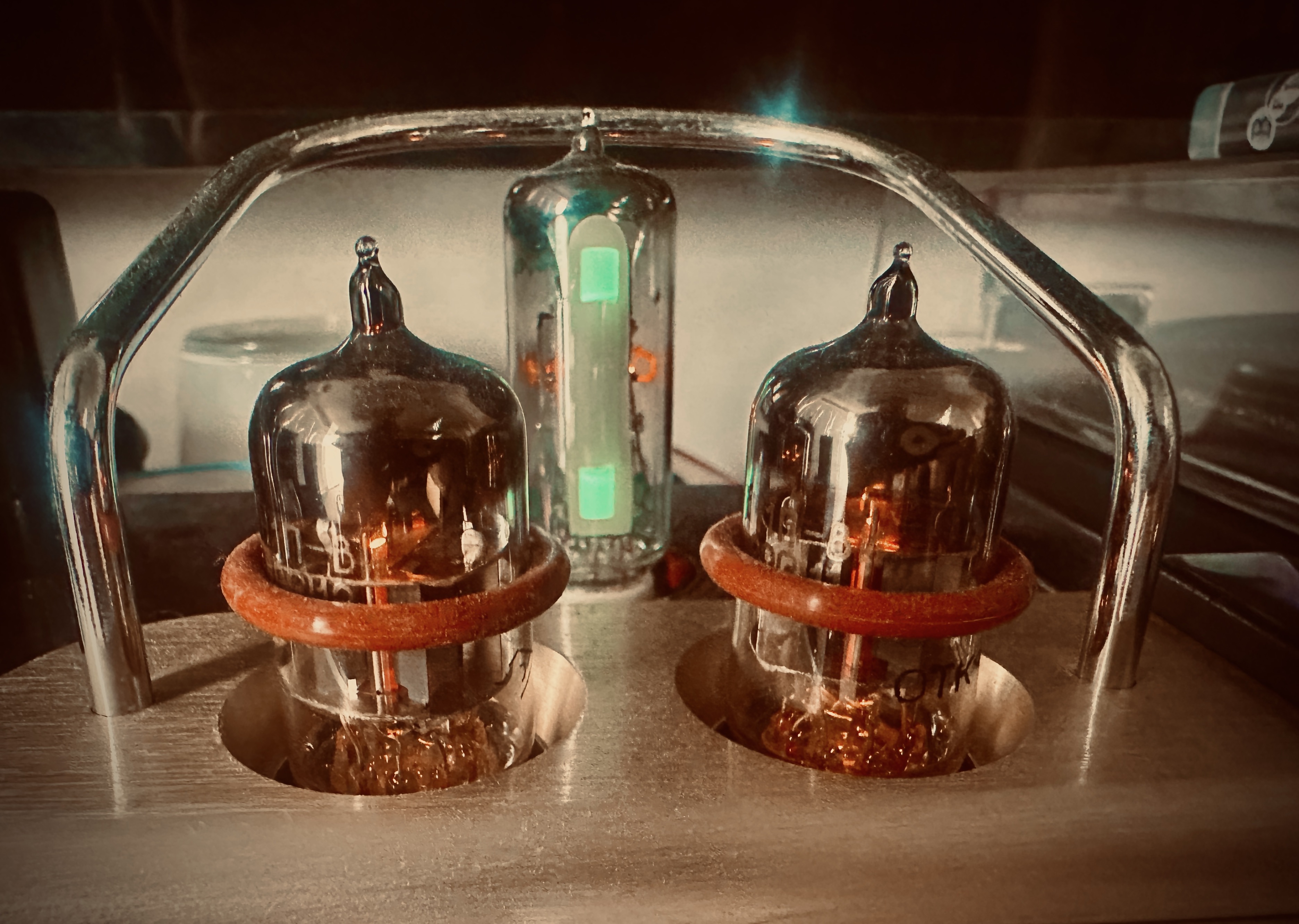
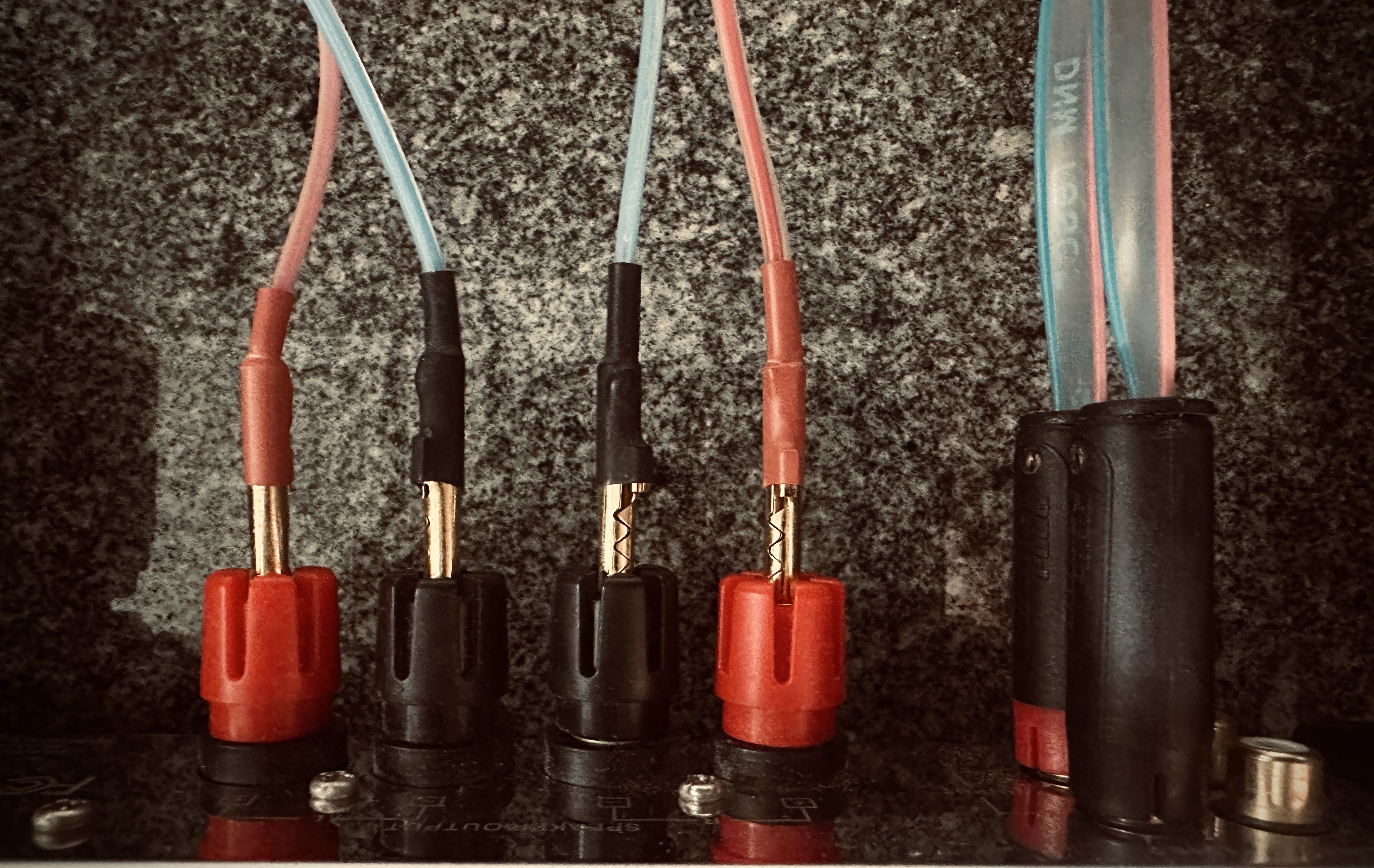
With the Fatman iTube putting out its modest 13 watts into the Omega speakers, tied together with DNM Reson interconnects and speaker cables, the whole thing comes across as surprisingly cohesive. Nothing feels forced or overdriven, and the 930E just feeds it a clean, steady signal that lets the system breathe. You get a nice sense of body through the midrange, vocals sit naturally, and there is enough detail to keep things interesting without tipping into analysis. It is not about scale or slam, more about flow and tone. The DNM wiring probably plays into that as well, keeping things quick and unbloated. The end result is a system that feels honest and unpretentious, and more engaging than you might expect given the modest power on paper. I’m always amazed and impressed by the Omegas. Such excellent speakers for a super modest price from a simple box and nice driver.
It also brought back memories of that earlier system with the B&W speakers. From memory, they had a bit more bite in the top, and the Sony helped keep that under control. It was never about excitement on its own, more about balance.
What surprised me most is that it still holds up in a way thats relevant, in that it still makes music in a really convincing way. There is a sense of everything hanging together that is easy to overlook when you get caught up chasing more detail and more resolution.
Of course, it is not without its caveats. It is a vintage unit now, and if something like the laser ever goes, it might not the easiest thing in the world to sort out although it does use a fairly ubiquitous KS-213 model laser, so maybe not too bad to find. And while the 930E has a bit of a reputation as a special version, there is still plenty of debate about whether it is meaningfully different from the standard model.
Even so, it is easy to see why it has become a bit of a classic. The build is excellent, the transport is reliable, and the sound still stands up. A lot of people even use them as dedicated transports into external DACs, which says something about the underlying engineering.
There is also a strong nostalgia element to it. This was from a time when buying a CD meant something. You would live with albums, play them repeatedly, and really get to know them. The player was part of that whole process. Pulling it out again is as much about that as it is about the sound.
I will not pretend it is going back into regular use, but I am glad I kept it. It has outlasted everything else I bought around that time, and after hearing it again, that doesn’t feel like an accident.


 Audio Satori
You must be logged in to post a comment.