
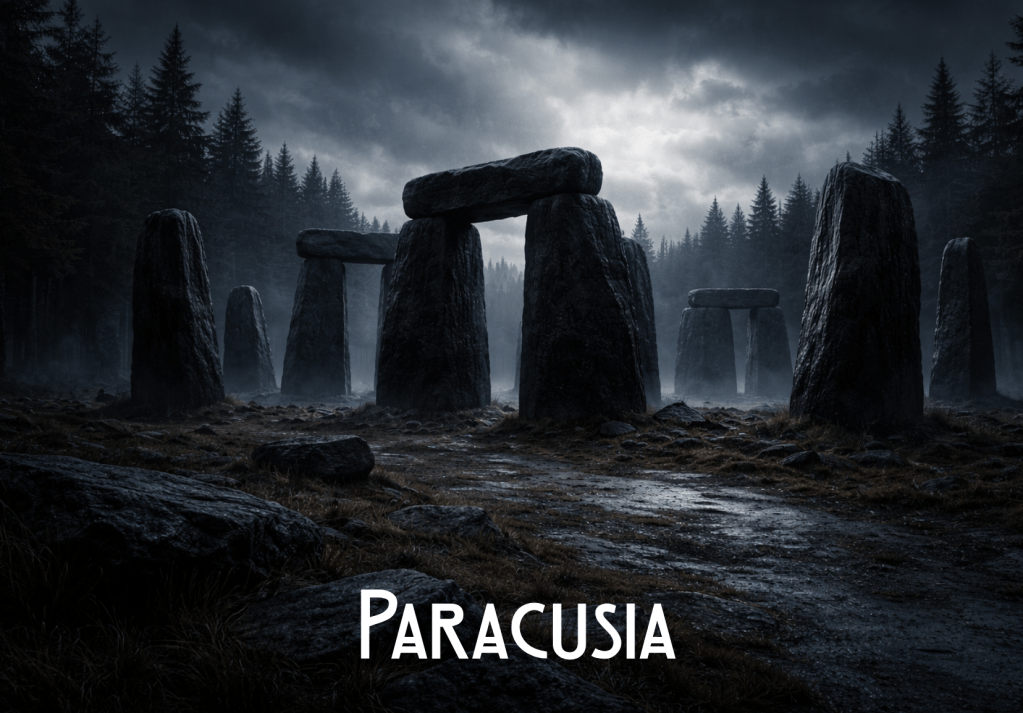
Again, I’m aware that for most people this kind of music barely registers. It sits outside the familiar lanes of genre, or the language of hooks, choruses, and easy catchy cues. These reflections are, first and foremost, a way of understanding my own listening, how it has shifted, and why.
If I trace it back honestly, the roots were already there long before I recognised them. I was delving into the catalogue of Swedish label Cold Meat Industry, artists operating in that industrial, dark ambient, and often deliberately bleak space. It was music that didn’t conform, often wasn’t friendly, and didn’t explain itself. It was austere, sometimes confrontational in its refusal to be anything other than what it was. At the time, it felt like an outlier in my listening, but in hindsight, there were elements of a foundation. I was lucky enough to be acquainted with a guy who ran a small record store importing this sort of weirdness which opened a door.
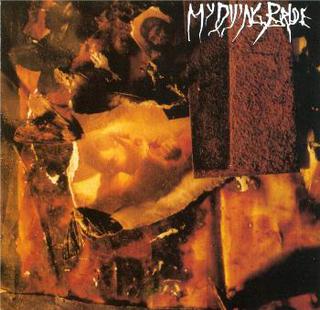
The shift away from traditional forms wasn’t abrupt, but there are moments that stand out as clear turning points. One of them was the track “Le Cerf Malade” by My Dying Bride on the Thrash of Naked Limbs EP. Even now, it feels less like a song and more like a space, something hollowed out, patient, and organic. It evoked images of megaliths and forests and ritual. But just as important, around that same period, was the impact of Dead Can Dance. They were instrumental in unlocking this realm for me, showing that music could draw from ancient, non-Western, and pre-modern traditions without feeling forced or academic. There was a sense of timelessness in their work, a collapsing of eras and geographies into something cohesive and atmospheric.
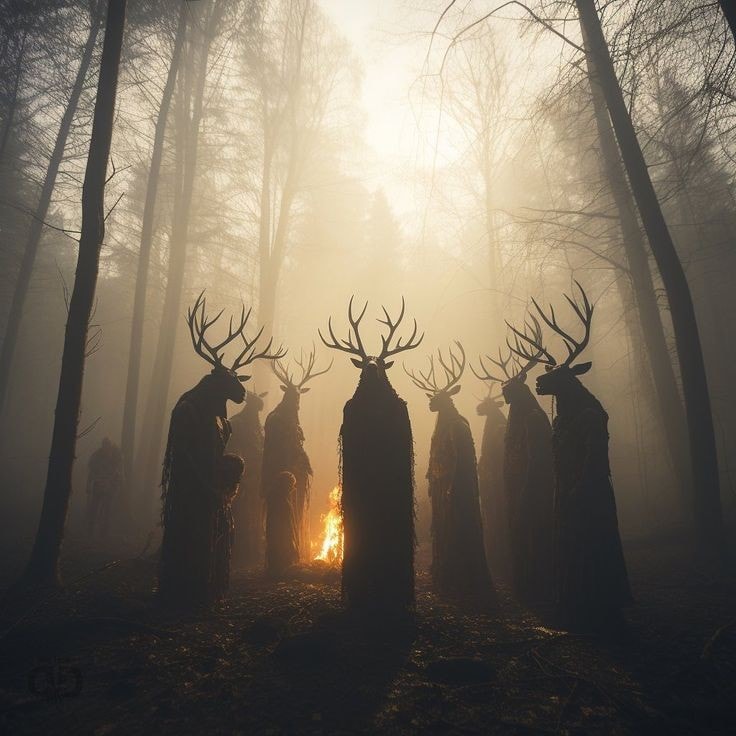
“Le Cerf Malade” didn’t just stand apart; it suggested a totally different axis. Dead Can Dance gave that axis a language.
From there, the gravitational pull shifted.
I found myself less interested in structure or progression and more in presence and texture.
An unlikely but crucial waypoint in that journey came via Melbourne’s brutal doom/death metal band Disembowelment, specifically through their side project Trial of the Bow. What’s interesting about this project is just how completely it rejects the expectations you might carry over from its parent band. There is none of the crushing weight, none of the tectonic distortion. Instead, it leans toward something far more fragile and distant, an Eastern-inflected sensibility, drawing on tonal drones, sparse instrumentation, and meditative repetition. It feels closer to ancient world music traditions than anything resembling doom. If anything, it reveals that the core impulse was never really heaviness for the sake of it, but rather in creating atmosphere.
The idea of music as environment became the over-arching theme.
It naturally led toward Northern European traditions, though not in any purist or ethnographic sense. Artists like Wardruna and Heilung approach sound as something ritualistic, something embedded in land, history, and collective memory rather than merely performance. With Heilung in particular, there’s a sense of ceremonial depth that borders on the transcendental, the use of throat singing, bone percussion, and archaic instrumentation creating something that feels less like music and more like invocation. It’s immersive in a way that bypasses intellect entirely, operating on a more instinctive, almost ancestral level. Wardruna and Heilung definitely have the most song-like structures though and are probably most comparable to Dead Can Dance in that respect. Definitely not ambient, but a similar sentiment behind the music.
There’s a similar sensibility, albeit refracted through a darker and more abstract lens, in the work of Welsh artist Llyn Y Cwn. This in particular feels very tied to place, their work often constructed around field recordings captured at megalithic sites, coastal edges, and vast, empty landscapes. You can hear the wind, the distant movement of water, the resonance of stone. It’s not just ambient for the sake of atmosphere; it’s about isolation, about the psychological weight of space and absence. There’s loneliness embedded in it that feels very real. Kammarheit‘s work might be the purest distillation of this trajectory. Here, the music (if you can call it that) becomes almost entirely about texture, grain, density, the slow movement of sound masses. Rhythm dissolves and harmony becomes secondary, if it exists at all. What remains is a sonic spectacle: vast, cold, and oppressive, not in an aggressive sense, but in its scale and indifference.
This is where the idea of a “dystopian megalithic soundscape” begins to make more sense, not really as a genre, but as a vibe or feeling. Music made of stone and shadow. Old, but not nostalgic, more like a future that’s been here before.
This style of musical expression intersects with soundtrack music, not in the conventional sense of scoring a narrative, but in suggesting one. Ulver’s Perdition City feels like a pivotal moment here, a record that reframes music as “the soundtrack to an interior film”, one that plays out entirely within the listener. There are no images, no defined scenes, yet it conjures a city, a mood, a sense of late-night drift and psychological unease. It’s very cinematic, but the cinema is internal, and it leaves space for the listener to construct their own narrative, to project meaning, memory, and imagery onto what is essentially an open framework of sound. That same idea carries through to Shinjuku Thief, whose work often feels like it’s scoring films that don’t exist, fragmentary, suggestive, and deliberately unresolved. Ben Frost, is an artist I’ve talked about before, who has naturally moved into producing actual film soundtracks, almost as if this trajectory was inevitable. It underlines the idea that this kind of textural, atmospheric music already operates in a cinematic language; it doesn’t need to adapt itself to film, because it was always halfway there. The listener is left to assemble meaning from tone, texture, and atmosphere alone. In this space, music becomes less about telling a story and more about opening one, an architecture for the imagination to move through, unbounded and entirely personal.
In a similar vein, Gipnozer sits in that darker corner of ambient where things feel more like states of mind than “music” in any conventional sense. There’s a stripped-back quality to it, low drones, distant textures, not a lot of obvious movement, but it never feels empty. If anything, it’s the opposite. It draws you in slowly, and before you really notice, you’re inside it. There’s no fixed narrative, but it naturally pushes you to create one, to fill in the gaps with your own imagery. A lot of it feels like the background noise to some liminal, abandoned futuristic facility, mysterious, slightly unnerving, with things half-glimpsed and never fully revealed. There’s always the sense of something just out of reach, unresolved, which is exactly what lets the mind wander. It fits nicely into that same dystopian space, bleak without being overdone, and all the more effective for how restrained it is.
It’s also artists like this that nudged me toward making my own sounds, ending up with a pile of synth gear and falling into creating strange, droning, minimal soundscapes of my own, less as “tracks” and more as random noise creations. It’s interesting how this sensibility has spilled over into the visual space as well, countless YouTube channels now pairing this kind of minimal electronic and ambient work with equally strange, liminal visuals. Abstract structures, decaying environments, distant lights in endless corridors… it all feeds into the same atmosphere. AI clearly has its uses here, giving form to these half-imagined spaces in a way that feels oddly appropriate to the music itself.
Early on, I bought a copy of The Grimmrobe Demos by Sunn O))), and at the time I didn’t really understand it. It felt impenetrable, almost wilfully obscure, too slow, too minimal, too unconcerned with anything I recognised as musical structure. But over time, as my listening shifted, so too did my understanding of what they were doing. Within this continuum, Sunn O))) occupy a strangely pivotal space. On the surface, they are often framed within doom or drone metal, but in practice their work functions far closer to this ambient, textural world than any conventional “band” context. The sheer physicality of their sound, the slow-moving slabs of amplification, the way tones bloom and decay in space, places them firmly in the realm of experience rather than composition. It’s not about riffs or even songs, but about immersion, about standing inside sound as it unfolds at a glacial pace. In that sense, their music aligns completely with this idea of environment and interior narrative; it becomes another form of that “soundtrack to an unseen film,” albeit one rendered in dense, monolithic waves rather than delicate atmospheres. It’s sort of megalithic, less ritual in the folkloric sense, and more in the sheer act of endurance and presence, where the listener is subsumed into a vast, almost geological sonic mass. Over time, their work has evolved into far more sophisticated constructs, albums like Monoliths & Dimensions and Life Metal expanding the palette with orchestration, texture, and nuance, but still anchored by that same massive, oppressive weight that first defined their sound.
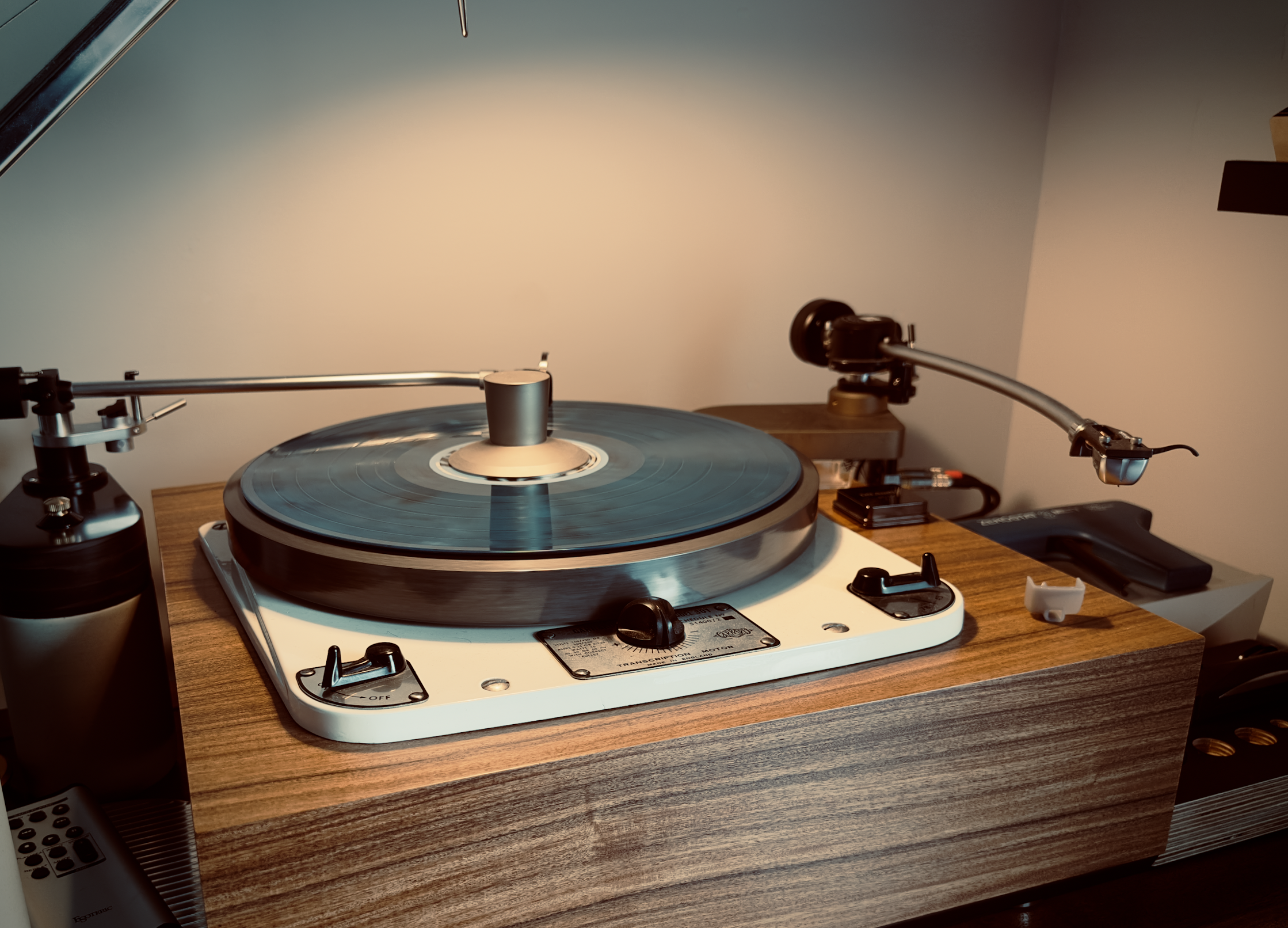
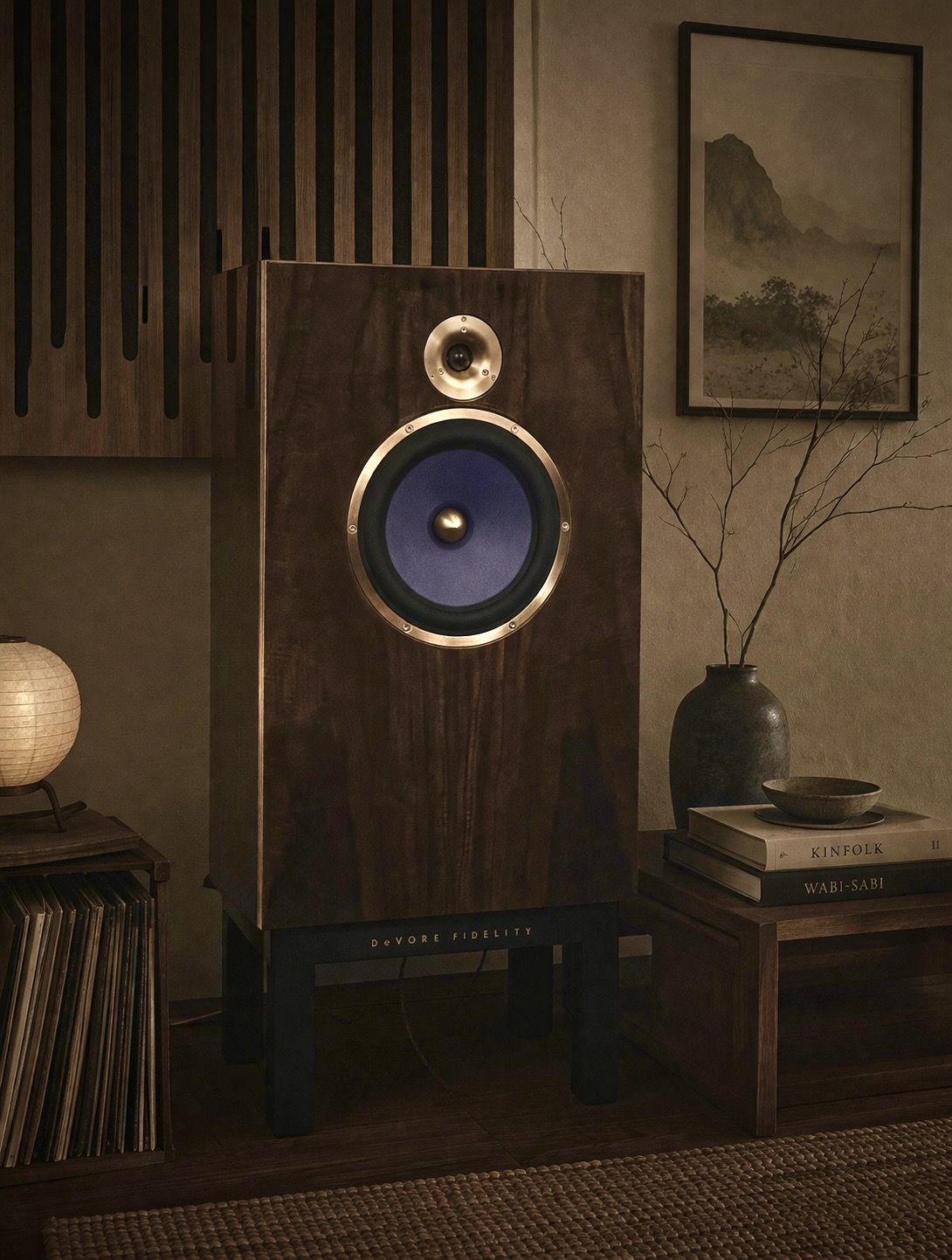
This is where a properly resolved audio system stops being a luxury and becomes almost essential. On lesser setups, much of this music can collapse into grey murk, interesting in intent, but ultimately flattened and boring. But through a system that can resolve low-level detail, preserve spatial cues, the large dynamic swings, and render tonal density without smearing sounds into oblivion, everything changes. The air inside the recording becomes apparent, the distance between elements, the way a distant horn sits behind a wall of reverb, or how a low drone subtly shifts in texture, takes on physical form. It stops sounding like “ambient music” and starts feeling like a place you can step into. The system isn’t adding anything in the traditional hi-fi sense; it’s really just removing the barriers between you and the environment the artist has constructed.
Some of this is just who I am. The introversion, the distance, a mild misanthropy, this music doesn’t feel like a taste so much as a recognition. There’s no demand for engagement in the usual sense, no expectation that you show up for it in any particular way. It simply exists, and you exist near it. That creates solitude that isn’t empty, it has texture, presence, something to push against without requiring anything back.
Traditional musical forms often guide the listener, there’s narrative and a destination. This kind of work does the opposite. You’re left with texture, tonality, and space, rather than the obvious signposting of verse and chorus, and your attention shifts accordingly. You begin to notice the way a low-frequency drone subtly modulates over time, or how a distant percussive element emerges and recedes like weather.
In a way it’s closer to observing than consuming. As listening habits have become more commoditised, fragmented and disposable, there’s something beguiling about music that asks you to slow down, sit with it, and not try to “get it” straight away, music that doesn’t really move in moments so much as it just sits there as a continuous field.
Once you get used to that, it’s hard to go back to things that feel overly constructed or self-conscious. Horses for courses, of course, but I can’t help feeling a slight sense of pity for those who’ve never ventured beyond the safer, more ‘vanilla’ edges of the musical shore, and have missed what lies further out in the deeper darker waters.
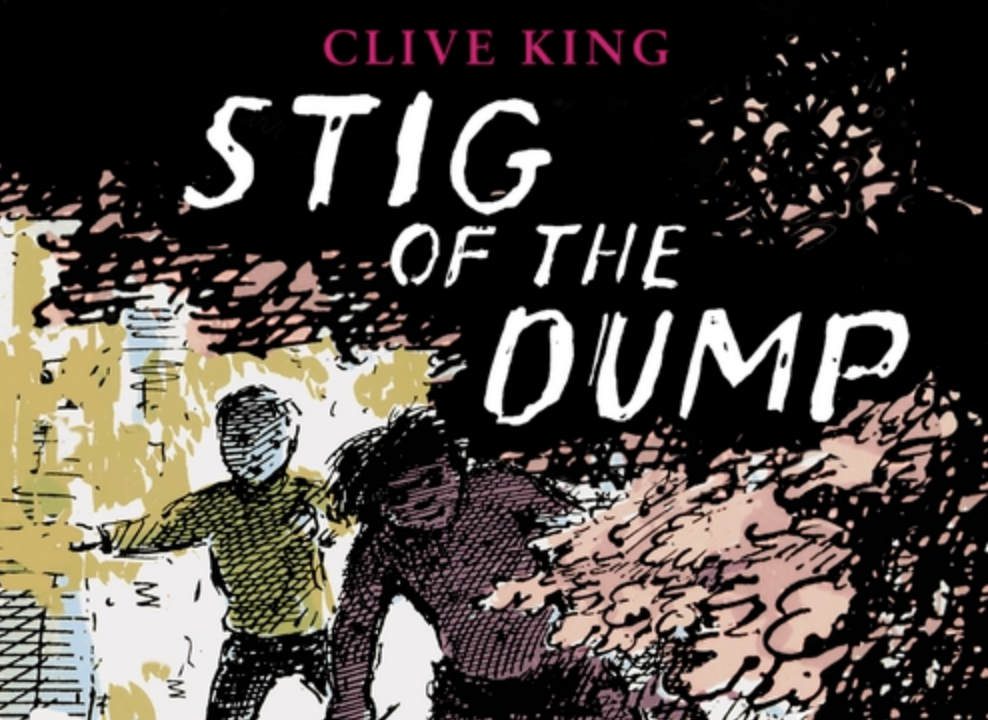
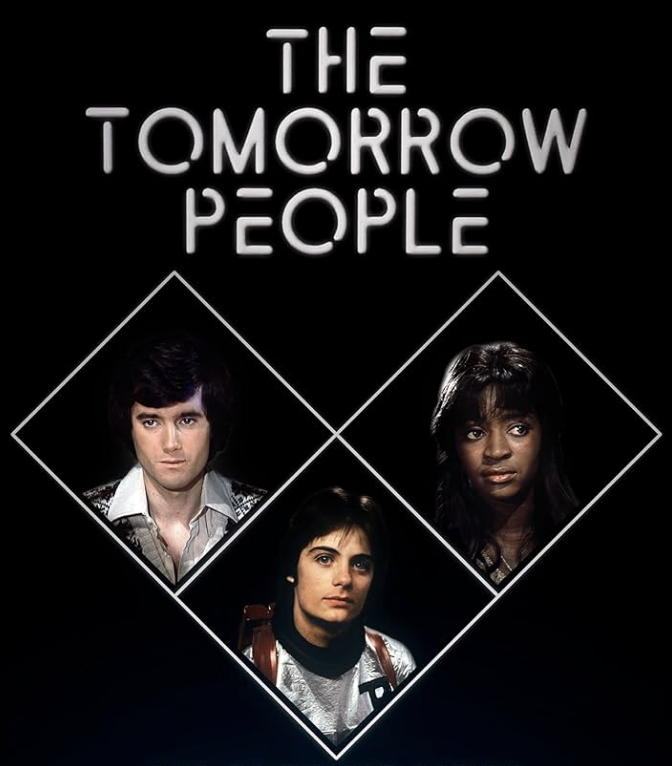
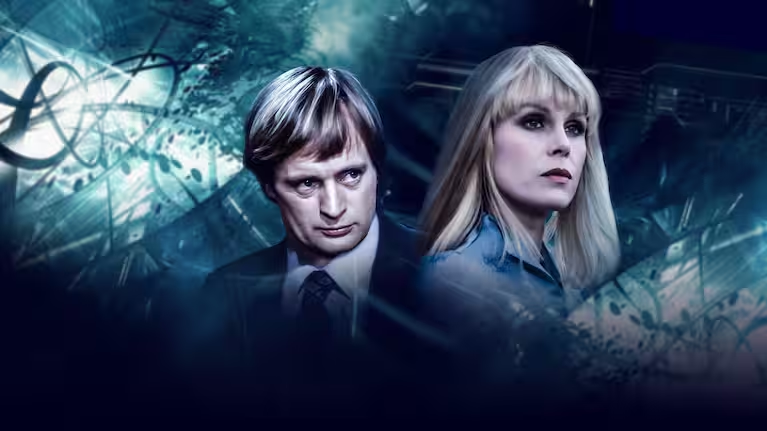
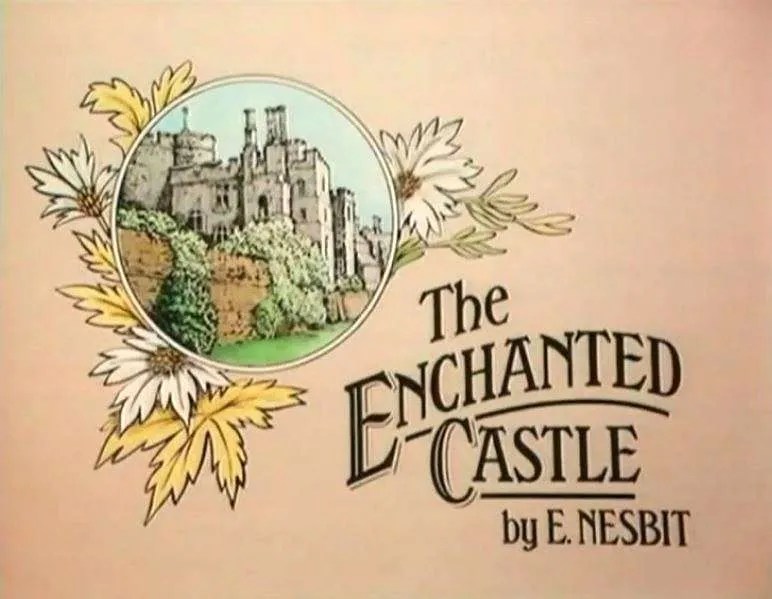
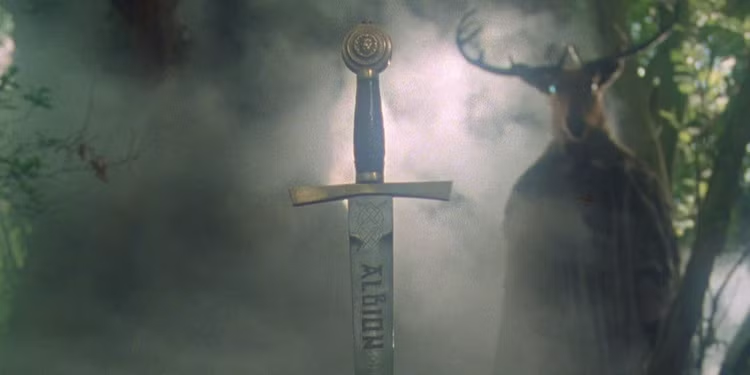
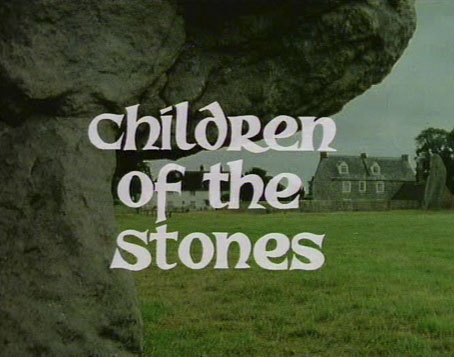
I’ve often wondered how much of this atmosphere was seeded much earlier, in the strange, slightly unsettling world of British children’s television from the 70s and 80s. Shows like Children of the Stones, Blake’s 7, The Tomorrow People, Stig of the Dump, The Enchanted Castle, and Robin of Sherwood, or the masterpiece that is Sapphire and Steel, all carried this quiet, weird, lingering liminal eeriness, never outright horror, but something just off, just ambiguous enough to get under your skin, creepy and menacing perhaps. There were ancient places, strange silences, a sense that something unseen was always present. That feeling stuck, and years later, hearing this kind of ambient ritualistic music, it’s like those half-formed impressions suddenly found a voice. The same unease, the sense of mystery and suggestion, it all came back, but now realised in sound.
I am always baffled by how some people seem to hit a point, an age or phase, where they’ve apparently discovered all the music they’re ever going to listen to. It’s like the search just stops, curiosity shuts down, and the rest of the world of sound is dismissed before it’s even encountered. I think this attitude seeps into certain corners of audiophile culture, where the same records get trotted out endlessly, praised as if repeating them makes them more profound. You hear it all the time, the guys who insist the good music was made in the 1970s, that nothing worthwhile has happened since 1982. It’s a weird stagnation, a refusal to engage with new textures, new ideas, or new experiments. For me, the thrill has always been in the exploration, letting the ear follow an unexpected thread, discovering music that unsettles or challenges, and refusing to draw a line around what is “finished” or “worth listening to.” There are so many cool experimental artists and albums waiting to be discovered. Early pioneers like John Cage, Charlemagne Palestine and the like that I am only just starting to discover really. This is where streaming is an invaluable tool for me.
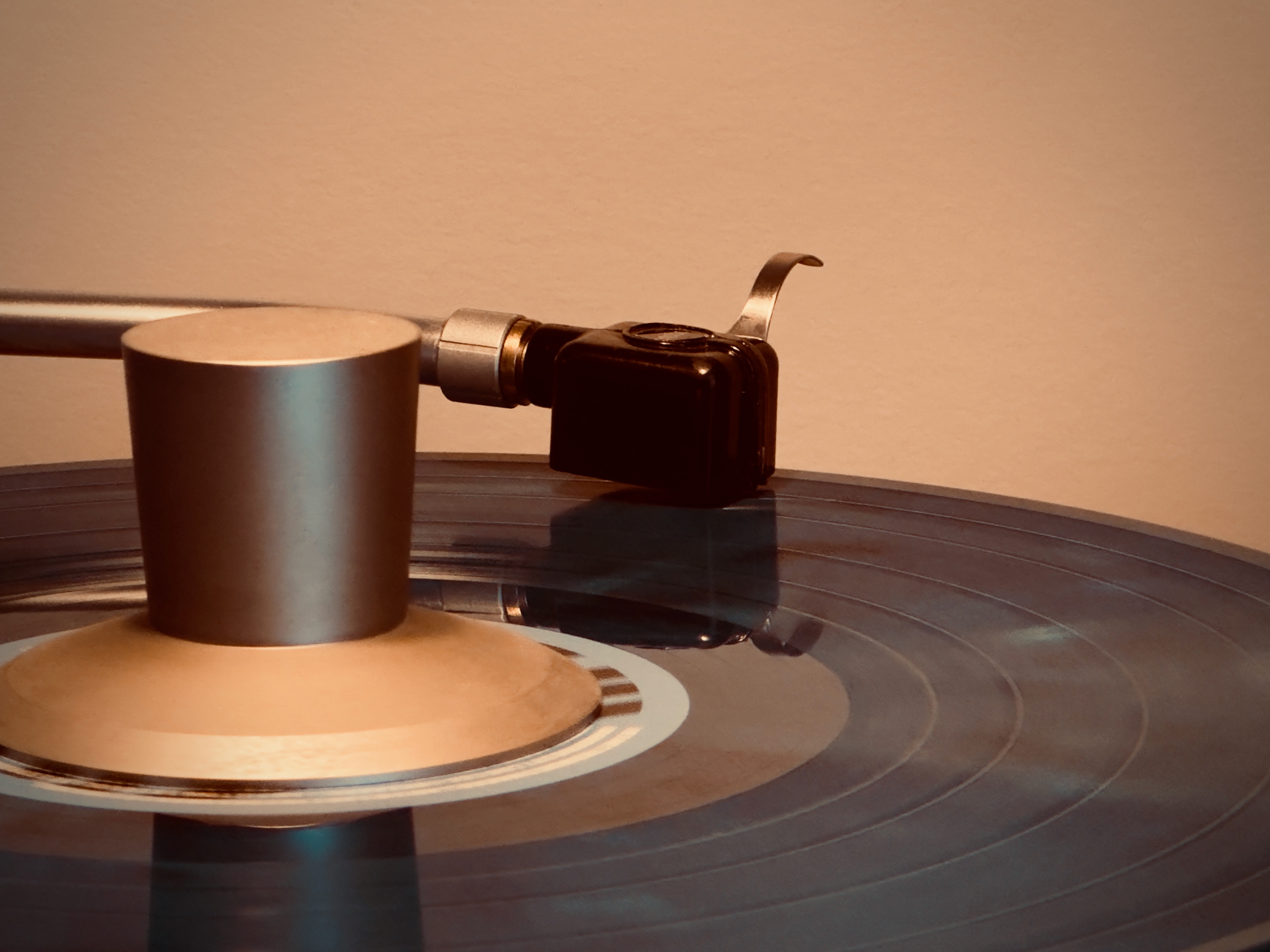
In that sense, I see hi-fi as a means to an end, albeit one that is an enjoyable pastime in itself for the most part. But for me, the purpose of building and refining a system isn’t just about chasing audio perfection, it’s more about enabling discovery. Every nuance, or layer of subtle detail, every bit of extra resolution opens a new doorway, allowing music that might have been overlooked to take on life. Constant discovery of new sounds, artists, and tonal landscapes, that’s what should drive hi-fi passions, at least in my little world. It’s not nostalgia or repetition that necessarily excites me; it’s more about finding awesome new sounds and sonic experiences.


 Audio Satori
You must be logged in to post a comment.