
Kevin Richard Martin doesn’t really fit the mould of a conventional electronic musician. He’s more like someone building psychological environments out of sound. Best known through projects like The Bug, Techno Animal, King Midas Sound and GOD, his music moves through industrial noise, dub, ambient drift, hip hop pressure and pure low-frequency dread with almost no interest in genre boundaries. He’s been one of the most singular figures in underground electronic music for decades now, confrontational and heavy, but still mostly human.

He came up through the late-80s UK industrial and post-punk underground, pulling in free jazz, metal, dub reggae and experimental electronics in roughly equal measure. Early collaborations with Justin Broadrick in GOD, Techno Animal and Ice helped define a whole strand of damaged, urban electronic music that still echoes through contemporary bass music. It was The Bug that pushed him into wider recognition though, particularly through London Zoo and Angels & Devils, where dancehall, grime and crushing sub-bass became something oppressive and cinematic rather than club-focused.
That cinematic quality is probably why his 2020 project Return to Solaris works as well as it does.
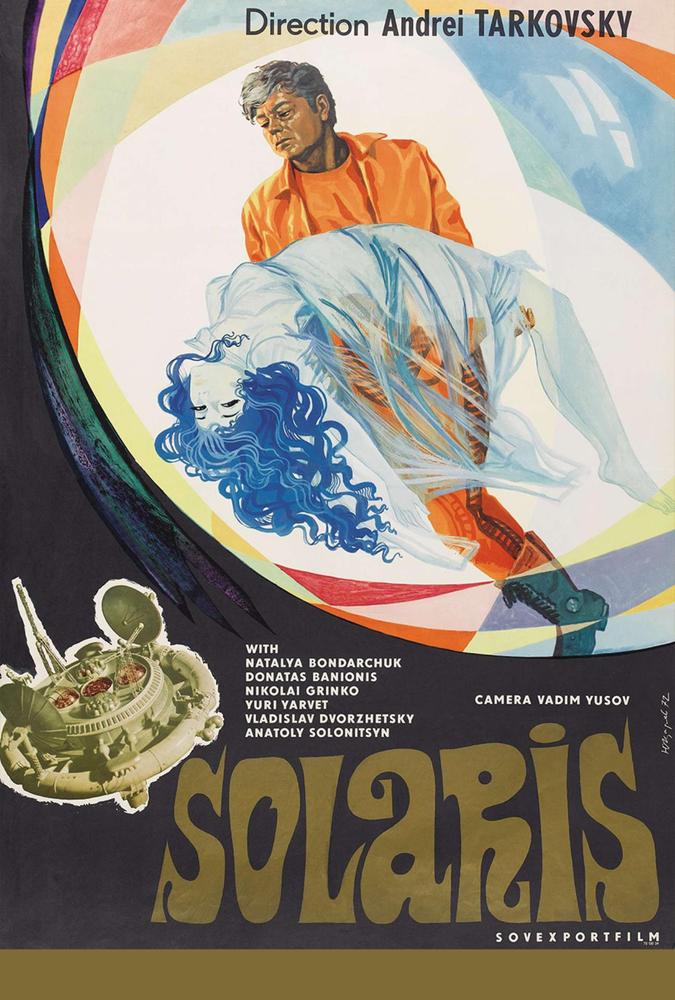
Tarkovsky’s 1972 film is one of the strangest and most haunting science fiction films ever made. It has almost no interest in technology or spectacle. It’s really about memory, grief, guilt and consciousness, a psychologist sent to a space station orbiting a mysterious planet, where the crew have started experiencing manifestations of their own psychological trauma. Tarkovsky turns the premise into something dreamlike and spiritual in its Soviet bleakness. Even Soderbergh’s 2002 remake with George Clooney, which is more accessible by Hollywood design, couldn’t shake that underlying melancholy.
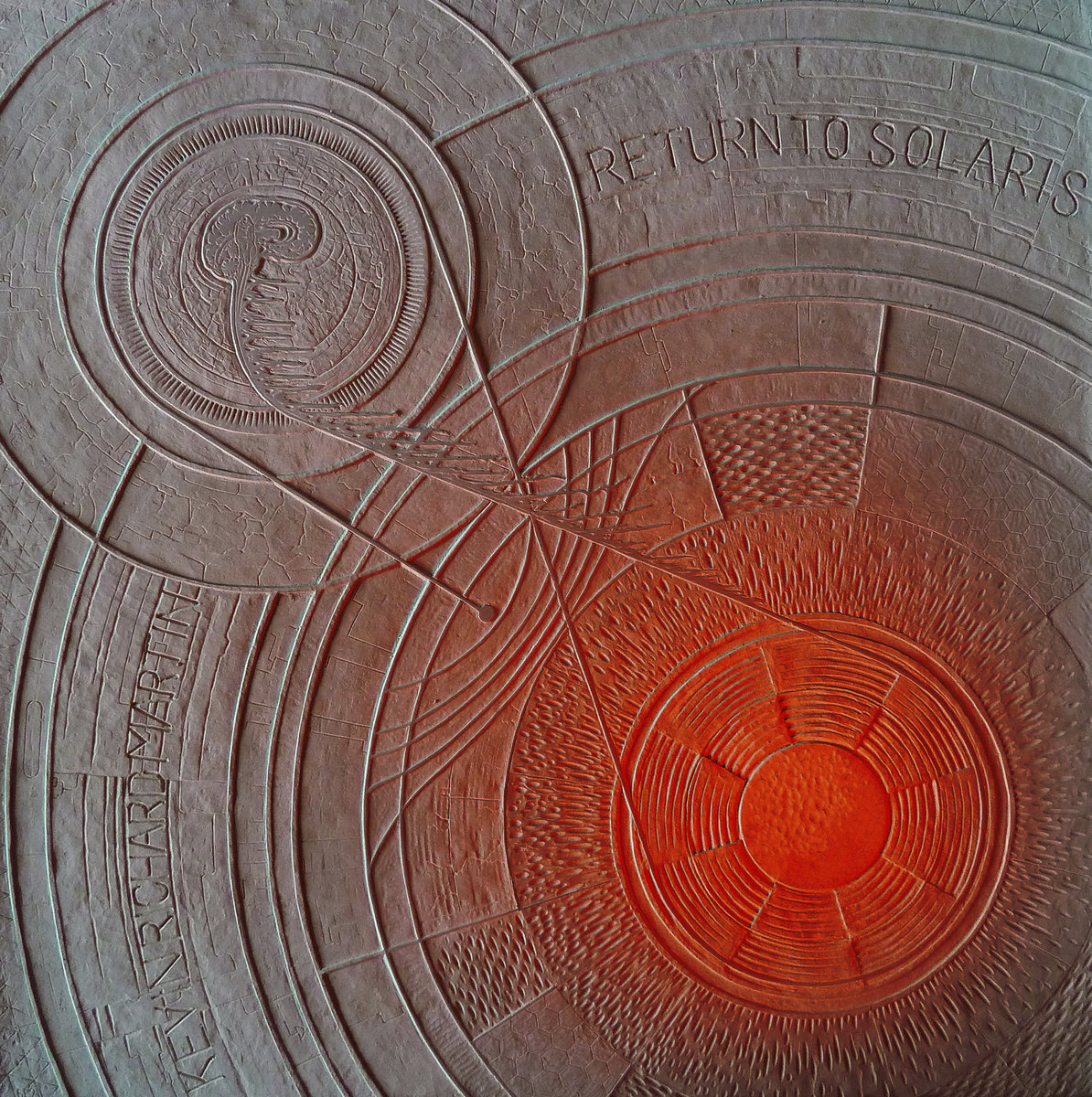
In May 2020, Martin was invited by Belgium’s Vooruit Arts Centre to compose a new score for a film of his choosing. As a lifelong soundtrack obsessive and longtime Tarkovsky admirer, he picked Solaris almost immediately. It makes obvious sense. The psychological disorientation at the heart of the film aligns naturally with how Martin works with dense atmospheres, disembodied textures, pressure, dread, and emotional ambiguity.
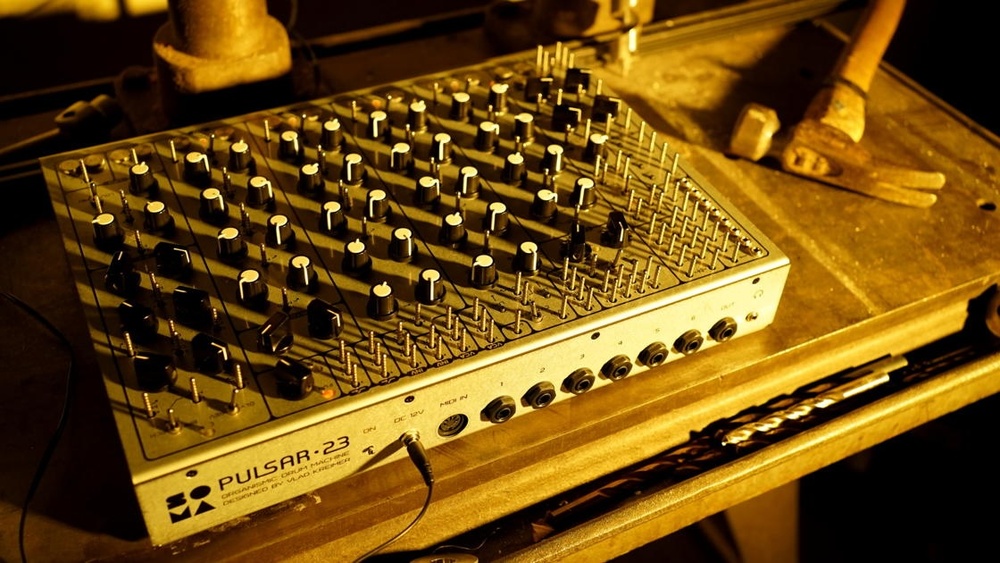
What makes Return to Solaris particularly compelling is how tactile it feels. Rather than building the score entirely in the box, Martin deliberately gravitated towards older physical hardware. He acquired a SOMA Pulsar-23 drum machine through SOMA Laboratory and Vooruit during the process, and you can hear that physicality throughout. I’ve got a few SOMA instruments myself, and from first hand experience I can say there’s something about them that feels alive in a slightly unpredictable way, unstable and organic, definitely reluctant to fully behave how you’d expect. That quality suits the film perfectly, nothing in this sounds polished or digitally clean; it sounds wrestled into existence.
The whole record sits suspended between decaying memory and futuristic dread. Menacing drones, distorted electronics and atonal pulses carve out this immense sense of psychological space. There is some massive bass droning going on in some of these tracks. The textures feel burned through with the grain of the 1970s, damaged tape, leaking colour, malfunctioning machinery drifting through a dying station somewhere beyond Earth. At points it becomes genuinely unsettling, full of low rumbles and unstable rhythmic pressure that feel less like music and more like systems barely holding together.
What stops it collapsing into pure bleakness is the warmth underneath. “Wife Or Mother” introduces moments of softness and fragile humanity among the oppressive electronics, and “Rejection of Earth” closes the score on a strange emotional ambiguity, melancholy and isolation and something like acceptance all tangled up together. Even out here in the cold, Martin keeps traces of human feeling buried inside the noise.
It never feels like a contemporary electronic producer rescoring a classic film for novelty’s sake, rather it feels like someone genuinely engaging with the emotional and philosophical weight of Tarkovsky’s work and translating it using the tools and textures most natural to them. It’s immersive, a bit uncomfortable, completely mesmerising, less a soundtrack than a psychological environment you get sucked into.
A nice quote from the Bandcamp page: “The film is intense, psychologically devastating and bleakly compelling. Interweaving themes of love, horror, sorrow, nostalgia, memory and dystopia, Martin’s score expertly mirrors this expansive breadth of psychic weight, from existential dread to heartbreaking poignancy, with immense emotional gravity. Drawn to its “narrative struggle between organic, pastoral memories of a lost past, and the harsh, dystopian realities of a futuristic hell,” Martin employs atonal noise, simmering waves of distorted synthesis, undulating drones and otherworldly, astronomic sound-design to crushing effect. Subtly submerged recurring motifs, reflections of individual characters, rise and fall amidst the fog, occasionally illuminating the doom like motes of starlight, before settling back into the density of space.”
I picked up the vinyl from Relics in Dunedin, which sells both hi-fi gear and music. It’s an album that genuinely benefits from being played physically, not streamed in the background, but dropped on a turntable and listened to properly. The low-end pressure and sheer physicality of the sound make more sense that way, the whole thing gets more immersive.


You must be logged in to post a comment.