
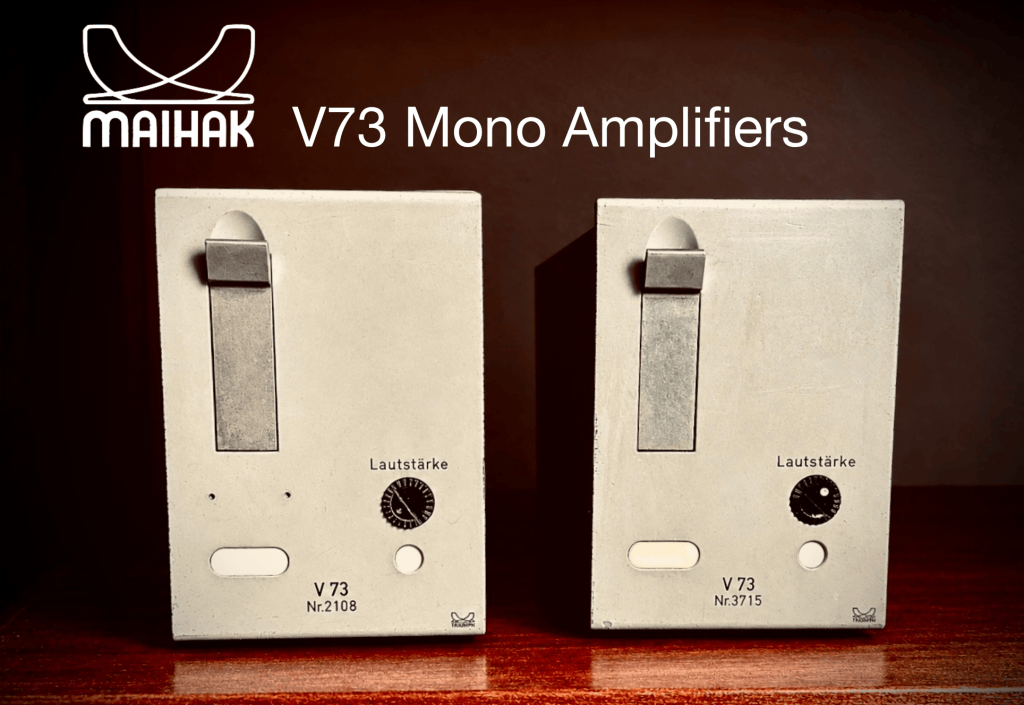
Four Watts of Vintage German Engineering
Sometimes the most interesting additions to a system are the ones you weren’t looking for. I’ve recently added a pair of Maihak V73 amplifiers, German professional audio designs dating back to the mid-1950s, and so far, the results have been very promising.
The amplifiers came to my attention through a larger estate purchase made by my workplace. When I saw them, I knew I had to buy them. Finding a pair of Maihak V73s in New Zealand is unusual enough, and I suspected I’d probably never see another set down here. It seemed sensible to take the opportunity while it was there.
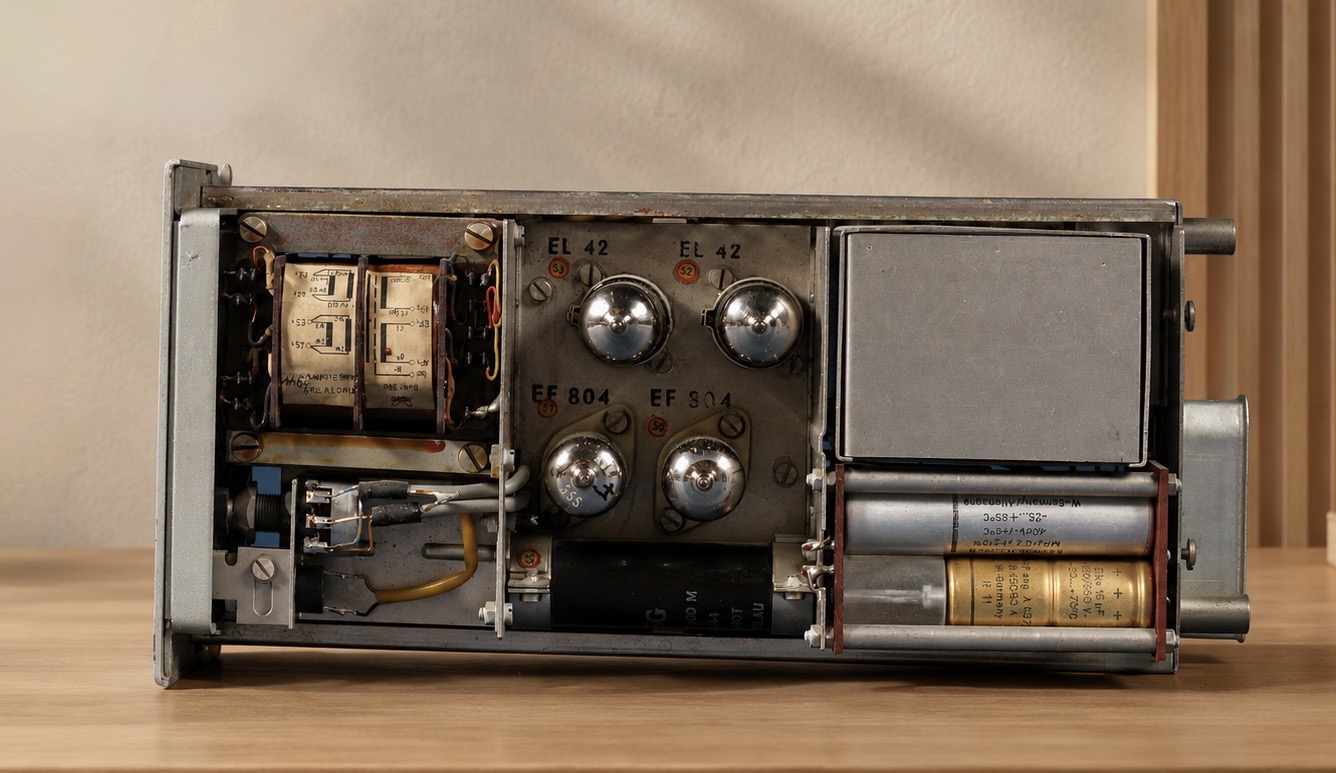
Maihak AG, based in Hamburg, specialised in professional audio equipment for broadcasting and recording. Its products came from an era when German manufacturers were producing some seriously well-engineered studio equipment, with reliability and long-term serviceability taking priority over domestic styling. The V73 was introduced in the 1950s as a compact amplifier for professional monitoring applications, and its association with Telefunken reflects the close relationship between German broadcast engineering and the valve technology supplied by companies such as Telefunken.

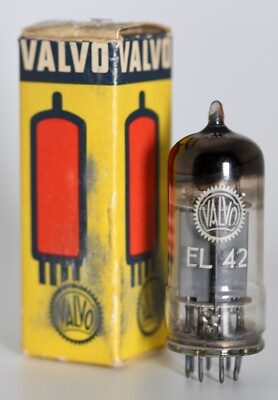
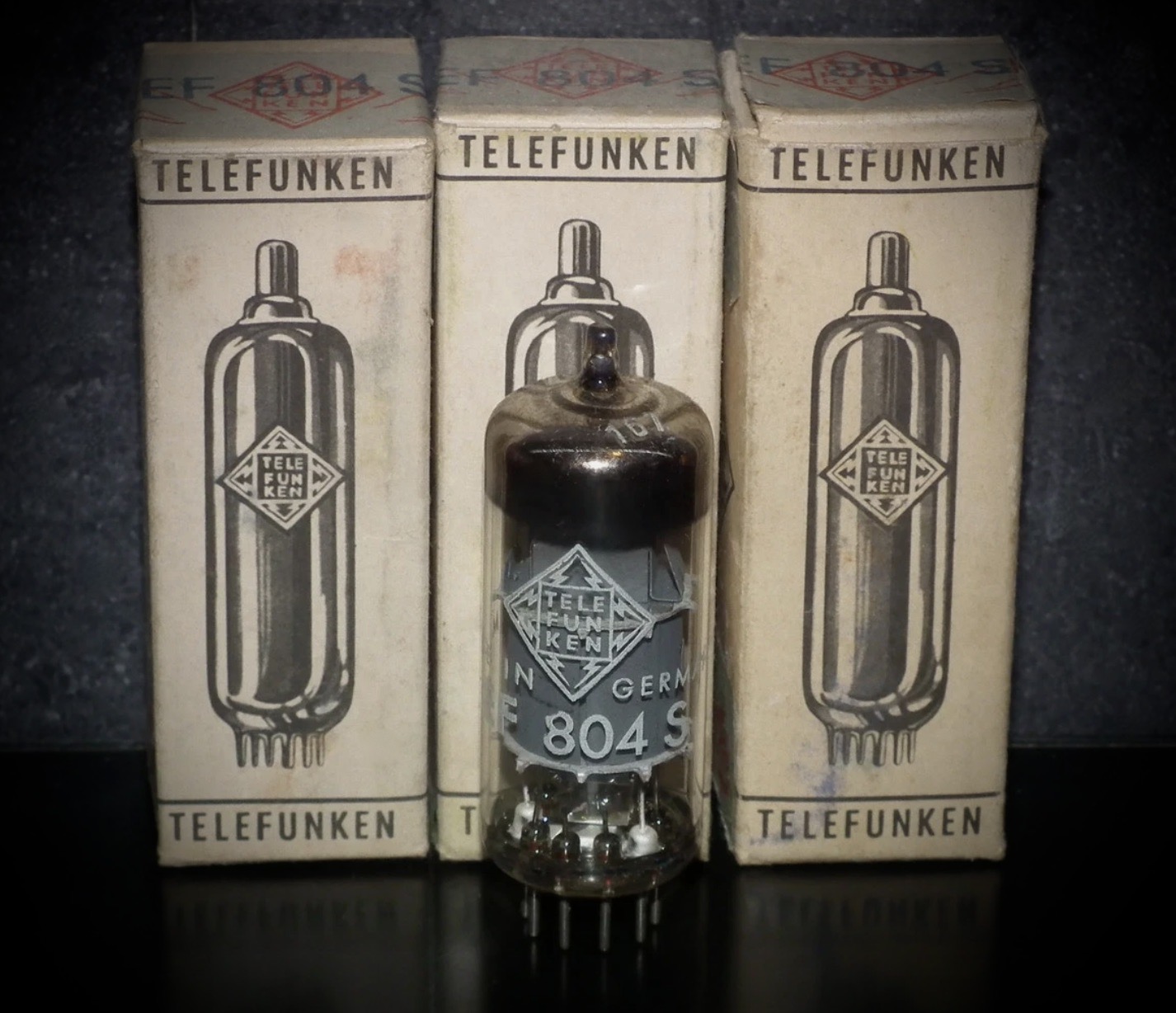
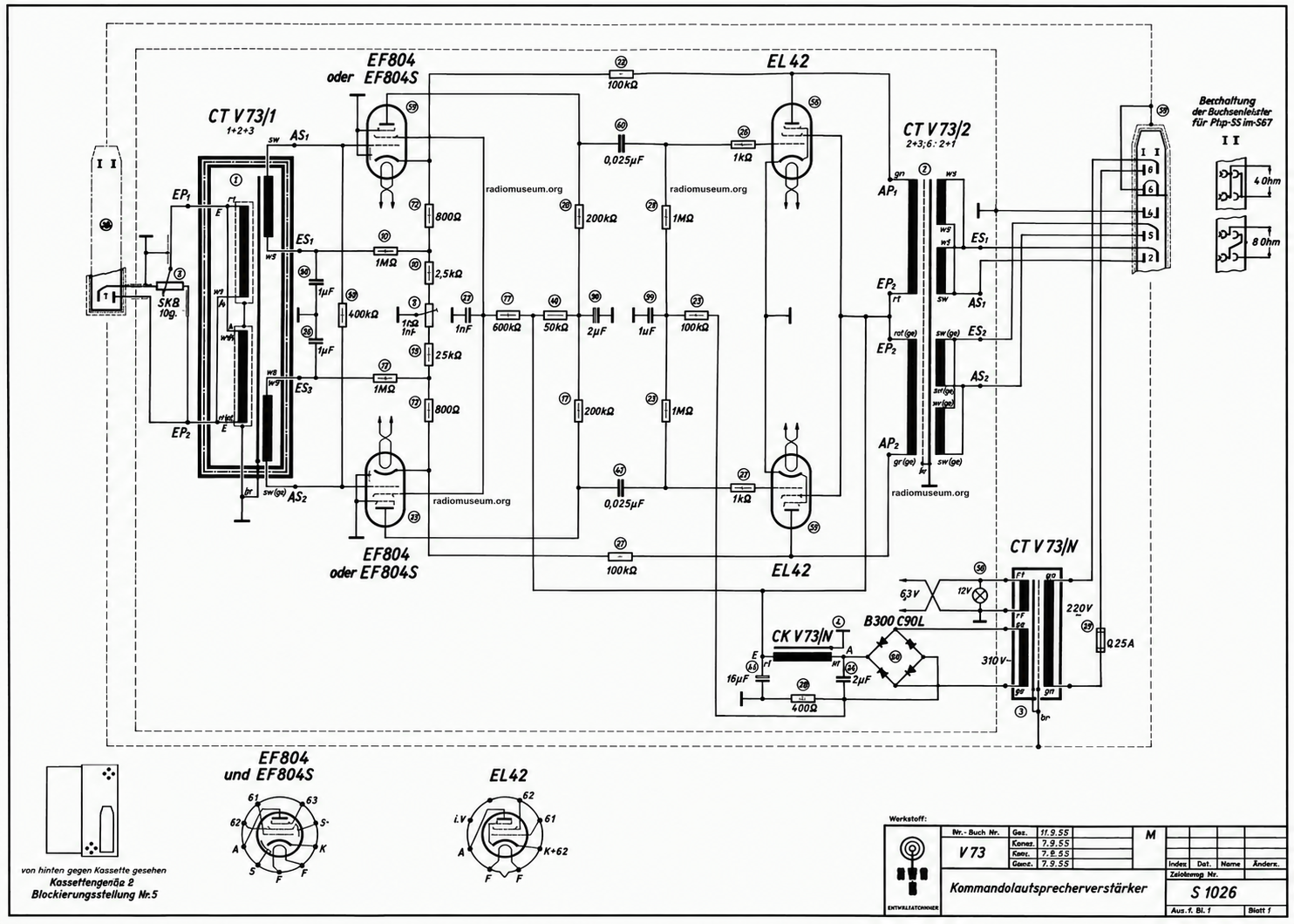
Each amplifier produces around four watts using a push-pull valve circuit, with EF804S pentodes in the earlier stages and EL42 output valves. The EF804S was a specialised, low-noise Telefunken pentode developed for professional applications, while the EL42 is a compact output valve well suited to modest-power amplification. It’s an appealing combination, particularly given the professional origins of the design.
These ones have Valvo EL42s and Telefunken EF804S tubes.
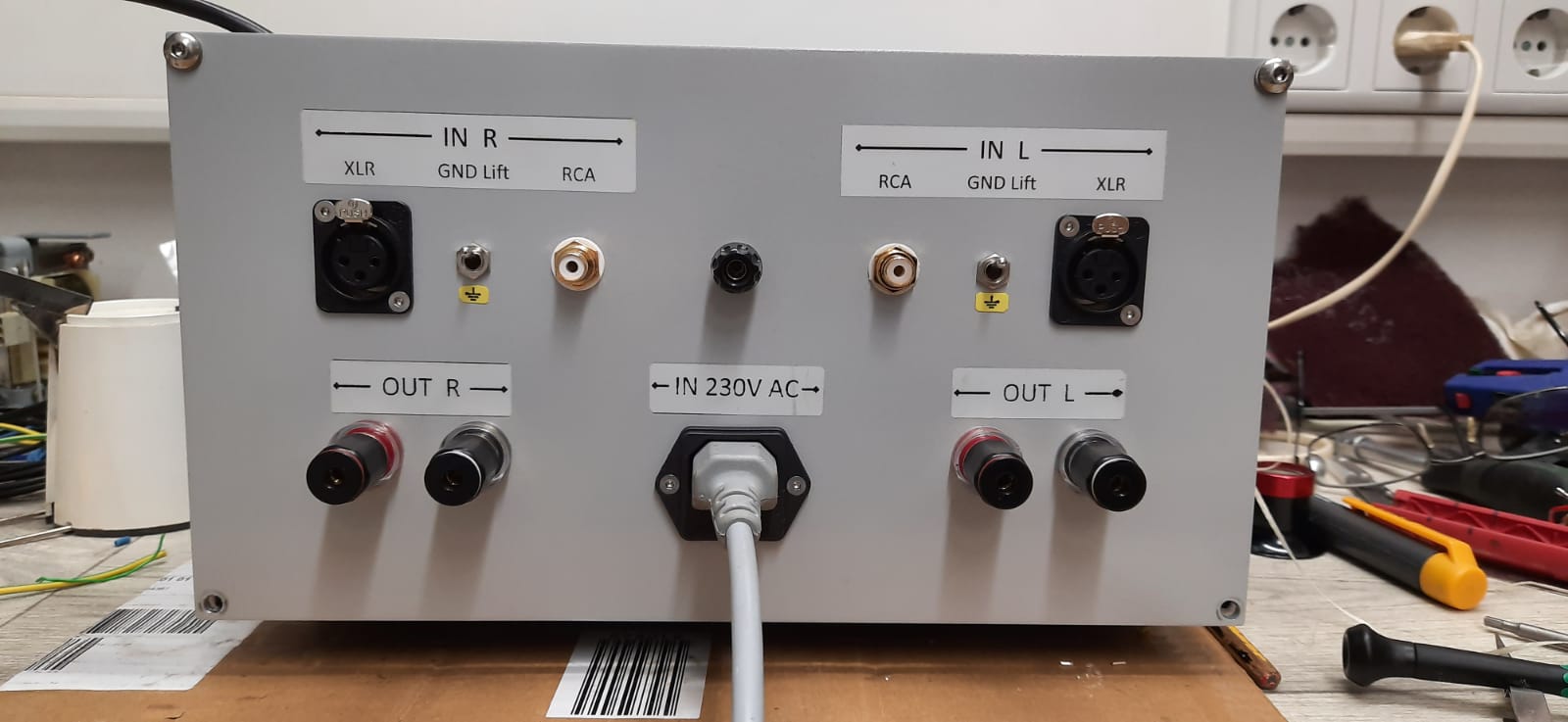
All the original transformers remain in place, which is an important part of the appeal. Transformers are fundamental to a valve amplifier’s design, and retaining the originals preserves a key element of the V73’s engineering. The amplifiers have been fitted with new connectors for power input, speaker output and a single-ended RCA input, making them much easier to integrate into a modern domestic system.
Four watts might not sound like much in an era when amplifier specifications routinely run into triple figures, but my O/Bronze speakers are a sensible partner. With a nominal impedance of 12 ohms and a sensitivity of around 96dB, they don’t need much power to produce realistic listening levels. The combination makes good sense, provided the output-transformer connections are suited to the speaker load.
Also, because the modules are designed to be used in a cabinet type setup, they don’t sit flush on the floor, so a friend kindly 3D printed some mounts for them. They work perfectly! The only thing I need to do is add some in-line power switches to the mains cables, which is pretty straightforward.
The V73 also has a certain cachet among the deep audio illuminati: those people who spend their time exploring the more obscure corners of vintage audio, well beyond the usual suspects. These aren’t amplifiers you’re likely to stumble across in the average hi-fi shop, and their reputation among those in the know is part of the appeal. Born out of German broadcast engineering, rather than the world of domestic hi-fi, they offer a combination of history, purposeful design and genuine rarity that’s difficult to replicate with a modern product. Finding a pair with all their original transformers is a bonus, too. I wouldn’t claim to be part of that inner circle of people who know everything there is to know about vintage German equipment, but I do know an interesting opportunity when one presents itself, particularly when it might be the last chance to find a pair in New Zealand.
Initial listening has been very promising, although I’ve mostly stuck to acoustic music and smaller-scale recordings rather than anything too busy or intense. It seems a sensible way to get acquainted with the amplifiers before asking too much of them. There’s been one exception, though: My Dying Bride’s From Darkest Skies, largely because I’m going through a bit of an MDB phase at the moment, it seems. It’s an interesting diversion from the more restrained material I’ve been using, even if I’m not about to draw any firm conclusions just yet. There’s plenty more listening to do, especially given all the new stuff that is manifesting in my system lately. It’s going to be a long while before I get a handle on all of it.
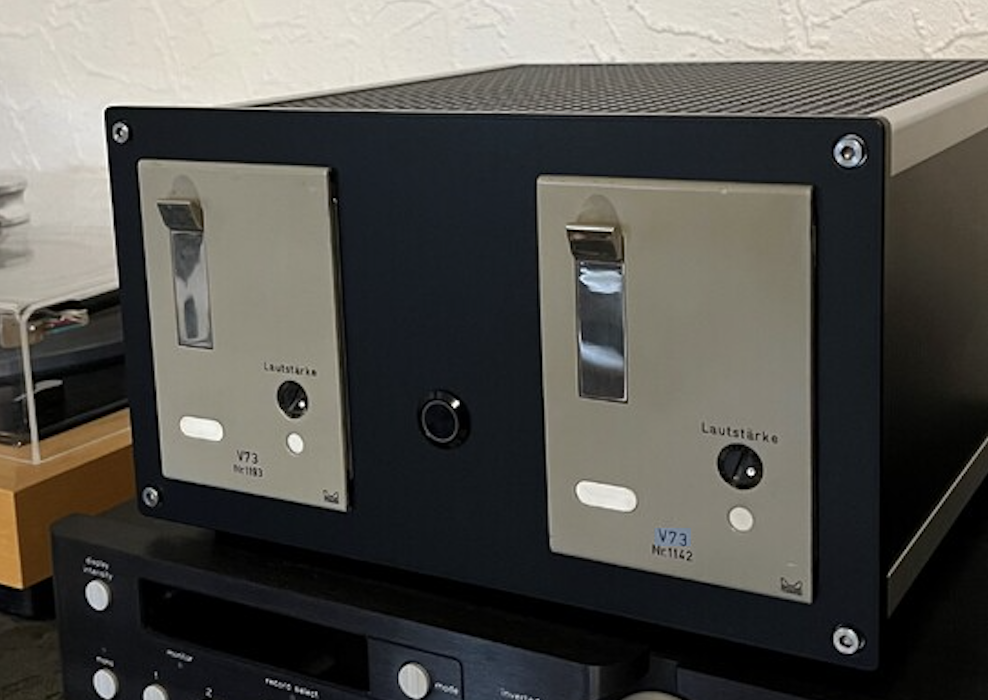
I’ve seen a really nice implementation with these amps being put into a case with terminations and a shared power input and also a master on off switch on the front. I may do something similar in the future.
I’ve been increasingly drawn to simpler designs and less complicated signal paths, and the Maihaks offer an interesting perspective on that interest. They weren’t conceived as boutique hi-fi components, but as practical professional tools built to do a job reliably. More than seventy years later, they’re now doing something a bit different in my system.
I’m glad I took the opportunity to buy them. Sets like this don’t come along often in New Zealand, and the early signs suggest these little German amplifiers could be keepers. Certainly a great stop gap until the Komuro arrives, and a nice pair of amps to own.


You must be logged in to post a comment.