
I had originally been thinking about buying a Hana Umami Blue.
I’ve set up a fair few Umami Blues and Reds for other people over the years, so I’m reasonably familiar with what they do. I’ve always liked them. The Blue in particular strikes me as a very well-balanced cartridge, with plenty of resolution without becoming one of those cartridges that seems designed primarily to impress you with how much detail it can retrieve. And at a ‘reasonable’ price, I guess.
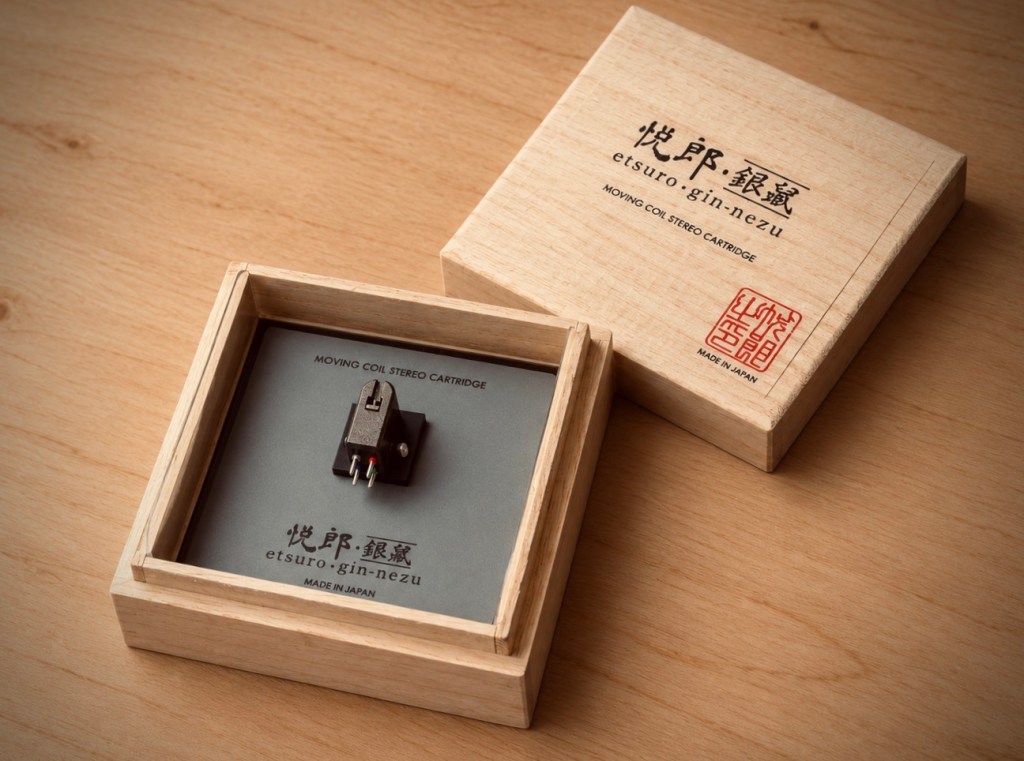
So naturally, being the typical contrarian I am, I started looking for something a bit different, which led me to the Etsuro Gin-nezu.
It wasn’t that I thought it was necessarily going to be better than the Umami Blue. Part of the attraction was actually knowing that I wasn’t taking a complete punt. Etsuro cartridges are made by Excel Sound Corporation, the same Japanese company behind Hana, so there is a considerable amount of shared experience and manufacturing expertise behind the two brands.
I also already have another Excel cartridge here in the form of my Hana ML.
The ML came to me with one of the cartridge pins broken off. Rather than writing it off, I repaired it, and it is now back in regular use. I’ve spent a fair amount of time with the ML, as well as having hands-on experience setting up the more expensive Umami models.
This made the Gin-nezu particularly interesting, as I wasn’t coming to it completely cold.
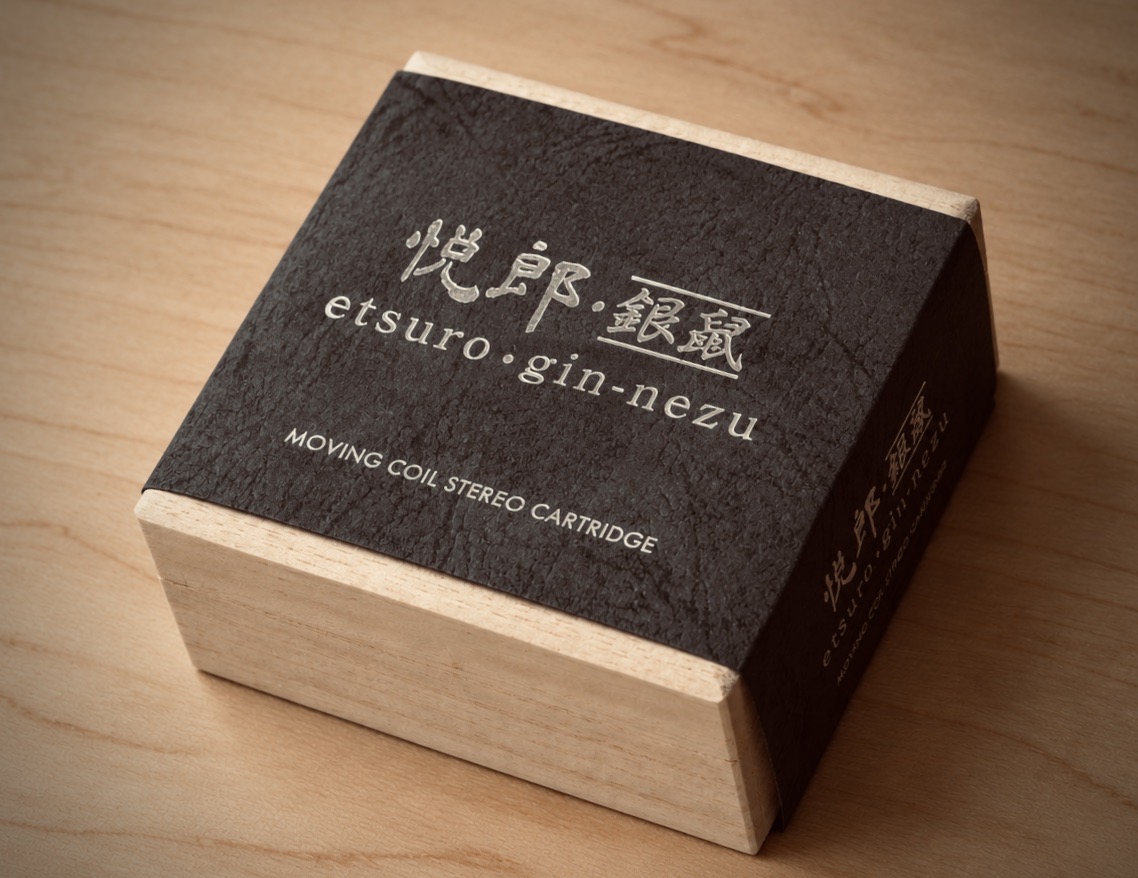
Excel Sound has been making cartridges in Japan since 1970. For much of its history it was better known as an OEM manufacturer, producing cartridges for a range of other audio companies. Its one of those Japanese manufacturers whose work has probably appeared under far more names than most people realise.
Hana was launched in 2016 and brought Excel’s own cartridge expertise much more directly into view. The range eventually grew from the original models into the more ambitious Umami cartridges.
Etsuro is another expression of that same manufacturing background, developed in collaboration with Dai-Ichi Shoji. Where Hana has concentrated on the cartridge itself, Etsuro has also brought traditional Japanese finishing techniques into the picture, particularly with the more elaborate models using gold leaf and Urushi lacquer.
The Gin-nezu is a bit more restrained.
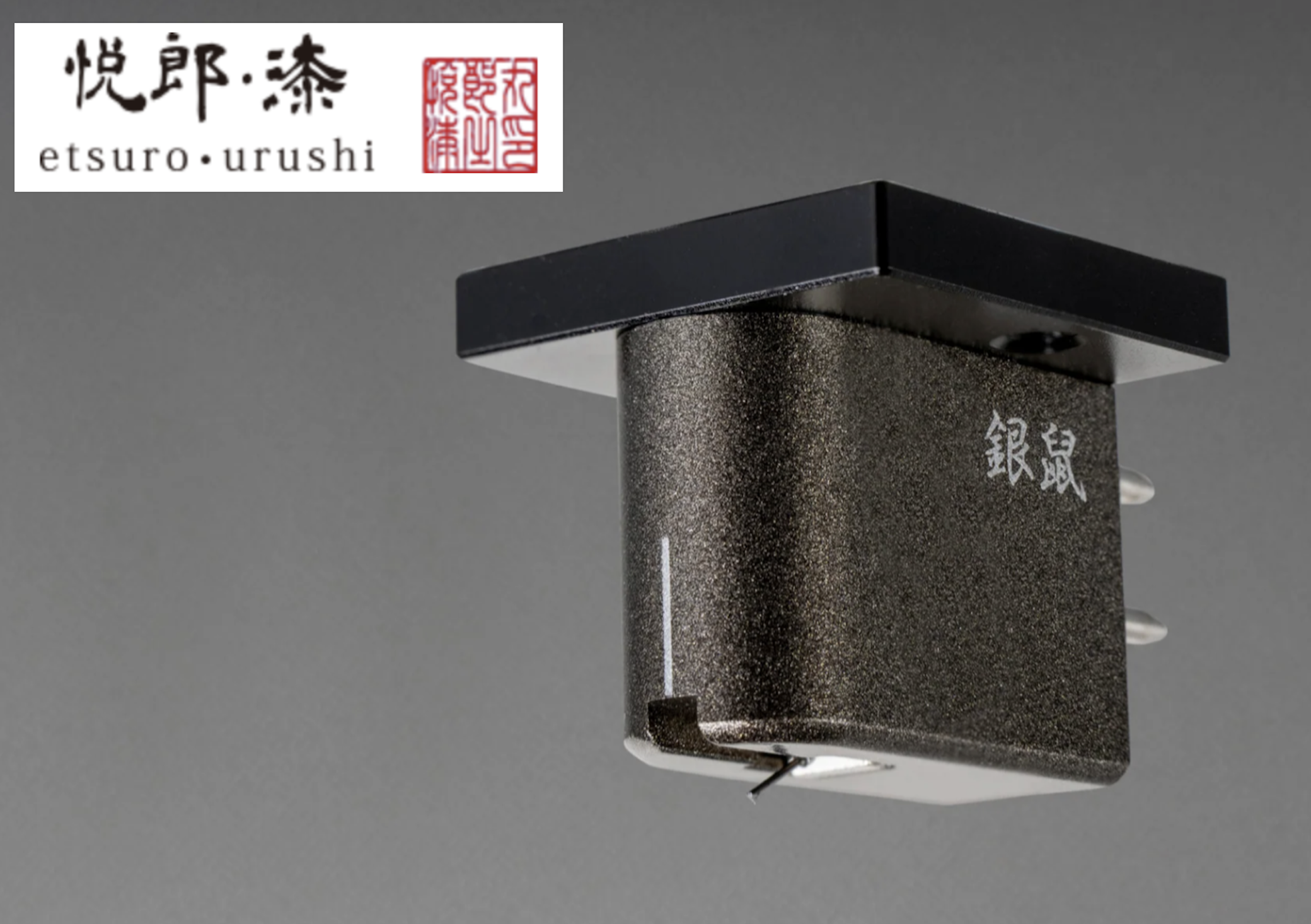
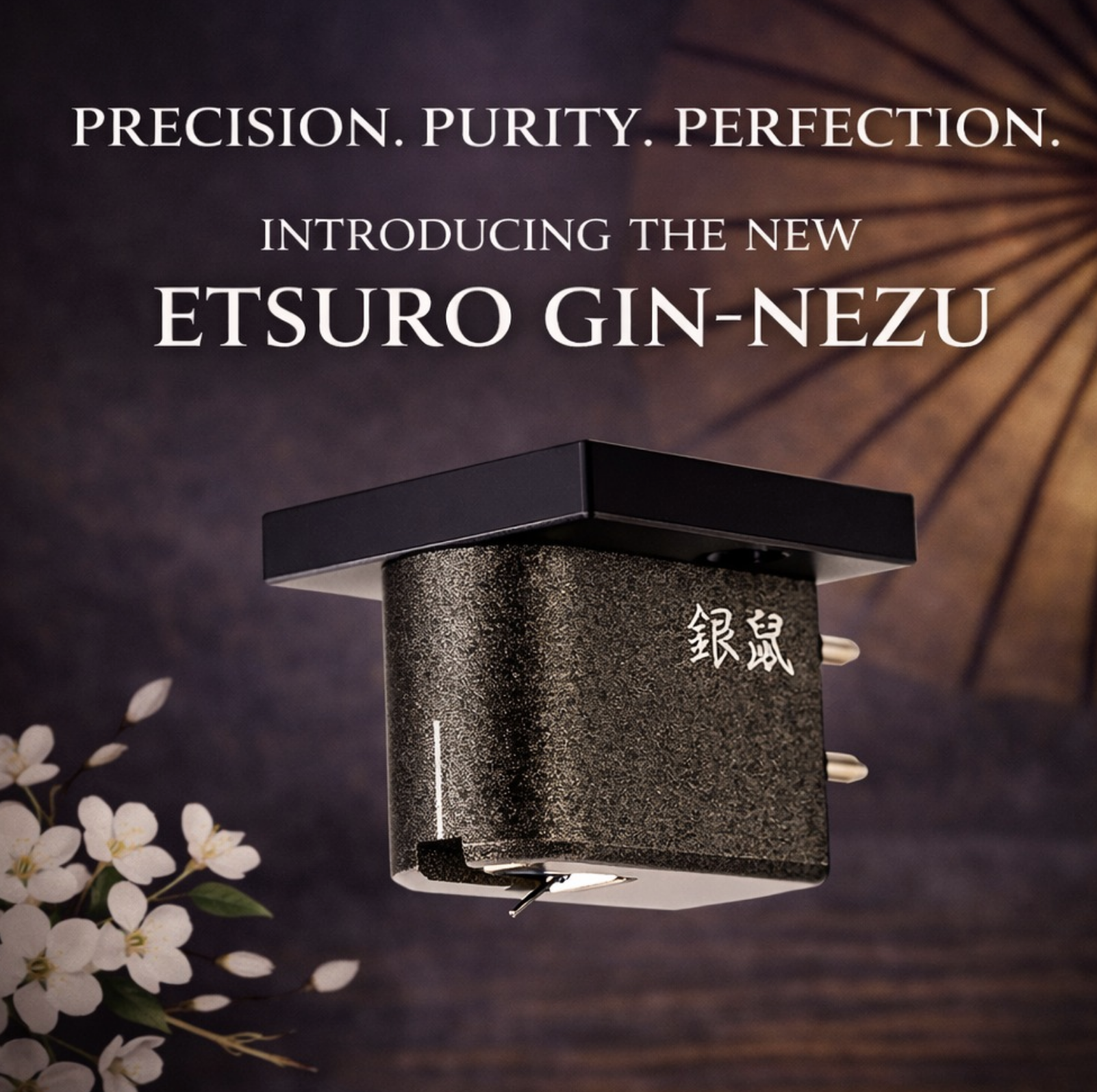
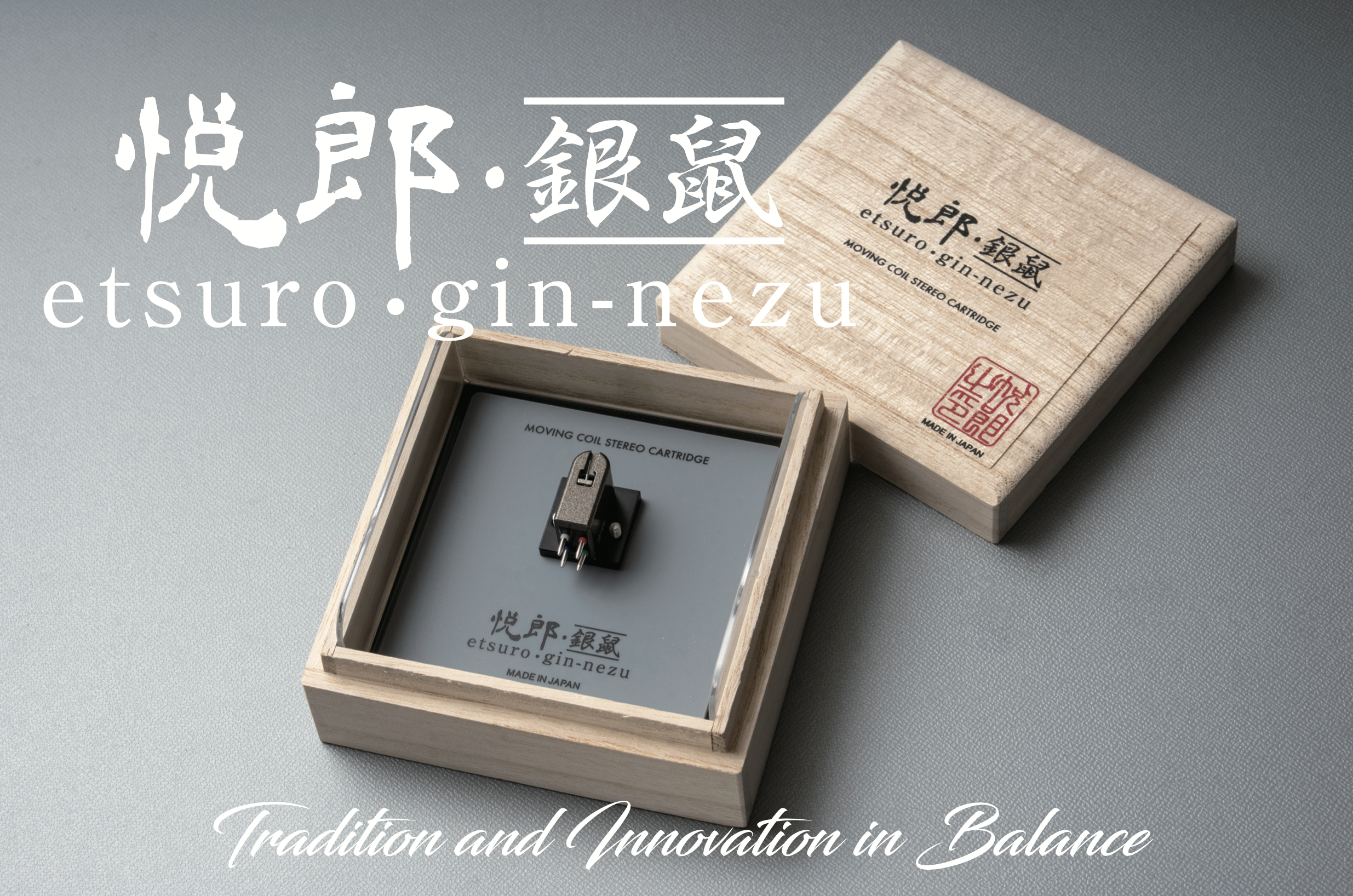
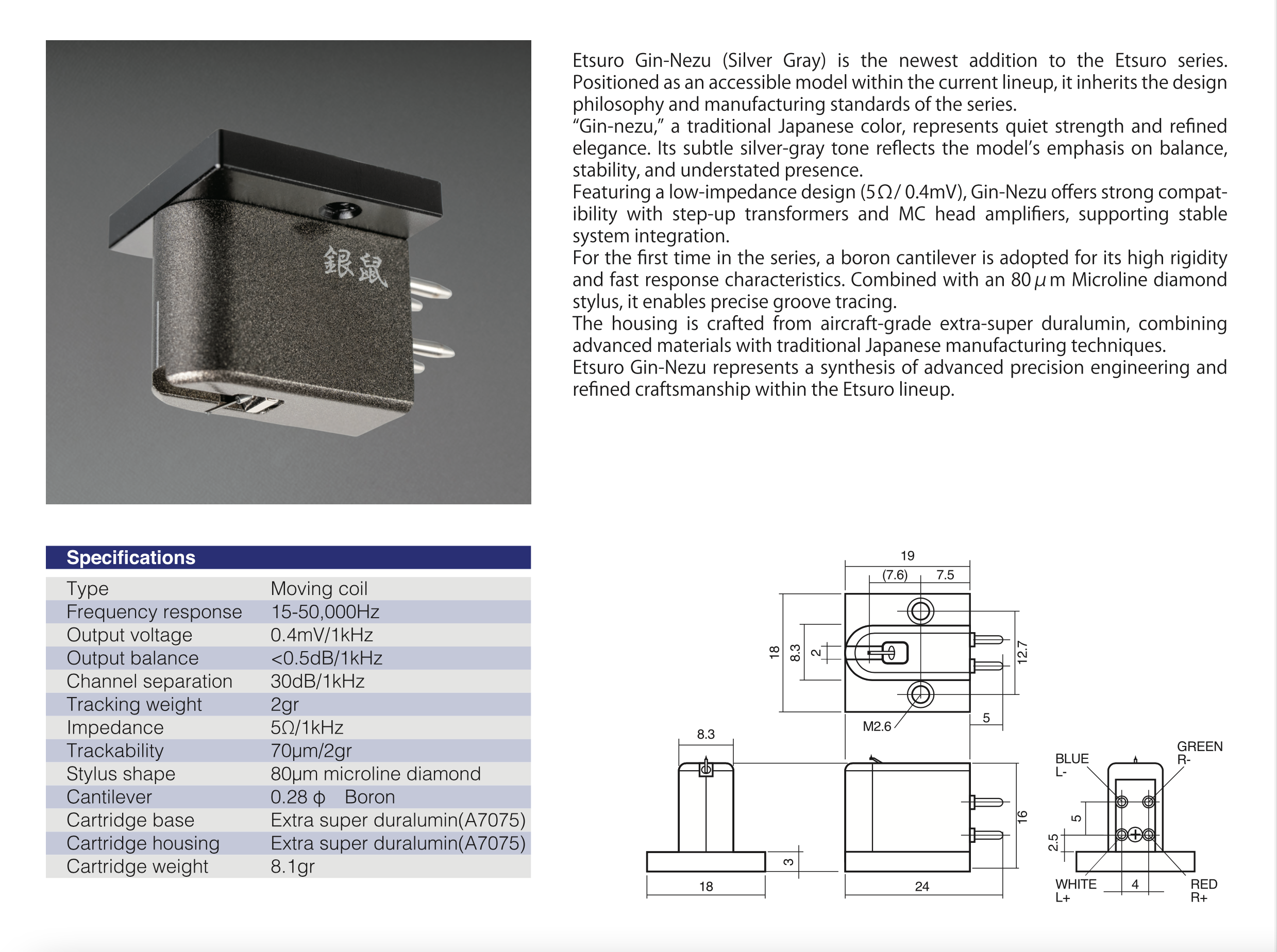
The name refers to a traditional Japanese silver-grey colour, which is pretty much what you get. The body is machined from A7075 Extra Super Duralumin and finished in a subtle grey. Compared with some of the more extravagant Etsuro cartridges, it is actually quite understated, which is cool.
There is appeal in a cartridge that doesn’t look as though it needs to justify its price every time you look at it.
Underneath the body, things are more serious. The Gin-nezu is a low-output moving coil with a 5Ω internal impedance and 0.4mV output. It uses a Samarium Cobalt magnet, a 0.28mm boron cantilever and an 80μm Microline stylus, with a cartridge weight of 8.1g.
On paper, there are some obvious parallels with the Hana Umami Blue.
The Blue also uses a Duralumin body, boron cantilever and Microline stylus, although the generator and magnet arrangement is different. There is clearly a family resemblance in the engineering approach, even if the finished products take different routes.
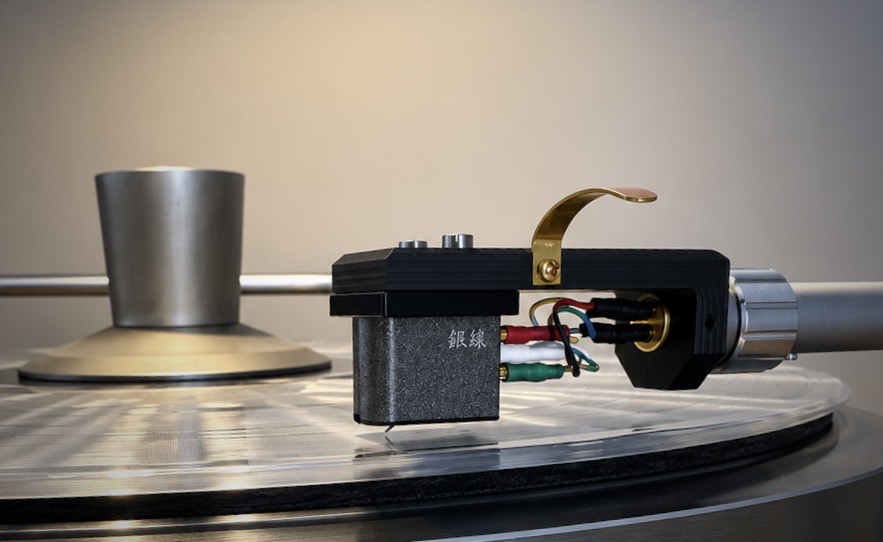
I’m planning on ultimately running the it on my Sorane ZA-12. The important thing here being the relationship between the cartridge’s compliance and the effective mass of the arm and cartridge together. The Gin-nezu isn’t a particularly heavy cartridge at 8.1g, and its compliance is suited to an arm with a moderate effective mass rather than requiring an especially heavy arm to get the resonance into the right area. With a Microline stylus I’ll take some extra care over the alignment, as there’s little point spending this sort of money on a cartridge and then being casual about getting the stylus geometry right. It gives me a nice excuse to use my Wally Loupe contraption as well.
Initially though I’ll be trying the Etsuro on the EMT 997. That is a different proposition mechanically, particularly with the choice of headshell. I’ll use the Yamamoto carbon-fibre headshell, which keeps the cartridge/headshell combination relatively light compared with some of the heavier EMT-style shells. It will be interesting to see how the it responds to the different effective mass and overall mechanical behaviour of the 997 compared with the Sorane.
I don’t want to predict which arm will be the better match before I’ve done the experiment. That’s part of the reason for trying both. If the cartridge behaves differently on the two arms, that will tell me more than simply declaring one combination “compatible” and leaving it at that.
I could have bought the Blue. I know what they sound like, I’ve installed enough of them to be familiar with their behaviour and I already knew I liked the basic Excel approach. But I didn’t particularly need another cartridge that I already had a pretty good idea about.
The Gin-nezu offers something a little different while still coming from a manufacturing background I trust.
It isn’t necessarily a question of one being better than the other, they just have different personalities.
The same applies when I think about the Umami Blue. Having set up a fair few of them, I understand why people like them. There is a very polished balance of resolution, dynamics and musicality, and they manage to retrieve a lot of information without making the presentation unpleasantly analytical.
The Etsuro takes a different route to roughly the same destination.
There is a fairly large qualification to all of this, though.
My system is in a state of flux at the moment.
I’m currently between amplifiers and will be borrowing different amps in the meantime, until my Komuro arrives. That means I don’t think it would be particularly useful to make a series of very definite statements about the Gin-nezu’s final sound in my system just yet. Also, I have a wait before my Technics arrives… not to mention the plinth. I actually anticipate a vinyl-less period before it’s all up and running.
A cartridge obviously doesn’t exist in isolation. The arm, phono stage, step-up arrangement, loading and amplifier all have an influence on what eventually comes out of the speakers. I’m more interested in what the Etsuro does as part of the whole system than in trying to assign it a fixed collection of audiophile adjectives.
The 5Ω internal impedance is also something I’ll be paying attention to, particularly with the transformer-based set up I use. Getting the interface between cartridge and transformer right is important, and I want to spend some time experimenting rather than simply accepting whatever happens to work on paper. The really concrete listening impressions are going to take a while, which is fine.
Theres certainly no shortage of material waiting for it.
I’ll be working my way through the My Dying Bride box set, which should provide plenty of challenging material. Their recordings have a lot going on, particularly once the guitars, bass, drums and atmosphere all start piling up. It should be interesting to see how the Gin-nezu handles the density without losing the character of the individual instruments.
I’ve also just had a couple of Russian Circles LPs arrive. These are replacement copies after the first ones were damaged in transit, so I’m particularly keen to finally get them onto the turntable. Russian Circles should make another good workout for the cartridge, with the combination of heavy guitars, drums, dynamics and large changes in intensity.
Alongside those I’ll be playing the usual records I listen to anyway.
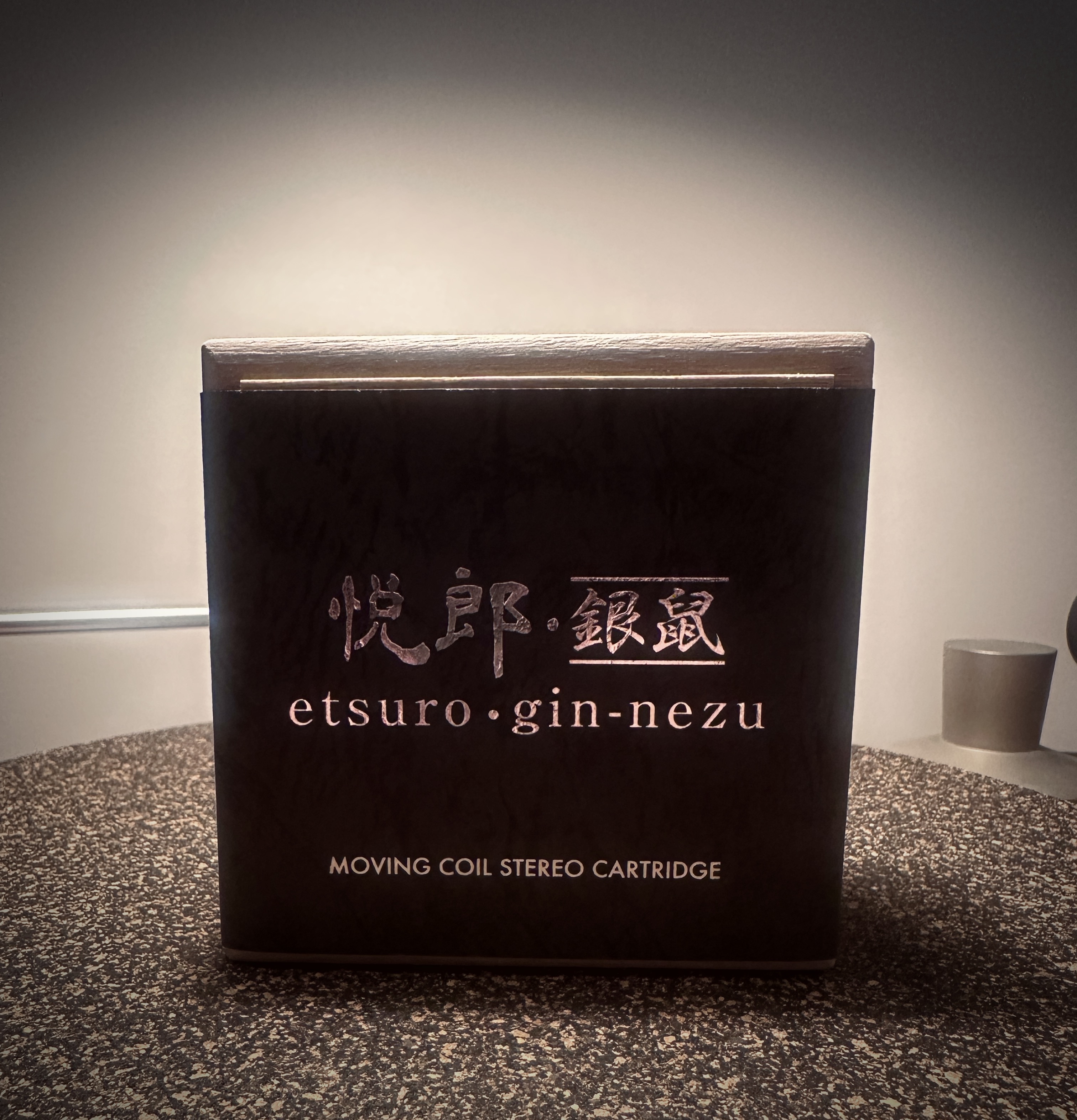
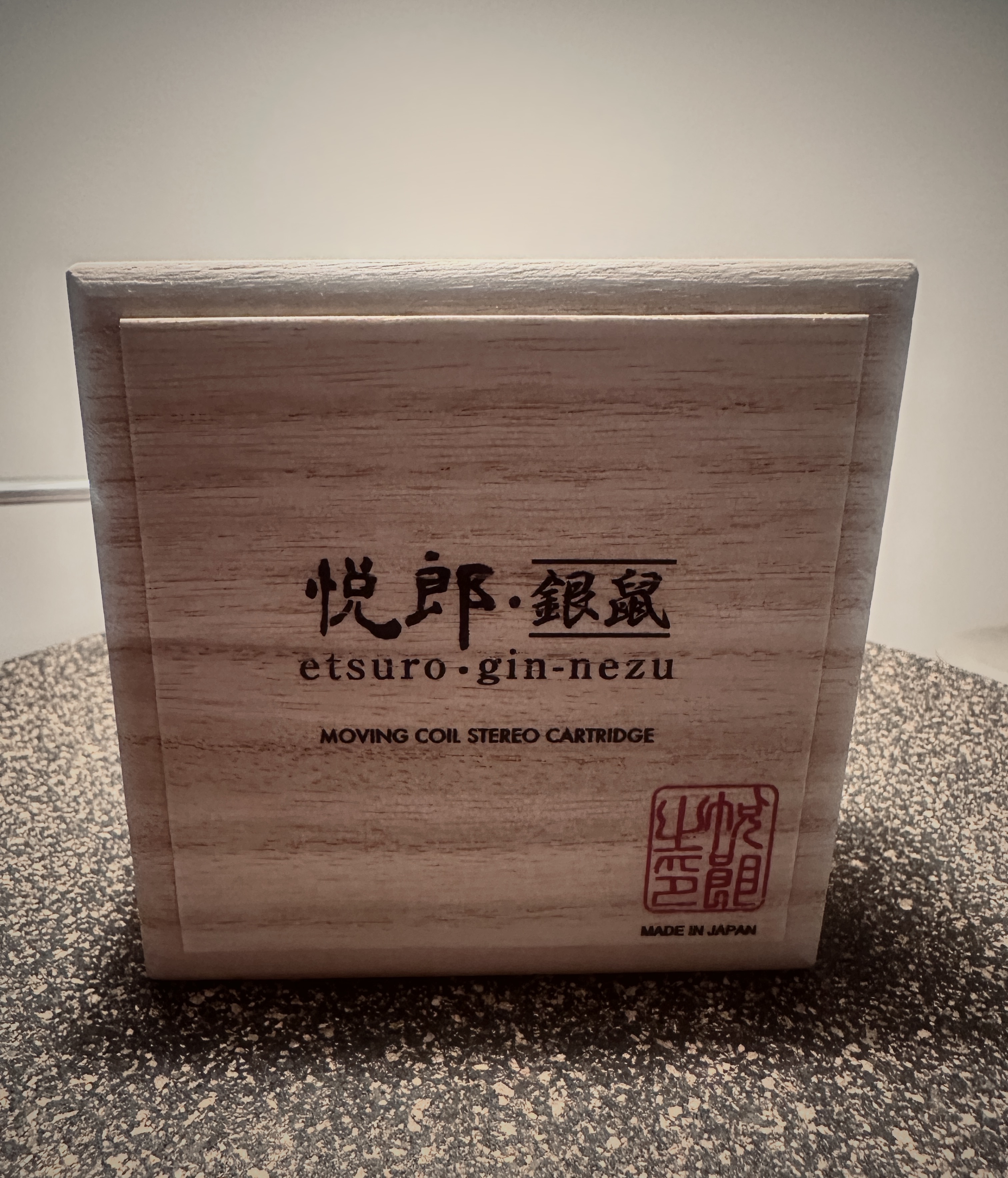
I’ll also get the Gin-nezu through the different amplifiers as they come and go, which should give me a useful idea of how it behaves with different parts of the system.
Then, once the Komuro finally arrives, I’ll be able to settle everything down and spend some proper time with the combination I actually intend to live with.
Thats when I’ll be in a much better position to make a final judgement.
At this stage, I’m glad I didn’t simply buy the Hana Blue.
I still have a lot of respect for it. If somebody asked me whether they should buy one, I’d have no hesitation recommending it. I’ve heard and installed enough of them to know that they’re very good cartridges.
For my own system, though, the Etsuro is proving to be the more interesting choice.
Part of that is simply because it is different. I already know the Hana ML very well, I’ve spent plenty of time setting up Umami Blues and Reds, and I didn’t really need to follow the obvious path. The Gin-nezu gives me another view of what Excel can do. There is still that sense of precision and excellent information retrieval that I associate with their better cartridges, but the balance is different. Compared with my ML, there is more solidity and composure, while retaining plenty of openness and detail. Whether that ultimately makes it the cartridge I prefer will take more time to establish, particularly with the system changing around it. For now, though, I’m enjoying having something new to play with.


You must be logged in to post a comment.