
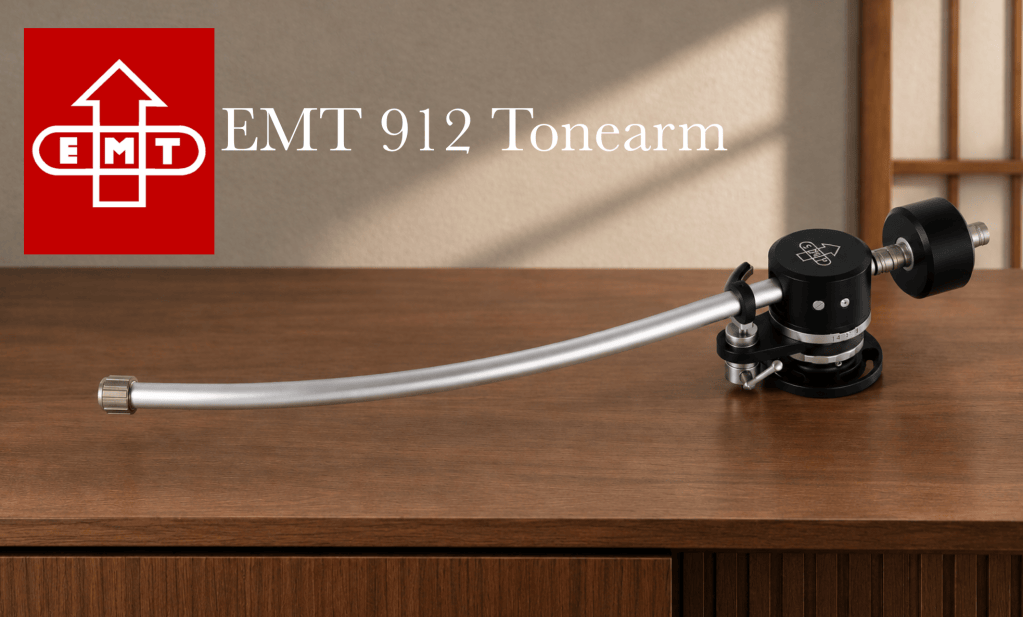
The EMT 997 is a tonearm that always stood out for me. Introduced in 1974 for the formidable EMT 927 broadcast turntable, the distinctive banana-shaped tonearm has become one of those designs instantly recognisable to anyone with an appreciation for the history of serious analogue audio. It is unapologetically functional, beautifully proportioned and very much a product of an era when professional audio equipment was built to do a job, often under demanding conditions, without unnecessary fuss. That it has subsequently become such a desirable object among collectors and enthusiasts is hardly surprising. Good engineering has a habit of outliving its original purpose. I used one on my Garrard 301 set up for many years until recently.
Production of the 997 eventually came to an end in 2018, seemingly bringing the story to a close, but the banana was not quite finished yet.
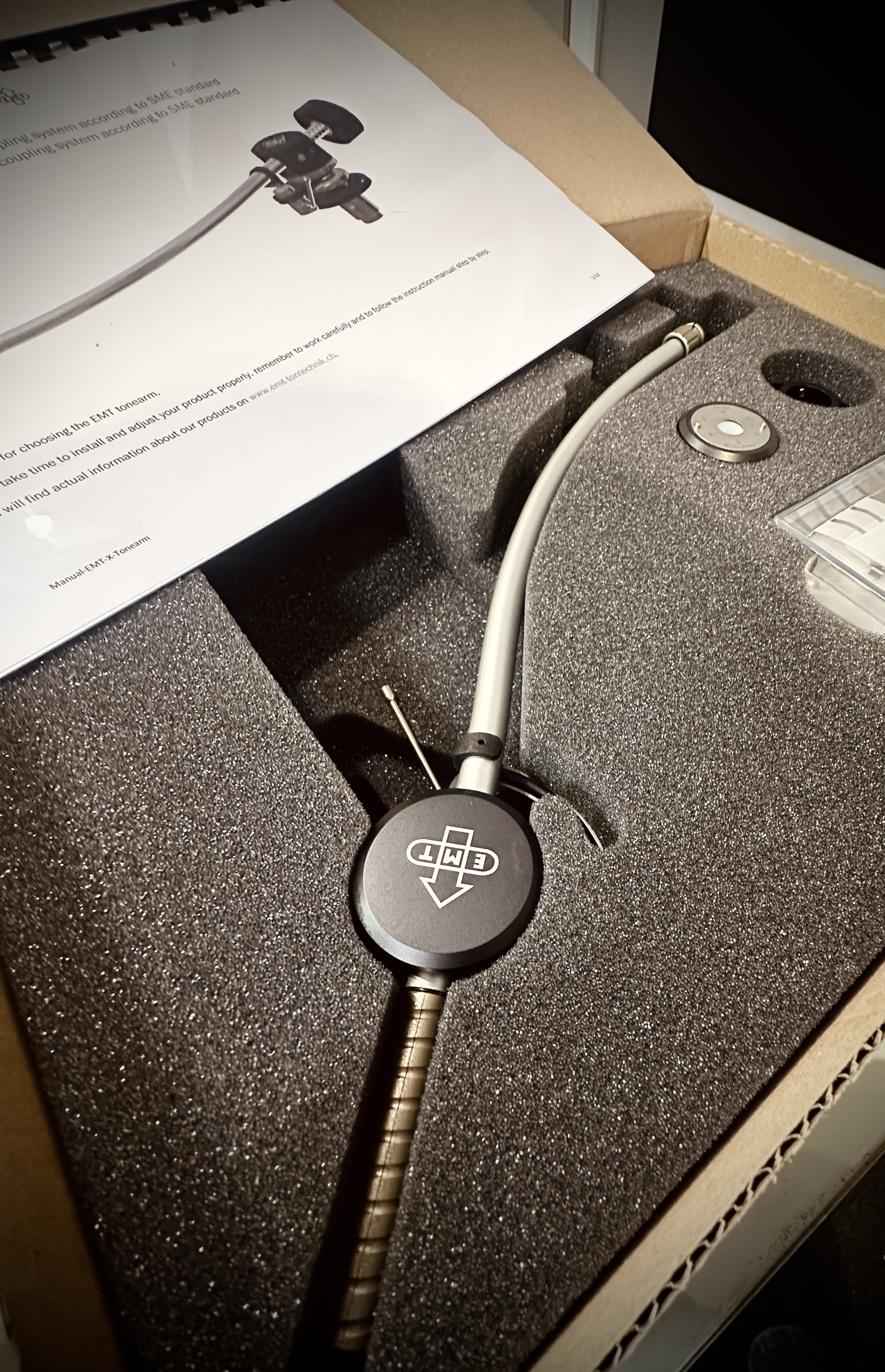
The replacement EMT 912 was introduced in 2022 under the stewardship of Micha Huber and Switzerland’s HiFiction AG. At first glance, the family resemblance is unmistakable. The long, gracefully curved arm retains the silhouette that made the 997 so distinctive, but underneath that familiar exterior is a considerably reworked design. This is not simply an attempt to recreate a vintage classic, nor a nostalgic exercise in reproducing something from the past. The 912 takes the original concept and applies contemporary engineering to it.
Where the 997 employed a spring-loaded tracking-force mechanism, the 912 incorporates a modern bearing arrangement and an advanced tension-compensation system. Magnetic antiskating, adjustable vertical tracking angle and a hydraulic lift add convenience and flexibility, making the newer arm more accommodating of different cartridges and setups. The construction has also been refined, combining a stainless-steel base with lightweight aluminium-alloy moving components. Another difference between the two arms; my 997 came in a beautiful wooden box, whereas this one came in a foam lined cardboard box. Does the job though and got to me completely safely.
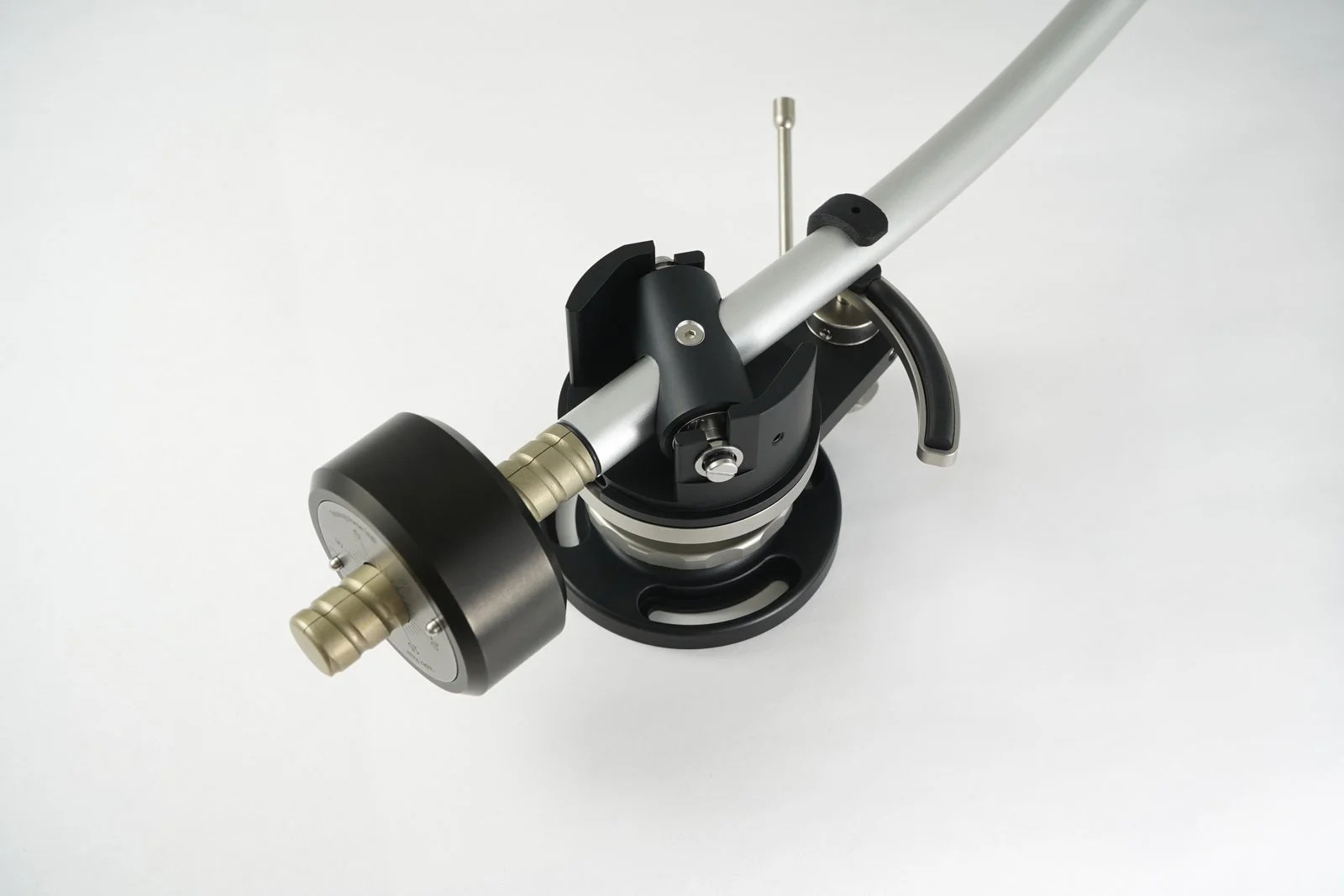
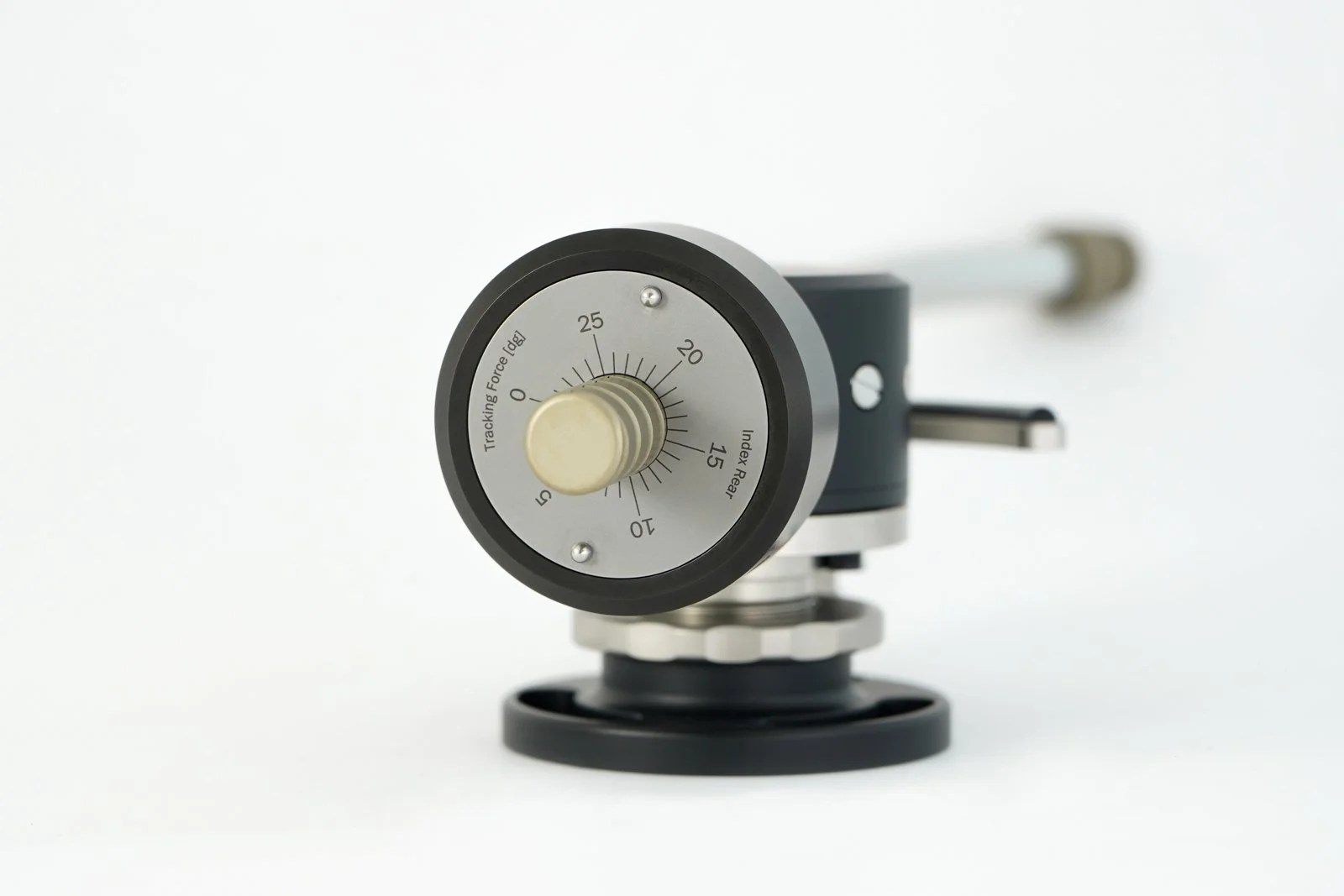
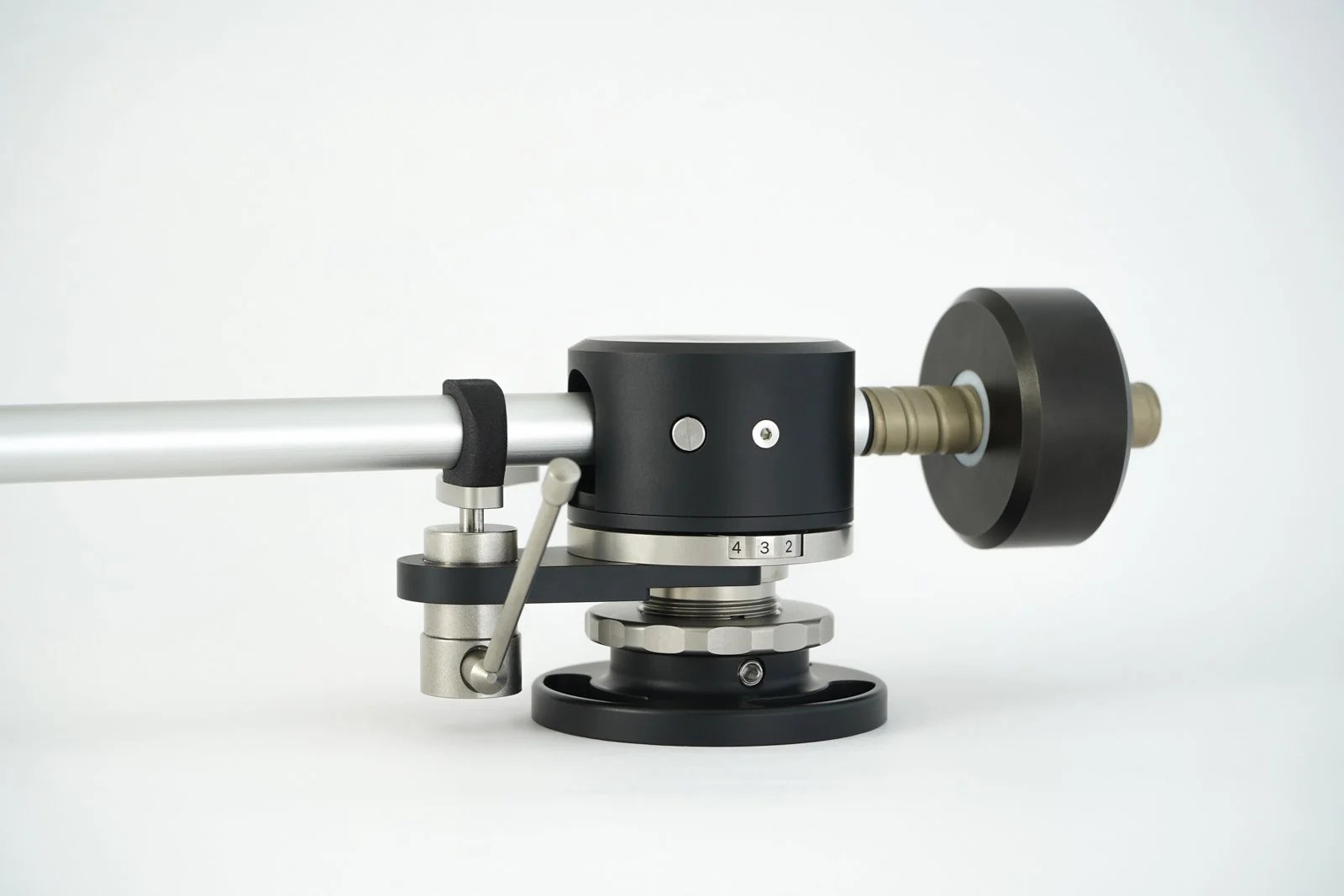
Of course, the appeal of the EMT has never been entirely about specifications. There is a particular aesthetic to these arms, born of their professional heritage, that I find rather compelling. They look like serious pieces of engineering because that is precisely what they are. There is no attempt to disguise their mechanical purpose beneath decorative flourishes or unnecessary styling. Form follows function, and the resulting design has an enduring appeal that many supposedly sophisticated modern products struggle to achieve.
The story of the 912 is also interesting because of the changes in the company behind it. EMT’s heritage is firmly rooted in German broadcast engineering, but its modern tonearm operation has moved to Switzerland under HiFiction AG. It is encouraging to see a historic name being carried forward by people prepared to develop the engineering rather than simply trade on the reputation of what came before. Respecting a classic does not necessarily mean reproducing it bolt for bolt. Sometimes the more interesting approach is to understand what made the original successful and see where those ideas can be taken with modern technology.

Which brings me to my own interest in the EMT 912. My one has just arrived from Switzerland, adding it to my existing collection of tonearms, which includes the Sorane ZA-12 and the vintage Ortofon RF-297. Each represents a different approach to tonearm design, with its own engineering philosophy, history and appeal. I’m interested in what those differences might bring to the listening experience, rather than declaring one design the outright winner on paper.
My installation plans should make the exercise particularly interesting. The EMT 912 will be mounted on an Ammonite Audio SME-style sliding base, allowing me to use both G-style and A-style cartridges. This gives me much more flexibility when experimenting with cartridge combinations and avoids limiting the arm to a single mounting standard. Given the number of interesting cartridges available in both formats, that versatility is a significant attraction.
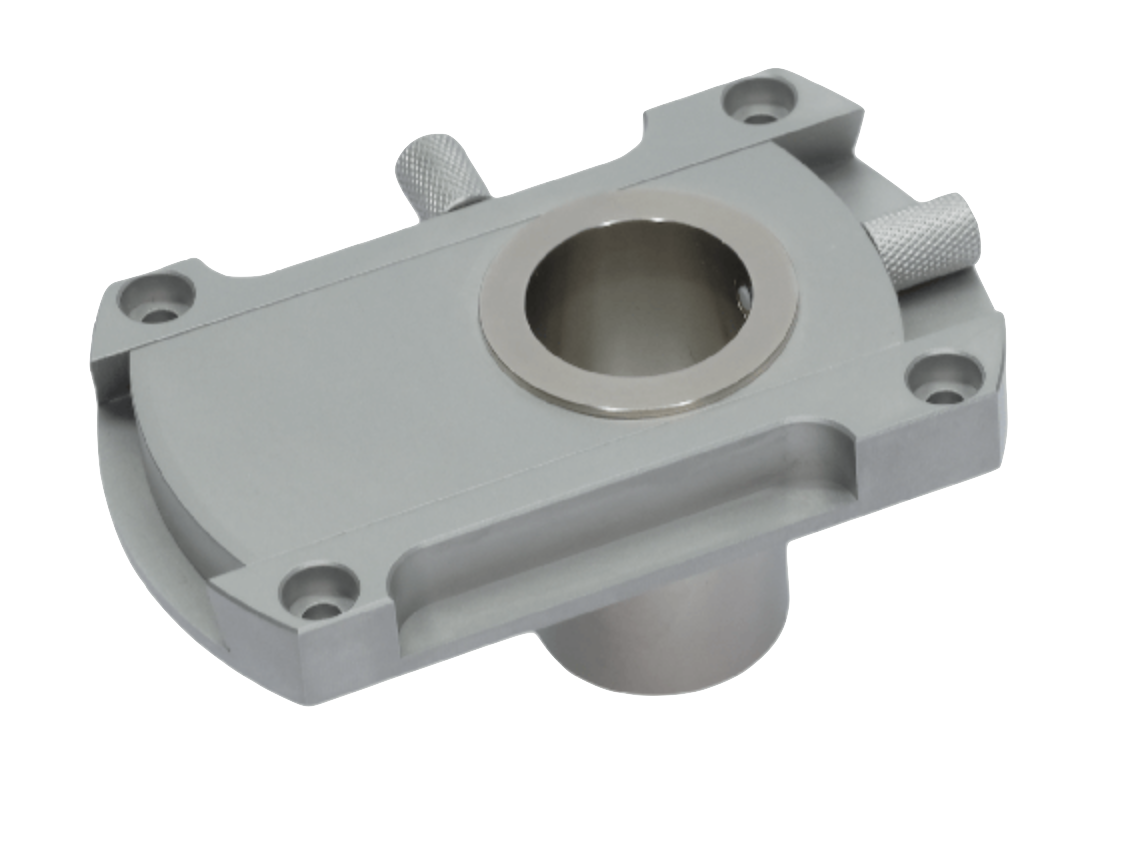
The vintage Ortofon RF-297 brings its own historical character, while the Sorane ZA-12 offers a different perspective on contemporary tonearm design. The EMT 912 adds something else again: the unmistakable legacy of professional German engineering, reinterpreted through modern Swiss design and manufacturing. Having all three available should make for some fascinating comparisons, particularly when different cartridges enter the equation.
The original 997 will always have its own special place in the history of analogue audio. It belongs to a time when broadcast equipment was designed around durability, precision and long-term serviceability, and it has earned its reputation accordingly. I loved mine on my Garrard 301. The 912, however, is an appealing reminder that this heritage need not remain frozen in time.
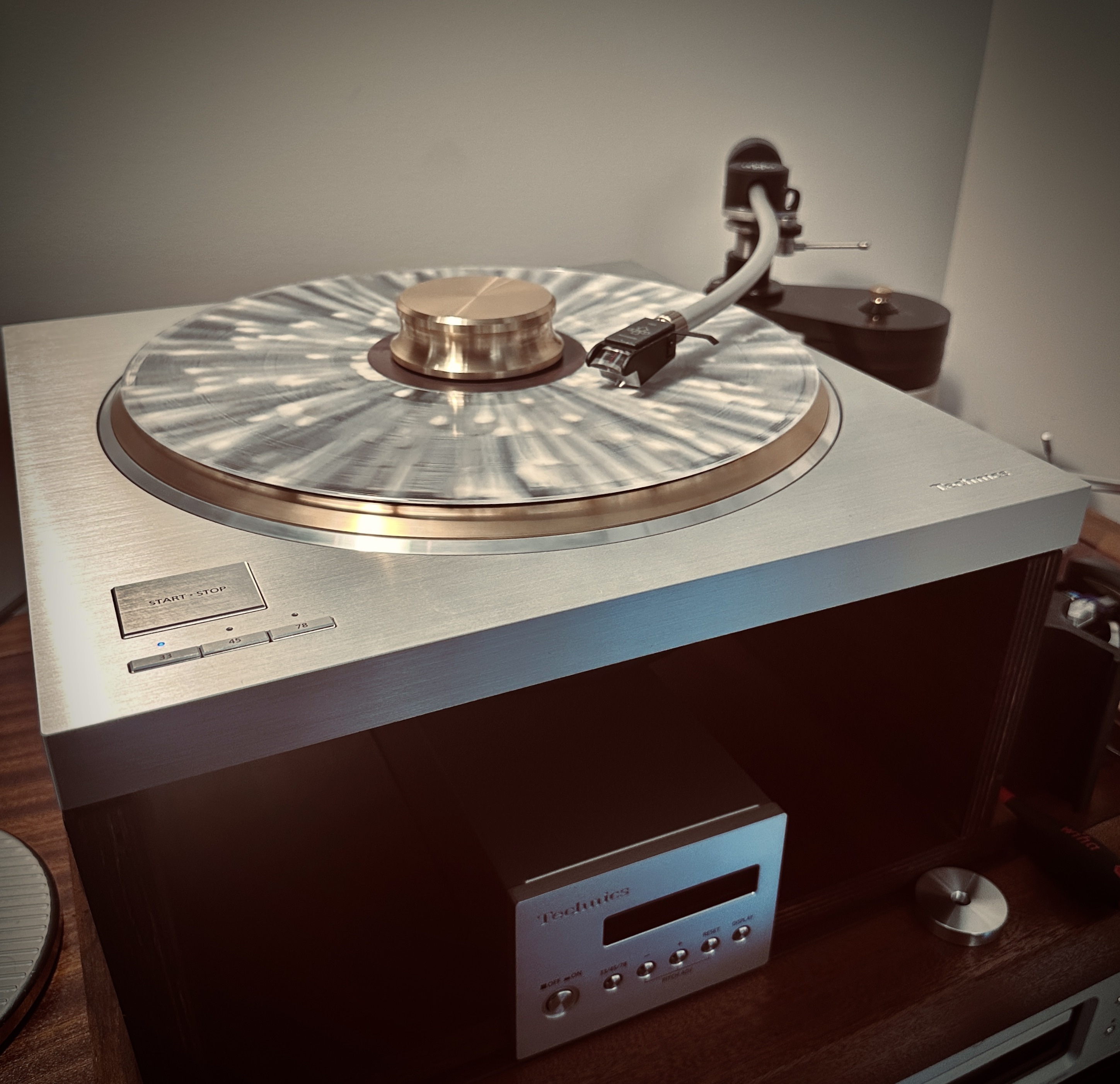
Now that my Technics has turned up and I’ve temporarily set it up, I have mounted the 912 with my EMT Anniversary cartridge in my arm pod contraption just to get it all up and running. It sounds pretty excellent as it is and will only improve when the new plinth arrives, sometime in the future. Ultimately, no matter how interesting the engineering, how distinguished the history or how beautifully something is made, the real test is what happens when the stylus meets the groove and the music begins, so far, so good!


You must be logged in to post a comment.